Source Carbon Fiber Body Kit with Bolts for GT86, BRZ, Rover
Compare 30 listings for Carbon Fiber Body Kit with Bolts designed for GT86, BRZ, and Rover Range Sport. Buyers can review specifications, materials, and pricing to find suitable options for vehicle upgrades.
Key considerations
Products List
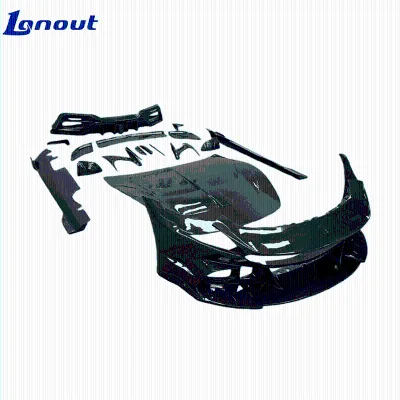
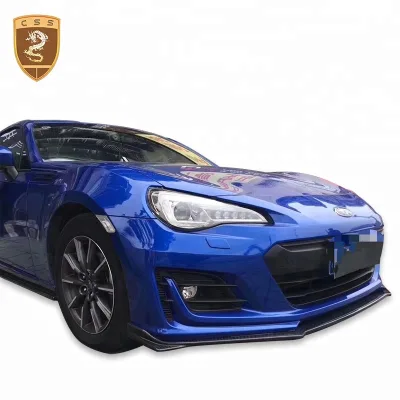
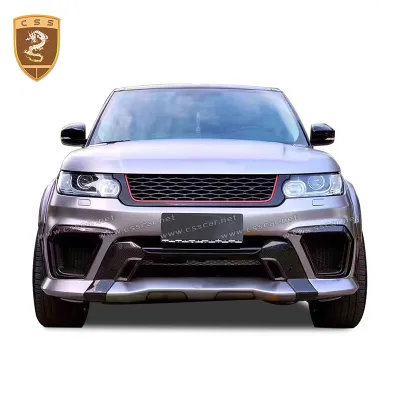


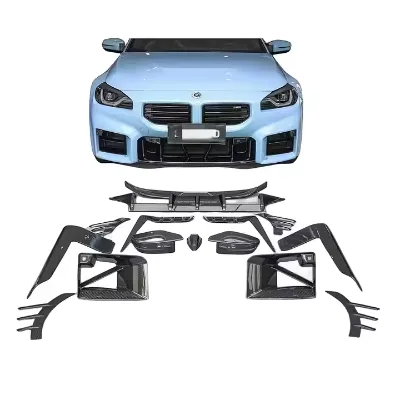
for BMW Carbon Fiber Front Body Kit Carbon Fiber Front Bumper Lip Style
$530.00 - $559.00
MOQ: 1 Pieces


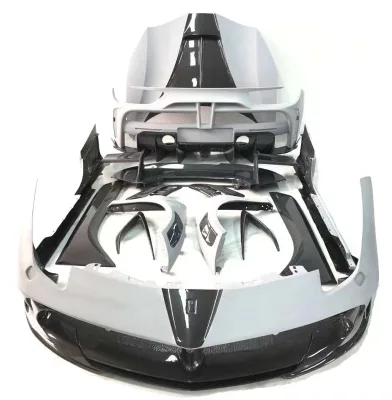
Dry Carbon Fiber Parts G-Class W465 G63 Car Accessories Car Body Kit
$1964.00 - $2049.00
MOQ: 1 Pieces
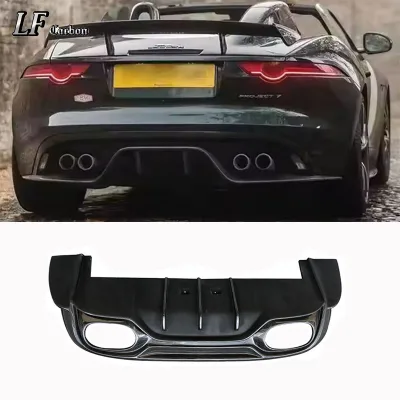
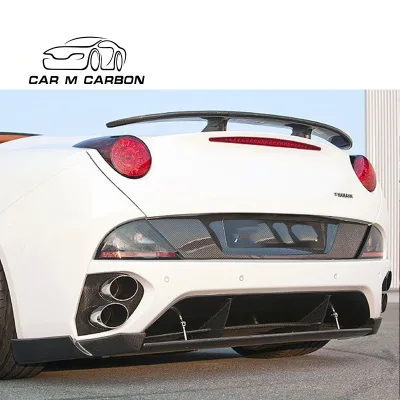
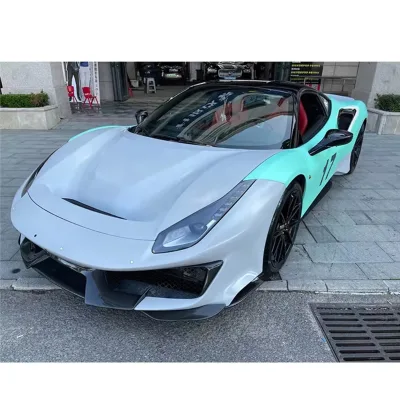
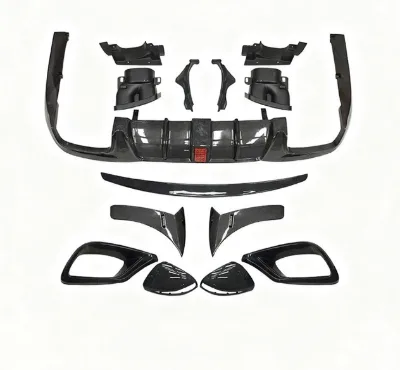
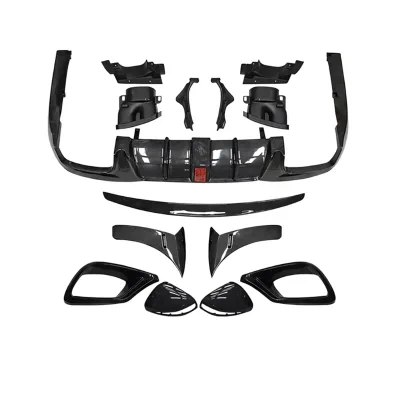
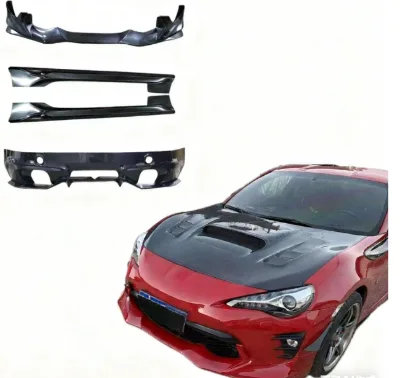


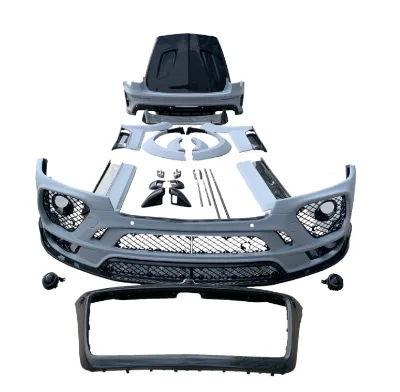
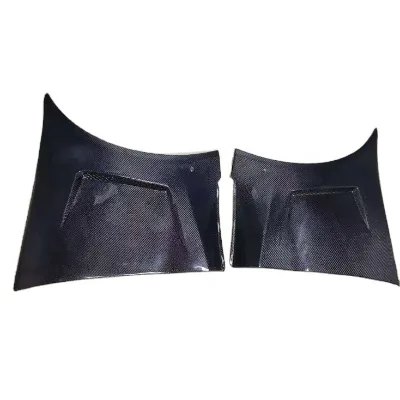
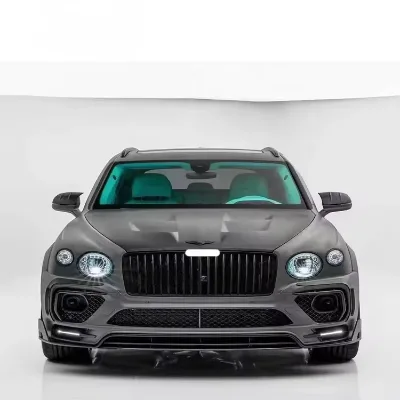

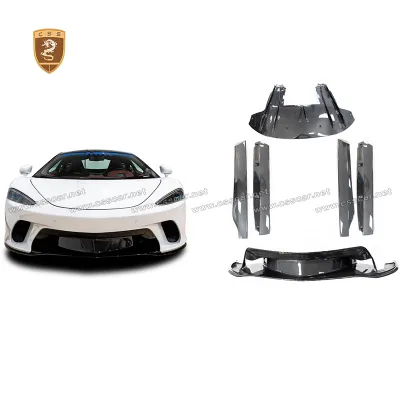
Body Kits for Bentley Bentayga Upgrade to Carbon Fiber and Fiberglass Msy Style Body Kit
$4700.00 - $4800.00
MOQ: 1 Pieces


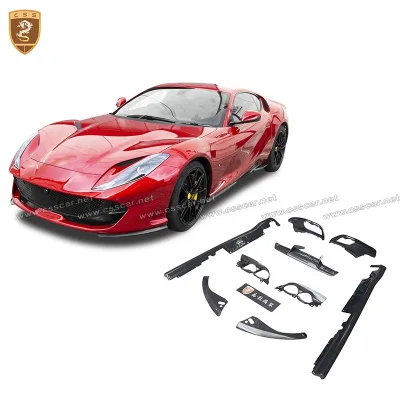
Dry Carbon Fiber Body Kit for Benz Gle Coupe Msy Style Front Lip Side Skirt
$4500.00 - $4596.00
MOQ: 1 Sets

Comprehensive Sourcing Guide
Strategic Sourcing Guide for Carbon Fiber Body Kits with Bolts
Procuring automotive body kits, specifically those constructed from carbon fiber and designed for bolt-on installation, requires a rigorous approach to verify material integrity, fitment precision, and supplier reliability. The market offers a wide array of options ranging from high-performance racing components to aesthetic upgrades for road vehicles. Buyers must navigate a landscape where product attributes vary significantly between listings, even when the core keyword remains identical. This guide outlines the essential technical, logistical, and commercial factors necessary for a successful procurement strategy, ensuring that the final acquisition meets specific vehicle requirements without compromising on safety or structural integrity.
Technical Specifications and Material Composition
The foundation of any successful body kit purchase lies in understanding the specific material composition and dimensional specifications provided by the supplier. In the current market, carbon fiber is a primary material of choice due to its high strength-to-weight ratio, which enhances vehicle performance by reducing overall mass. However, buyers must scrutinize the exact material listing. While some products are advertised as pure carbon fiber, others may utilize a composite approach, such as fiberglass reinforced with carbon fiber layers. This distinction is critical because pure carbon fiber typically offers superior rigidity and a distinct visual finish, whereas fiberglass blends may be more flexible but potentially heavier.
Dimensional accuracy is equally vital. Specifications often list precise measurements, such as 22012065 mm for specific components, or generic terms like "Standard" or "Standerd." Buyers should prioritize listings that provide exact millimeter-level dimensions rather than vague descriptors. The packaging size, often cited as 2189075 cm or similar variations, serves as a proxy for the actual component size and can help logistics planners estimate shipping volume. Furthermore, the attachment method is a key technical differentiator. Most high-quality kits utilize a screw-on or bolt-on system, often including necessary hardware like screws in the package. This ensures a secure fit without the need for welding or permanent modification, aligning with the "Easy Installation" attribute frequently observed in product descriptions.
Fitment Precision and Vehicle Compatibility
One of the most significant risks in sourcing body kits is the assumption of universal fitment. The data indicates that many listings explicitly state "Universal Fitment: No," meaning these components are engineered for specific vehicle platforms. For instance, certain kits are tailored specifically for the GT86/BRZ platform, while others are designed exclusively for the Rover Range Sport. Buyers must verify the "Car Make" and "Model Number" fields against their specific vehicle details. A mismatch in the model number, even by a single character, can render the kit unusable.
The "Fitment" attribute is often described as "Perfect" in high-quality listings, but this claim requires validation. The presence of specific cut-outs, such as those for exhaust systems, indicates that the kit is designed to accommodate existing vehicle features without interference. Buyers should check for "Bumper Cut-Outs" and ensure the "Position" (e.g., Rear Bumper, Body Kit) aligns with the intended installation area. Additionally, the "Year" field, though sometimes listed as generic or "ab," should be cross-referenced with the production year of the vehicle to ensure compatibility with factory mounting points. The "Attachment Type" being Screw-On further confirms that the kit relies on existing bolt holes, minimizing the need for custom fabrication.
Cost Drivers and Pricing Structures
The pricing for carbon fiber body kits varies widely, with observed ranges extending from $100 to $25,000 USD. This vast disparity is driven by several factors, including the complexity of the design, the purity of the carbon fiber used, and the extent of the kit (e.g., a single rear bumper versus a full body overhaul). High-end kits featuring pure carbon fiber with a clear coat finish and precise molding will command a premium price compared to those using fiberglass blends or standard black finishes.
Minimum Order Quantity (MOQ) is another critical cost driver. While some suppliers offer an MOQ of just 1 set, making it accessible for individual buyers, others may require higher volumes. The "Selling Units" are typically listed as "Single item," but the "Supply Ability" of 20 sets per month suggests that production capacity is limited for custom or high-volume orders. Buyers should also consider the "Payment Terms," which often include TT, PayPal, and Western Union. These terms can influence the final cost due to transaction fees and currency exchange rates. Additionally, the "Single Gross Weight" varies significantly, from 5.0 kg to 50.0 kg, directly impacting shipping costs. Heavier kits, often those with wooden frames or dense foam packaging, will incur higher freight charges, which must be factored into the total cost of ownership.
Supplier Evaluation and Logistics Management
Evaluating a supplier involves more than just reviewing product photos; it requires a deep dive into their logistical capabilities and operational transparency. The "Place of Origin" is frequently listed as Guangdong, China, a region known for automotive part manufacturing. However, buyers should verify the "Port of Dispatch," which is often Guangzhou, to understand the shipping route and potential transit times. The "Delivery time" can range from 7-15 days to 15-30 days, depending on the supplier's current workload and the complexity of the order.
Packaging is a crucial indicator of supplier professionalism. High-quality suppliers use robust packaging methods, such as "Safe carton box with bubble inside," "Foam+Carton+Wooden Frame," or simply "Box." The "Packaging size" and "prod_packing" details help buyers assess the risk of damage during transit. For heavy items, a wooden frame is often necessary to prevent crushing. Buyers should also check the "Warranty" terms, which are sometimes listed as 6 months, to ensure protection against manufacturing defects. The "Condition" is typically "New," but verifying this against the "Customization" availability is important; some suppliers offer custom modifications, while others sell standard off-the-shelf items.
Quality Control and Compliance Verification
Quality control in the automotive aftermarket sector is paramount, yet it often lacks standardized external verification. While some background information mentions ISO 9001, this should not be assumed as a guaranteed certification for every product unless explicitly stated in the supplier's documentation. Buyers must request specific test results or quality assurance certificates to confirm that the carbon fiber meets industry standards for tensile strength and durability.
The "prod_standard" field, with dimensions like 160X45X25 cm or 503030 cm, may refer to packaging standards rather than product quality standards. Buyers should clarify whether these dimensions represent the product itself or the shipping crate. Furthermore, the "OE NO." (Original Equipment Number) is often listed as "Body kits," which is a generic descriptor. Buyers should ask for specific part numbers that correspond to the vehicle's factory specifications to ensure the kit is a direct replacement or upgrade. The "Items Included" list, such as "Screws," is a basic quality check; a complete kit should include all necessary hardware for installation, eliminating the need for additional purchases.
Long-Term Procurement Considerations
For buyers planning to source body kits on a recurring basis or for fleet applications, long-term considerations become essential. The "Purpose" of the kit, often described as "for retrofit/upgrade," suggests that the product is intended to enhance or modify existing vehicles. Buyers should evaluate the "Customization" options available, as this can be a differentiator for specialized projects. If the supplier offers customization, they should be able to provide samples or prototypes before committing to a large order.
The "Single volume" of 0 cm³ and "Single gross weight" variations indicate that buyers need to be meticulous about inventory planning. For large orders, the cumulative weight and volume can significantly impact storage and shipping logistics. Buyers should also consider the "Supply Ability" of 20 sets per month; if the demand exceeds this capacity, lead times may extend beyond the standard 7-30 day window. Establishing a relationship with a supplier who can scale production while maintaining quality is crucial for long-term success. Finally, the "Brand Name," such as CSS, can serve as a reference point for reputation, but buyers should always verify the brand's track record through independent reviews or industry references rather than relying solely on the product listing.
Comparative Analysis of Product Attributes
To assist in decision-making, the following table summarizes key attributes observed in the market, highlighting the variations buyers must navigate.
| Attribute | Observation A (Performance Focus) | Observation B (General Upgrade) | Observation C (Heavy Duty) |
|---|---|---|---|
| Material | Carbon Fiber | Fiber Glass + Carbon Fiber | Fiberglass |
| Fitment | Perfect (GT86/BRZ) | Specific (Rover Range Sport) | Universal (No) |
| Weight | 5.0 kg | 22.0 kg | 50.0 kg |
| Delivery | 7-15 Days | 15-30 Days | 15-30 Days |
| Packaging | Bubble + Carton | Foam + Carton + Wood | Box |
| Price Range | High ($25000+) | Mid ($100-$5000) | Variable |
| Warranty | 6 Months | 6 Months | Not Specified |
This comparison underscores the importance of matching the specific product attributes to the buyer's needs. A buyer seeking lightweight performance components should prioritize Observation A, while those needing robust, heavy-duty upgrades might look toward Observation C. The variation in delivery times and packaging methods also highlights the need for careful logistical planning. By rigorously evaluating these attributes against the core requirements of the project, buyers can mitigate risks and ensure a successful procurement outcome.
Conclusion
Sourcing carbon fiber body kits with bolts is a complex process that demands attention to detail across technical specifications, fitment, cost, and supplier reliability. The market offers diverse options, but the variability in material composition, dimensions, and logistical terms requires a disciplined approach. Buyers must verify that the "Car Make" and "Model Number" align perfectly with their vehicles, ensuring that the "Fitment" is indeed "Perfect" and not a generic approximation. Understanding the cost drivers, from material purity to shipping weight, allows for accurate budgeting, while thorough supplier evaluation ensures that the "Delivery time" and "Warranty" terms are met. By adhering to these guidelines and avoiding assumptions about certifications or universal compatibility, buyers can secure high-quality body kits that enhance their vehicles without compromising on safety or performance. The key to success lies in treating product attributes as observations to be verified rather than guarantees, ensuring that every procurement decision is grounded in factual evidence and rigorous due diligence.
FAQs
What material is used for the carbon fiber body kit?
The product uses carbon fiber or a blend of fiberglass and carbon fiber. Buyers should verify the specific material listing as some items are pure carbon fiber while others are composite blends.
Which vehicles are compatible with this body kit?
The kit fits specific models like the GT86/BRZ and Rover Range Sport. Universal fitment is not available, so buyers must match the car make and model number exactly to ensure perfect fitment.
How long is the delivery time for this product?
Delivery times range from 7 to 30 days depending on the supplier. Some listings indicate 7-15 days while others require 15-30 days for production and dispatch from the port of Guangzhou.
Can I order a single set as the minimum quantity?
Yes, the minimum order quantity is 1 set for many listings. This allows individual buyers to purchase a single item without needing to meet higher volume requirements for bulk orders.
What packaging is used to protect the body kit?
Packaging typically includes safe carton boxes with bubble wrap, foam, or wooden frames. The specific method varies, with some using simple boxes while others employ heavy-duty wooden frames for larger items.
How is the body kit attached to the vehicle?
The kit uses a screw-on attachment type with included screws for installation. This method ensures easy installation without welding, relying on existing bolt holes for a secure fit on the specified car models.