Source Mobile Glass Height-Adjustable Whiteboard for Schools, Offices, Training
Explore 30 listings for the mobile glass height-adjustable whiteboard designed for classrooms, meeting rooms, and home use. Buyers can compare features like touch points, resolution, and frame materials to find the right solution for interactive teaching or presentations.
Key considerations
Products List


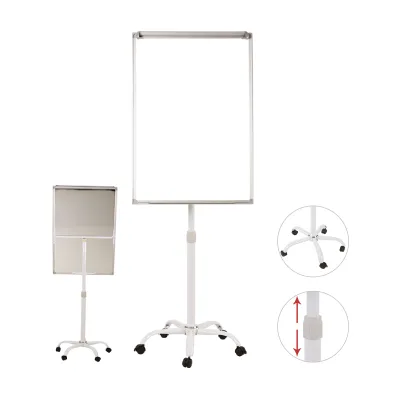
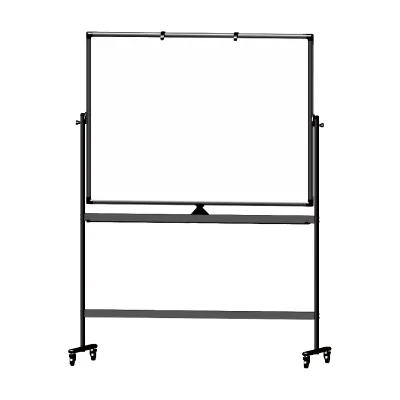
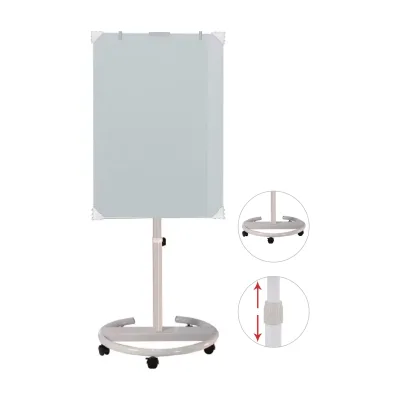


Durable Tempered Glass Whiteboard for Interactive Learning Environments
$215.00 - $1305.00
MOQ: 1 Pieces


Easy Installation Smart Whiteboard Dual OS Whiteboard Android Whiteboard
$399.00 - $1380.00
MOQ: 1 Pieces

Mobile Deployment Solution Dual System Whiteboard Meeting Room Whiteboard Smart Whiteboard
$399.00 - $1380.00
MOQ: 1 Pieces

Flexible Deployment Windows Whiteboard Dual System Whiteboard Meeting Room Whiteboard
$399.00 - $1380.00
MOQ: 1 Pieces

Space Saving Design Touch Screen Whiteboard Android Whiteboard Dual OS Whiteboard
$399.00 - $1380.00
MOQ: 1 Pieces


76 86 Inch 4K Multi Touch Wall Mounted Interactive Smart Screen Whiteboard
$699.00 - $850.00
MOQ: 1 Pieces

65-110 Inch Interactive Whiteboard for Effective Meetings and Presentations
$500.00 - $800.00
MOQ: 5 Pieces


Comprehensive Sourcing Guide
Strategic Sourcing Guide for Mobile Glass Height-Adjustable Whiteboards
Procuring mobile glass height-adjustable whiteboards requires a nuanced understanding of the intersection between interactive technology, structural engineering, and classroom ergonomics. The market offers a diverse array of units ranging from basic mobile stands to advanced interactive systems with integrated operating systems. Buyers must navigate a landscape where product attributes vary significantly, from the material of the frame to the specific resolution of the touch screen. This guide provides a disciplined approach to sourcing these critical educational and corporate assets, focusing on verified specifications, compliance verification, and long-term value assessment.
Technical Specifications and Material Composition
The foundation of a reliable mobile whiteboard lies in its material composition and structural design. In the current market, the frame material is a primary differentiator. While some units utilize steel or generic metal constructions, high-end models often feature an Aluminium Alloy frame, which offers an optimal balance of durability and weight for mobility. The surface material is equally critical; the term "glass board" specifically implies a tempered glass protective layer. This material choice is not merely aesthetic but functional, providing a writing surface that resists ghosting, scratching, and staining over decades of use.
When evaluating technical specifications, buyers must scrutinize the touch technology and display resolution. Advanced units are described as interactive whiteboards with specific touch point capabilities, such as 20-point multi-touch, which facilitates collaborative learning in group settings. The display resolution is a key performance metric, with high-performance models offering 4K/UHD standards (3840x2160) to ensure crisp text and graphics. It is essential to distinguish between standard whiteboards and interactive glass boards. While standard boards may rely on physical markers, interactive glass boards often integrate operating systems, such as Android or Windows 7/10, turning the surface into a computing device.
The mobility aspect is defined by the "Using Type" and installation method. Units designed for mobility often come with a rack or stand, allowing them to be moved between classrooms or meeting rooms. The installation method can vary, offering options for wall mounting or mobile stand usage. Buyers should verify the "Folded" status of the product; while some furniture is designed to be folded for storage, interactive glass boards are typically rigid structures that do not fold, ensuring the integrity of the glass and internal electronics. The "Height Adjustable" attribute is a critical ergonomic feature. However, market data indicates that while some products offer customization, many specific models are listed as "Unadjustable" or fixed in height. Procurement teams must explicitly confirm if the specific model selected allows for vertical adjustment to meet the needs of different age groups, from kindergarten to high school.
Compliance, Certification, and Safety Standards
In the realm of educational technology, safety and compliance are non-negotiable. The use of tempered glass is a standard safety requirement for interactive whiteboards to prevent shattering upon impact. Buyers must verify that the "Protective Layer" is indeed tempered glass, as this is the primary defense against breakage in high-traffic environments. Furthermore, the frame finish plays a role in safety and longevity. A "Powder Coating" finish on the metal or steel frame is a standard industry practice that provides corrosion resistance and a smooth, safe edge for users.
Regarding certifications, while specific test results or certification bodies are not universally listed for every unit, buyers should demand evidence of compliance with relevant international safety standards for electronic equipment and glass products. The "Standard size" and "OEM Option" specifications suggest that manufacturers may produce to specific regional or institutional standards. It is vital to confirm that the product origin, often listed as regions like Zhejiang, China, adheres to the safety regulations of the destination country. This includes electrical safety standards for the integrated operating systems and power supplies, as well as fire safety ratings for the materials used in the frame and backing.
Buyers should also investigate the "Warranty" terms as a proxy for manufacturer confidence. A warranty period of 15 years, as observed in some high-quality listings, indicates a robust build quality and a commitment to long-term support. However, this is an observation of specific high-end models and should not be assumed for all products. The absence of a warranty or a significantly shorter term should trigger a deeper investigation into the product's build quality and the supplier's financial stability.
Cost Drivers and Pricing Structures
The pricing of mobile glass height-adjustable whiteboards is influenced by a complex matrix of factors, including the type of touch technology, the resolution of the display, and the complexity of the integrated operating system. The observed price range in the market is vast, spanning from $0.10 to over $5,600. This disparity reflects the difference between simple mobile whiteboards and fully integrated interactive glass systems.
Several specific cost drivers must be analyzed. First, the "Frame Material" significantly impacts cost; Aluminium Alloy frames are generally more expensive than standard steel or metal alternatives due to material costs and machining complexity. Second, the "Resolution" is a major cost factor. A 4K/UHD interactive board commands a premium over standard definition displays. Third, the inclusion of an operating system, such as Android or Windows, adds software licensing and hardware integration costs.
The "MOQ" (Minimum Order Quantity) is another critical financial consideration. The market shows an MOQ range from 1 to 5,000 units. For buyers requiring a single unit or a small pilot batch, suppliers with an MOQ of 1 are essential. Conversely, large-scale institutional procurement can leverage lower per-unit costs by ordering in bulk, potentially reaching MOQs of 5,000. The "Trade Terms" (CIF, FOB, DDP, EXW) also influence the final landed cost. Buyers must calculate the total cost of ownership, including shipping, insurance, and customs duties, which vary significantly depending on the chosen Incoterm. For example, DDP (Delivered Duty Paid) transfers the risk and cost of logistics to the supplier, while EXW (Ex Works) places the burden entirely on the buyer.
Typical Applications and Usage Scenarios
The versatility of mobile glass whiteboards allows them to serve a wide range of applications, from early childhood education to corporate boardrooms. The "Application" field in product data often specifies "School Student From Kindergarten to High School," indicating a broad educational utility. In these settings, the "Function" is primarily for E-Classroom teaching use, supporting interactive lessons, digital note-taking, and multimedia presentations.
Beyond education, these units are frequently deployed in "Meeting Classroom" and "Home" environments. In corporate settings, the "High Quality Mobile Whiteboard With Angle Adjuster" (if available) allows for flexible presentation angles, enhancing visibility for meeting participants. The "Style" of the product, often described as "Modern," ensures that the equipment blends seamlessly into contemporary office aesthetics. The "Color" options, such as white, are standard for maintaining a clean, professional look.
The "Feature" set also dictates application suitability. Features like "Pen Holder," "Magnetism," and "Frame Optional" add functional value. Magnetism allows for the attachment of physical aids, such as charts or markers, directly to the glass surface. The "Pen Holder" feature ensures that writing instruments are not lost, a practical necessity in busy classrooms. For interactive boards, the "Touch Points" capability is crucial for collaborative brainstorming sessions where multiple users interact with the screen simultaneously.
Supplier Evaluation and Verification
Evaluating a supplier for mobile glass whiteboards requires a rigorous due diligence process. The "Brand Name" and "Product Origin" are starting points for verification. A brand like "hollan" or a manufacturer from "Zhejiang, China" provides a geographical and reputational anchor, but buyers must verify the legitimacy of the brand and the manufacturing facility. The "Customization" attribute is a key indicator of supplier flexibility. Suppliers offering "Customized Service Offered" for logos and dimensions can tailor products to specific institutional branding and spatial requirements.
Buyers should assess the supplier's ability to handle "Trade Terms" effectively. A supplier offering a range of terms (CIF, FOB, DDP, EXW) demonstrates logistical competence and flexibility. The "Packing" method, such as "Carton+Pallet" or "Knock Down," is also a critical evaluation point. Knock-down packing can reduce shipping costs and damage risks, while carton and pallet packing ensures protection during transit. The "Condition" of the product should always be verified as "New" to avoid receiving refurbished or damaged goods.
Furthermore, the "Disassembly" and "Dismounting" capabilities are important for logistics and maintenance. If a product is designed for disassembly, it may be easier to repair or transport. However, for interactive glass boards, the structural integrity of the frame is paramount, and excessive disassembly might compromise the unit. Buyers should request detailed assembly and disassembly guides to ensure that the supplier provides adequate support for installation and future maintenance.
Quality Control and Long-Term Procurement
Quality control in the procurement of interactive glass whiteboards extends beyond the initial purchase. The "Warranty" period is a primary metric for long-term reliability. A 15-year warranty suggests a high level of confidence in the product's durability, but buyers must read the terms carefully to understand what is covered. The "Frame Finished" with "Powder Coating" is a quality indicator that should be verified through visual inspection or sample testing to ensure it meets the required thickness and adhesion standards.
For long-term procurement, the "Standard size" and "OEM Option" specifications offer flexibility for future expansion. If an institution plans to scale its interactive whiteboard deployment, the ability to order OEM units with consistent specifications is vital. The "Model Number" (e.g., BM0049, BM0050, 17050178) serves as a unique identifier for tracking and replacement parts. Buyers should maintain a registry of model numbers to ensure compatibility when ordering accessories or replacement components.
The "Folded" status and "Unfolded" state are also relevant for long-term storage and space management. While interactive boards are typically rigid, understanding the storage requirements is essential for facilities with limited space. Finally, the "Selling Units" (Single item) indicates that the product can be purchased individually, which is beneficial for phased procurement strategies. By focusing on these quality control metrics and long-term considerations, buyers can ensure that their investment in mobile glass height-adjustable whiteboards delivers sustained value and performance.
Comparative Analysis of Product Attributes
To facilitate decision-making, the following table summarizes key attributes observed in the market for mobile glass whiteboards. This comparison highlights the variance in specifications that buyers must navigate.
| Attribute | Observation 1 | Observation 2 | Observation 3 |
|---|---|---|---|
| Material | Wood (Panel) | Aluminium Alloy | Metal / Steel |
| Surface | Tempered Glass | Standard Whiteboard | Glass Board |
| Touch Points | 20 Points | Standard | Not Specified |
| Resolution | 3840x2160 (4K) | Standard | Not Specified |
| Height Adjust | Unadjustable | Adjustable (Implied) | Unadjustable |
| Frame Finish | Powder Coating | Powder Coating | Standard |
| Warranty | 15 Years | Standard | Not Specified |
| Installation | Wall Mounted / Mobile | Mobile Stand | Wall Mounted |
| OS | Android + Win7/10 | None | None |
| Origin | Zhejiang, China | Zhejiang, China | Zhejiang, China |
This table illustrates that while some products share common origins and finishes, the core functional attributes like resolution, touch points, and operating systems vary significantly. Buyers must align these attributes with their specific operational requirements to avoid purchasing under-spec or over-spec equipment. The "Customization" and "OEM Option" fields suggest that buyers can often bridge the gap between standard offerings and specific needs by working with suppliers who offer tailored solutions.
In conclusion, sourcing mobile glass height-adjustable whiteboards requires a meticulous approach to verifying technical specifications, ensuring compliance, and evaluating supplier capabilities. By focusing on the tangible attributes of the product and maintaining a disciplined procurement process, buyers can secure high-quality interactive whiteboards that meet the rigorous demands of modern educational and corporate environments.
FAQs
What frame materials are used for mobile glass whiteboards?
Frames are typically constructed from steel, generic metal, or aluminium alloy. Aluminium alloy offers a balance of durability and weight for mobility, while steel provides robust support. The frame finish often includes powder coating for corrosion resistance and safety.
Can these whiteboards be customized for specific needs?
Yes, customization is available for logos, dimensions, and frame options. Buyers can request OEM options for specific sizes and customized services for branding. The product origin is Zhejiang, China, where manufacturers handle these tailored requests.
How does the height adjustability feature work on these units?
While some products offer height adjustment, many specific models are listed as unadjustable or fixed in height. Buyers must explicitly confirm if the selected model allows vertical adjustment to meet ergonomic needs for different age groups from kindergarten to high school.
What warranty periods are typically offered for these boards?
Warranty periods vary, with some high-quality listings offering up to 15 years. This extended warranty indicates robust build quality and manufacturer confidence. However, shorter terms may apply to other models, so verification of specific terms is essential before purchase.
Which touch capabilities are available on interactive glass boards?
Interactive models support multi-touch capabilities, with some offering up to 20 touch points. These units often feature 4K UHD resolution and integrated operating systems like Android or Windows. They are designed for collaborative learning and E-classroom teaching use.
What are the standard packing methods for shipping these boards?
Packing methods include carton plus pallet or knock-down configurations. Knock-down packing can reduce shipping costs and damage risks, while carton and pallet packing ensures protection during transit. The specific method depends on the model and supplier logistics.