Source Modern Durable Tile Lifter for Floor Installation
Find and compare 30 Modern Durable Tile Lifter options for raised floor and tile installation tasks. These manual tools, available from Chinese suppliers, feature OEM support and varying suction capacities to assist in carrying and positioning heavy materials like marble and glass.
Updated
Key considerations
Products List
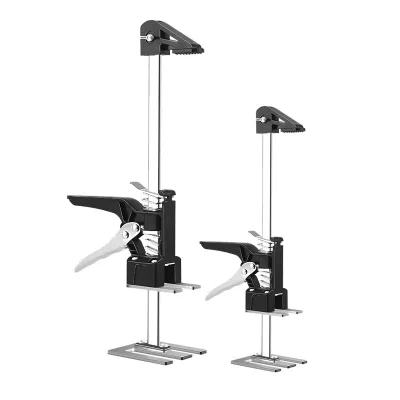


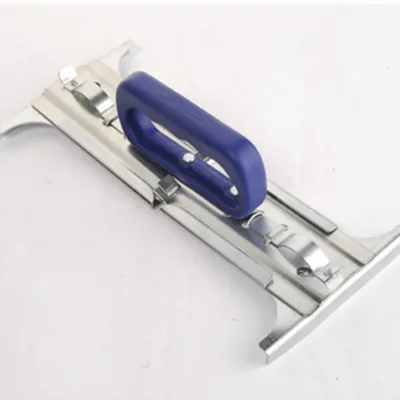
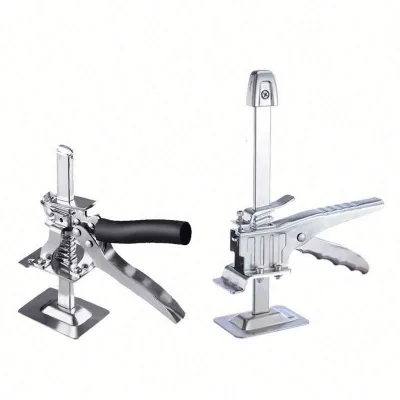


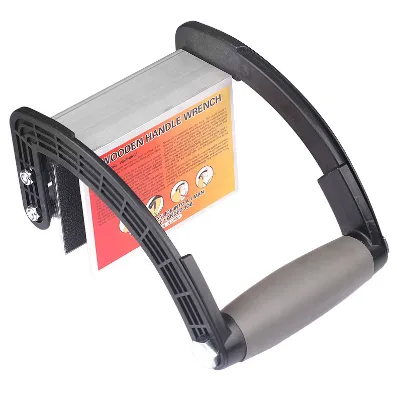




CE Marble Tiles Carry System with Suction Cups Tile Handling Lifter Tools
$1880.00 - $1980.00
MOQ: 1 Sets
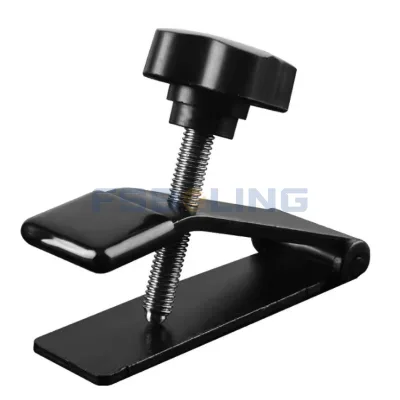
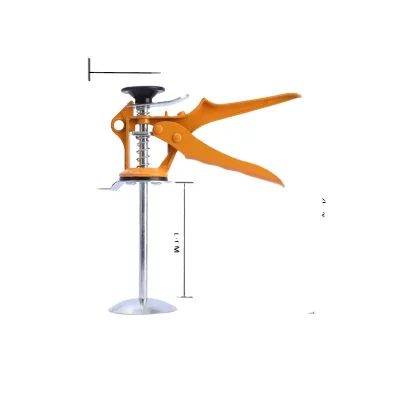
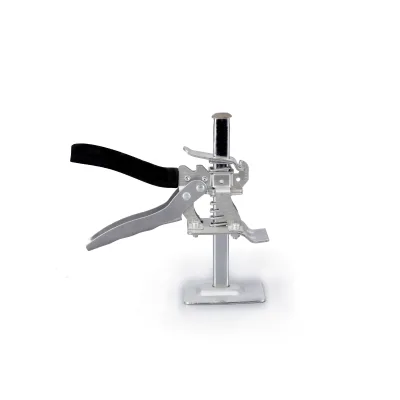
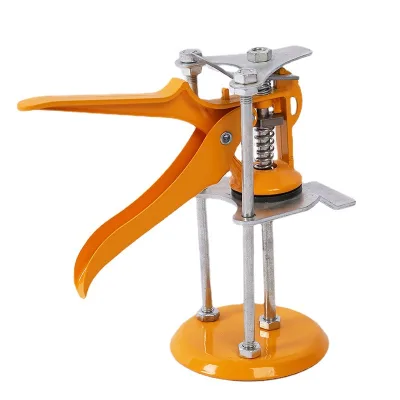
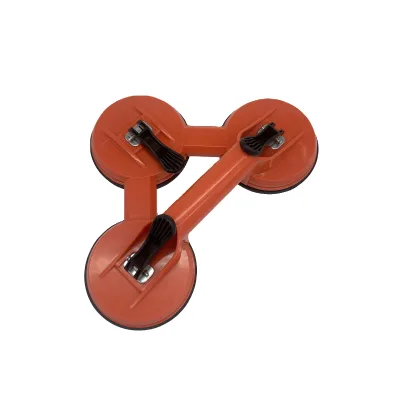
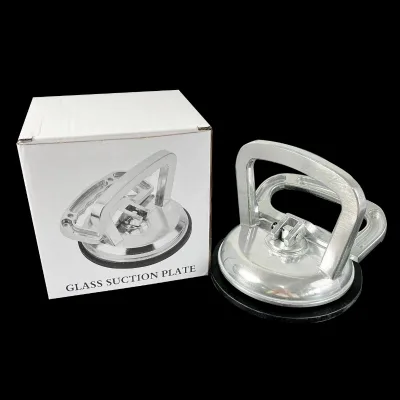
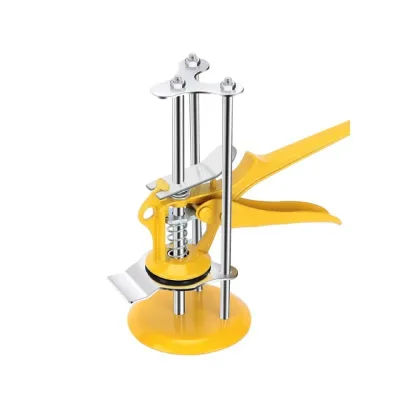
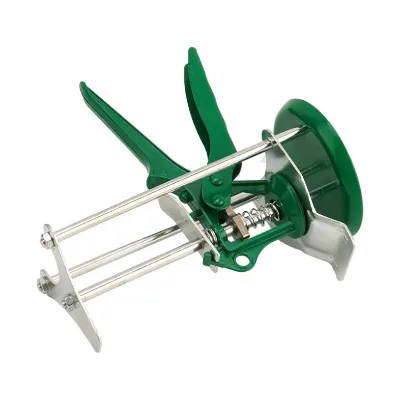
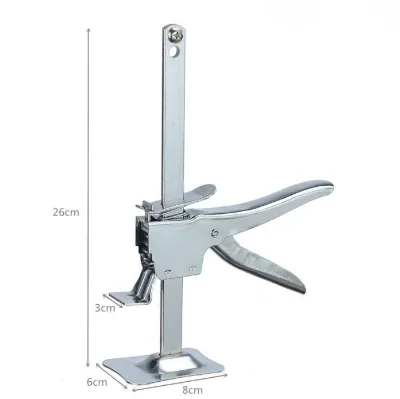
Wall Tile Height Adjuster Handheld Tool Arm Tool Lift Adjustment Lifting Device
$1.00 - $1.60
MOQ: 1000 pieces


800kg Vacuum Lifter for Glass Robot Vacuum Lifters for Tiles Installation Tool
$3999.00 - $5999.00
MOQ: 1 Pieces

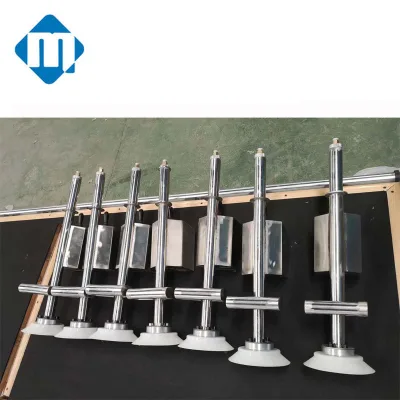
High Quality Marble Glass Lifting Vacuum Lifter for Construction Hoist
$1700.00 - $2020.00
MOQ: 1 Pieces
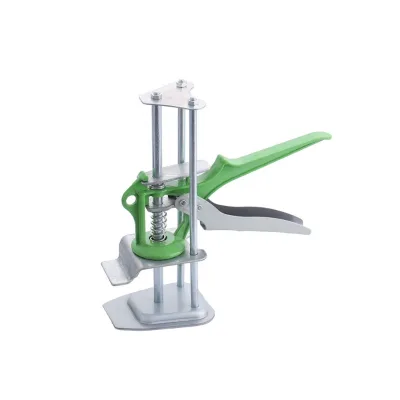
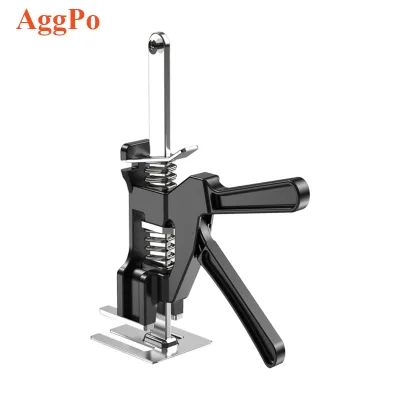

Tile Locator Wall Tile Level Regulator Lifter Adjustable Height Adjuster
$2.50 - $2.70
MOQ: 100 Pieces
Comprehensive Sourcing Guide
Modern Durable Tile Lifter Sourcing Guide
Procurement professionals evaluating modern durable tile lifters must first distinguish between specialized lifting arms and suction cup variants designed for specific tile dimensions. The available market data indicates a clear segmentation where single-cup models support 50kg horizontal loads while double-cup configurations handle up to 100kg, catering to different installation scales. Buyers should verify that the selected unit matches the specific tile size requirements, as the observed listings explicitly support 50cm and 60cm tiles, ensuring compatibility with standard raised floor and tiling projects.
Commercial viability often hinges on the customization capabilities and material composition of the lifting mechanism. Suppliers in the region frequently offer OEM and ODM support, allowing for branding adjustments while maintaining the structural integrity of 65# steel or aluminum alloy components. This flexibility is critical for contractors who require tools that can be branded for their specific workforce while adhering to the rigorous demands of carrying heavy marbles, tiles, and glass without failure during installation.
Product Scope and Observed Listing Signals
The observed product range reveals a distinct focus on DIY and professional raised floor installation applications, with specific models designed for manual operation. Listings indicate that these tools function primarily as labor-saving arm jacks or suction lifters, capable of lifting and removing misplaced tiles with precision. The presence of single and double cup variants suggests a market strategy targeting both light-duty residential repairs and heavy-duty commercial flooring projects, where the horizontal and vertical suction capacities are the primary differentiators.
Buyers must carefully scrutinize the packaging and shipping specifications to ensure the tools arrive in optimal condition for immediate deployment. The data shows that products are typically packed in PVC bags or color boxes, with specific single package dimensions provided for logistics planning. Understanding the supply ability of 40,000 pieces per month helps procurement teams gauge the scalability of potential suppliers, ensuring that large-scale orders can be fulfilled without significant delays or stockouts during peak construction seasons.
Technical Specifications to Verify
When validating technical performance, the suction capacity and physical dimensions of the lifting cups are the most critical verification points for operational safety. Single-cup lifters are observed to have a 12.5cm diameter with a 10cm height, providing 50kg of horizontal suction and 35kg of vertical lift, whereas double-cup models feature an 11cm diameter and 11cm height to achieve 100kg horizontal and 85kg vertical capacities. These specific metrics must be confirmed against the actual weight of the tiles being handled to prevent equipment failure or safety incidents on the job site.
Material composition and structural design directly influence the longevity and durability of the lifting equipment under repeated stress. The available data highlights the use of 65# steel and aluminum alloy, materials selected for their strength-to-weight ratios in manual handling tools. Procurement teams should verify that the specified dimensions, such as the 322617cm package size for certain models, align with the physical constraints of the storage and transport vehicles used by the contracting firm to ensure efficient logistics management.
Compliance and Safety Documentation
Safety documentation for these manual lifting tools often centers on the absence of complex electrical certifications, as the power source is strictly manual. The observed product listings explicitly state a certification status of "no," which implies that the primary safety assurance comes from the mechanical design and the user's adherence to proper handling procedures rather than third-party electrical safety standards. Buyers should request detailed user manuals that outline the safe operating limits for the suction cups to ensure that the 50kg or 100kg load ratings are not exceeded during actual use.
Warranty terms provide a secondary layer of protection for the investment in durable lifting equipment, with observed warranties ranging from one to three years depending on the specific model and supplier. While the products are designed for robust performance in raising floors and installing tiles, the variation in warranty duration suggests that buyers must clarify the specific coverage terms before finalizing a purchase. Understanding the scope of the warranty helps in assessing the supplier's confidence in the product's durability and their commitment to after-sales support for potential defects.
Cost Drivers and Commercial Terms
Pricing for modern durable tile lifters varies significantly based on the complexity of the mechanism, with observed ranges spanning from $0.90 to $5,999 depending on the configuration and order volume. The minimum order quantity (MOQ) typically starts at 100 pieces for standard models, though some listings indicate flexibility down to single items for specific testing or small-scale needs. Procurement managers must balance the unit cost against the total volume required to meet project timelines, considering that higher volumes may unlock better pricing tiers within the observed market range.
Payment terms and shipping logistics play a pivotal role in the overall cost structure and cash flow management for international buyers. Suppliers commonly accept a variety of payment methods including T/T, L/C, PayPal, and Western Union, offering flexibility for different financial arrangements. The port of dispatch is typically Shanghai or Ningbo, which influences the lead time and freight costs; buyers should calculate the total landed cost by factoring in these shipping variables alongside the base product price to ensure accurate budgeting for the procurement cycle.
Supplier Qualification and Quality Control
Supplier qualification should prioritize manufacturers with established production capabilities in regions like Zhejiang and Guangdong, where the supply chain for construction tools is well-developed. The data indicates a high supply ability of 40,000 pieces per month, suggesting that these suppliers have the infrastructure to handle large orders without compromising on quality. Buyers should verify the supplier's history of OEM and ODM support to ensure they can meet specific branding or customization requirements that may be necessary for corporate procurement standards.
Quality control processes must be rigorously defined to ensure that every unit meets the specified suction and material standards before shipment. Since the products are designed for heavy lifting, any deviation in the steel grade or aluminum alloy composition could lead to catastrophic failure during tile installation. Procurement teams should request evidence of internal testing protocols or quality assurance reports that confirm the consistency of the suction cup diameters and the structural integrity of the lifting arms to mitigate the risk of receiving substandard equipment.
Long-Term Procurement Checks
Long-term procurement success relies on establishing a reliable supply chain that can consistently deliver tools with the specified performance characteristics over multiple project cycles. Buyers should monitor the consistency of the warranty terms and the availability of spare parts, as the durability of the 65# steel or aluminum alloy components is essential for maintaining operational efficiency. Regular audits of the supplier's production capacity and quality control measures will help ensure that the tools remain reliable and safe for use in demanding raised floor and tiling environments.
Continuous evaluation of the product's performance in the field is necessary to validate the initial technical specifications and to identify any potential areas for improvement. The observed features, such as the ability to lift 50cm or 60cm tiles and the ease of use, should be regularly assessed against real-world usage data to confirm that the tools continue to meet the needs of the workforce. This feedback loop allows procurement teams to make informed decisions about future orders, ensuring that the selected tile lifters remain a cost-effective and safe solution for ongoing construction and renovation projects.
FAQs
What suction capacity does the double cup lifter provide?
The double cup lifter provides 100kg horizontal suction and 85kg vertical suction. This robust capacity allows for safe handling of heavy tiles and glass panels during installation. The design ensures stability when lifting large format tiles, reducing the risk of slippage or damage to the material surface during precise placement.
Can the single cup lifter handle 60cm tiles?
Yes, the single cup lifter is designed to handle tiles up to 60cm in size. It offers 50kg horizontal suction and 35kg vertical suction, making it suitable for standard tile dimensions. This tool is ideal for DIY users and professional tilers who need a reliable manual solution for carrying and positioning tiles.
What material is used to construct these tile lifters?
These tile lifters are constructed from 65# steel and aluminum alloy components. The durable materials ensure longevity and resistance to wear during repeated use. The single cup lifter features a 12.5cm diameter cup, while the double cup version uses 11cm cups, both optimized for secure grip on smooth tile surfaces.
Is OEM customization available for these lifting tools?
OEM and ODM customization support is available for these lifting tools. Buyers can request specific branding or design modifications to suit their market needs. The manufacturer offers customized support, allowing for tailored solutions while maintaining the core functionality and durability required for professional raised floor and tile installation applications.
What is the minimum order quantity for these products?
The minimum order quantity is 100 pieces for these lifting tools. This MOQ applies to standard orders, ensuring efficient production and shipping processes. Buyers can place orders starting from this quantity, with supply abilities reaching 40,000 pieces per month to meet larger procurement demands from global distributors and contractors.
How are these tile lifters packaged for shipment?
These tile lifters are packaged in PVC bags or color boxes for protection. The packaging details ensure safe transit and prevent damage during handling. Each unit is packed individually, with single package sizes measuring approximately 20x20x10 cm. This method facilitates easy storage and distribution for retailers and wholesale buyers.