Source Modern Luxury Ceramic Dinner Plate for Hotels
Compare 30 listings for Modern Luxury Ceramic Dinner Plate options featuring glazed porcelain and square or round shapes. These customized pieces offer eco-friendly, thermostable designs suitable for daily use in restaurants and hotels; compare the available evidence and request quotations based on your requirements.
Key considerations
Products List


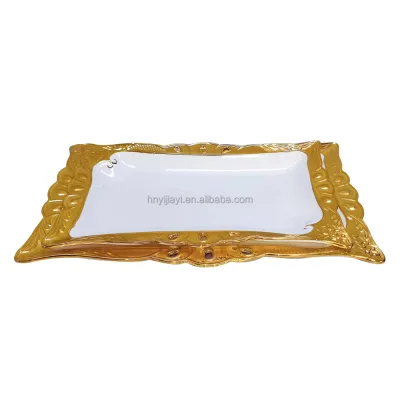


Luxury Ceramic Dinner Plate Round Ceramic Fruit Plate Custom Porcelain Food Plate
$1.00 - $5.00
MOQ: 5000 Sets


Comprehensive Sourcing Guide
Modern Luxury Ceramic Dinner Plate Sourcing Guide
Sourcing high-end ceramic dinnerware requires a nuanced understanding of material integrity, aesthetic consistency, and supply chain reliability. Buyers must distinguish between mass-produced items and true luxury pieces, which often involve specialized glazing techniques and stricter quality tolerances. The market offers a wide spectrum of options, from standard porcelain to handcrafted stoneware, each with distinct implications for durability and visual appeal. Understanding these distinctions is critical for aligning procurement with brand positioning and customer expectations.
This guide focuses on the specific attributes observed in current listings, such as glazed finishes, square and round shapes, and eco-friendly certifications. It provides a framework for evaluating suppliers based on verifiable data points rather than marketing claims. By adhering to structured verification steps, procurement teams can mitigate risks associated with inconsistent quality, non-compliant materials, or unreliable delivery schedules. The goal is to establish a robust sourcing strategy that ensures long-term product performance and brand reputation.
Product Scope and Observed Listing Signals
Current market listings reveal a diverse range of ceramic dinner plates, with models such as FS13927-30/25/20 and JY-44 indicating varied dimensional standards. Observed dimensions include specific metrics like 30193.5cm and 41cm x 2.7cm, alongside standard inch-based sizes ranging from 5.5 to 11.5 inches. These variations suggest that buyers must carefully match product specifications to their existing tableware sets or new collection requirements. The presence of both square and round shapes highlights the importance of verifying geometric consistency, as luxury buyers often prioritize precise symmetry and edge finishing.
Material composition is another critical signal, with listings specifying ceramic, porcelain, and glazed techniques. Attributes such as "Eco-Friendly," "Thermostability," and "Health Care" suggest a focus on sustainable and safe manufacturing processes. However, these claims require validation through third-party testing, as they are not universally guaranteed across all suppliers. The observation of "Ab Grade" materials in some listings further underscores the need for rigorous quality grading, ensuring that only premium-grade ceramics are selected for luxury applications.
Technical Specifications to Verify
Dimensional accuracy is paramount in luxury dinnerware, where even minor deviations can affect stacking, storage, and visual harmony. Buyers should verify that the stated dimensions, such as 10.5" or 12" 14" 16", correspond to actual product measurements rather than nominal sizes. Additionally, the thickness of the plate, often indicated in specifications like 2.7cm, impacts both durability and the perceived weight of the item. Thicker plates may offer greater resilience but can feel cumbersome, while thinner plates require precise manufacturing to avoid breakage during handling and use.
Glazing techniques and surface finishes significantly influence the aesthetic and functional qualities of the plate. Listings mentioning "Glazed" and "Multicolor" options indicate a variety of decorative possibilities, but buyers must ensure that the glaze is food-safe and resistant to chipping or fading. The "Handmade" attribute suggests artisanal quality, which often comes with natural variations that may not suit brands seeking uniformity. Therefore, verifying the consistency of glaze application and color matching across batches is essential for maintaining a cohesive luxury image.
Compliance and Safety Documentation
Certifications such as CE/EU, FDA, and SGS are frequently cited in listings, indicating adherence to international safety and quality standards. These certifications are crucial for ensuring that the ceramic materials do not leach harmful substances into food, particularly when used for hot or acidic dishes. Buyers must request valid certification documents from suppliers and verify their authenticity through the issuing bodies. Relying solely on supplier assertions without documented proof can expose the brand to regulatory risks and consumer safety concerns.
In addition to material safety, environmental compliance is increasingly important for luxury brands committed to sustainability. Attributes like "Eco-Friendly" and "Customized" suggest that suppliers may offer options for reduced environmental impact, such as lead-free glazes or energy-efficient production methods. Buyers should inquire about the specific environmental practices employed by the supplier, including waste management and resource usage. Verifying these practices through audits or third-party assessments can enhance the brand's credibility and appeal to environmentally conscious consumers.
Cost Drivers and Commercial Terms
Pricing in the ceramic dinnerware market varies widely, with observed ranges from $0.25 to $10,000, reflecting differences in material quality, design complexity, and order volume. Minimum Order Quantities (MOQs) typically range from 20 to 5000 units, allowing for flexibility in procurement strategies. Buyers should consider the trade-off between lower unit costs associated with higher volumes and the inventory holding costs of large orders. Understanding the cost structure helps in negotiating favorable terms and aligning procurement with cash flow requirements.
Payment terms and packaging options also influence the total cost of ownership. Listings indicate various payment methods, including PayPal, Western Union, and 100% TT, as well as packaging options like Brown Box, Color Box, and Standard Export Carton. These choices affect both the upfront cost and the logistics expenses. Buyers should evaluate the total landed cost, including shipping, insurance, and potential customs duties, to make informed decisions. Clear communication of commercial terms with suppliers ensures transparency and reduces the risk of unexpected expenses.
Supplier Qualification and Quality Control
Supplier location and manufacturing capabilities are key indicators of reliability, with origins such as Chazhou Guangdong and Zibo Shandong being prominent in the ceramic industry. These regions are known for their expertise in porcelain and ceramic production, offering access to skilled labor and advanced manufacturing technologies. Buyers should assess the supplier's production capacity, quality control processes, and ability to meet customization requests. Visiting the factory or conducting virtual audits can provide valuable insights into the supplier's operational standards.
Quality control measures, such as pre-shipment inspections and sample approvals, are essential for maintaining product consistency. Buyers should establish clear quality criteria and communicate them effectively to the supplier. Implementing a robust inspection protocol, including checks for dimensional accuracy, glaze quality, and packaging integrity, helps prevent defects from reaching the customer. Regular feedback loops with the supplier can also drive continuous improvement and strengthen the partnership over time.
Long-Term Procurement Checks
Building a sustainable supply chain requires ongoing monitoring and evaluation of supplier performance. Buyers should track key performance indicators such as on-time delivery, defect rates, and responsiveness to issues. Regular reviews of supplier capabilities and market trends can help identify potential risks and opportunities for optimization. Maintaining open communication with suppliers fosters trust and collaboration, enabling both parties to adapt to changing market conditions and customer demands.
Additionally, buyers should stay informed about regulatory changes and industry standards that may impact product compliance and sourcing strategies. Engaging with industry associations and participating in trade shows can provide valuable networking opportunities and insights into emerging technologies. By proactively managing supplier relationships and staying ahead of industry developments, buyers can ensure the long-term success and competitiveness of their luxury ceramic dinnerware offerings.
FAQs
What materials are used in modern luxury ceramic dinner plates?
These plates are made from ceramic and porcelain raw materials with a glazed finish. Porcelain offers a smooth, durable surface suitable for daily use, while glazing provides thermostability and discoloring resistance. Buyers can confirm material grade, such as AB grade, and surface treatment with individual suppliers before ordering.
Which certifications should ceramic dinner plate suppliers hold?
Certifications commonly listed for these plates include CE/EU, FDA, CIQ, and SGS. These indicate compliance with food-contact and quality requirements in major markets. Since certification coverage varies by supplier and product line, request the specific certificates matching your destination market before confirming an order.
Can modern luxury ceramic dinner plates be customized?
Yes, customization is available. Listings show customized shapes, custom sizes, multicolor options, and handmade or glazed techniques. Many suppliers also offer packaging choices such as brown box, bulk packing, or color box packing. Provide your artwork, dimensions, and packing requirements early so suppliers can quote accurately.
What sizes and shapes are available for ceramic dinner plates?
Available specifications include round and square plates, with sizes ranging from 5.5 inch to 11.5 inch, plus large formats such as 41cm and sets in 7 to 16 inch sizes. Model lines like FS13924, RY1013, and TMC series cover multiple diameters, so confirm exact dimensions per model when requesting quotations.
How do suppliers pack and ship ceramic dinner plates?
Typical packing options include brown box, standard export carton, bulk packing, and color box packing. Export cartons are standard for protecting glazed porcelain during transit. Confirm carton dimensions, inner protection, and whether packing method affects unit pricing, since color box or retail-ready packing usually differs from bulk packing.
What is the typical MOQ for luxury ceramic dinner plates?
Observed MOQs in this category range from 20 to 5000 pieces, depending on model, size, and customization level. Simple stock models in standard sizes usually carry lower minimums, while fully customized or handmade plates require higher volumes. Always confirm the MOQ for your specific model, finish, and packing combination.
Where are these ceramic dinner plates produced?
Listings point to production in China, including Chaozhou in Guangdong and Zibo in Shandong, both established ceramic manufacturing regions. Location affects logistics, tooling access, and lead times. When shortlisting suppliers, compare regions and request production capacity details alongside your specification and certification requirements.
Which payment terms do ceramic dinner plate suppliers accept?
Commonly listed payment terms include Paypal, Western Union, and 100% TT in advance. Terms can vary by order size, customization level, and supplier policy, so negotiate directly during quotation. For larger customized orders, clarify deposit and balance arrangements before production begins to avoid disputes later.