Source Modular Wall Formwork Steel Shuttering for Building
Compare 30 listings for Modular Wall Formwork Steel Shuttering designed for column, wall, and core tube construction. Buyers can evaluate specifications like steel frame models, surface treatments, and lateral pressure ratings from verified Chinese manufacturers; compare the available evidence and request quotations based on your requirements.
Key considerations
Products List


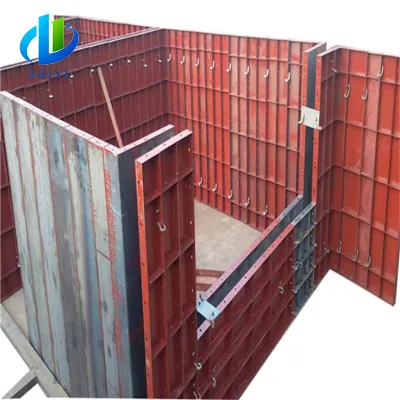


Easy and Efficient Modular Construction Steel Shuttering for Wall Slab Stair Concrete Formwork
$225.00 - $230.00
MOQ: 200 Square Meters


Seamless Steel Panel Formwork of Wall Concrete Shuttering with Accessories
$5.00 - $10.00
MOQ: 200 Bags

Steel Panel Formwork Wall Steel Formwork System Metal Concrete Formwork
$140.00 - $180.00
MOQ: 3999 Pieces


Metal Concrete Formwork Steel Wall Formwork Steel Column Formwork for Concrete Construction
$80.00 - $120.00
MOQ: 500 Square Meters

$10.00
MOQ: 200 Pieces

Advanced Modular Steel Shuttering Solutions for Construction Projects
$89.00 - $139.00
MOQ: 100 Square Meters


Comprehensive Sourcing Guide
Modular Wall Formwork Steel Shuttering Sourcing Guide
Procuring Modular Wall Formwork Steel Shuttering requires a strategic approach that balances structural integrity with rapid assembly capabilities. Buyers must prioritize systems that offer high strength and modular structures, ensuring that the formwork can withstand the lateral pressure of wet concrete while maintaining dimensional accuracy. The observed market signals indicate a strong emphasis on quick assembly features, which directly impacts project timelines and labor costs. Understanding these core performance attributes is essential for selecting a system that minimizes downtime and maximizes efficiency on complex construction sites.
The versatility of steel frame formwork allows for application in various structural elements, including columns, walls, and core tubes. Sourcing guides should highlight the adaptability of these systems to different building types, from office buildings to hotels. Buyers should verify that the chosen shuttering supports repeated turnover, as this durability is a key indicator of long-term value. By focusing on systems designed for concrete pouring applications, procurement teams can ensure that the equipment meets the rigorous demands of modern construction projects without compromising on safety or quality.
Product Scope and Observed Listing Signals
The current market landscape for Modular Wall Formwork Steel Shuttering reveals a diverse range of product models and configurations. Listings frequently highlight customization options, allowing buyers to tailor dimensions and specifications to specific project requirements. Common product models include steel frame formwork and alloy steel variants, with lengths ranging from 300 to 3000mm and widths up to 2400mm. This variability enables precise fitting for different wall heights and column sizes, ensuring that the formwork integrates seamlessly into the overall structural design. Buyers should look for suppliers who offer standardized packages alongside custom solutions to accommodate both routine and unique construction needs.
Color coding and surface treatment are significant visual indicators of product quality and maintenance status. Observed listings often feature blue or red finishes, with paint spraying or painted surfaces providing corrosion resistance and ease of identification on site. The material composition is predominantly steel, with specific grades like Q235 and Q355 being common choices for their balance of strength and cost-effectiveness. These material choices directly influence the formwork's ability to bear maximum lateral pressure, which is critical for column and wall construction. Buyers should verify that the surface treatment is consistent and durable to prevent rust and extend the usable life of the shuttering.
Technical Specifications to Verify
When evaluating technical specifications, buyers must focus on the stiffness and load-bearing capacity of the steel frame formwork. The system should demonstrate high stiffness to prevent deflection under the weight of wet concrete, ensuring smooth surface finishes on the cured structure. Verification of the maximum lateral pressure the formwork can withstand is crucial, particularly for column applications where pressure concentrations are higher. Buyers should request detailed engineering data that confirms the structural integrity of the modular components, including the thickness of the steel plates and the robustness of the connecting mechanisms.
Dimensional accuracy and modularity are key technical factors that influence assembly speed and final product quality. The formwork should allow for easy adjustment and reconfiguration to suit different wall and column dimensions. Buyers should verify that the modular components fit together tightly to prevent grout leakage, which can compromise the structural integrity of the concrete. Additionally, the reusable nature of the formwork, often cited as more than 300 times, should be supported by evidence of material durability. Ensuring that the thickness and design meet the specific design requirements of the project is essential for achieving the desired structural performance.
Compliance and Safety Documentation
Compliance with international standards is a non-negotiable aspect of sourcing Modular Wall Formwork Steel Shuttering. Buyers should verify that suppliers hold relevant certifications, such as ISO9001, which attest to the quality management systems in place during manufacturing. These certifications provide assurance that the production processes are consistent and that the final products meet defined quality criteria. Additionally, CE certification may be required for projects in certain regions, indicating conformity with health, safety, and environmental protection standards. Buyers must ensure that all documentation is up-to-date and valid for the specific models being procured.
Safety documentation should also include detailed instructions for assembly, use, and maintenance of the formwork. Proper handling procedures are essential to prevent accidents on site and to ensure the longevity of the equipment. Buyers should request technical manuals that outline the correct loading limits and assembly sequences for different wall and column configurations. These documents serve as critical references for site engineers and construction workers, helping to mitigate risks associated with improper use. Ensuring that the supplier provides comprehensive safety guidelines is a vital step in maintaining a safe working environment.
Cost Drivers and Commercial Terms
Cost drivers for Modular Wall Formwork Steel Shuttering include material costs, manufacturing complexity, and customization requirements. The use of high-grade steel alloys like Q235 and Q355 influences the base price, while custom dimensions and specialized surface treatments add to the overall cost. Buyers should analyze the total cost of ownership, considering factors such as reuse potential and maintenance requirements. Systems that offer high reuse rates can provide significant savings over the lifecycle of a project, offsetting higher initial purchase prices. Understanding these cost dynamics helps in making informed procurement decisions that align with budget constraints.
Commercial terms such as minimum order quantities (MOQ) and packaging methods also impact the overall procurement strategy. MOQs can range widely, allowing for flexibility in order sizes depending on project scale. Packaging is typically designed for efficient transport, with options including standard packages, containers, or pallets. Buyers should negotiate terms that align with their logistical capabilities and project timelines. Clear communication regarding delivery schedules and payment terms is essential to avoid disruptions. Evaluating these commercial aspects alongside technical specifications ensures a balanced approach to sourcing.
Supplier Qualification and Quality Control
Supplier qualification involves assessing the manufacturer's production capabilities and quality control processes. Buyers should verify the supplier's origin, with many reputable manufacturers located in industrial hubs like Jiangsu, Yancheng, and Changsha in China. These regions are known for their expertise in steel fabrication and formwork manufacturing. Evaluating the supplier's track record and client references can provide insights into their reliability and consistency. Buyers should prioritize suppliers who demonstrate a commitment to quality through rigorous testing and inspection procedures.
Quality control measures should include regular inspections of raw materials, production processes, and finished products. Buyers should request evidence of these controls, such as inspection reports or third-party audit results. Ensuring that the supplier adheres to standardized production processes helps maintain consistency across batches. Additionally, buyers should verify that the supplier offers after-sales support and technical assistance. This support is crucial for addressing any issues that may arise during the use of the formwork. A qualified supplier with robust quality control systems is essential for ensuring project success.
Long-Term Procurement Checks
Long-term procurement checks focus on the sustainability and adaptability of the Modular Wall Formwork Steel Shuttering system. Buyers should assess the supplier's ability to provide ongoing support and spare parts, ensuring that the formwork remains operational throughout its lifecycle. Regular maintenance and inspection schedules should be established to identify and address wear and tear promptly. This proactive approach helps extend the useful life of the formwork and maintains its performance standards. Buyers should also consider the environmental impact of the materials and processes used.
Adaptability to future project requirements is another critical factor in long-term procurement. Buyers should evaluate the flexibility of the formwork system to accommodate changes in design or construction methods. Modular components that can be easily reconfigured or expanded offer greater value over time. Additionally, staying informed about industry trends and technological advancements can help buyers make informed decisions about upgrades or replacements. By focusing on these long-term aspects, procurement teams can ensure that their investment in Modular Wall Formwork Steel Shuttering delivers sustained value and supports successful project outcomes.
FAQs
What materials are used for this steel frame formwork?
The product is constructed from Q235 and Q355 steel materials to ensure durability. This high-strength composition supports repeated turnover more than 300 times while maintaining structural integrity during concrete pouring operations for various construction projects.
Can the formwork be customized for specific project needs?
Yes, customization is available for dimensions, colors, and surface treatments like paint spraying. Buyers can select from blue, red, or custom colors, and the standard or customized models allow for tailored specifications to meet unique construction requirements effectively.
How long does the assembly process typically take?
The system features a quick assemble design that significantly reduces on-site installation time. Its modular structure and high stiffness allow for efficient handling, making it ideal for rapid construction cycles in wall and column applications without complex setup procedures.
What certifications do these steel formwork products hold?
The products comply with ISO9001 and CE certification standards to ensure quality and safety. These certifications verify that the manufacturing processes meet international requirements for construction materials, providing assurance for buyers sourcing reliable formwork solutions for their building projects.
Where are these steel frame formworks manufactured?
These products originate from various locations in China, including Jiangsu, Yancheng, and Changsha. The manufacturing facilities produce standardized and customized units, ensuring consistent quality and availability for international buyers seeking reliable steel formwork solutions for their construction needs.
What is the maximum lateral pressure the formwork can bear?
The formwork is designed to withstand a maximum lateral pressure of 60 kN per meter for column applications. This high strength capability ensures safety and stability during concrete pouring, making it suitable for demanding structural requirements in modern building construction projects.