Source Moisture Proof Aseptic Bag for Food, Medical, and Juice
Compare 24 Moisture Proof Aseptic Bag options from verified suppliers. These bags feature heat sealing, high abrasion resistance, and are suitable for food, medical, and industrial applications with dimensions ranging from 235mm to 600mm; compare the available evidence and request quotations based on your requirements.
Key considerations
Products List


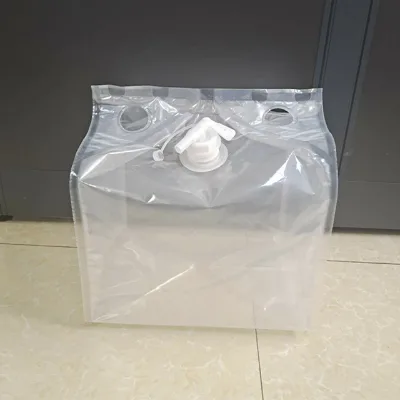
1000L Plastic Foldable Tote / Aseptic Bag in Box Container/Liner IBC Bag
$420.00 - $466.00
MOQ: 1 Pieces


$73000.00 - $279000.00
MOQ: 1 Sets

Standard Ocean Packing 1 Year Aluminum-Plastic Composite Bag Aseptic Filling
$20000.00 - $45000.00
MOQ: 1 Sets

Reliable Quality Factory and Trading Combo Coffee Aseptic Bag Filling
$20000.00 - $150000.00
MOQ: 1 Sets

Extra High Barrier Bag in Box Plastic Aseptic Bag with Butterfly Valve
$0.02 - $0.90
MOQ: 10000 Pieces


Food Grade Plastic Aseptic Bags, Non-Aseptic Bags in Box of 200L/220 Liters
$2.00 - $3.50
MOQ: 1000 Pieces

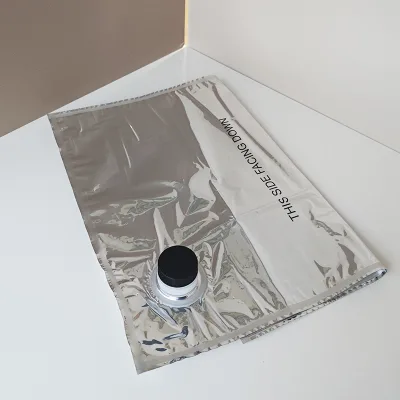
20liters/5gallon Aluminized/Transparent Aseptic Bags in Box for Packaging Food/Liquid
$0.50 - $0.60
MOQ: 10000 Pieces

Comprehensive Sourcing Guide
Moisture Proof Aseptic Bag Sourcing Guide
Procuring moisture-proof aseptic bags requires a clear understanding of the specific material structures that prevent liquid ingress while maintaining sterility. The observed market data indicates that effective solutions often utilize composite structures such as PA/PE+PE or PE/VMPET/PE, which combine the barrier properties of metalized layers with the flexibility of polyethylene. Buyers must verify that the selected bag structure explicitly supports the intended storage temperature range, typically spanning from -20 to +80 degrees Celsius, to ensure integrity during both freezing and thermal processing.
The application scope for these bags extends beyond simple food storage to include industrial uses and non-dangerous chemical transport. Evidence suggests that these products are frequently designed for vegetable juice, concentrates, and general food packaging where sanitary requirements like irradiation are necessary. When sourcing, it is critical to confirm that the bag variety, whether a straight bag or a specialized shape, aligns with the specific filling equipment and the physical demands of the product being packaged, such as high abrasion resistance for transport scenarios.
Product Scope and Observed Listing Signals
Buyers should expect a wide variance in product dimensions and customization options when evaluating available listings. The observed data reveals standard dimensions ranging from compact sizes like 260 by 220 millimeters to larger formats such as 600 by 460 millimeters, with some models offering custom specifications to fit unique container needs. This variability necessitates a careful review of the product model numbers, such as HJI-BIB Bag 0229 or HJI-Aseptic bag -0069, to ensure the physical footprint matches the intended packaging line and storage constraints.
Commercial listings often highlight specific features like flat bottom options, cross-corner loops, and heat-sealing capabilities that define the functional utility of the bag. The presence of a 1-inch spout and unlined interiors suggests designs optimized for direct filling and sealing processes without additional liner requirements. Procurement teams must distinguish between standard offerings and custom variations, noting that while some bags are described as disposable or bio-degradable, others prioritize durability and high abrasion resistance for industrial logistics.
Technical Specifications to Verify
Technical verification must begin with the sealing method, as the integrity of the moisture barrier relies heavily on the heat-sealing process using materials like LLDPE. Buyers need to confirm that the sealing mechanism is compatible with the bag's laminated structure, which often includes a functional VMPET layer to enhance barrier properties against moisture and oxygen. The hardness of the material, typically described as soft, must be balanced against the need for structural rigidity during filling, ensuring the bag does not collapse or leak under the weight of the contents.
Dimensional accuracy and structural components are equally critical for operational success. Specifications such as the 1025 mm spout location and specific bag dimensions like 340 by 235 millimeters must be validated against the filling machinery's tolerances. Additionally, the presence of a neck band and valve structure in certain models indicates a design intended for complex filling operations. Buyers should request detailed technical drawings to verify that the composite bag making process results in a consistent product that meets the required aseptic quality warranty of 36 months.
Compliance and Safety Documentation
Safety and compliance documentation is paramount when sourcing bags for food, pharmaceutical, and cosmetic applications. The supply chain must provide evidence of certifications such as SGS, BRC, and ISO9001, which validate that the manufacturing processes adhere to international quality and safety standards. These documents serve as proof that the raw materials, including high-pressure polyethylene, have been processed in a sanitary environment suitable for direct food contact and potential irradiation treatments.
Regulatory adherence extends to the specific sanitary requirements of the target market, particularly regarding the use of aseptic bags for medical and food packaging. Buyers must ensure that the supplier can demonstrate compliance with local regulations concerning non-dangerous chemicals and agricultural products. The documentation should explicitly state the bag's suitability for its intended industrial use, confirming that the material structure does not leach harmful substances and that the final product meets the necessary hygiene protocols for long-term storage.
Cost Drivers and Commercial Terms
Cost structures for moisture-proof aseptic bags are heavily influenced by the complexity of the material structure and the level of customization required. The use of multi-layer laminates like PE/VMPET/PE generally commands a higher price point compared to single-layer polyethylene options due to the added barrier performance and manufacturing steps involved. Buyers should anticipate that custom shapes, specialized spout locations, and specific sealing methods will increase the unit cost, necessitating a clear definition of requirements before requesting quotes.
Commercial terms often include significant variations in minimum order quantities and lead times, which can impact the total cost of ownership. Observed data indicates MOQs ranging from 1 to 20,000 units, allowing flexibility for both trial runs and large-scale industrial procurement. The packaging method, typically carton boxes, and the origin of the goods, such as Tianjin, also factor into logistics costs. Procurement teams must negotiate terms that balance the unit price with the volume commitments and delivery schedules to optimize cash flow and inventory management.
Supplier Qualification and Quality Control
Supplier qualification should focus on the manufacturer's ability to maintain consistent quality over the stated 36-month warranty period. Buyers must assess the supplier's production capabilities, specifically their expertise in composite packaging bag processes and their capacity to handle the specific technical requirements of aseptic sealing. A robust quality control system is essential to ensure that every batch meets the specified standards, including the correct material structure and dimensional accuracy.
Quality control protocols should include rigorous testing for abrasion resistance and sealing integrity, as these are critical for preventing leaks during transport and storage. Suppliers should be able to provide test results that verify the bag's performance under the specified temperature range of -20 to +80 degrees Celsius. It is advisable to conduct on-site audits or request third-party inspection reports to confirm that the supplier's facilities adhere to the claimed certifications and that their production lines are capable of delivering the required volume without compromising quality.
Long-Term Procurement Checks
Long-term procurement success depends on establishing a reliable supply chain that can adapt to changing market demands and regulatory updates. Buyers should implement a periodic review process to verify that the supplier continues to meet the original specifications and maintains the necessary certifications. This includes monitoring any changes in raw material sourcing, such as the availability of high-pressure polyethylene, which could impact the final product's performance and cost.
Continuous communication with the supplier is vital to address any potential issues regarding the bag's performance in real-world applications. Buyers should track the bag's behavior during filling and storage, looking for signs of degradation or failure that might indicate a need for specification adjustments. Establishing a feedback loop ensures that the supplier remains responsive to quality concerns and can provide timely solutions, thereby securing a stable supply of moisture-proof aseptic bags for ongoing operations.
FAQs
What materials are used in moisture proof aseptic bags?
These bags typically utilize laminated structures such as PA/PE+PE or PE/VMPET/PE to ensure durability and moisture resistance. The primary raw material is high-pressure polyethylene plastic, which provides a reliable barrier against external elements. Some variants also incorporate VMPET functional layers to enhance protection for food and industrial applications while maintaining structural integrity.
Can these bags be customized for specific dimensions?
Yes, customization is available for various bag sizes and shapes. Standard specifications include dimensions like 260 by 220 mm or 600 by 460 mm, with options for straight or special bag shapes. Buyers can request specific dimensions to fit their packaging machinery, ensuring a precise fit for vegetable, fruit, or liquid food products during transport and storage.
What certifications do these aseptic bags hold?
Manufacturers often provide SGS, BRC, and ISO9001 certifications to ensure quality and safety standards are met. These credentials verify that the packaging materials are suitable for food, industrial, and non-dangerous chemical applications. The bags are designed to meet sanitary requirements, including irradiation, ensuring they are safe for direct contact with consumable goods like juices and concentrates.
How are the bags sealed and handled?
The bags primarily use heat sealing methods, often with LLDPE layers, to create a secure and airtight closure. They feature flat bottom options and cross corner loops for stability and easy handling. The sealing process ensures the integrity of the composite packaging bag, preventing leaks and maintaining the freshness of contents such as food, medical supplies, or cosmetic products during shipping.
What is the temperature range for these bags?
These aseptic bags are designed to withstand temperatures ranging from negative twenty degrees to plus eighty degrees Celsius. This wide thermal tolerance makes them suitable for various storage and transport conditions, including frozen or chilled environments. The composite structure ensures that the bag remains intact and functional, protecting the contents from temperature-related damage throughout the supply chain.