Source Moisture Proof Freeze-dried Food Bag for Snacks, Coffee, and Herbs
Compare 30 Moisture Proof Freeze-dried Food Bag options from verified manufacturers. These customized, heat-sealed pouches offer waterproof protection and bio-degradable features for diverse industrial uses including food, agriculture, and pharmaceuticals; compare the available evidence and request quotations based on your requirements.
Key considerations
Products List


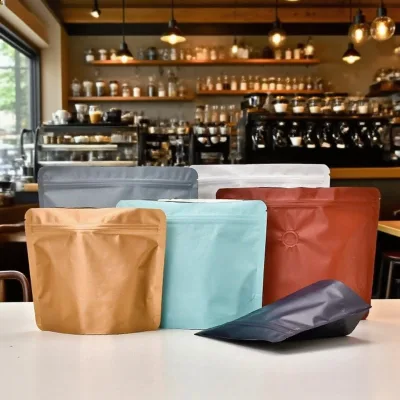
Printed Zipper Laminated Stand up Bags For Frozen Food Dried Fruit Bag
$0.02 - $0.90
MOQ: 10000 Pieces




Comprehensive Sourcing Guide
Moisture Proof Freeze-dried Food Bag Sourcing Guide
Sourcing high-performance packaging for freeze-dried products requires a strategic focus on barrier integrity and structural durability. The core challenge lies in selecting materials that prevent moisture ingress while maintaining the crisp texture of the final product. Buyers must prioritize bags that offer robust sealing capabilities to ensure long-term shelf stability. This guide outlines the essential technical, commercial, and compliance factors necessary for successful procurement.
The following sections provide a structured approach to evaluating suppliers and specifications. By understanding the interplay between material composition, certification requirements, and commercial terms, procurement teams can mitigate risks associated with product spoilage and supply chain disruptions. This document serves as a comprehensive reference for making informed decisions in the competitive packaging market.
Product Scope and Observed Listing Signals
The market for moisture-proof freeze-dried food bags encompasses a variety of formats, including stand-up pouches and square-bottom bags designed for upright display. Listings frequently highlight customization options, allowing buyers to tailor bag sizes and shapes to specific branding and storage needs. Functional layers such as VMPET are often integrated to enhance barrier properties, while basic layers like BOPP provide structural support and printability.
Observed product attributes indicate a strong emphasis on industrial applications, particularly in the food sector. Materials such as PA+PE and laminated structures are common, offering a balance of flexibility and strength. Buyers should note that transparency varies, with opaque and non-transparent options available to protect light-sensitive contents. These signals suggest a mature supply chain capable of producing specialized packaging for diverse freeze-dried product lines.
Technical Specifications to Verify
Verifying material composition is critical for ensuring adequate moisture resistance. Buyers should confirm the presence of functional layers like VMPET or LDPE heat seal layers, which are essential for creating an effective barrier against humidity. The thickness of the packaging, often specified around 20c or customized, directly impacts durability and barrier performance. It is important to validate that the raw materials, such as high-pressure polyethylene, meet the required standards for food contact.
Sealing methods and bag types also play a pivotal role in product integrity. Heat-sealing and hot sealing techniques are standard, ensuring a secure closure that prevents air and moisture entry. Buyers should verify whether the bags are designed as cylindrical, flat, or upright configurations, depending on their filling and stacking requirements. Additionally, features like shock resistance and bio-degradability may be relevant for specific market segments, requiring careful alignment with brand values.
Compliance and Safety Documentation
Regulatory compliance is non-negotiable for food packaging, particularly for products intended for international trade. Buyers must ensure that suppliers hold relevant certifications such as ISO9001, ISO14001, and RoHS, which demonstrate adherence to quality and environmental management standards. Documentation from recognized bodies like SGS or BRC can provide additional assurance of manufacturing consistency and safety protocols. These certifications are often prerequisites for entering regulated markets.
Food-grade certification is another critical verification step. Suppliers should confirm that their materials are safe for direct food contact, complying with standards such as US FDA and EU regulations. Buyers should request certificates of analysis to verify that the packaging does not leach harmful substances into the freeze-dried food. Maintaining a clear audit trail of these documents is essential for risk management and regulatory inspections.
Cost Drivers and Commercial Terms
Several factors influence the total cost of ownership for moisture-proof packaging bags. The complexity of the laminate structure, the number of printing colors, and the customization level all contribute to pricing variations. Buyers should anticipate that custom sizes and specialized features may incur higher unit costs compared to standard off-the-shelf options. Understanding these drivers helps in budgeting and negotiating favorable terms with suppliers.
Commercial terms such as MOQ, payment methods, and delivery times significantly impact procurement strategy. MOQs can range widely, often determined by bag size and order volume, requiring buyers to balance inventory costs with production needs. Payment terms like T/T or L/C and trade terms such as FOB or CIF should be clearly defined in contracts. Lead times, typically around 15 days, must be factored into supply chain planning to avoid stockouts.
Supplier Qualification and Quality Control
Evaluating supplier capabilities is essential for ensuring consistent quality and reliable delivery. Buyers should verify that suppliers are manufacturers rather than traders, as this often correlates with better control over production processes and material sourcing. Inspecting the supplier’s facility for adherence to quality management systems can provide insights into their operational discipline. This due diligence helps mitigate the risk of receiving substandard packaging materials.
Quality control measures should be integrated into the procurement process. Buyers should request samples to test sealing integrity, moisture barrier performance, and print quality before placing large orders. Establishing clear acceptance criteria for defects and deviations is crucial for maintaining product standards. Regular audits and performance reviews can help identify areas for improvement and ensure long-term supplier reliability.
Long-Term Procurement Checks
Sustaining a successful packaging supply chain requires ongoing monitoring and relationship management. Buyers should regularly review supplier performance metrics, including on-time delivery rates, defect rates, and responsiveness to issues. Building a collaborative partnership with suppliers can facilitate continuous improvement and innovation in packaging solutions. This proactive approach helps adapt to changing market demands and regulatory landscapes.
Periodic re-evaluation of material specifications and compliance requirements is necessary to stay aligned with industry best practices. Buyers should stay informed about advancements in sustainable packaging materials and barrier technologies. Engaging in strategic planning with suppliers can lead to cost-saving opportunities and enhanced product features. By maintaining a vigilant and adaptive procurement strategy, buyers can secure a competitive advantage in the freeze-dried food market.
FAQs
Can these moisture proof freeze dried food bags be customized?
Yes, customization is available for these bags. Buyers can request custom sizes and specific bag types to fit their product needs. The manufacturer accepts custom orders and offers various shapes, including square bottom and upright styles. This flexibility ensures the packaging aligns perfectly with brand requirements and storage constraints.
What materials are used for moisture proof freeze dried food bags?
These bags utilize laminated materials such as PA+PE or VMPET functional layers. The construction often includes a BOPP basic level with EVA or LDPE heat seal layers. These materials provide essential waterproof performance and moisture proofing, ensuring the integrity of freeze-dried foods during storage and transit while maintaining structural durability.
What certifications do these moisture proof freeze dried food bags have?
The bags hold multiple certifications including ISO9001, ISO14000, SGS, Brc, and FDA compliance. These credentials verify that the packaging meets international quality and safety standards. Such certifications are crucial for food-grade applications, ensuring the bags are safe for direct contact with freeze-dried products and compliant with global regulatory requirements.
How long is the delivery time for moisture proof freeze dried food bags?
The standard delivery time is approximately 15 days. This lead time applies to most custom orders once specifications are confirmed. Buyers should note that the minimum order quantity depends on the bag size. Planning production schedules around this timeframe helps ensure timely receipt of packaging materials for manufacturing operations.
What are the features of moisture proof freeze dried food bags?
Key features include moisture proofing, shock resistance, and recyclability. The bags are designed to be waterproof and bio-degradable, supporting sustainable packaging goals. They also offer disposable convenience and strong sealing capabilities. These attributes protect sensitive freeze-dried contents from environmental factors while providing an eco-friendly solution for modern food packaging needs.
What printing options are available for moisture proof freeze dried food bags?
Gravure printing is available with up to 12 colors. This allows for high-quality, vibrant branding on the opaque or transparent bags. The printing process supports detailed designs and logos, enhancing product visibility on shelves. Buyers can customize colors to match their brand identity, ensuring professional and attractive packaging presentation.