Source Moisturizing Soothing Rice Face Toner for Whitening, Hydration, and Pore Care
Explore 30 listings for the Moisturizing Soothing Rice Face Toner, featuring ingredients like niacinamide and rice extract. Buyers can compare OEM services, certifications, and packaging options from Guangzhou suppliers to find suitable products for whitening and hydration needs; compare the available evidence and request quotations based on your requirements.
Key considerations
Products List


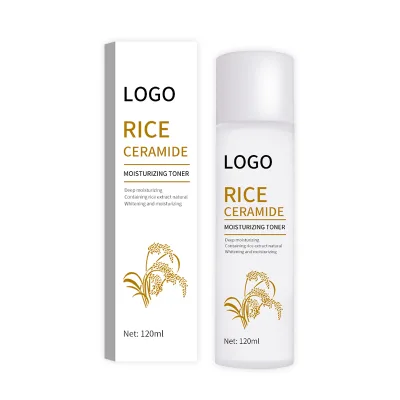


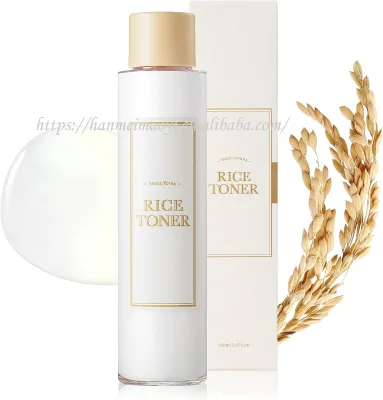
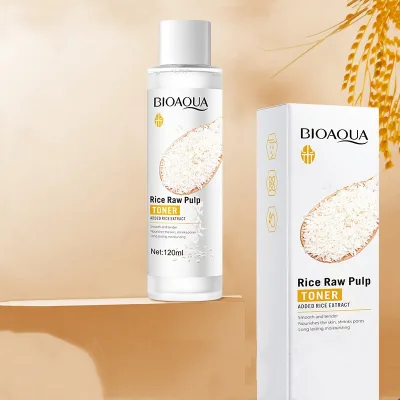
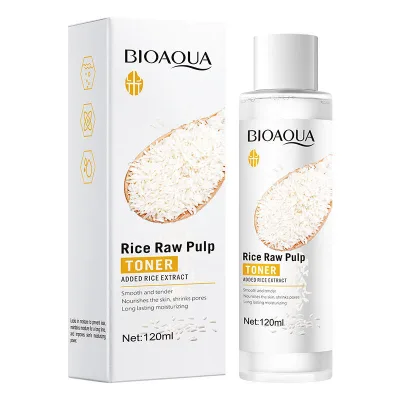
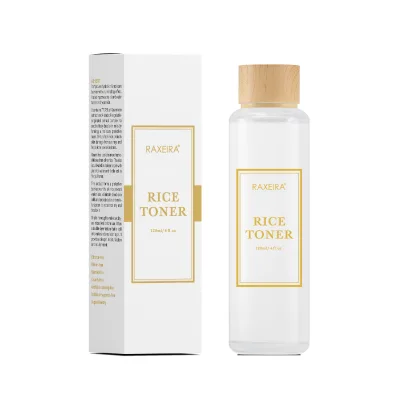
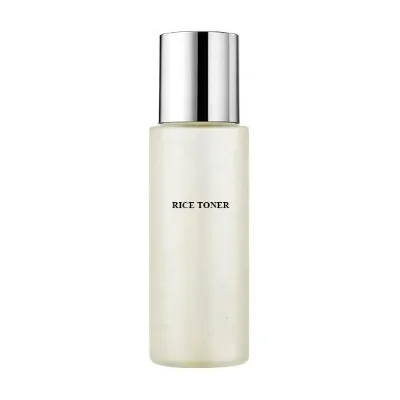
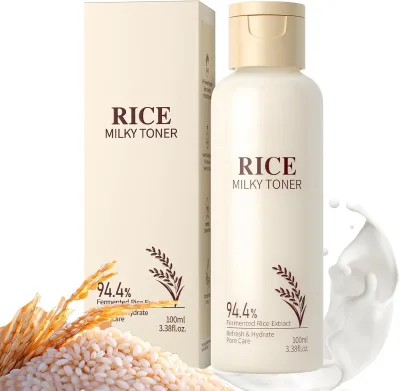

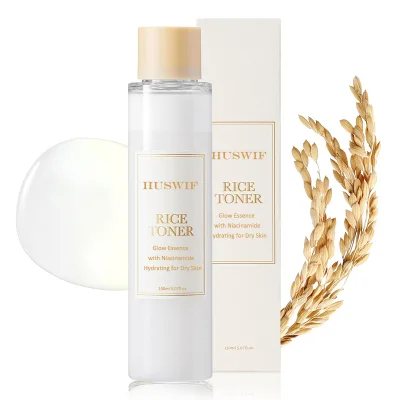
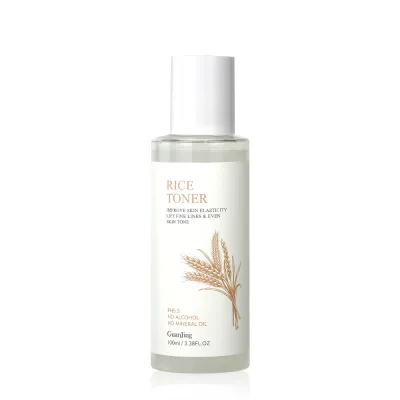

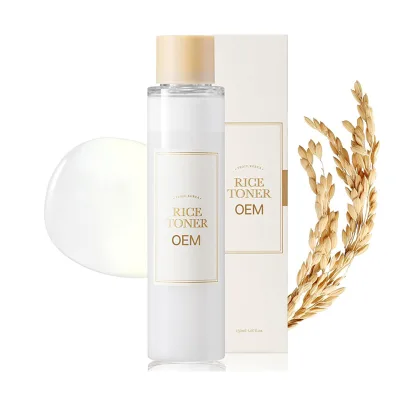
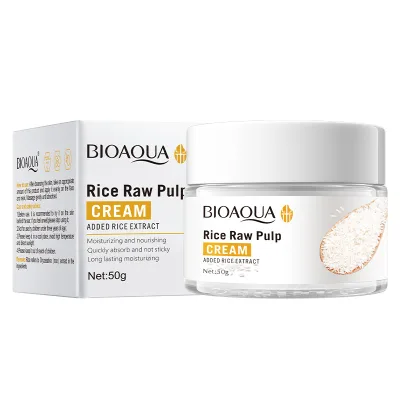
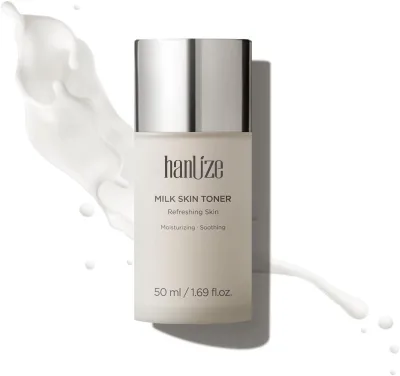
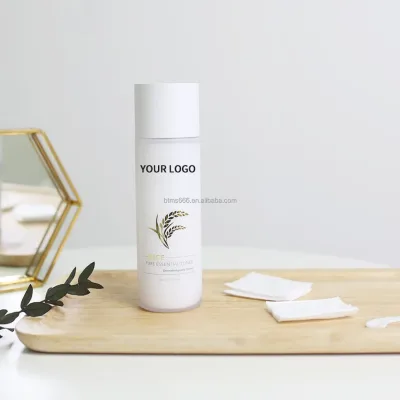
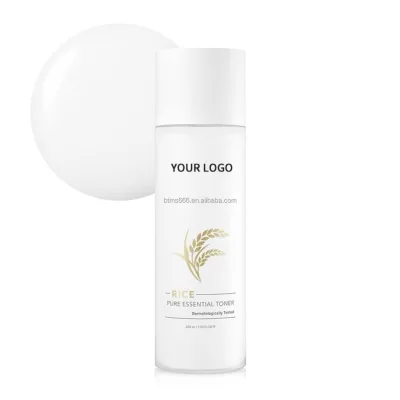
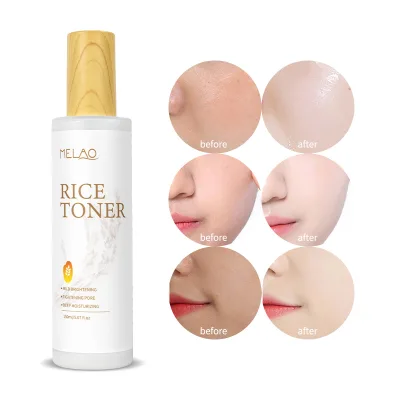
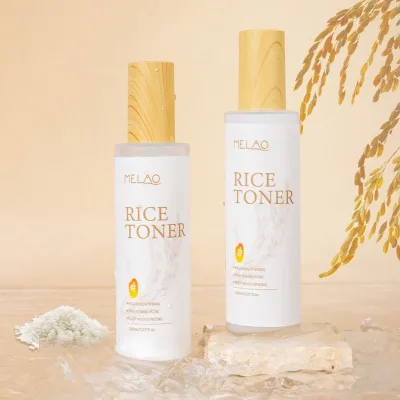
Comprehensive Sourcing Guide
Moisturizing Soothing Rice Face Toner Sourcing Guide
Buyers evaluating this category must first distinguish between products marketed for specific skin concerns and those offering broad hydration. The observed listings highlight a clear segmentation where some items target whitening and pore shrinking while others focus on moisturizing and soothing functions. This distinction is critical because the ingredient profiles, such as Niacinamide versus Rice Extract, directly influence the efficacy for different skin types. Procurement teams should verify that the specific product variant selected aligns with the intended demographic, whether it is formulated for adults or all ages, to ensure market fit.
Commercial viability in this sector often hinges on the flexibility of customization services offered by the manufacturer. The data indicates that OEM, ODM, and private label services are standard, allowing brands to tailor the formula and packaging to their specific identity. However, buyers must carefully review the minimum order quantities, which range significantly from single units to thousands, to match their inventory strategy. Understanding these commercial thresholds early prevents costly mismatches between production capacity and initial market testing requirements.
Product Scope and Observed Listing Signals
The product scope for rice-based toners encompasses a variety of functional claims, including anti-aging, pigmentation correction, and skin revitalization. Listings frequently cite ingredients like Hamamelis Virginiana, Rice Amino Acids, and Turmeric, suggesting a focus on natural extracts that support uneven tone care and hydration. Buyers should note that while the core keyword emphasizes moisturizing and soothing, the actual market offerings often bundle these with lightening and pore-shrinking attributes. This broad feature set requires careful filtering to isolate products that genuinely prioritize the soothing aspect without compromising on the primary hydration goals.
Packaging and volume specifications vary widely across the observed listings, ranging from 30ml to 250ml units. Some suppliers offer single-item selling units with specific gross weights, while others provide bulk packaging configurations like 48 bottles per carton. This variance impacts logistics planning and shelf-life management, as the standard shelf life is noted to be three years. Procurement teams must align their packaging choices with their distribution channels, ensuring that the selected volume and material, whether glass or plastic, meet both aesthetic and functional requirements for the target market.
Technical Specifications to Verify
Technical verification begins with confirming the physical form and volume of the liquid product, as listings specify formats ranging from 120ml to 150ml and 250ml. Buyers must ensure that the stated volume matches the actual net content to avoid regulatory discrepancies in destination markets. Additionally, the product model numbers, such as MK20251211A, serve as unique identifiers for specific formulations. It is essential to cross-reference these models with the ingredient lists to confirm that the specific batch contains the claimed active components like Collagen, Vitamin C, or Glycerin.
The physical dimensions and weight of the single package are critical for calculating shipping costs and storage efficiency. Observed data indicates a single package size of approximately 8 x 7 x 7 cm with a gross weight of 100 grams, though this may vary by volume. Buyers should request detailed dimensional data for their specific order quantity to optimize container loading. Furthermore, verifying the fragrance profile, such as organic natural fragrance, is necessary to ensure the sensory experience aligns with brand positioning and consumer expectations for a soothing product.
Compliance and Safety Documentation
Compliance verification is paramount given the diverse certification landscape observed in the listings, including CE, GMP, MSDS, EEC, and FDA. Buyers must confirm that the specific product they intend to source holds the necessary certifications for their target export markets, as not all listed items may possess every certification mentioned in the aggregate data. The presence of MSDS is particularly important for shipping safety, while GMP and FDA compliance often indicate adherence to manufacturing quality standards. Procurement teams should request valid certificates for each batch to ensure ongoing regulatory adherence.
Safety documentation also extends to the ingredient composition and its suitability for the intended skin types. Listings mention ingredients like Sulfate-Free and Cruelty-Free formulations, which are significant selling points for modern consumers. However, buyers must verify that these claims are substantiated by the supplier's quality control records. The product origin, primarily Guangzhou or Guangdong, China, suggests a specific manufacturing ecosystem, but the final compliance status depends on the specific factory's adherence to international safety standards and the accuracy of their provided documentation.
Cost Drivers and Commercial Terms
Cost drivers in this category are heavily influenced by the complexity of the formula and the level of customization required. Products featuring multiple active ingredients like Niacinamide, Rice Extract, and Turmeric may command different price points compared to simpler formulations. The observed price range of 0.5 to 4 USD suggests a competitive market, but the final cost will depend on the volume ordered and the specific packaging materials selected. Buyers should analyze the cost per unit against the perceived value of the ingredient profile to ensure a healthy margin structure.
Commercial terms, particularly the Minimum Order Quantity (MOQ), vary significantly from 1 piece to 10,000 pieces, offering flexibility for different business models. Small buyers can test the market with low MOQs, while larger retailers may negotiate better rates for bulk orders. The availability of OEM and ODM services adds another layer of cost consideration, as custom branding and formula adjustments often incur additional fees. It is crucial to clarify whether the quoted price includes packaging customization or if these are separate line items to avoid budget overruns.
Supplier Qualification and Quality Control
Supplier qualification requires a deep dive into their manufacturing capabilities and service offerings. The data confirms that many suppliers provide OEM, ODM, and private label services, indicating a mature supply chain capable of handling custom requests. Buyers should assess the supplier's capacity to maintain consistent quality across different production runs, especially when dealing with natural ingredients like Rice Extract which can vary in potency. Verifying the supplier's track record in handling similar cosmetic products is essential to mitigate risks associated with formulation inconsistencies.
Quality control protocols must be explicitly defined before placing an order, focusing on the consistency of the product standard and packaging integrity. The observed standards include specific volumes like 120ml and 150ml, but buyers must ensure these are strictly maintained during production. Regular quality audits should be conducted to verify that the product meets the claimed features, such as being anti-wrinkle or a skin revitalizer. Establishing clear acceptance criteria for the final product, including color and fragrance consistency, ensures that the delivered goods match the sample approved by the buyer.
Long-Term Procurement Checks
Long-term procurement success depends on maintaining a stable supply chain that can adapt to changing market demands. Buyers should establish a relationship with suppliers who demonstrate flexibility in adjusting production volumes and updating formulations based on consumer feedback. The three-year shelf life of the product offers a buffer for inventory management, but it also necessitates a robust rotation strategy to prevent stock aging. Regular communication with the supplier regarding production schedules and potential raw material shortages is vital for maintaining continuity.
Continuous monitoring of regulatory changes and certification renewals is another critical long-term check. As regulations evolve, particularly in the cosmetics sector, suppliers must remain compliant with updated standards in CE, FDA, and other relevant jurisdictions. Buyers should schedule periodic reviews of the supplier's certification status to ensure that the products remain eligible for sale in their target markets. Additionally, tracking performance metrics such as defect rates and customer satisfaction will help identify any emerging quality issues before they impact the brand's reputation.
FAQs
What certifications do the rice toner products hold?
The products hold CE, GMP, MSDS, EEC, and FDA certifications. These documents verify compliance with international safety and manufacturing standards. Buyers can request specific certification copies during the inquiry process to ensure regulatory alignment for their target markets.
Can I customize the product with my own brand?
Yes, OEM, ODM, and private label services are available for customization. Suppliers accept logo customization and allow modifications to packaging and formulas. This service enables brands to create unique products tailored to their specific market requirements and customer preferences.
What are the main ingredients in the moisturizing rice toner?
Key ingredients include Niacinamide, Hamamelis Virginiana, Rice Extract, and Rice Amino Acids. Some formulations also contain Collagen, Vitamin C, Glycerin, and Turmeric. These components work together to provide whitening, moisturizing, and pore-shrinking benefits for various skin types.
What is the minimum order quantity for this product?
The minimum order quantity ranges from 1 to 10,000 pieces depending on the supplier. Some vendors list a specific MOQ of 100 pieces for trial orders. Buyers should confirm the exact threshold with the manufacturer before finalizing their purchase agreement.
Where are these rice toner products manufactured?
The products originate from Guangzhou and Guangdong, China. This region is a known hub for cosmetic manufacturing with established supply chains. Buyers can expect efficient logistics and access to a wide range of verified factories in this specific location.
What packaging options are available for bulk orders?
Packaging includes regular cartons, individual boxes, and bulk configurations like 250ml bottles per box. Standard specifications range from 30ml to 250ml volumes. Suppliers can adjust packing details to meet specific shipping or retail display needs upon request.
How long is the shelf life of the toner?
The shelf life is typically three years from the date of manufacture. This duration ensures product stability and efficacy when stored correctly. Buyers should verify the expiration date on the specific batch before distributing the goods to their retail channels.