Source Moisturizing Waterproof Mineral Lipstick for Lips, Cheeks, Face
Find 30 Moisturizing Waterproof Mineral Lipstick options from Chinese manufacturers. Compare OEM/ODM services, GMPC and ISO certifications, and packaging details for lips, cheeks, and face applications. Evaluate net weight, shelf life, and shipping methods to select the best fit for your brand needs.
Key considerations
Products List


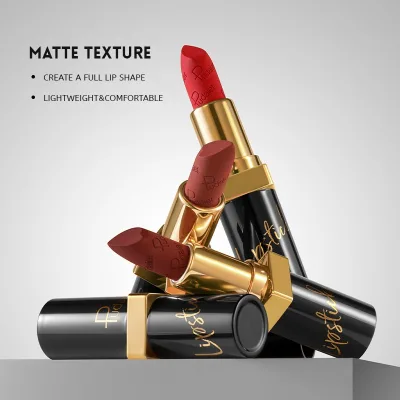

Hot Sale Lipstick Lasting Moisturizing Waterproof Moisturizing Fashion Charm Lipstick
$0.80 - $0.82
MOQ: 50 Pieces


Manufacturer Waterproof Longlasting Matte Moisture Smooth Color Beauty Lipstick
$1.50 - $3.00
MOQ: 12000 Pieces

Professional OEM Private Brand Matte Moisturizing and Smooth Color Lipstick
$1.50 - $3.00
MOQ: 12000 Pieces




Comprehensive Sourcing Guide
Moisturizing Waterproof Mineral Lipstick Sourcing Guide
Procuring Moisturizing Waterproof Mineral Lipstick requires distinguishing between products that genuinely utilize mineral bases and those merely marketing the term. The observed listings indicate a mix of mineral and chemical ingredients, necessitating a rigorous review of the main ingredient declaration before finalizing any order. Buyers must verify that the "Mineral" claim is supported by a specific formulation sheet rather than a generic keyword, as the data shows some items list "Chemical" as the primary component alongside mineral options.
The functional promise of waterproof performance must be validated against the specific product form and packaging. While the listings confirm a stick form with waterproof attributes, the actual longevity depends on the binder system used within the mineral matrix. Sourcing teams should request batch-specific test results for water resistance to ensure the product meets the "LONG-LASTING" and "MOISTURIZING" claims observed in the market, as these properties can vary significantly between different manufacturers in the same category.
Product Scope and Observed Listing Signals
The current market signals reveal a diverse range of lipstick specifications, with observed weights varying from 3.5g to standard 9g or 30g formats. This variance impacts the unit economics and the perceived value proposition for the end consumer. Buyers should carefully align their target price point with the specific net weight and packaging style, as the data shows a wide price range from $0.36 to $3.40 that correlates with these physical differences and the complexity of the packaging materials used.
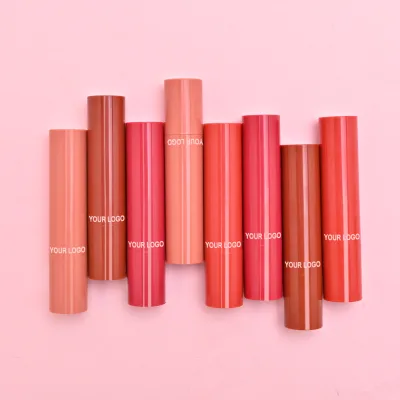
Customization capabilities are a dominant feature in the available listings, with many suppliers offering OEM and ODM services for private labeling. The ability to customize colors, logos via silk screen printing, and packaging materials like paper boxes or plastic containers allows for significant brand differentiation. However, buyers must confirm that the "Customized" status applies to the specific formulation and color matching they require, as some entries list "Non-Customized" options, creating a potential confusion in the product scope.
Technical Specifications to Verify
Verifying the physical dimensions and packaging integrity is critical for logistics planning and shelf presentation. The observed single package size of 6x6x12 cm and gross weight of 0.150 kg provide a baseline for shipping calculations, yet buyers must confirm if these dimensions apply to the specific model number they intend to purchase. Inconsistent sizing across different models, such as T1 or R-L005, can lead to unexpected freight costs and inefficient palletization if not standardized early in the procurement process.
The shelf life and stability of the product are paramount for inventory management and consumer safety. Listings indicate a shelf life of 36 months and a specific "Pao" (Period After Opening) of 12 months, which are standard benchmarks for this category. Buyers should verify that these timelines are consistent across all color variants and that the "Disposable" status is correctly identified as non-disposable, ensuring the product remains stable and safe for repeated use throughout its intended lifecycle.
Compliance and Safety Documentation
Navigating the certification landscape requires careful attention to the specific documents provided for each batch. The observed data lists GMPC, ISO, MSDS, and FDA certifications, but buyers must ensure these apply to the specific manufacturing facility and product line in question. Relying on a general certification claim without verifying the scope of the audit can lead to compliance gaps, especially when importing into markets with strict cosmetic regulations that require specific documentation for mineral-based products.
Safety data sheets (MSDS) are essential for understanding the chemical composition and handling requirements of the lipstick. While the listings confirm the presence of MSDS, the distinction between mineral and chemical ingredients necessitates a detailed review of the safety profile. Buyers should request the full MSDS to confirm that the "Mineral" ingredients are free from prohibited substances and that the "Chemical" components, if present, meet the safety thresholds required for the target export market.
Cost Drivers and Commercial Terms
The commercial landscape for this product is defined by a wide MOQ range from 2 to 12,000 units, offering flexibility for both small startups and large distributors. This variability allows buyers to negotiate terms that match their cash flow and inventory strategy, but it also requires clear communication to avoid misunderstandings regarding minimum order quantities. Buyers should explicitly confirm the MOQ for customized colors and packaging, as these often carry higher thresholds than standard stock items.
Payment methods and shipping logistics significantly influence the total landed cost and risk profile of the transaction. The availability of Trade Assurance, T/T, Moneygram, and other methods provides security, but the choice of shipping—by Express, Air, or Sea—will drastically alter the delivery timeline and cost. Buyers must calculate the total cost of ownership by factoring in the shipping method relative to the order volume, ensuring that the chosen logistics partner aligns with the urgency of the market launch.
Supplier Qualification and Quality Control
Supplier qualification should extend beyond basic certifications to include factory audit reports that verify production standards. The observed data mentions GMPC (ISO22716), BSCI, and SEDEX audits, which are strong indicators of a supplier's commitment to quality and ethical manufacturing. Buyers should request the most recent audit reports to confirm that the facility maintains the necessary controls for producing waterproof and moisturizing cosmetics, ensuring consistency in the final product quality.
Quality control protocols must be established to verify the consistency of the "Fashion" style and "Multi-Colored" attributes across large production runs. Since the product relies on specific features like "SILK SCREEN PRINTING" for logos and "Paper Box+ Aster Carton" for packaging, buyers should define clear acceptance criteria for these visual elements. Implementing a pre-shipment inspection that checks for color accuracy, packaging durability, and the integrity of the waterproof seal is essential to prevent returns and maintain brand reputation.
Long-Term Procurement Checks
Establishing a long-term relationship with a supplier requires regular re-verification of ingredient sources and formulation stability. The mix of mineral and chemical ingredients observed in the listings suggests that supply chain fluctuations could impact the final product composition. Buyers should implement a system for periodic re-testing of raw materials to ensure that the "Mineral" content remains consistent and that the "Moisturizing" properties do not degrade over time due to changes in the supplier's sourcing.
Continuous monitoring of the supplier's capacity to meet evolving market demands is crucial for maintaining a competitive edge. As the market shifts towards more sustainable packaging or new color trends, the supplier's ability to adapt their "Standard Packaging" or "Customized" options will determine the success of the partnership. Buyers should schedule regular reviews of the supplier's production capabilities and innovation pipeline to ensure they can support future product launches and maintain the "LONG-LASTING" performance standards required by consumers.
FAQs
What certifications are available for Moisturizing Waterproof Mineral Lipstick?
The product holds GMPC, ISO, MSDS, and FDA certifications. These credentials ensure compliance with international safety and quality standards. Buyers can verify these documents to meet regulatory requirements for their target markets. The factory also provides GMPC, ISO22716, BSCI, and SEDEX audit reports for additional assurance.
Can I customize the color and packaging for this lipstick?
Yes, customization is available for both colors and packaging. Buyers can request customized colors and choose between paper box plus aster carton or standard packaging. The service supports OEM and ODM private label options. Silk screen printing is used for logo application, allowing for unique brand identity development.
What is the minimum order quantity for this product?
The minimum order quantity ranges from 2 to 12,000 units. This flexible MOQ allows small businesses and large enterprises to place orders that fit their inventory needs. The specific MOQ may vary depending on the customization level and packaging requirements selected by the buyer during the sourcing process.
What are the main ingredients in this moisturizing lipstick?
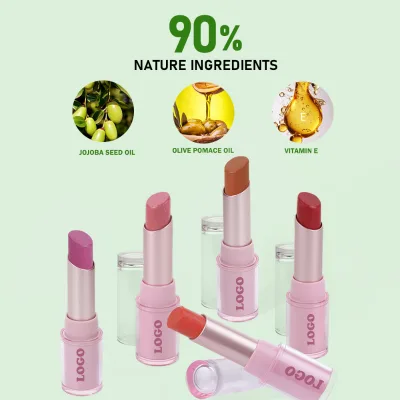
The main ingredients include mineral and herbal components. Some variations may also contain chemical ingredients. The formula is designed to be moisturizing and waterproof. These ingredients help provide long-lasting wear while keeping lips hydrated. Buyers should review the specific ingredient list for each model to ensure compatibility with their product standards.
How long is the shelf life of this lipstick?
The shelf life is 36 months. The product has a period after opening of 12 months. This duration ensures the product remains stable and effective for extended periods. Proper storage conditions are recommended to maintain quality. Buyers can plan inventory management and distribution schedules based on these reliable shelf life parameters.
Where is this lipstick manufactured?
The product originates from Zhejiang and Anhui, China. These locations are known for their manufacturing capabilities in the cosmetics industry. Buyers can expect efficient production and shipping logistics from these regions. The factory offers standard specifications or customized options to meet diverse international market demands.