Source Montessori Wooden Pull Toy for Kids, Gifts, and Schools
Compare 30 verified listings for the Montessori Wooden Pull Toy, featuring Juniper and Basswood materials with EN71 and ASTM certifications. Buyers can evaluate models like the tortoise and bear shapes for educational play, corporate gifts, and recreational use; compare the available evidence and request quotations based on your requirements.
Key considerations
Products List
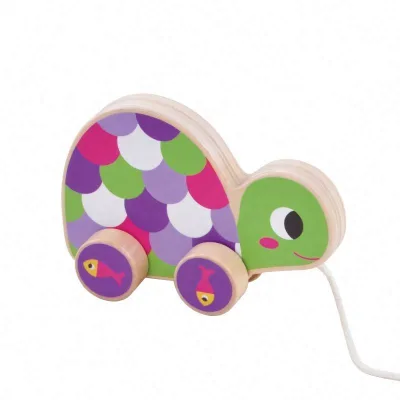
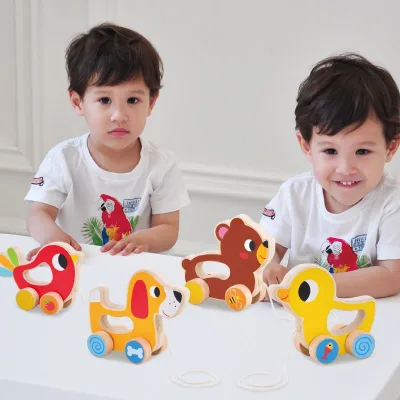


Montessori Education Wooden Baby Push Pull Walker Toys with Busy Board Game
$18.00 - $25.00
MOQ: 100 Pieces


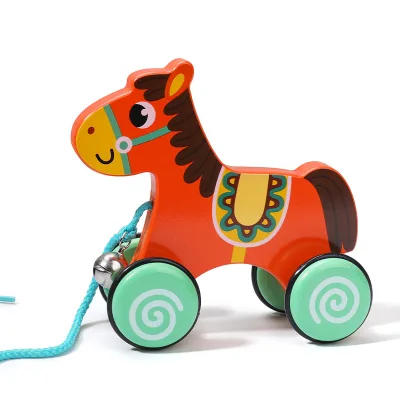


New Design Preschool Geometry Puzzle Wooden Toddler Montessori Toys W12f008
$3.00 - $10.00
MOQ: 500 Pieces


Baby Educational Toys Puzzle Jigsaw Wooden Toys Montessori Early Learning
$1.40 - $1.86
MOQ: 2000 Pieces


Comprehensive Sourcing Guide
Montessori Wooden Pull Toy Sourcing Guide
Buyers seeking Montessori wooden pull toys must first distinguish between specific animal shapes and general educational categories, as the market offers distinct variations like tortoise or bear designs. The observed product range includes items labeled as intellectual toys or pure wooden toys, indicating a need to verify if the specific model aligns with the intended developmental goals of the target age group.
Procurement decisions should prioritize the material composition, as listings frequently specify juniper wood, plywood, or basswood as the primary construction elements. Sourcing agents must confirm that the selected product matches the required scale, whether small or medium, to ensure the toy is appropriately sized for the intended user demographic without compromising the structural integrity of the pull-along mechanism.
Product Scope and Observed Listing Signals
The current market signals indicate a diverse inventory ranging from single-item units to bulk promotional sets, with observed price points spanning from 0.5 to 60 USD per unit. Buyers should note that while some listings offer customization options, others are fixed single items with specific model numbers like BLA650 or SH-AF-26060807, requiring careful matching of the product code to the desired design specifications.
Listing attributes reveal that these toys are often marketed for promotion, recreation, or as corporate giveaways, suggesting a dual utility for both retail and B2B promotional channels. The packaging varies significantly between beautiful color boxes, paper cartons, and wooden boxes, which directly impacts the perceived value and suitability for different end-user markets, necessitating a clear definition of packaging requirements before placing an order.
Technical Specifications to Verify
Verification of physical dimensions is critical, as observed product sizes range from compact 15x10.5x5.5 cm units to larger 44x33x29.5 cm configurations. Buyers must explicitly confirm the single package size and overall product dimensions against their logistics constraints, ensuring that the selected model fits within standard shipping containers and meets the spatial requirements of the retail display or promotional distribution plan.
Material consistency is another vital technical parameter, with listings citing specific wood types such as juniper, plywood, and basswood. Procurement teams should request detailed material certificates to confirm the absence of harmful fillers and verify that the paint used is non-toxic and eco-friendly, ensuring the final product maintains the safety and tactile qualities expected of high-quality wooden educational toys.
Compliance and Safety Documentation
Safety compliance is non-negotiable for wooden pull toys, with observed listings frequently citing EN71, ASTM, and CE certifications as standard requirements. Buyers must demand valid test reports for these specific standards to verify that the product meets the rigorous safety thresholds for children's toys, particularly regarding mechanical hazards and chemical composition, before approving any shipment for the European or North American markets.
Additional regional standards such as AS/NZS 8124.1 may also apply depending on the destination market, requiring suppliers to provide comprehensive certification documentation. It is essential to cross-reference the listed certifications with the actual product batch to ensure that the safety claims are not merely marketing assertions but are backed by independent laboratory testing results that cover the specific materials and finishes used in production.
Cost Drivers and Commercial Terms
Lead times are a significant cost driver in this category, with observed delivery windows extending up to 45 days for standard orders. Buyers should factor this duration into their inventory planning and cash flow projections, as the extended production cycle for wooden toys often reflects the time required for drying, finishing, and quality inspection processes that cannot be rushed without compromising product integrity.
Minimum Order Quantities (MOQ) vary widely from 1 to 2000 units, influencing the unit economics and the feasibility of small-batch testing versus large-scale distribution. Procurement strategies should balance the lower unit costs associated with higher volumes against the storage and capital costs of holding inventory, while also evaluating whether the supplier offers flexible customization options that might justify a higher MOQ for branded or unique product designs.
Supplier Qualification and Quality Control
Supplier qualification should focus on the origin of production, with many listings indicating manufacturing in Zhejiang or Lishui, China, regions known for specific woodworking expertise. Buyers must verify the supplier's capacity to maintain consistent quality across batches, as the natural variations in wood grain and color can affect the final aesthetic and structural performance of the pull-along toys.
Quality control protocols must include checks for loose parts, sharp edges, and the durability of the pull string or handle attachment. Since the product is often categorized as an intellectual toy for ages 3-8 years or 18 months and up, rigorous testing of the assembly is required to ensure that the toy withstands active play without breaking, thereby protecting the brand reputation and minimizing the risk of product liability claims.
Long-Term Procurement Checks
Sustainable sourcing practices are increasingly important, with many products marketed as eco-friendly and designed with environmental considerations in mind. Buyers should establish long-term relationships with suppliers who can demonstrate a commitment to sustainable forestry and non-toxic finishing processes, ensuring that the supply chain aligns with the values of the end consumers who prioritize safety and environmental responsibility.
Regular audits of the production line and periodic re-verification of safety certifications are necessary to maintain compliance as regulations evolve. Procurement teams should implement a system for tracking product performance and customer feedback, using this data to refine future specifications and ensure that the wooden pull toys continue to meet the high standards of durability and educational value expected in the Montessori toy category.
FAQs
What materials are used for these wooden pull toys?
The toys are crafted from Juniper Wood and Plywood, ensuring durability and safety for children. Some variants also utilize Basswood Plywood for structural integrity. These natural materials provide a smooth finish suitable for young hands, supporting the Montessori philosophy of tactile learning through high-quality, eco-friendly components.
Which certifications ensure the safety of these toys?
These toys hold EN71, ASTM, and CE certifications, meeting rigorous international safety standards. Some specific models also comply with AS/NZS 8124.1 requirements. These credentials verify that the products are safe for children, addressing critical concerns regarding chemical safety and physical hazards for parents and retailers sourcing educational items.
Can I customize the packaging for bulk orders?
Yes, customization is available for bulk orders to meet specific branding needs. Options include beautiful color boxes, white boxes, or standard paper cartons. This flexibility allows businesses to tailor the presentation to their market, enhancing shelf appeal while maintaining the structural protection required for shipping fragile wooden items across global supply chains.
What is the typical lead time for production?
The standard delivery time is approximately 45 days from order confirmation. This timeline accounts for manufacturing, quality control, and packaging processes. Buyers should plan their inventory accordingly to avoid stockouts, especially during peak seasons, ensuring that the supply chain remains smooth and predictable for retail distribution and promotional campaigns.
What age group are these pull-along toys designed for?
These toys are designed for children aged 18 months and up, with some specific models targeting the 3-8 years range. The design supports early motor skill development and cognitive growth. The sturdy construction and safe materials make them ideal for toddlers and young children engaging in independent play and exploration.
Where are these wooden toys manufactured?
These toys are manufactured in Zhejiang, China, specifically in regions like Lishui known for woodworking expertise. This location provides access to high-quality raw materials and skilled labor. Sourcing from this region ensures consistent production standards and efficient logistics for international buyers seeking reliable suppliers for educational wooden toys.