Source Monument Stencil Roll for Glass, Gravestone, and Granite Masking
Find and compare 30 available options for Monument Stencil Roll materials including PVC and polyester films. Evaluate specifications such as thickness, adhesive types, and customization availability to select the right solution for sandblast etching and marking applications.
Key considerations
Products List
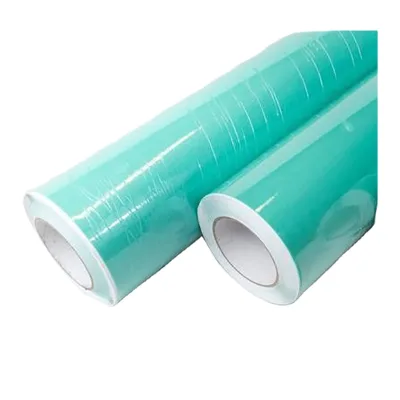
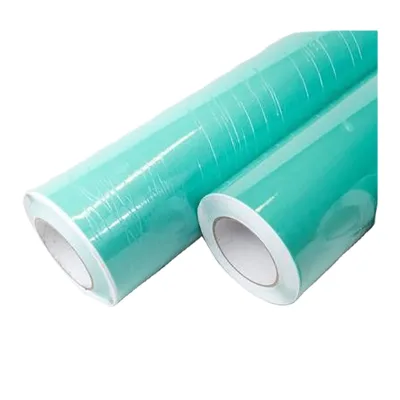
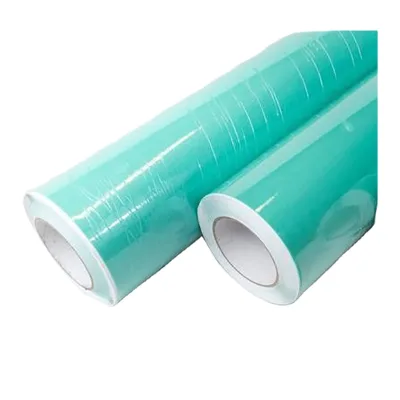
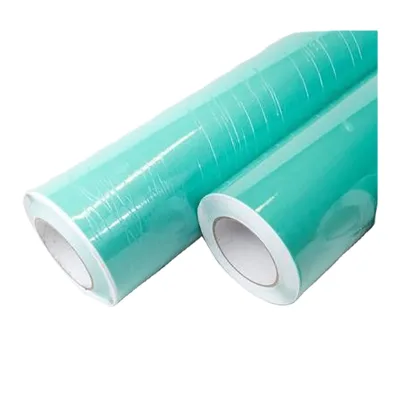


Sandmask Roll Sandblasting Monument Stencil Tape for Granite Etching
$0.40 - $0.65
MOQ: 1 Square Meters

Resist Sandblast Etching Vinyl Sandblast Monument Stencil for Sandmasking
$0.40 - $0.65
MOQ: 1 Square Meters


Factory Sell PVC Sandblasting Stencil for Stone Tombstone Monument
$1.19 - $8.00
MOQ: 10 Square Meters


Premium Linen Canvas Rolls with Archival Quality for Museum Grade Artwork
$0.28 - $2.28
MOQ: 100 Pieces


Archival Quality Canvas Rolls for UV Protection for Long Lasting Artwork Preservation
$0.28 - $2.28
MOQ: 100 Square Meters


$1.50 - $2.00
MOQ: 10 Square Meters


Comprehensive Sourcing Guide
Monument Stencil Roll Sourcing Guide
Sourcing high-quality stencil rolls for monument etching requires a nuanced understanding of material properties, adhesive performance, and application-specific durability. These products serve as critical masking tools in the stone carving industry, allowing artisans to create precise, durable designs on granite, marble, and other hard surfaces. The procurement process must balance technical precision with commercial viability, ensuring that the selected materials withstand the abrasive forces of sandblasting while providing clean edges and easy removal post-application. Buyers must navigate a market characterized by diverse material compositions, ranging from specialized PVC films to polyester-based solutions, each offering distinct advantages in terms of flexibility, transparency, and resistance to environmental factors.
The decision to source these materials often hinges on the specific requirements of the monument production workflow, including the complexity of the designs, the volume of production, and the desired finish quality. Observations from current market listings indicate a wide variance in product specifications, with some items tailored for single-item sales and others optimized for bulk carton or pallet packaging. This diversity necessitates a rigorous verification process to align supplier capabilities with operational needs. Procurement teams must prioritize suppliers who demonstrate consistency in thickness, adhesive residue management, and dimensional stability, as these factors directly impact the longevity of the stencil and the aesthetic integrity of the final monument.
Product Scope and Observed Listing Signals
The current market landscape for monument stencil rolls reveals a broad spectrum of product offerings, primarily centered around PVC and polyester materials. Listings frequently highlight PVC films with thicknesses around 1.0mm, marketed for their softness and ease of cutting, which are essential for intricate design work. These products are often described as having mixed colors or specific hues like yellow, white, or green, which may aid in visibility during the application process. Additionally, some offerings specify a single package size of 36x36x68 cm and a gross weight of approximately 38 kg, indicating that these are substantial industrial goods rather than small consumer items. Buyers should note that while PVC is a dominant material, other listings mention 100% polyester options, suggesting a tiered market where material choice correlates with specific performance requirements such as heat resistance or translucency.
Observations also point to significant variations in packaging and unit specifications, which serve as key signals for supplier scale and operational focus. Some suppliers offer rolls with dimensions such as 25 inches by 10 yards, packaged individually or in cartons containing 50 to 60 rolls, catering to both small workshops and large-scale manufacturing facilities. In contrast, other listings emphasize bulk packaging on wooden pallets or standard cartons, with models like LN-1602000 indicating a standardized product line. The presence of customization options and digital printing services suggests that many suppliers are moving beyond generic stock items to provide tailored solutions for specific monument designs. Buyers should interpret these listing signals as indicators of supplier flexibility, where the ability to offer custom sizes, colors, and printing services can be a decisive factor in selecting a long-term partner.
Technical Specifications to Verify
Thickness and material composition are the most critical technical parameters to verify when sourcing monument stencil rolls. The market shows a range of thicknesses, from 1.0mm PVC films to options specified in microns, such as 80mic to 1500mic, which cater to different levels of durability and abrasion resistance. Buyers must ensure that the selected thickness aligns with the intensity of the sandblasting process; thicker films generally offer better protection against deep etching but may be harder to cut and apply. Additionally, the hardness of the material, described as "soft" in some listings, is crucial for conforming to uneven stone surfaces without lifting at the edges. Verification of the molding method, such as casting plastic, can also provide insights into the material's structural integrity and consistency, ensuring that the stencil remains stable under mechanical stress during application.
Adhesive performance and dimensional stability are equally vital for ensuring the stencil's effectiveness during the etching process. The adhesive type, whether hot melt or pressure-sensitive, must be compatible with the stone surface and resistant to moisture and dust, which are common in sandblasting environments. Listings highlighting "Japan Import" glue with "100% No Residue" properties suggest a premium segment where clean removal is paramount to avoid damaging the finished monument. Buyers should also verify the width and length specifications, which range from 30cm to 122cm in width and 50m to 100m in length, to ensure compatibility with existing cutting equipment and workflow requirements. Furthermore, the transparency of the film, described as translucent, aids in precise alignment of designs, making it a key feature for complex monument artwork.
Compliance and Safety Documentation
While specific certification standards are not explicitly detailed in the observed listings, buyers must proactively request documentation related to material safety and environmental compliance. Given that these products are used in industrial settings involving abrasive materials and potential chemical exposure, verifying that the PVC or polyester films meet relevant health and safety standards is essential. Buyers should inquire about the presence of hazardous substances and ensure that the adhesives used do not emit harmful volatile organic compounds (VOCs) during application or removal. This due diligence is particularly important for suppliers operating in regions with varying regulatory frameworks, such as those sourcing from Taiwan, Shanghai, or Hebei, China, where local standards may differ from international benchmarks.
Documentation regarding the manufacturing process and quality control protocols should also be scrutinized to ensure consistent product performance. Buyers should ask for evidence of standardized production methods, such as the casting plastic technique mentioned in some listings, and verify that these methods are consistently applied across batches. Additionally, understanding the origin of raw materials, such as the importation of glue from Japan, can provide insights into the supply chain's reliability and quality assurance practices. By requesting detailed technical data sheets and safety information, buyers can mitigate risks associated with material failures, such as adhesive residue or film tearing, which can lead to costly rework and delays in monument production.
Cost Drivers and Commercial Terms
The cost of monument stencil rolls is influenced by several factors, including material type, thickness, adhesive quality, and customization requirements. PVC films with specific thicknesses and premium adhesives, such as those imported from Japan, typically command higher prices due to their superior performance and durability. Buyers should also consider the impact of packaging and logistics on total cost, as products shipped in cartons or on pallets may incur additional handling and freight charges. The observed price range of 0.07 to 10,000 USD reflects the diversity of offerings, from small individual rolls to large bulk orders, necessitating a clear understanding of the total cost of ownership rather than just the unit price.
Minimum Order Quantities (MOQs) and payment terms are critical commercial considerations that can affect procurement flexibility. Listings indicate MOQs ranging from 1 to 3000 units, allowing buyers to scale their orders based on production needs and budget constraints. However, higher MOQs may be required for customized products or specific material specifications, which can impact inventory management and cash flow. Buyers should negotiate favorable payment terms and clarify any additional costs associated with customization, such as digital printing or specific color requirements. Understanding these commercial terms helps in planning procurement cycles and ensuring that the supplier can meet delivery expectations without compromising on quality or service.
Supplier Qualification and Quality Control
Evaluating supplier qualification requires a focus on production capabilities, quality assurance processes, and customer service responsiveness. Buyers should prioritize suppliers who offer customization options and digital printing services, as these capabilities indicate a higher level of technical expertise and adaptability to specific client needs. The presence of standardized product models, such as LN-1602000, suggests that some suppliers have established product lines with consistent quality, which can reduce the risk of variability in bulk orders. Additionally, verifying the supplier's ability to provide samples and conduct trial runs is essential for assessing the practical performance of the stencils in real-world application scenarios.
Quality control measures should be rigorously assessed to ensure that the stencils meet the required specifications for thickness, adhesive strength, and dimensional accuracy. Buyers should inquire about the supplier's testing protocols, including checks for adhesive residue, film integrity, and print quality. Suppliers who operate in established manufacturing hubs like Shanghai or Hebei, China, may have access to better infrastructure and supply chain resources, but buyers must still verify their specific quality management systems. Establishing clear communication channels and defining acceptance criteria for delivered goods can help maintain consistent quality and address any issues promptly, ensuring a reliable supply of monument stencil rolls for ongoing production needs.
Long-Term Procurement Checks
Establishing a long-term procurement strategy for monument stencil rolls involves continuous monitoring of supplier performance, product consistency, and market trends. Buyers should regularly review supplier delivery times, product quality, and responsiveness to issues, using this data to inform future purchasing decisions. Tracking changes in material availability and pricing can help anticipate potential supply chain disruptions and adjust procurement plans accordingly. Additionally, staying informed about advancements in stencil technology, such as new adhesive formulations or more durable film materials, can provide opportunities to improve production efficiency and product quality over time.
Building a diversified supplier base can mitigate risks associated with single-source dependency and ensure continuity of supply. Buyers should consider engaging with multiple suppliers from different regions, such as Taiwan and China, to leverage competitive pricing and specialized capabilities. Regularly updating technical specifications and requirements based on feedback from production teams can help align procurement with evolving operational needs. By maintaining a proactive approach to supplier management and market analysis, buyers can secure a reliable supply of high-quality monument stencil rolls that support the long-term success of their monument production operations.
FAQs
What material is used for monument stencil rolls?
Monument stencil rolls are typically made from PVC or 100% Polyester materials. These materials offer flexibility and durability for sandblasting applications on gravestones and glass surfaces.
How thick are the available monument stencil rolls?
The thickness of these rolls varies, with options ranging from 1.0mm to 80mic-1500mic depending on the specific product model. This allows users to select the appropriate gauge for their etching needs.
Can I get custom designs printed on the stencil rolls?
Yes, customization is available with digital printing options offered for these stencil rolls. Buyers can request specific designs to be printed directly onto the film for precise monument etching results.
Which adhesive type is used on the sandblast etching stencils?
The stencils utilize Hot Melt or Pressure Sensitive adhesive types. These adhesives are often imported from Japan and ensure a no-residue application when removing the stencil after the sandblasting process.
What are the standard dimensions for these stencil rolls?
Standard specifications include widths of 30cm to 122cm and lengths of 50m or 100m. Some specific models also come in sizes like 25 inches by 10 yards per roll.
Where are these monument stencil rolls manufactured?
Manufacturing locations include Taiwan, Shanghai, and Hebei in China. The origin varies by product model, so buyers should verify the specific place of origin for their selected item.
How are the stencil rolls packaged for shipping?
Packaging options include cartons, pallets, and carbon tubes. Some units are packed as 50 or 60 rolls per carton, while others may use wooden pallets for larger shipments.