Source Modern Simple Adjustable Dining Chair for Hotels, Homes, and Restaurants
Find and compare 30 modern simple adjustable dining chair options from verified suppliers. Evaluate models with wood or metal frames, varying shapes like square or oval, and customizable features to suit dining rooms, kitchens, and cafes.
Key considerations
Products List


Comfortable Dining Chair for Dining Rooms and Restaurants Height Adjustable
$10.00 - $18.00
MOQ: 100 Pieces

Sleek Dining Chair with Adjustable Height for Modern Dining Experiences
$10.00 - $18.00
MOQ: 100 Pieces


Comfortable Dining Chair with Adjustable Height for Dining Spaces and Cafes
$10.00 - $18.00
MOQ: 100 Pieces




Comprehensive Sourcing Guide
Modern Simple Adjustable Dining Chair Sourcing Guide
Sourcing modern, simple, and adjustable dining chairs requires a careful balance between aesthetic minimalism and functional durability. The current market offers a diverse range of options, from fixed-structure wooden frames to metal-framed units with customizable dimensions. Buyers must navigate a landscape where "modern" often implies clean lines and neutral palettes, while "adjustable" can refer to height customization, modular components, or specific ergonomic features. Understanding the specific definition of adjustability for your project is the first critical step, as it dictates the technical specifications, material choices, and ultimately the cost structure of the procurement.
This guide provides evidence-based procurement strategies for sourcing these chairs, focusing on verified product attributes, technical verification, and commercial due diligence. By leveraging observed listing signals and standard industry practices, buyers can mitigate risks associated with quality inconsistencies and supply chain delays. The following sections detail how to evaluate suppliers, verify technical claims, and establish robust quality control measures to ensure the final product meets both design intent and functional requirements.
Product Scope and Observed Listing Signals
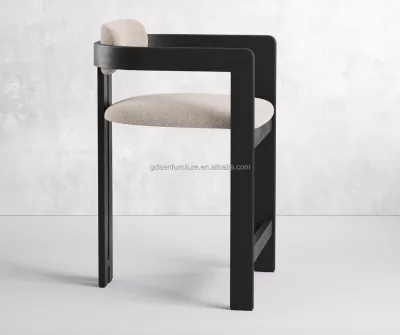
The observed product landscape for modern dining chairs reveals a significant variation in materials, shapes, and customization options. Listings indicate a strong presence of wooden constructions, often finished in brown tones, alongside metal-framed alternatives that offer greater flexibility in height and weight capacity. Shapes range from square and rectangular to oval, with some models featuring armrests and others designed as minimalist, armless seating. This diversity suggests that buyers should not assume a one-size-fits-all approach; instead, they must align their selection with the specific aesthetic and functional needs of their target environment, whether it be a high-end hotel, a residential home, or a commercial restaurant.
Customization is a prevalent feature in this category, with many suppliers offering OEM services and tailored dimensions. However, the degree of customization varies, with some products being strictly non-customized while others allow for extensive modifications to standard, color, and packing specifications. Buyers should note that while "modern" and "simple" are common descriptors, the actual design language can differ significantly between suppliers. It is essential to review product images and detailed specifications carefully, as visual representations may not always capture the nuances of material texture or structural integrity. The presence of self-contained installation methods further simplifies the deployment process, reducing the need for specialized labor during setup.
Technical Specifications to Verify
Technical verification is paramount when sourcing adjustable dining chairs, particularly regarding dimensions, weight capacity, and structural stability. Buyers must confirm the exact standard dimensions, such as 484983cm or 70*45cm, to ensure compatibility with existing table sets and spatial constraints. The weight capacity is another critical factor, with some models supporting up to 150kgs, which is essential for commercial applications where durability and safety are non-negotiable. Additionally, the product weight, ranging from 5kg to 15kg, impacts shipping costs and handling logistics, so buyers should calculate the total landed cost based on these specifications.
The construction materials and assembly methods also require close scrutiny. Wooden frames offer a classic, warm aesthetic but may be susceptible to environmental changes, while metal frames provide robustness and often allow for greater adjustability. Buyers should verify whether the chairs are delivered fully assembled, folded, or as flat-pack components, as this affects the packaging volume and potential for damage during transit. The presence of armrests, while adding comfort, can complicate stacking and storage, so it is important to confirm if the design allows for efficient space utilization when not in use. Furthermore, the installation method, whether self-contained or requiring professional assembly, should be clearly defined to avoid unexpected labor costs.
Compliance and Safety Documentation
Compliance with safety and quality standards is a fundamental requirement for dining chairs, especially those intended for commercial use in hotels, restaurants, and cafes. Buyers must request documentation that verifies the structural integrity of the chairs, including load-bearing tests and stability assessments. While specific certification names may vary by region, the underlying principles of safety remain consistent, focusing on the prevention of tipping, collapse, or material failure under normal and abnormal usage conditions. It is crucial to ensure that the materials used, whether wood or metal, are free from harmful substances and meet relevant environmental and health regulations.
In addition to structural safety, buyers should inquire about the finish and coating processes, particularly for wooden chairs. The use of non-toxic paints and varnishes is essential to ensure indoor air quality and user safety. Documentation should also cover the durability of the materials, including resistance to scratches, stains, and wear. For metal components, corrosion resistance is a key factor, especially in high-traffic areas or environments with varying humidity levels. Buyers should not rely solely on supplier claims but should request third-party test reports or certificates of compliance to validate these safety and quality assertions.
Cost Drivers and Commercial Terms
The cost of modern adjustable dining chairs is influenced by several key factors, including material selection, customization level, and order volume. Wooden chairs, particularly those with intricate designs or high-quality finishes, tend to be more expensive than their metal counterparts. Customization, such as specific dimensions, colors, or branding, adds to the production cost and may increase the minimum order quantity (MOQ). Buyers should be aware that while some suppliers offer low MOQs, such as 10 pieces, others may require significantly higher volumes, up to 10,000 pieces, to achieve competitive pricing.
Commercial terms, including delivery time and payment conditions, also play a significant role in the total cost of ownership. Standard delivery times range from 15 to 30 days, but expedited shipping options may be available at an additional cost. Buyers should negotiate clear terms regarding packaging, ensuring that each chair is adequately protected to prevent damage during transit. The packing specifications, whether in cartons, polybags, or boxes, should be aligned with the shipping method and destination requirements. Additionally, buyers should clarify any potential hidden costs, such as customs duties, taxes, or handling fees, to avoid budget overruns.
Supplier Qualification and Quality Control
Supplier qualification is a critical step in ensuring the reliability and consistency of the sourced dining chairs. Buyers should conduct thorough due diligence on potential suppliers, verifying their manufacturing capabilities, quality control processes, and past performance. It is advisable to request samples to evaluate the build quality, finish, and overall aesthetic before placing a large order. Samples allow buyers to assess the actual product against the specifications and identify any potential issues early in the procurement process.
Quality control measures should be established throughout the production cycle, from raw material inspection to final product testing. Buyers should define clear acceptance criteria for defects, such as scratches, misalignments, or structural weaknesses, and communicate these expectations to the supplier. Regular audits or third-party inspections can provide an additional layer of assurance, ensuring that the production process adheres to the agreed-upon standards. Establishing a strong relationship with the supplier, based on transparency and mutual trust, can also facilitate smoother communication and quicker resolution of any issues that may arise during production or delivery.
Long-Term Procurement Checks
Long-term procurement success depends on the ability to maintain consistent quality and supply over time. Buyers should implement a system for monitoring supplier performance, tracking metrics such as on-time delivery rates, defect rates, and responsiveness to issues. Regular feedback loops with the supplier can help identify areas for improvement and foster a collaborative approach to problem-solving. It is also important to stay updated on any changes in the supplier's production capabilities or material sourcing, as these can impact the quality and availability of the products.
Furthermore, buyers should consider the lifecycle of the dining chairs, including maintenance requirements and potential for replacement parts. Ensuring that the supplier can provide ongoing support for repairs or replacements is essential for maintaining the integrity of the furniture set over time. By establishing a proactive approach to supplier management and quality assurance, buyers can mitigate risks and ensure a steady supply of high-quality modern adjustable dining chairs for their projects. This long-term perspective helps in building a resilient supply chain that can adapt to changing market conditions and customer needs.
FAQs
Can I customize the Morden Simple Adjustable Dining Chair?
Yes, customization is available for this product line. Some models support custom shapes and colors, while others are non-customized. Buyers should verify specific model requirements before ordering to ensure the desired features are met.
What is the minimum order quantity for these chairs?
The minimum order quantity varies by model, ranging from 10 pieces to 10,000 pieces. Most standard models require 100 pieces, but specific variants may have lower or higher thresholds. Please check the specific product model for exact MOQ details.
How long does delivery take for these dining chairs?
The standard delivery time is between 15 to 30 days. This timeframe applies to most orders originating from Jiangsu, China. Lead times may vary based on order volume and specific customization requests made by the buyer.
Which materials are used to make these chairs?
These chairs are primarily constructed from wood and metal materials. The specific material depends on the model selected, with some featuring wooden frames and others utilizing metal components. Buyers can choose based on their durability and aesthetic preferences.
What are the available dimensions for these chairs?
Dimensions vary by model, with standard sizes like 48x49x83cm and 55x48x81cm available. Some models offer customizable heights or specific oval and rectangular shapes. Packaging dimensions also differ, such as 40x30x20cm for certain SKUs.
Can I get samples before placing a bulk order?
Yes, samples are accepted for these dining chairs. This allows buyers to verify quality and specifications before committing to larger quantities. Sample availability should be confirmed with the supplier to ensure the specific model can be provided for testing.