Source Motorcycle Lighting System CDI for ATV, Scooter, and Bike
Find 30 Motorcycle Lighting System CDI options for ATVs, scooters, and motorcycles. Compare brushless commutation, IP67 waterproofing, and 12V voltage specs from Chinese manufacturers to select the right components for your vehicle; compare the available evidence and request quotations based on your requirements.
Key considerations
Products List


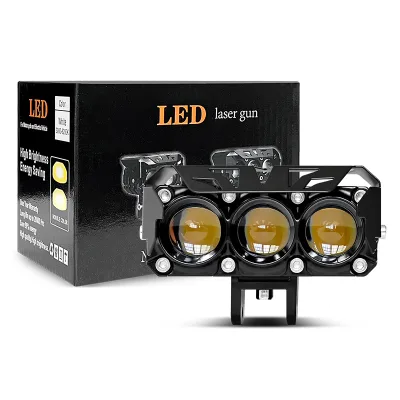
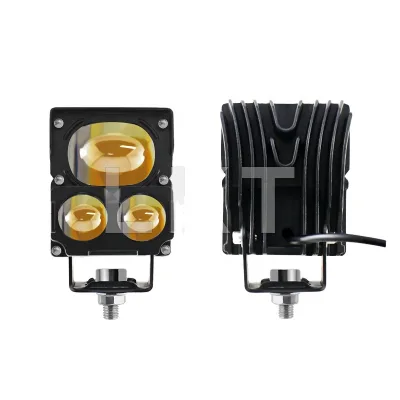


Cm125 Motorcycle Lighting System Motorcycle Headlight Socket, Headlamp Socket
$0.28 - $0.40
MOQ: 300 Pieces




Comprehensive Sourcing Guide
Motorcycle Lighting System CDI Sourcing Guide
Buyers evaluating motorcycle lighting systems with CDI integration must first distinguish between pure lighting components and combined ignition-control units. The observed product data indicates a specific focus on lighting assemblies, such as rear and front indicators, which often operate in tandem with the vehicle's electrical architecture. Understanding whether the supplier provides a standalone lighting module or a system integrated with the CDI unit is critical for ensuring compatibility with the motorcycle's existing electrical load and ignition timing.
Procurement decisions should also account for the diverse model specifications observed in the market, ranging from 90cc to 200cc variants like the CAS, DT-125, and GS-150 series. Since the listed products include specific model numbers and voltage ratings of 12V, buyers must verify that the lighting system's electrical characteristics align precisely with the target motorcycle's CDI output. Mismatches in voltage or current handling can lead to premature failure of both the lighting components and the ignition control system, making model-specific verification a non-negotiable step in the sourcing process.
Product Scope and Observed Listing Signals
The current market listings reveal a wide spectrum of product attributes, including materials ranging from rubber and aluminum alloy to plastic and PMMA lenses. Buyers should note that while some units are described as having brushless commutation, others are explicitly categorized as electronic components with specific power ratings like 1W or 5W. This variation suggests that the term "motorcycle lighting system" encompasses both simple indicator lights and more complex electronic assemblies, requiring careful filtering to isolate the exact component needed for the specific motorcycle application.
Listing signals also highlight significant differences in packaging and installation methods, from screw-based mounting to handle installation modes. The presence of waterproof ratings like IP66 and IP67 indicates that many suppliers are targeting off-road or all-weather applications, yet the material composition varies significantly between durable aluminum alloys and standard plastics. Buyers must cross-reference these physical attributes with their specific operational environment to ensure the selected lighting system can withstand the intended exposure to moisture, vibration, and mechanical stress without compromising the integrity of the CDI connection.
Technical Specifications to Verify
Voltage compatibility is a primary technical constraint, as the observed data consistently points to a 12V system requirement. Buyers must confirm that the lighting system's power consumption, whether listed as 1W or up to 5W, does not exceed the capacity of the motorcycle's battery or the output limits of the CDI unit. Overloading the electrical system can cause voltage drops that affect ignition performance, so verifying the actual power draw against the vehicle's electrical schematic is essential before finalizing any purchase order.
Installation and physical dimensions also require rigorous verification, particularly regarding the base material and lens specifications. The data shows bases made of ABS or P21W types, with lens materials specified as PMMA, and standard diameters like 165mm. Buyers should ensure that the mounting interface, whether it involves screws or terminal connectors, matches the physical constraints of the motorcycle's frame. Additionally, the waterproof rating must be validated against the specific exposure conditions of the intended use, as an IP66 rating may suffice for street use but could be insufficient for heavy off-road applications.
Compliance and Safety Documentation
Certification status is a critical factor in determining the legal and safety viability of the lighting system for import and sale. The observed listings include CE, CCC, and ISO9001 certifications, alongside E-mark approvals, which are often mandatory for vehicles sold in specific international markets. Buyers must request valid, up-to-date certificates for the specific model being sourced, as the presence of a certification on a general product page does not guarantee that every batch or specific model variant has undergone the necessary testing and approval processes.
Safety documentation should also cover the electrical safety standards and the durability of the waterproofing claims. While IP66 and IP67 ratings are listed, buyers should verify the test reports that substantiate these claims, ensuring the seals and gaskets meet the required ingress protection standards. Furthermore, the warranty terms, such as the observed 18-month coverage, should be clearly defined in the contract to protect against premature failures. Without robust documentation, buyers risk non-compliance with local regulations and potential liability issues if the lighting system fails during operation.
Cost Drivers and Commercial Terms
Pricing in this sector is influenced by the complexity of the electronic components and the materials used, with observed ranges spanning from $0.28 to $980. The lower end of the spectrum likely corresponds to basic indicator lights or simple plastic housings, while the higher prices may reflect integrated systems with advanced waterproofing, aluminum construction, or specific model compatibility. Buyers should analyze the cost per unit against the expected lifespan and performance to determine the true value, rather than simply selecting the lowest price option which may compromise on critical safety features.
Commercial terms such as MOQ and payment methods also play a significant role in the total cost of ownership. The data indicates MOQs ranging from 2 to 500 pieces, with a specific observation of 50 pieces for certain items, and payment terms typically structured as T/T. Buyers must negotiate these terms to align with their inventory strategy, considering that higher MOQs might secure better unit pricing but increase storage costs. Additionally, the packaging specifications, such as air bags and cartons, should be factored into the logistics cost, as improper packaging can lead to damage during transit and increase the effective cost of the goods.
Supplier Qualification and Quality Control
Supplier qualification should focus on their ability to provide consistent quality across different model variants, given the wide range of specifications observed. Buyers must verify that the supplier has a robust quality control process that covers the entire production line, from material selection to final assembly. The presence of ISO9001 certification is a positive indicator, but it should be complemented by on-site audits or third-party inspections to ensure that the manufacturing processes consistently meet the required standards for electrical safety and durability.
Quality control checks must also include rigorous testing of the waterproofing and electrical performance of the lighting systems. Buyers should request sample units for independent testing to verify the IP ratings and the stability of the 12V operation under various load conditions. The warranty terms, such as the 18-month period observed, should be backed by a clear process for handling returns and replacements. Without a reliable quality control framework, buyers risk receiving inconsistent batches that could lead to high failure rates and damage to their brand reputation.
Long-Term Procurement Checks
Long-term procurement success depends on establishing a reliable supply chain that can adapt to changing model requirements and market demands. Buyers should maintain open communication with suppliers to stay informed about updates to product specifications, such as new model numbers or changes in material composition. The observed diversity in models, from ATV-150 to FT-200, suggests that the market is dynamic, and a flexible supplier relationship is essential to ensure continuous availability of compatible lighting systems.
Regular performance reviews and feedback loops are necessary to monitor the reliability of the lighting systems in the field. Buyers should track failure rates and customer complaints to identify any recurring issues with specific models or batches. This data-driven approach allows for proactive adjustments to the procurement strategy, such as switching to a different supplier or requesting design improvements. By maintaining a vigilant oversight of the supply chain, buyers can mitigate risks and ensure that their motorcycle lighting systems continue to meet the high standards required for safe and reliable operation.
FAQs
What certifications are available for motorcycle lighting systems?
Available certifications include CE, CCC, ISO9001, and E-mark. These ensure compliance with regional safety and quality standards. Buyers should verify specific requirements for their target market. The presence of these marks indicates adherence to rigorous manufacturing protocols and electrical safety norms for vehicle components.
Can these systems be customized for specific models?
Yes, customization is available for various motorcycle models. Specific models supported include DT-125, GS-150, ATV-150, DS-150, and FT-200. This allows for tailored integration into different vehicle architectures. Buyers can request modifications to fit unique chassis or electrical system requirements effectively.
What is the minimum order quantity for these products?
The minimum order quantity is typically 50 pieces. Some listings may allow orders as low as 2 pieces. Bulk purchases often unlock better pricing tiers. Buyers should confirm MOQs with suppliers directly to ensure alignment with their initial procurement volume and budget constraints.
How are the products packaged for shipping?
Products are packed in color boxes, air bags, cartons, and pallets. This multi-layered packaging ensures protection during transit. The standard carton size is 44x28x35cm with 100 pieces per carton. This method minimizes damage risks and optimizes container space for international logistics.
What warranty is provided for these lighting systems?
A standard warranty of 18 months is provided. This covers manufacturing defects and material failures under normal use. Buyers should retain proof of purchase for claims. The warranty period reflects confidence in product durability and supports long-term operational reliability for fleet owners.
What payment terms are accepted for these orders?
T/T (Telegraphic Transfer) is the accepted payment method. This ensures secure and direct bank transfers between parties. Buyers should coordinate payment schedules with suppliers. This method is standard for B2B transactions and helps manage cash flow for both manufacturers and distributors.