Source Motorized Curtain Rail for Home Hotel Office
Find 30 Motorized Curtain Rail options with customization, varying mounting types, and power specs. Compare aluminum and polyester models for hotel, home, and office automation needs.
Key considerations
Products List


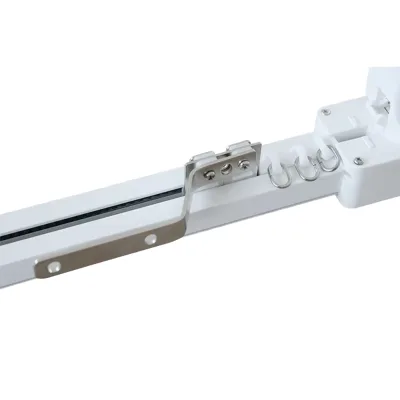
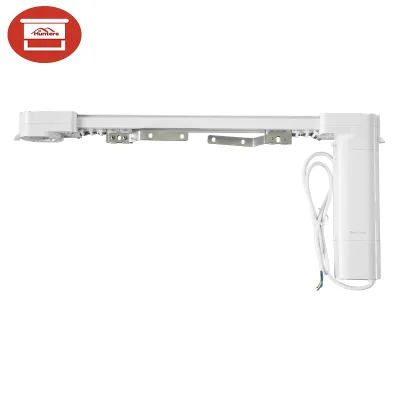


Motorized Electric Curtain Track Motor Curtain Electric Motorized Control
$10.00 - $13.00
MOQ: 1 Pieces


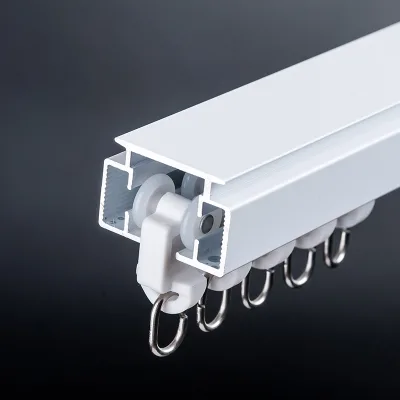
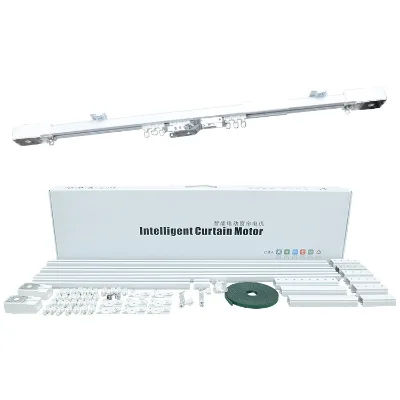
Manufacturing Simple Shaped Motorized Curtains Track Rail for Wholesale
$35.00 - $45.00
MOQ: 100 Pieces






Comprehensive Sourcing Guide
Strategic Sourcing Guide for Motorized Curtain Rail Systems
Understanding Technical Specifications and System Architecture
When sourcing motorized curtain rails, buyers must first distinguish between the mechanical architecture and the automation capabilities embedded in the product. The market offers a diverse array of configurations, ranging from single-track systems to complex multi-track setups designed for specific architectural needs. A critical observation in the current supply landscape is the variation in mounting types. Buyers will encounter products specified for side mounting, top mounting, and inside mounting, each requiring distinct installation protocols and structural considerations. The selection of the mounting method directly influences the aesthetic finish and the operational clearance required within the window or door frame.
The structural orientation of the rail is another fundamental specification. Systems are available in both horizontal and vertical structures, catering to different window geometries and sliding door applications. For instance, horizontal structures are typically preferred for standard window treatments in living rooms and bedrooms, while vertical configurations may be necessary for specific privacy or shading applications in office environments. The track type itself varies significantly, with options including flatted tracks and surface tracks. Flatted tracks are often designed for a more streamlined, recessed appearance, whereas surface tracks are mounted visibly on the ceiling or wall, offering a robust solution for heavier drapery loads.
Power and motor specifications are paramount for ensuring reliable long-term operation. The motorized systems observed in the market frequently operate on AC 230V or 120V power supplies with a frequency of 50/60Hz, ensuring compatibility with global electrical standards. Power consumption ratings, such as 80W, provide a baseline for energy efficiency calculations, though actual draw may vary based on the load and frequency of operation. The control mechanism is another vital technical differentiator. While some systems utilize corded controls, the prevailing trend in high-end automation favors cordless control types, which integrate seamlessly with smart home ecosystems. The operation type is predominantly motorized, offering a distinct advantage over manual continuous loop systems by providing effortless adjustment for large or heavy window coverings.
Material Composition and Durability Factors
The longevity and performance of a Motorized Curtain Rail are inextricably linked to the materials used in its construction. Aluminum alloy is a dominant material in the industry, prized for its high strength-to-weight ratio and resistance to corrosion. This material choice is particularly relevant for outdoor applications or environments with high humidity, such as bathrooms or coastal villas. The use of aluminum alloy ensures that the track remains rigid under the tension of heavy curtains while resisting the degradation that can affect lesser metals. In some specifications, the material is simply categorized as metal, but the specific alloy composition often dictates the finish quality and load-bearing capacity.
Beyond the track itself, the components that interact with the fabric play a crucial role in the system's overall function. Polyester fiber is frequently cited as the material for the curtain fabric or specific track components, offering durability and resistance to fading. The opacity of the system can be customized, with options ranging from standard transparency to blackout levels, which is essential for bedrooms and media rooms. The headrail type, often described as a standard headrail, houses the motor and gear mechanisms, protecting them from dust and debris. This integration is critical for maintaining the "invisibility" and "anti-theft" functions that modern buyers often request, ensuring that the mechanical components are concealed and secure.
The packaging and origin of the product also serve as indirect indicators of material quality and handling standards. Products originating from China are widely available, and the packaging methods, such as wooden cases or carton boxes, are selected to protect the aluminum alloy tracks during transit. The standard for the product may be customized, reflecting the bespoke nature of many curtain track orders. Buyers should verify that the metal components meet specific corrosion resistance standards, particularly if the installation environment involves exposure to salt air or industrial pollutants. The "Kind" of the product, whether manual or electric, also influences the material stress points; electric systems require robust internal gearing that must withstand the torque generated by the motor without slipping or wearing prematurely.
Compliance, Certification, and Safety Standards
Navigating the compliance landscape for motorized curtain rails requires a rigorous approach to verifying safety and quality standards. While specific certification names may vary by region, buyers must ensure that the electrical components of the motorized system adhere to international safety standards for low-voltage and high-voltage appliances. The motor's electrical rating of AC 230V/120V 50/60Hz implies a need for compliance with regional electrical codes, which often mandate specific insulation and grounding requirements. Without explicit certification data provided in the general product listing, buyers must request third-party test reports or certification documents from the supplier to confirm that the electrical systems have been tested for fire safety, electromagnetic compatibility, and electrical shock protection.
The structural integrity of the track is another area where compliance is critical. The track must be capable of supporting the weight of the curtains without deformation, a requirement that is often validated through load-bearing tests. For products claiming to be "insect resistant" or "windproof," the design must meet specific performance criteria that prevent pests from entering and ensure stability during high-wind events. The "Privacy Level" of blackout curtains also implies a need for light-blocking standards that are verified through opacity testing. Buyers should inquire about the specific standards against which these claims are measured, as "blackout" can range from 90% to 100% light blockage depending on the manufacturer's definition.
Warranty terms serve as a proxy for the manufacturer's confidence in their product's compliance and durability. The market offers warranties ranging from 5 years to 8 years, indicating a significant variance in expected product lifecycles. A longer warranty period often suggests that the manufacturer has conducted more extensive stress testing and adheres to higher quality control standards. However, the warranty coverage must be clearly defined to understand what is included, such as the motor, the track, or the entire system. Buyers should verify that the warranty is backed by a reliable after-sales service infrastructure, as the complexity of motorized systems often requires professional maintenance or replacement of specific components. The "After-Sales Service: Yes" attribute confirms the availability of support, but the scope of this service, including response times and parts availability, must be explicitly detailed in the contract.
Cost Drivers and Pricing Dynamics
The pricing of motorized curtain rails is influenced by a complex interplay of factors, including material costs, customization levels, and the sophistication of the automation technology. The observed price range in the market spans from $0.05 to $3800, a vast disparity that reflects the difference between basic manual tracks and fully integrated, high-end motorized systems. The lower end of the spectrum typically covers simple, non-motorized tracks or basic components, while the upper end encompasses complete systems with advanced motors, smart home integration, and custom engineering. Buyers must be wary of prices that seem abnormally low, as they may indicate compromised material quality or a lack of essential safety certifications.
Customization is a primary cost driver in this sector. The ability to provide "Customized Size," "Customized Length," and "Customized Opacity" allows for a perfect fit but adds to the manufacturing complexity and cost. Products with a "prod_model" such as 188S or S motorise curtaintrack may have standardized pricing, whereas bespoke solutions require a separate quote. The "prod_packing" method also affects the final cost; wooden cases offer superior protection for delicate components but are more expensive than standard carton boxes. Additionally, the origin of the product, specifically from China, influences the logistics and tariff costs, which are often passed on to the buyer.
Minimum Order Quantity (MOQ) is another significant factor affecting the unit cost. The observed MOQ range of 1 to 10,000 units suggests that buyers can source small quantities for single projects or large volumes for commercial developments. However, higher MOQs often result in lower per-unit costs due to economies of scale. For buyers with smaller requirements, the unit price may be higher, but the flexibility to order single units allows for testing and prototyping. The "Kind" of the product, whether manual or electric, also impacts the price, with motorized systems commanding a premium due to the inclusion of the motor, control unit, and associated electronics. Buyers should calculate the total cost of ownership, including installation, maintenance, and potential energy consumption, rather than focusing solely on the initial purchase price.
Typical Applications and Functional Requirements
Motorized curtain rails are designed to serve a wide array of applications, from residential homes to large-scale commercial facilities. The "Application" field lists hotels, villas, homes, and hospitals, indicating the versatility of these systems. In residential settings, the "Usage" categories such as living rooms, bedrooms, and kitchens benefit from the convenience of motorized operation, allowing for automated light control and privacy management. The "Suitable for" attributes, including patio doors and office spaces, highlight the adaptability of the tracks to different architectural features. For instance, patio doors often require robust tracks that can handle the weight of heavy drapes and frequent operation, while office spaces may prioritize sound insulation and dustproofing to maintain a professional environment.
The functional capabilities of the rail extend beyond simple opening and closing. Many systems offer "Sound Insulation," "Heat Insulation," and "Insect Resistant" features, which are critical for energy efficiency and comfort. In hospitals, the "Anti-Theft" and "Invisibility" functions are particularly valuable, ensuring patient privacy and security. The "Function" of driving and automation is central to these applications, enabling remote control and integration with building management systems. The "Structure" of the track, whether horizontal or vertical, must align with the specific architectural layout of the building. For example, a hotel with high ceilings may require a vertical structure to accommodate the full length of the drapes, while a standard home may utilize a horizontal track for ease of installation.
The "Style" of the curtain track, often described as modern, must also complement the interior design of the space. The "Color" options, such as white, are chosen to blend seamlessly with the ceiling or wall, maintaining a clean aesthetic. The "Open Type" being electric ensures that the system can be operated with minimal effort, which is essential for large or hard-to-reach windows. The "Operation Type" of motorized systems allows for precise control over the curtain position, enabling users to adjust light levels and privacy settings with a single command. This level of control is particularly beneficial in commercial applications where energy management and occupant comfort are priorities.
Supplier Evaluation and Quality Assurance Protocols
Evaluating suppliers for motorized curtain rails requires a comprehensive assessment of their technical capabilities, production capacity, and quality assurance processes. Buyers should verify the "prod_origin" and ensure that the supplier has a proven track record in manufacturing aluminum alloy tracks and motorized systems. The "prod_standard" being customized suggests that the supplier should be capable of adapting to specific client requirements, but this also necessitates a rigorous review of their engineering and design capabilities. Suppliers with a history of providing "After-Sales Service" are preferable, as they are more likely to offer reliable support and spare parts availability.
Quality control is essential to ensure that the motorized systems operate smoothly and safely. Buyers should request detailed information on the testing procedures used to validate the motor's performance, the track's load-bearing capacity, and the durability of the materials. The "Warranty" period is a key indicator of the supplier's confidence in their product, with longer warranties suggesting higher quality standards. However, buyers must also verify the terms of the warranty to understand the scope of coverage and the process for making a claim. The "prod_packing" method should be evaluated to ensure that the products are protected during transit, as damage during shipping can compromise the functionality of the motorized system.
Supplier reliability is also influenced by their ability to meet lead times and handle large orders. The "MOQ" range of 1 to 10,000 units indicates that suppliers can accommodate both small and large projects, but buyers should confirm the lead times for custom orders. The "brand name" of the supplier, such as Tianjin Hunters, may provide insight into their market reputation and product quality. However, buyers should not rely solely on brand recognition and should conduct their own due diligence by reviewing customer testimonials and case studies. The "Control Type" and "Motor" specifications should be verified against the buyer's specific requirements to ensure compatibility with existing systems or smart home integrations.
Long-Term Procurement and Maintenance Considerations
Sourcing motorized curtain rails is not just a one-time transaction but a long-term investment that requires careful planning for maintenance and future upgrades. The "Warranty" period, ranging from 5 to 8 years, provides a baseline for the expected lifespan of the system, but buyers should plan for potential maintenance needs beyond this period. The "After-Sales Service" attribute confirms the availability of support, but buyers should establish a clear communication channel with the supplier for ongoing maintenance and troubleshooting. The "Customization" options allow for future upgrades, such as adding new control interfaces or integrating with additional smart home devices, but these changes may require specific technical expertise.
Energy efficiency is another long-term consideration. The "Power" rating of 80W provides a reference point for energy consumption, but buyers should consider the frequency of operation and the potential for energy-saving features, such as automated scheduling or integration with daylight sensors. The "Material" of aluminum alloy ensures durability, but buyers should also consider the environmental impact of the manufacturing process and the recyclability of the components. The "Standard" of the product, whether customized or based on industry norms, should align with the buyer's sustainability goals and regulatory requirements.
Finally, buyers should plan for the scalability of their procurement strategy. As the need for motorized curtain rails grows, whether for expanding a portfolio of properties or upgrading existing installations, the supplier should be capable of providing consistent quality and support. The "prod_model" and "prod_packing" specifications should be standardized where possible to simplify inventory management and maintenance. By focusing on long-term procurement considerations, buyers can ensure that their investment in motorized curtain rails delivers value and performance over the lifespan of the building.
FAQs
What materials are used for motorized curtain rails?
Aluminum alloy is the dominant material used for constructing these rails due to its strength and corrosion resistance. Some components may also utilize polyester fiber or general metal alloys. Buyers should verify the specific alloy composition to ensure durability in humid environments like bathrooms.
Which mounting types are available for these systems?
The systems support side mounting, top mounting, and inside mounting configurations to suit various architectural needs. Flatted tracks often allow for a recessed look, while surface tracks are mounted visibly on ceilings or walls. Selecting the correct type depends on the required aesthetic finish and operational clearance.
How long is the warranty period for these tracks?
Warranty periods for motorized curtain rails typically range from 5 years to 8 years depending on the specific model and manufacturer. A longer warranty often indicates higher quality control and stress testing standards. Buyers must confirm the specific coverage details for the motor and track components.
Can the track size be customized for specific windows?
Yes, the track size, length, and opacity can be fully customized to fit unique window dimensions. This bespoke approach allows for a perfect fit but may increase manufacturing complexity and cost. Buyers should expect a separate quote for non-standard models like the 188S or S motorise curtaintrack.
What power specifications do the motors require?
The motors typically operate on AC 230V or 120V power supplies with a frequency of 50/60Hz. Power consumption ratings, such as 80W, provide a baseline for energy efficiency calculations. These specifications ensure compatibility with global electrical standards for reliable long-term operation.
Where are these motorized curtain tracks manufactured?
The products originate from China, where they are packaged in wooden cases or carton boxes for transit protection. The origin influences logistics and tariff costs, which are often passed on to the buyer. Buyers should verify that the metal components meet specific corrosion resistance standards for their installation environment.
What is the minimum order quantity for these rails?
The minimum order quantity ranges from 1 to 10,000 units, allowing for both single-project sourcing and large commercial developments. Higher quantities often result in lower per-unit costs due to economies of scale. Smaller requirements may incur higher unit prices but offer flexibility for testing and prototyping.