Source Motorized Focusing Ophthalmic Surgical Microscope for Eye Surgery, Vitreoretinal, and Cataract Procedures
Explore 30 listings for the Motorized Focusing Ophthalmic Surgical Microscope designed for eye surgery, vitreoretinal procedures, and cataract operations. Buyers can compare specifications like weight, power input, and optical features from verified Chinese manufacturers.
Key considerations
Products List


Ophthalmic Operating Microscope Eye Surgery Surgical Microscope Medical Microscope
$13500.00 - $15500.00
MOQ: 1 Pieces


Stereoscopic Indirect Ophthalmoscope for Medical Ophthalmic Surgery
$5500.00 - $15000.00
MOQ: 1 Pieces


Hospital Medical Ophthalmic Provide Clearer View Operating Surgical Microscope
$8500.00 - $11200.00
MOQ: 1 Pieces

High Quality Medical Ophthalmic Surgical Equipment Eye Operation Microscope
$4800.00 - $5300.00
MOQ: 1 Pieces

High Brightness and Strong Penetrability Ophthalmic Operating Microscope
$10000.00 - $11000.00
MOQ: 1 Pieces

Hysx180 Medical Ophthalmology Binocular Surgical Operating Microscope
$2000.00 - $2500.00
MOQ: 1 Pieces
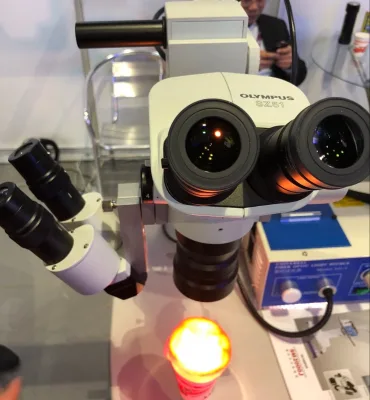

Veterinary Ophthalmic Equipment Surgery Microscope Portable Ophthalmic Surgical Microscope
$1745.00 - $2181.00
MOQ: 1 Pieces

Ophthalmic Surgery Microscope, Eye Operation Microscope for Ophthalmology
$999.00 - $99999.00
MOQ: 1 Sets


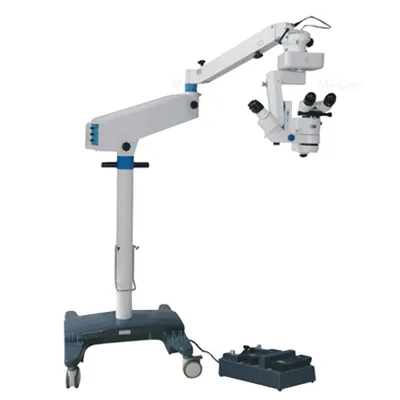

(MS-1200) Orthopedic Ophthalmic Microscope Surgical Operation Microscope
$1299.00 - $2899.00
MOQ: 1 Pieces

(MS-400C) Medical Microsurgery Operation Microscope Ophthalmic Surgical Microscope
$1899.00 - $2799.00
MOQ: 1 Pieces


(MS-1600) Medical Microsurgery Ophthalmic Surgical Microscope Operation Microscope
$5499.00 - $8999.00
MOQ: 1 Pieces

(MS-600D) Medical Microsurgery Ophthalmic Surgical Microscope Operation Microscope
$5499.00 - $8999.00
MOQ: 1 Pieces


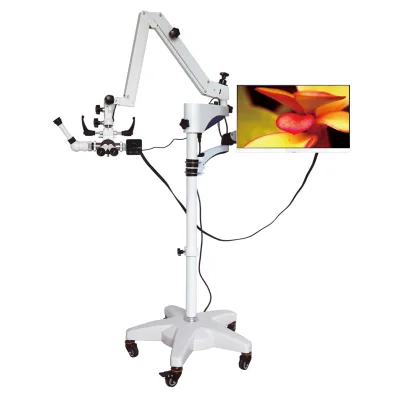
Hospital Eye Clinic Device Price Ophthalmic Surgical Operating Microscope
$1726.90 - $2185.31
MOQ: 1 boxes

Hot Selling Surgical Eye Surgery Microscope, Ophthalmic Operation Microscope
$1600.00 - $2800.00
MOQ: 1 Pieces
Comprehensive Sourcing Guide
Strategic Sourcing Guide for Motorized Focusing Ophthalmic Surgical Microscopes
The procurement of a Motorized Focusing Ophthalmic Surgical Microscope represents a significant capital investment for medical facilities, surgical centers, and ophthalmology departments. These instruments are critical for performing high-precision procedures such as cataract surgery, vitrectomy, and retinal repair. Unlike standard optical equipment, motorized systems introduce complex electromechanical components that require rigorous evaluation beyond basic optical performance. This guide synthesizes available product attributes and industry standards to provide a disciplined framework for sourcing, ensuring that buyers make decisions based on verified facts and logical procurement strategies rather than unverified marketing claims.
Technical Architecture and Optical Specifications
When evaluating a Motorized Focusing Ophthalmic Surgical Microscope, the primary focus must be on the integration of optical clarity with mechanical precision. The core optical system typically relies on high-grade optical glass to ensure minimal distortion and maximum light transmission. In the context of available market data, specific models utilize optical glass with a transmittance rate exceeding 95%, a critical metric for maintaining image brightness during delicate intraocular surgeries. The eyepiece configuration is equally vital; standard configurations often include 10X wide-field eyepieces, while others may offer 12.5X magnification to suit different surgeon preferences and procedural requirements.
The illumination system serves as the foundation for visual clarity. Buyers should verify that the unit supports dual illumination sources, typically LED and Halogen options. LED systems offer superior longevity and reduced heat generation, which is essential for patient comfort during long procedures, while Halogen provides a continuous spectrum that some surgeons prefer for color fidelity. The structural design of the microscope also plays a role; some units are classified as "Double Operating Light" systems, which provide enhanced depth perception and shadow reduction. Furthermore, the physical footprint and weight are significant logistical considerations. Heavy-duty models can weigh up to 110kg or even 215kg in total gross weight, necessitating robust floor support and specialized installation protocols.
| Feature Category | Observed Attributes | Procurement Verification Point |
|---|---|---|
| Optical Material | Optical Glass | Verify transmittance >95% and coating type (e.g., UV). |
| Magnification | 10X Wide Field, 12.5X | Confirm compatibility with surgeon's preferred diopter settings. |
| Illumination | LED / Halogen | Check for heat dissipation and bulb replacement protocols. |
| Weight | 110kg - 215kg | Assess floor load capacity and installation space requirements. |
| Focusing Type | Motorized (implied) | Test response time and precision of the motorized focus mechanism. |
Regulatory Compliance and Certification Standards
Navigating the regulatory landscape is perhaps the most critical step in sourcing medical devices. The market data indicates a diverse array of certifications and standards that products may claim to meet. Buyers must treat these claims as observations to be verified rather than guaranteed attributes of every unit. Common certifications observed in the sector include SGS, CE, and ISO9001. Additionally, specific regulatory types such as FDA approval are frequently cited, though the specific classification (e.g., Type Source: Air) requires careful interpretation against local jurisdictional requirements.
The "ISOCE" designation appears in some product listings, suggesting a combination of ISO standards and CE marking, but buyers should demand separate, valid certificates for each to ensure compliance. For products originating from China, which is a noted production hub for these devices, the presence of ISO, CE, and FDA standards is a baseline expectation. However, the specific standard "29 Lenses" or "201810cm" found in some data points refers to specific product models or packaging dimensions rather than universal regulatory standards. Procurement teams must verify that the specific model number, such as LK-OM1, ANJ-2000L, or HSOM2000D, holds the necessary regulatory clearance for the country of import. Relying on a general "CE" claim without a valid certificate number is a significant compliance risk.
Cost Drivers and Pricing Variables
The pricing for motorized ophthalmic surgical microscopes is highly variable, with observed ranges spanning from $1 to $99,999 USD. This wide disparity is not indicative of a single market tier but rather reflects the vast differences in specification, brand positioning, and included features. The "Low" end of the spectrum may represent basic optical accessories or non-motorized components, while the "High" end corresponds to fully integrated, motorized surgical systems with advanced digital interfaces.
Several factors drive the cost of these systems. First, the complexity of the motorized focusing mechanism adds significant engineering and manufacturing costs compared to manual systems. Second, the quality of the optical glass and the precision of the lens coating (such as UV coatings) directly impact the price. Third, the inclusion of auxiliary components like specialized power supplies (e.g., 170VA input) and specific voltage requirements (AC100V-240V) influences the final cost. Buyers should also consider the "Total Gross Weight" and packaging requirements, as heavy units (up to 215kg) incur higher shipping and handling costs. The "MOQ" (Minimum Order Quantity) observed as 1 suggests that these are often sold as single-unit capital assets rather than bulk commodities, meaning the unit price is the primary cost driver rather than volume discounts.
Typical Applications and Clinical Utility
The intended application of the microscope dictates the required specifications. The primary use case is clearly defined in the data as "Ophthalmology / Vitreo Retinal" procedures. These surgeries demand extreme stability and precision, making the motorized focusing capability a non-negotiable feature for many surgeons. The ability to adjust focus electronically allows the surgeon to maintain a sterile field while making micro-adjustments, which is crucial in vitrectomy and retinal detachment repairs.
Beyond the operating room, these devices are sometimes categorized under "Imaging Diagnostic Equipment" or "Optical Accessories," suggesting potential utility in diagnostic settings or as part of a larger imaging suite. The "Group" classification of "Middle-aged and Old" likely refers to the demographic of patients most commonly requiring these procedures, rather than a restriction on the device's usage. The "Scale" of the equipment is noted as "Medium," indicating that while these are large, sophisticated machines, they are designed to fit within standard operating theater layouts. Buyers should ensure that the "Scope of Application" matches their specific surgical volume and the types of procedures they perform, as a microscope optimized for high-volume cataract surgery may differ in feature set from one designed for complex retinal work.
Supplier Evaluation and Origin Verification
When selecting a supplier, the origin of the product is a key data point. The supplied facts indicate that the primary production location is "China," with specific mentions of "Jiangsu, China" as a manufacturing hub. This region is known for a dense cluster of medical device manufacturers. However, the origin alone does not guarantee quality. Buyers must evaluate the supplier's ability to provide consistent quality control, particularly given the "Customization: Available" attribute. Many suppliers offer tailored solutions, such as specific packing configurations (e.g., "Individually Plastic Case and Gift Box" or "Carton Package"), which can affect the final product's protection during transit.
The "Type" of the product varies in the data, ranging from "Ophthalmic Surgical Microscope" to "Operation Microscope" and "Optical Accessories." This inconsistency highlights the need for precise communication with suppliers. A buyer seeking a motorized surgical microscope must explicitly confirm that the "Type" listed in the contract matches the functional requirements, as some listings may refer to optical accessories rather than the complete surgical unit. Furthermore, the "Classification" as "Imaging Diagnostic Equipment" or "Medical Device" must be aligned with the regulatory category of the device in the buyer's jurisdiction.
Quality Control and Long-Term Procurement Considerations
Quality control extends beyond the initial purchase to the long-term reliability of the equipment. The "Standard" attributes observed, such as "29 Lenses" or "0.8 cbm," are specific to individual models and should not be generalized. Instead, buyers should focus on the overarching standards like ISO and CE. The "Coating" process, specifically UV coating, is a critical quality indicator for optical longevity and protection against light degradation.
Long-term procurement considerations include the availability of spare parts and the technical support infrastructure. The "Power" requirements (170VA) and "Input Voltage" (AC100V-240V) suggest that the device requires a stable power supply, and buyers should verify the availability of compatible power adapters or transformers. The "Weight" of individual components, such as a 1kg inverter or a 110kg main unit, impacts maintenance logistics. Additionally, the "Packing" standards, whether "Carton Package" or "Box," must be sufficient to protect the delicate optical components during shipping and storage. Buyers should also inquire about the "Lead Time" and "Test Results," as these are not provided in the source data but are essential for supply chain planning. Without verified test data, the performance claims of the motorized focusing system remain unproven, necessitating a rigorous acceptance testing protocol upon delivery.
In conclusion, sourcing a Motorized Focusing Ophthalmic Surgical Microscope requires a meticulous approach that balances optical performance, regulatory compliance, and logistical feasibility. By grounding decisions in the verified attributes of optical glass, certification standards, and specific model specifications, buyers can navigate the complex market to acquire equipment that meets the high demands of modern ophthalmic surgery. The variability in pricing and specifications underscores the importance of detailed due diligence, ensuring that the final procurement aligns with both clinical needs and operational realities.
FAQs
What certifications are required for this microscope?
Common certifications include SGS, CE, ISO9001, and FDA. Buyers must verify specific certificates for each model, as claims like ISOCE require separate validation for ISO and CE compliance before purchase.
Which optical materials ensure high image quality?
The device typically uses optical glass with a transmittance rate exceeding 95%. This material, often featuring UV coatings, minimizes distortion and maintains brightness during delicate intraocular surgeries.
How does the illumination system function?
The system supports dual illumination sources, typically LED and Halogen. LED offers longevity and reduced heat, while Halogen provides continuous spectrum color fidelity preferred by some surgeons for specific procedures.
Can the product be customized for specific needs?
Yes, customization is available for various product attributes. Buyers should confirm specific requirements regarding packing, such as plastic cases or cartons, and ensure the model matches their surgical scope.
What is the typical weight of the unit?
Units vary significantly, with weights ranging from 110kg to 215kg total gross weight. This heavy footprint requires robust floor support and specialized installation protocols in the operating theater.
Where are these microscopes primarily manufactured?
The primary production location is China, with specific hubs noted in Jiangsu. Buyers should verify the origin and ensure the supplier can provide valid documentation for the specific model number.
What is the minimum order quantity for purchase?
The observed minimum order quantity is 1 unit. This indicates that these are typically sold as single capital assets rather than bulk commodities, making unit price the primary cost driver.