Source Multi-Cavity Lipstick Tube Mold for Packaging, Prototyping, and Production
Explore 30 listings for multi-cavity lipstick tube mold options featuring aluminum and ABS materials. Buyers can compare cavity counts, supply abilities, and customization services from verified suppliers in Guangdong.
Key considerations
Products List
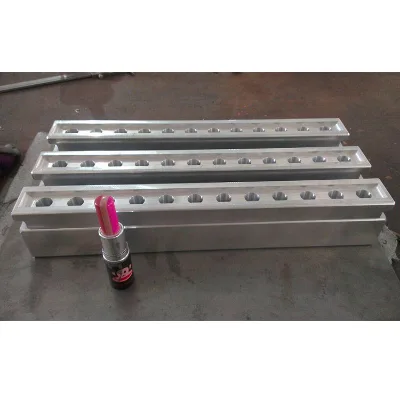
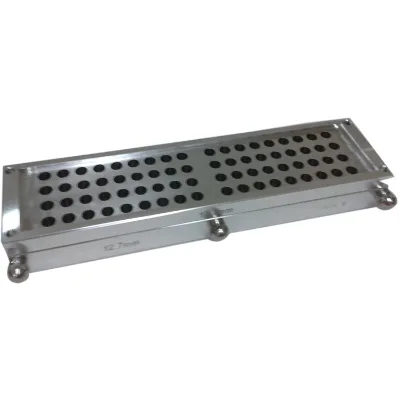
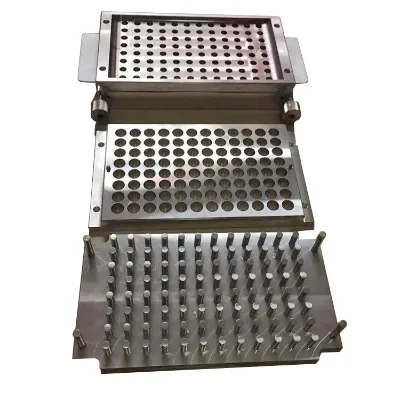
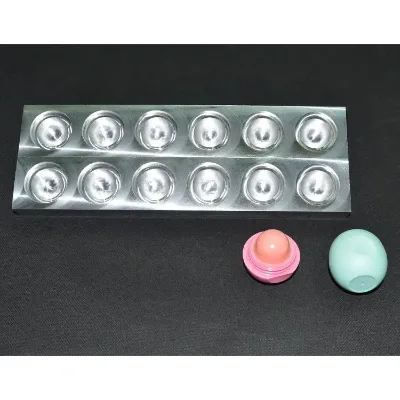
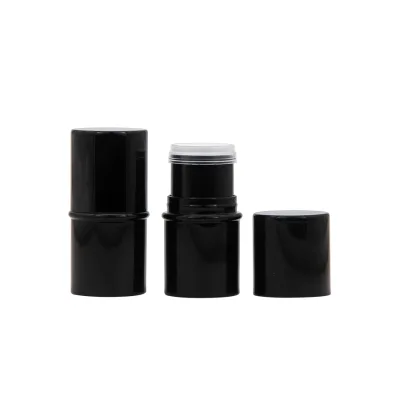
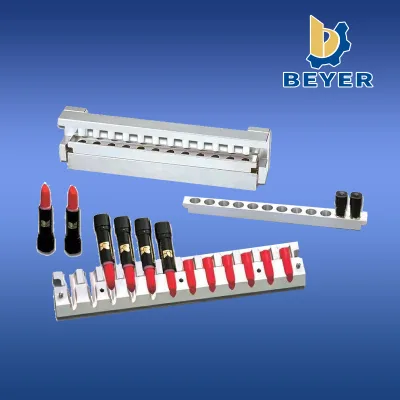
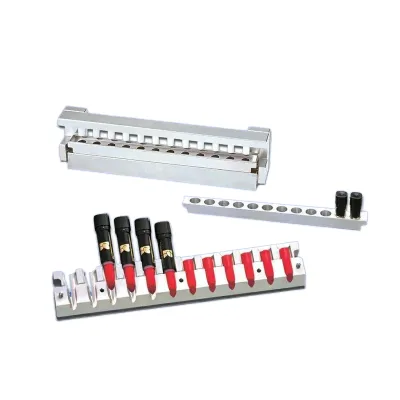


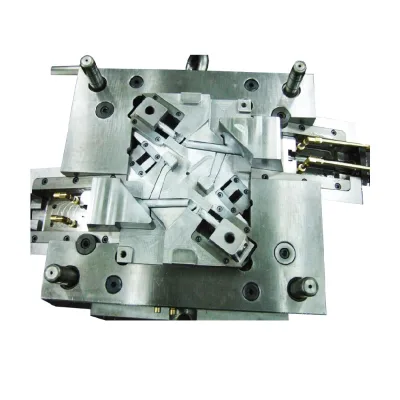


Professional Parts Custom Lipstick - 12 Cavity Lipstick Making D Plastic Injection
$2800.00 - $200000.00
MOQ: 1 Sets


Comprehensive Sourcing Guide
Strategic Sourcing Guide for Multi-Cavity Lipstick Tube Molds
Navigating the procurement landscape for multi-cavity lipstick tube molds requires a precise understanding of manufacturing capabilities, material science, and supply chain logistics. The core keyword "multi-cavity lipstick tube mold" points to a specialized segment of tooling designed to increase production efficiency through simultaneous molding of multiple units. Buyers must distinguish between the mold itself and the final cosmetic product, as the technical specifications for the tooling often differ significantly from the finished goods. This guide synthesizes available product attributes and industry standards to provide a structured approach for evaluating potential suppliers and defining project requirements.
Understanding Technical Specifications and Cavity Configurations
The defining characteristic of a multi-cavity mold is the number of cavities, which directly dictates production volume and unit cost. In the current market, observed configurations vary widely, with specific listings indicating cavity counts of 6, 12, and 96. A 6-cavity mold is typically suited for prototyping or low-volume, high-precision runs, whereas a 96-cavity configuration represents high-volume mass production. The choice of cavity count is not merely a numerical decision but a strategic one involving the balance between initial tooling investment and per-unit manufacturing costs.
Material selection is equally critical for the longevity and precision of the mold. The supplied data highlights "Aluminium" and "aluminum alloy" as primary materials for the mold construction. Aluminum molds offer excellent thermal conductivity, which is essential for cooling the plastic or silicone rapidly during the injection molding cycle. This property helps reduce cycle times and improves the dimensional stability of the final lipstick tube. However, the specific alloy grade and heat treatment processes are not explicitly detailed in general listings, requiring buyers to request metallurgical certificates or detailed material datasheets to ensure the mold can withstand the required production pressure and thermal cycling.
The physical dimensions of the mold are also standardized in certain contexts. For instance, specific model numbers like "S9122" and "BYL12" are associated with defined dimensions such as a thickness of 24mm or a size of W27*H54.5. These measurements are crucial for compatibility with existing injection molding machines. A mold that is too large or heavy for a machine's platens or clamping force capacity will result in production failures. Furthermore, the cavity pitch, observed at 20mm and 10.6mm in various listings, determines the spacing between the individual cavities. This spacing must align with the runner system design to ensure uniform filling and minimize material waste.
Material Compatibility and Shaping Modes
While the mold itself is often constructed from aluminum, the material being molded into the lipstick tube varies. The data indicates that the shaping mode is primarily "Plastic Injection Mould," suggesting the use of thermoplastics. Common materials for lipstick tubes include ABS and AS, as noted in specific product attributes. These materials provide the necessary rigidity and gloss finish required for cosmetic packaging. The interaction between the mold surface and the plastic material is vital; surface handling techniques such as "hot stamping" may be integrated into the mold design or applied as a secondary process to the finished tube.
It is important to clarify that some listings mention "silicone" in the context of keywords like "lipstick mold silicone." This often refers to the use of silicone for specific components, such as flexible inserts or for the production of silicone-based lipsticks, rather than the mold material itself. A true multi-cavity injection mold for hard plastic tubes will utilize steel or aluminum tooling, whereas silicone molds are typically used for casting or molding soft materials. Buyers must verify whether the supplier is offering a hard tool for injection molding or a soft mold for casting, as the procurement strategy and pricing models differ significantly between these two processes.
The shape of the final product is another variable. The provided facts state that "any kinds of shape are accept," indicating a high degree of customization. This flexibility allows brands to create unique tube geometries that differentiate their products on the shelf. However, complex shapes may require more intricate mold designs, potentially increasing the number of slides, lifters, or cooling channels required. This complexity can impact the lead time and the overall cost of the mold.
Cost Drivers and Pricing Structures
The pricing for multi-cavity lipstick tube molds is influenced by several dynamic factors. The observed price range in the market spans from $0.1 to $200,000, a vast disparity that reflects the difference between simple prototype molds and complex, high-cavity production tools. The lower end of this spectrum likely corresponds to single-cavity molds or small-scale silicone molds, while the upper end represents high-precision, multi-cavity aluminum or steel molds with advanced cooling systems.
Minimum Order Quantity (MOQ) is a significant cost driver. Listings show MOQs ranging from 1 set to 12,000 pieces. For a buyer seeking a single mold for a pilot run, an MOQ of 1 set is advantageous. However, for mass production, an MOQ of 12,000 pieces suggests that the supplier may be bundling the mold cost with a minimum volume of production or selling the mold only as part of a larger contract. Buyers must clarify whether the quoted price is for the mold tooling alone or if it includes a minimum production run of the final cosmetic tubes.
Supply ability also plays a role in cost negotiations. Suppliers with a stated capacity of "1000 pieces per Month" may have limited throughput, potentially leading to higher per-unit costs due to bottlenecks. Conversely, suppliers capable of higher volumes may offer more competitive pricing for large orders. The weight of the mold, observed at 2KG for some units and 5.0KG for others, affects shipping costs and handling requirements. Heavier molds may require specialized logistics, which should be factored into the total landed cost.
Supplier Evaluation and Geographic Considerations
Geographic location is a key factor in supplier evaluation. The majority of the observed product data originates from "Guangdong, China," a global hub for manufacturing and tooling. Major ports of dispatch include Guangzhou and Shenzhen, which offer robust logistics infrastructure for international shipping. Buyers should verify the specific port of dispatch for each supplier, as this can impact lead times and freight costs.
When evaluating suppliers, the brand name and product specifications serve as initial filters. Brands like "Cosfinity" and "HEYI" appear in the data, but buyers should not rely solely on brand recognition. Instead, they should focus on the technical details provided, such as the model number, material composition, and customization capabilities. The ability to accept "customized designs" and "customized" cavity pitches is a strong indicator of a supplier's flexibility.
Service quality is another critical evaluation metric. Listings mentioning "Provided Professional Suggestions" indicate a supplier that engages with the buyer during the design phase. This collaborative approach can help optimize the mold design for manufacturability, reducing the risk of errors and rework. Additionally, the acceptance of "Logo printing" and "Customization" for the final product suggests that the supplier may offer value-added services beyond just the mold tooling.
Quality Control and Compliance Verification
Ensuring the quality of the mold and the resulting lipstick tubes requires a rigorous quality control process. While specific certifications like "REACH" and "ISO 9001" are mentioned in background data, they should not be assumed to be present without verification. Buyers must explicitly request certification documents to confirm compliance with relevant safety and quality standards. This is particularly important for cosmetic products, which are subject to strict regulations regarding material safety and chemical composition.
The "Single volume" of the mold is listed as "0 cm³" in some entries, which may indicate a data entry error or a specific measurement convention. Buyers should insist on accurate volume and weight specifications to ensure the mold meets the design requirements. The "Single gross weight" varies from 0.0 kg to 5.0 kg, further highlighting the need for precise verification of physical attributes.
Packaging details, such as "Corrugated Paper Box," are essential for protecting the mold during transit. Buyers should confirm that the packaging is sufficient to prevent damage, especially for heavy or precision-machined components. The "Selling Units" being listed as "Single item" suggests that molds are often sold individually, but buyers should clarify if bulk discounts or bundled services are available.
Long-Term Procurement and Maintenance Strategies
Procuring a multi-cavity lipstick tube mold is not a one-time transaction but the beginning of a long-term partnership. Maintenance and lifecycle management are crucial for maximizing the return on investment. Aluminum molds, while offering excellent thermal properties, may require more frequent maintenance compared to steel molds, depending on the production volume and the abrasive nature of the materials being molded.
Buyers should establish a clear maintenance schedule with the supplier, including regular cleaning, lubrication, and inspection of the mold surfaces. The "Shaping Mode" and "Surface Handling" techniques used in the mold should be documented to ensure that any future production runs maintain the same quality standards. Additionally, the availability of spare parts, such as ejector pins or cooling channels, should be confirmed to minimize downtime in case of wear or damage.
The customization aspect of the mold offers significant long-term value. As market trends shift, the ability to modify the mold or create new cavities can extend the useful life of the tooling. Buyers should discuss the potential for future modifications with the supplier, ensuring that the mold design allows for flexibility. The "Model Number" and "Specification" fields should be updated to reflect any changes, maintaining a clear record of the mold's evolution.
Comparative Analysis of Mold Options
To assist in decision-making, the following table compares key attributes observed in the market for multi-cavity lipstick tube molds. This comparison highlights the diversity in specifications and helps buyers identify the most suitable option for their specific needs.
| Attribute | Option A (High Volume) | Option B (Prototype/Low Volume) | Option C (Customized) |
|---|---|---|---|
| Cavity Count | 96 (Customized) | 6 (Customized) | 12 (Customized) |
| Material | Aluminum Alloy | Aluminum | Aluminum |
| MOQ | 12,000 pcs | 1 Set | 1 Set |
| Cavity Pitch | 10.6mm | 20mm | 10.6mm |
| Weight | 5.0 kg | 2KG | 2KG |
| Supply Ability | 1000 pieces/month | 1000 pieces/month | 1000 pieces/month |
| Brand | HEYI | Cosfinity | Cosfinity |
| Model Number | S9122 | BYL12 | Customized |
| Packaging | Corrugated Paper Box | Corrugated Paper Box | Corrugated Paper Box |
This table illustrates that while the core material and packaging remain consistent, the cavity count and MOQ vary significantly. Option A is best suited for large-scale production, whereas Options B and C offer more flexibility for smaller runs or specific design requirements. Buyers should select the option that aligns with their production volume and budget constraints.
In conclusion, sourcing multi-cavity lipstick tube molds requires a meticulous approach that balances technical specifications, cost considerations, and supplier capabilities. By focusing on the verified attributes provided and maintaining a rigorous evaluation process, buyers can secure high-quality tooling that meets their production needs and supports long-term business growth.
FAQs
What materials are used for multi-cavity lipstick tube molds?
The molds are primarily constructed from aluminum or aluminum alloy. This material offers excellent thermal conductivity to reduce cycle times. Some listings also mention ABS and AS for the final cosmetic tubes rather than the mold itself.
Which cavity configurations are available for these molds?
Available configurations include 6, 12, and 96 cavities. A 6-cavity setup suits prototyping, while 96 cavities support high-volume mass production. The cavity pitch varies, with options like 10.6mm and 20mm being observed in the market.
Can I request customized designs for the mold shape?
Yes, any kind of shape is accepted for customization. Buyers can specify unique geometries to differentiate their products. The model numbers and specifications are also listed as customized to meet specific project requirements.
What is the minimum order quantity for purchasing a mold?
The minimum order quantity ranges from 1 set to 12,000 pieces depending on the supplier. Some vendors offer a single set for pilot runs, while others require bulk orders for mass production contracts. This varies significantly by the specific listing.
Where are these molds typically manufactured and shipped from?
The place of origin is Guangdong, China. Major ports of dispatch include Guangzhou and Shenzhen. Buyers can also designate other ports in China for shipping, ensuring flexible logistics options for international procurement.
How much does a multi-cavity lipstick tube mold cost?
The observed price range spans from 0.1 to 200,000 USD. This wide disparity reflects differences between simple prototype molds and complex high-cavity production tools. Pricing depends heavily on the cavity count, material, and customization level.
What is the supply ability for these molds?
Suppliers typically offer a capacity of 1,000 pieces per month. This limit applies to the production of the final lipstick molds or tubes. Buyers should verify if this capacity meets their volume needs before placing a large order.