Source Multilayer FR4 ESP32 Module for IoT, Smart Home, and Industrial Control
Find and compare 30 listings for Multilayer FR4 ESP32 Module components suitable for IoT gateways, smart home devices, and industrial control systems. Evaluate specifications from various manufacturers to identify the right integrated circuit for your embedded design needs.
Key considerations
Products List
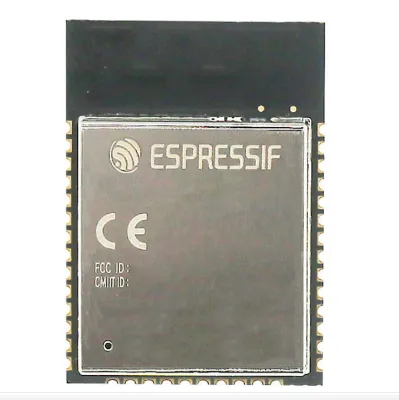


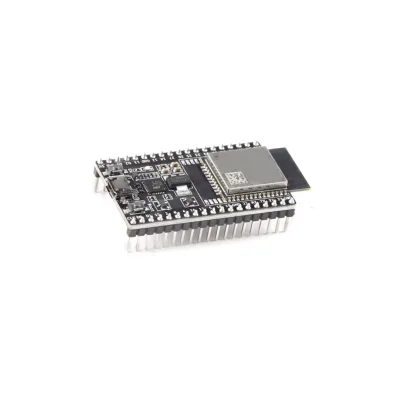
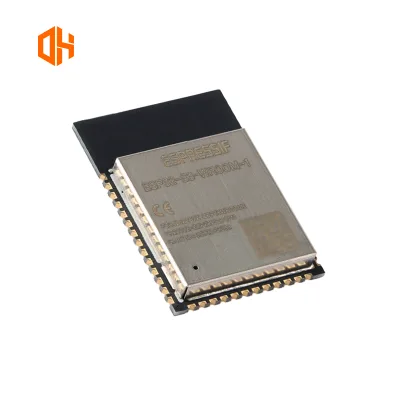
ESP32-WROOM-32U-N4 Wi-Fi+BT+BLE MCU modules RF TXRX MOD BLUETOOTH U.FL SMD
$0.05 - $200.00
MOQ: 500 Pieces


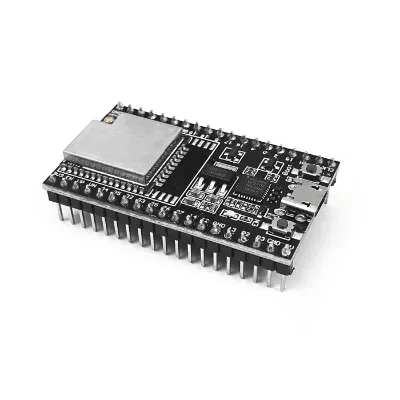


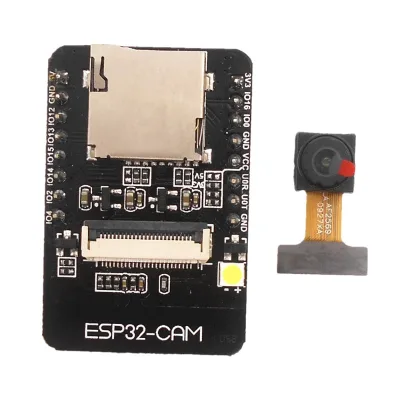
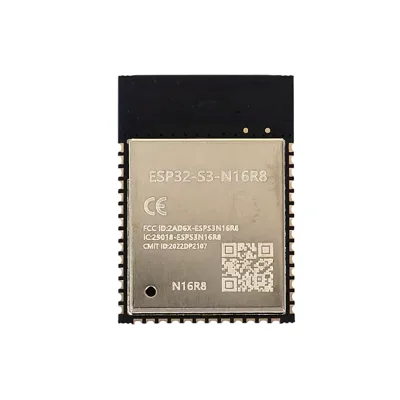


Comprehensive Sourcing Guide
Multilayer FR4 ESP32 Module Sourcing Guide
Sourcing multilayer FR4 ESP32 modules requires a disciplined approach to verifying component authenticity and technical compatibility. The ESP32 series, manufactured by Espressif, represents a dominant class of multiprotocol wireless modules that integrate Wi-Fi and Bluetooth capabilities into a single system-on-chip. Buyers must recognize that while the core silicon is standardized, the module implementation varies significantly based on the printed circuit board (PCB) material, antenna design, and flash memory configuration. The term "multilayer FR4" refers to the fiberglass-reinforced epoxy laminate substrate used in the module’s PCB, which provides mechanical stability and thermal management. Understanding this distinction is critical because the FR4 grade directly influences the module’s performance in high-frequency applications and its ability to withstand thermal cycling during soldering processes.
Procurement decisions for these modules are often driven by the need for compact, surface-mount device (SMD) solutions that support complex integration. The observed market signals indicate a wide range of model numbers, including the ESP32-WROOM-32E, ESP32-C3-MINI-1, and ESP32-S3-MINI-1, each catering to different performance tiers and form factors. Buyers should not assume that all listings labeled as "ESP32 modules" are functionally identical. The presence of specific designations such as "N4" typically denotes the amount of external flash memory, while other suffixes may indicate antenna type or regulatory certification status. Therefore, the initial sourcing phase must focus on precise model identification rather than generic category searches to avoid compatibility issues in the final product design.
Product Scope and Observed Listing Signals
The current market landscape for ESP32 modules exhibits significant variability in listing attributes, which can complicate the procurement process. Observed data points reveal a price range extending from zero to approximately 339.9 USD, with minimum order quantities (MOQs) varying from single units to 1,000 pieces. This wide dispersion suggests that listings may include everything from sample units and development kits to bulk industrial components. Buyers must carefully scrutinize the "Product Status" and "Quality" attributes, as terms like "Genuine New Original" are common marketing claims that require independent verification. The presence of conflicting date codes, such as 22+, 23+, and 24+, further indicates that inventory may be sourced from multiple distributors or represent different production batches, necessitating strict lot control during procurement.
Technical descriptions in listings often mix accurate module specifications with unrelated product attributes, creating noise that obscures the true nature of the offering. For instance, some data points reference CCTV cameras, infrared technology, and HDMI formats, which are entirely unrelated to the ESP32 wireless module category. This discrepancy highlights the importance of filtering listings based on core technical identifiers such as "Multiprotocol Modules," "SMD Module," and specific model numbers like ESP32-WROOM-32E-N4. Buyers should prioritize listings that explicitly mention "Semiconductor IC," "Integrated Circuit," and "GSM/GPRS Module" (noting that ESP32 is primarily Wi-Fi/BLE, so this tag may indicate a broader category listing) to ensure relevance. Ignoring these irrelevant attributes prevents the accidental procurement of incompatible hardware.
Technical Specifications to Verify
Verifying the physical and electrical specifications of the module is the most critical step in ensuring design compatibility. The ESP32-WROOM-32E-N4, for example, is a specific variant that buyers must distinguish from other models like the ESP32-C3 or ESP32-S3 series. Key verification points include the package type, which is typically SMD or module form factor, and the mounting type, which is surface mount technology (SMT). The operating temperature range is another vital specification; observed data indicates ranges from -40℃ to 85℃ for standard industrial applications, while other listings mention -55℃ to 125℃, which may refer to the underlying chip rather than the complete module assembly. Buyers must confirm which temperature rating applies to the final assembled module to ensure reliability in their specific environmental conditions.
Memory configuration and integration level are also essential technical parameters that directly impact system performance. The "N4" suffix in the model number ESP32-WROOM-32E-N4 typically indicates 4MB of flash memory, but this must be confirmed against the datasheet. Additionally, the integration type, listed as GSI or MSI in various sources, refers to the scale of integration within the semiconductor, which affects pin count and peripheral availability. Buyers should also verify the single package size and gross weight, as these dimensions influence PCB layout and shipping logistics. The shape of the component, described as flat or specific package types like DIP-16 (which is inconsistent with typical ESP32 modules), must be cross-referenced with the actual mechanical drawing to avoid assembly errors.
Compliance and Safety Documentation
Regulatory compliance is non-negotiable for wireless modules intended for global distribution. The ESP32 modules must carry appropriate certifications such as CE, FCC, and RoHS, which attest to electromagnetic compatibility and hazardous substance restrictions. Some listings also mention CCC (China Compulsory Certification) and EMI/EMC standards, which are crucial for market access in specific regions. Buyers must request valid certification reports from the supplier to verify that the specific model number and batch have been tested and approved. The absence of these documents can lead to significant delays in product launch and potential legal liabilities, especially if the module is integrated into a larger device that also requires certification.
Safety documentation extends beyond regulatory marks to include handling and storage guidelines for the semiconductor components. The modules are classified as electronic components and integrated circuits, which are sensitive to electrostatic discharge (ESD) and moisture. Buyers should ensure that the supplier provides proper packaging, such as anti-static bags and vacuum-sealed boxes, to maintain the integrity of the components during transit. The "Product Packing" attribute, listed as "Box" in some contexts, must be evaluated for its protective qualities. Additionally, the "Effective Distance" mentioned in some certification contexts likely refers to the antenna range, which is a performance metric rather than a safety standard, but it should be verified against the module’s antenna design to ensure it meets the application’s coverage requirements.
Cost Drivers and Commercial Terms
The cost of ESP32 modules is influenced by several factors, including the volume of the order, the specific model variant, and the inclusion of value-added services such as customization. The observed MOQ range of 1 to 1,000 units suggests that pricing tiers are likely structured to reward larger purchases, although the exact price points are not specified in the available data. Buyers should anticipate that customizations, such as proprietary antenna designs or pre-loaded firmware, may incur additional costs. The "Customization: Available" attribute indicates that suppliers are willing to tailor the module to specific needs, but this flexibility often comes with higher unit prices and longer lead times.
Commercial terms also encompass the logistics and handling of the components. The single gross weight of 0.500 kg and the single package size of 5X5X5 cm provide baseline data for calculating shipping costs, but these figures may vary depending on the quantity ordered. Buyers should clarify whether the quoted price includes international shipping, insurance, and customs duties, as these can significantly impact the total cost of ownership. Furthermore, the "Selling Units" attribute, listed as "Single item," implies that pricing may be per unit, but bulk discounts should be negotiated explicitly. Understanding the full commercial landscape, including payment terms and return policies, is essential for managing budget risks and ensuring supply chain stability.
Supplier Qualification and Quality Control
Selecting a reliable supplier is paramount to avoiding counterfeit components and ensuring consistent quality. The brand name "ESPRESSIF" and manufacturer "EXPRESSIF" (noting the typo in some listings) are key identifiers, but buyers must verify that the supplier is an authorized distributor or has a direct relationship with the manufacturer. The "Quality: Genuine New Original" claim must be backed by traceability documentation, such as batch numbers and production date codes (D/C). Buyers should request certificates of conformity and test reports from independent laboratories to validate the authenticity of the components. The presence of multiple date codes (22+, 23+, 24+) in listings suggests that some suppliers may aggregate inventory from various sources, which can complicate quality control efforts.
Quality control processes should also include incoming inspection protocols for the received modules. Buyers should implement checks for visual defects, solder joint integrity, and electrical functionality upon receipt. The "Technics: Semiconductor IC" and "Conductive Type: Bipolar Integrated Circuit" attributes highlight the technical nature of the product, requiring specialized handling and testing equipment. Suppliers who offer pre-shipment inspections or third-party quality assurance services provide an additional layer of security. Additionally, the "Product status: Active" indicates that the components are currently in production, which is favorable for long-term supply, but buyers should also assess the supplier’s ability to manage obsolescence and provide advance notice of any design changes.
Long-Term Procurement Checks
Sustaining a reliable supply chain for ESP32 modules requires ongoing monitoring of market trends and supplier performance. Buyers should regularly review the availability of specific model numbers, such as the ESP32-WROOM-32U-N4 and ESP32-S3-MINI-1, to anticipate potential shortages or discontinuations. The "Place of Origin: China" is a common source for these components, but geopolitical factors and supply chain disruptions can impact lead times and pricing. Establishing relationships with multiple qualified suppliers can mitigate the risk of single-source dependency. Buyers should also stay informed about updates from Espressif regarding new module variants or changes in the ESP32 ecosystem, as these can influence design decisions and procurement strategies.
Long-term procurement checks also involve evaluating the supplier’s responsiveness and support capabilities. Suppliers who provide technical documentation, reference designs, and engineering support add significant value to the procurement process. Buyers should assess the supplier’s ability to handle returns, replacements, and technical inquiries efficiently. The "Integration: GSI" and "Integration: MSI" attributes, while technical, also reflect the supplier’s understanding of the product’s complexity. By maintaining a proactive approach to supplier management and market analysis, buyers can ensure a stable and cost-effective supply of ESP32 modules for their electronic products.
FAQs
What is the operating temperature range for the ESP32-WROOM-32E module?
The operating temperature range is -55 to 125 degrees Celsius for specific variants. Other models listed support a range of -40 to 85 degrees Celsius depending on the specific configuration and manufacturer specifications provided.
Which certifications are available for the ESP32-WROOM-32E module?
Available certifications include CE, FCC, CCC, RoHS, EMI/EMC, and ISO9001. These standards ensure compliance with international safety and environmental regulations for electronic components used in various industrial applications.
Can the ESP32-WROOM-32E module be customized for specific needs?
Yes, customization is available for this module to meet specific project requirements. Buyers should verify the exact customization options with the supplier as availability depends on the specific order and production capacity.
What is the minimum order quantity for the ESP32-WROOM-32E module?
The minimum order quantity ranges from 1 to 1000 units depending on the supplier. Buyers must check individual listings to confirm the specific MOQ applicable to their order size and the current stock availability.
Where are the ESP32-WROOM-32E modules manufactured?
The modules are manufactured in China according to the product origin details. This location is consistent across the listed suppliers offering genuine new original ESPRESSIF branded components for global distribution.
What package type is used for the ESP32-WROOM-32E module?
The module uses an SMD package type for surface mount technology installation. Some listings also indicate DIP-16 packaging options, so the specific package should be confirmed based on the selected model variant.