Source Nasal Inhaler for Medical, Respiratory, and Wellness Use
Explore 19 nasal inhaler options from Chinese manufacturers. Compare features like dosage accuracy, packaging, and certifications including GMP and CE. Find suitable models for external medical and wellness applications with customizable flavors and packaging; compare the available evidence and request quotations based on your requirements.
Key considerations
Products List


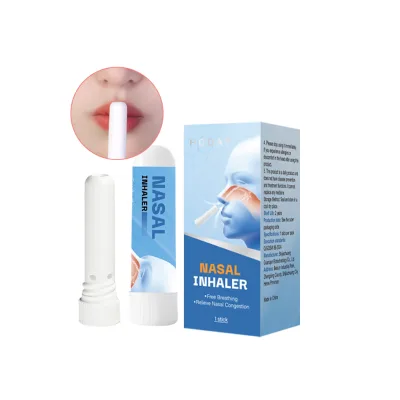
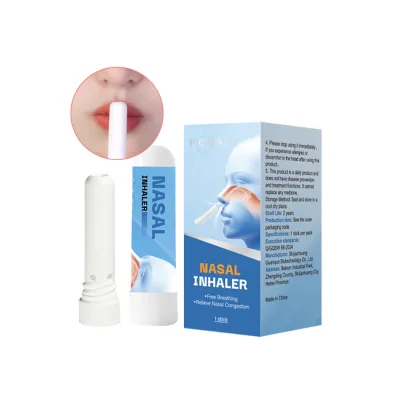


Comprehensive Sourcing Guide
Nasal Inhaler Sourcing Guide
Buyers must first distinguish between medical-grade respiratory devices and general wellness products when evaluating listings for nasal inhalers. The observed catalog includes specific models like VIA-250600501 and V-V001, which are explicitly categorized under medical applications with features such as accurate dosing and easy priming capabilities. This distinction is critical because medical devices often require stricter regulatory oversight compared to non-medical breathing apparatuses, influencing the entire procurement strategy and compliance burden.
Procurement teams should also verify the physical form and packaging configuration to ensure alignment with clinical or retail requirements. The available data indicates products exist as ointments in plastic bottles or as inhaler units with crimp-on closures, packaged in blister packs, poly bags, or cartons. Understanding these variations helps buyers select the correct unit for their distribution channel, whether it requires individual blister packaging for patient safety or bulk carton packing for wholesale logistics.
Product Scope and Observed Listing Signals
The market for nasal inhalers presents a wide range of product models, from specific identifiers like VIA-2024073103 to generic descriptions such as "Oxygen Regulator inhaler." Buyers should note that while some listings offer customization for flavor and logo printing, others are strictly non-customized with standard white ointment formulations. This variability requires careful filtering to ensure the selected supplier can meet specific branding or formulation needs without compromising the core functionality of the device.
Packaging and material specifications vary significantly across the observed listings, with options ranging from 432 to 1200 pieces per carton and materials including plastic bottles and recycled or unrecycled components. The presence of different closure types, such as 20mm crimp-on mechanisms, alongside varying dosing standards suggests that buyers must explicitly define their technical requirements before engaging with suppliers. Relying on general descriptions without verifying these specific attributes can lead to mismatches in product performance or regulatory classification.
Technical Specifications to Verify
Technical verification must begin with the physical form and material composition of the inhaler unit. Buyers should confirm whether the product is an ointment or a gas delivery system, as the observed data lists both forms with distinct packaging like blister packs or color boxes. The material is predominantly plastic, but the flexibility and hardness of the bottle or casing can impact durability and user experience, necessitating a request for physical samples to validate the tactile and structural properties before bulk ordering.
Dosing accuracy and standardization are equally critical for medical efficacy and user safety. The listings reference various weight standards, including 0.5g, 1g, and 2g, alongside specific model numbers that may correspond to different dosage capacities. Procurement teams must ensure the selected model delivers the precise amount of active ingredient required for the intended application, as inconsistent dosing can render the device ineffective or potentially unsafe for the end-user.
Compliance and Safety Documentation
Regulatory compliance is a primary concern when sourcing medical devices, as the observed listings cite certifications such as GMP, ISO, CE, and FDA. Buyers must verify that the specific model they intend to purchase holds the necessary approvals for their target market, as the presence of a certification on a general listing does not guarantee that every SKU or batch is compliant. It is essential to request current, valid certificates that explicitly cover the product model and its intended medical use to avoid legal and safety liabilities.
Safety documentation should also include detailed information on the product's origin and manufacturing standards. The data indicates that products are made in China, and buyers should confirm that the manufacturing facility adheres to the stated standards like ISO or GMP. Additionally, understanding the regulatory type, such as the "Small" scale classification mentioned in some listings, helps determine the specific regulatory pathway required for importation and market entry in different jurisdictions.
Cost Drivers and Commercial Terms
Pricing for nasal inhalers is influenced by the complexity of the device, the level of customization, and the order volume. The observed price range spans from $0.05 to $13.50, reflecting the difference between simple packaging and more complex medical devices with advanced dosing mechanisms. Buyers should analyze the cost structure relative to the features provided, such as logo printing or specific flavor customization, to ensure they are not overpaying for unnecessary attributes or underestimating the cost of high-quality medical-grade components.
Minimum Order Quantities (MOQ) and lead times are significant commercial factors that affect inventory planning and cash flow. The observed MOQ ranges from 1 to 100,000 units, offering flexibility for small startups while accommodating large-scale distributors. However, buyers must negotiate clear terms regarding lead times and production capacity, as high-volume orders may require extended manufacturing schedules. Understanding these thresholds helps in balancing inventory costs with the risk of stockouts or overstocking.
Supplier Qualification and Quality Control
Supplier qualification requires a rigorous assessment of their manufacturing capabilities and quality assurance processes. Buyers should verify that the supplier has a proven track record in producing medical devices, supported by the cited certifications like ISO and CE. It is advisable to conduct on-site audits or request third-party audit reports to ensure that the production environment maintains the necessary hygiene and precision standards required for medical-grade inhalers and ointments.
Quality control protocols must be clearly defined and agreed upon before production begins. Given the variation in packaging and materials, buyers should establish specific acceptance criteria for product dimensions, closure integrity, and dosage accuracy. Implementing a robust inspection plan, including pre-shipment inspections and random sampling, ensures that the final products meet the agreed-upon specifications and reduces the risk of receiving defective or non-compliant goods.
Long-Term Procurement Checks
Sustaining a successful supply chain for nasal inhalers involves regular performance reviews and continuous quality monitoring. Buyers should establish a schedule for periodic audits and product testing to ensure that the supplier maintains consistent quality over time. This proactive approach helps identify potential issues early, such as material degradation or changes in manufacturing processes, allowing for timely corrective actions before they impact the end-user or brand reputation.
Strategic planning for future procurement should also consider the scalability and adaptability of the supplier. As market demands evolve, the ability to adjust production volumes, modify product specifications, or introduce new features like different flavors or packaging sizes becomes crucial. Buyers should maintain open communication channels with suppliers to discuss long-term roadmaps and ensure that the partnership can support growth and innovation in the nasal inhaler market.
FAQs
What certifications do nasal inhaler products typically hold?
Nasal inhaler products typically hold GMP, ISO, CE, and MSDS certifications. These credentials ensure that manufacturing processes meet international quality and safety standards. Buyers should verify specific certification documents to confirm compliance with regional regulatory requirements before placing bulk orders.
Can nasal inhalers be customized for specific branding needs?
Yes, nasal inhalers can be customized to accept specific flavors and branding. Manufacturers offer customization options for logos and packaging designs. This allows buyers to tailor products to their target market preferences while maintaining the core functional integrity of the inhaler device.
What is the standard packaging format for nasal inhalers?
Standard packaging formats include blister packs containing one or six pieces, along with carton boxes holding 432, 600, or 1200 pieces. Poly bags are often used inside cartons for protection. This layered approach ensures product safety during shipping and storage.
Which materials are used for nasal inhaler bottles?
Nasal inhaler bottles are primarily made from plastic using bottle blowing techniques. The material is hard and features a 20mm crimp-on closure. This design ensures accurate dosage delivery and easy priming or repriming for consistent user experience during external application.
What is the typical origin of nasal inhaler manufacturing?
Nasal inhalers are predominantly made in China. Manufacturers in this region provide various models and specifications to meet global demand. Buyers can source products directly from these origins, ensuring access to a wide range of medical device options and competitive pricing structures.