Source Natural Cherry Flavour Concentrate for Beverages, Candy, and Baking
Find 30 listings for Natural Cherry Flavour Concentrate suitable for DIY juice, food and beverage applications, and concentrated liquid flavoring. Compare specifications including purity, packaging options, and certifications to identify the right supplier for your production needs; compare the available evidence and request quotations based on your requirements.
Key considerations
Products List





Comprehensive Sourcing Guide
Natural Cherry Flavour Concentrate Sourcing Guide
Procuring natural cherry flavour concentrates requires distinguishing between products derived from actual fruit resources and those synthesized through chemical processes, as the supply chain offers both distinct categories. While the observed market data highlights various fruit concentrates like lemon, guava, and orange, buyers must specifically verify the resource origin to ensure the cherry profile meets "natural" claims rather than relying on chemosynthesis. This distinction is critical for brands targeting clean-label markets where the source material defines the product's marketability and regulatory compliance status.
Buyers should scrutinize product listings for explicit resource declarations, noting that some observed items are labeled as "Natural" while others are explicitly "Chemosynthesis" or "Synthetic Flavor." Since the provided facts do not confirm a specific cherry product with a "Natural" resource tag, procurement teams must request detailed material safety data sheets and ingredient statements to confirm the cherry essence is not a synthetic mimic. This verification step prevents mislabeling risks and ensures the final beverage or food product aligns with the intended natural positioning in the consumer market.
Product Scope and Observed Listing Signals
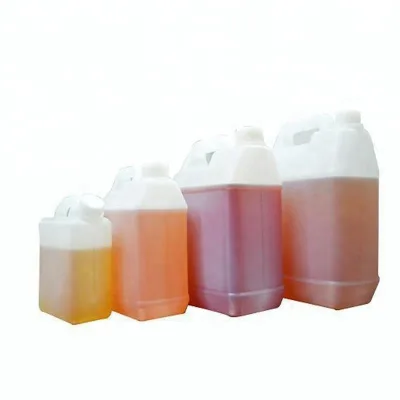
The current market landscape for fruit flavour concentrates includes a wide array of liquid profiles ranging from lemon and guava to mixed fruit and orange variants, yet specific cherry options require careful filtering. Observed listings indicate that products generally appear as colorless to light yellow liquids, though some specific fruit profiles like mandarin or mixed blends may exhibit canary yellow hues. Buyers seeking cherry concentrates must verify if the specific listing matches the expected visual characteristics of cherry essence, as the color can vary significantly based on the extraction method and the presence of natural pigments versus artificial coloring agents.
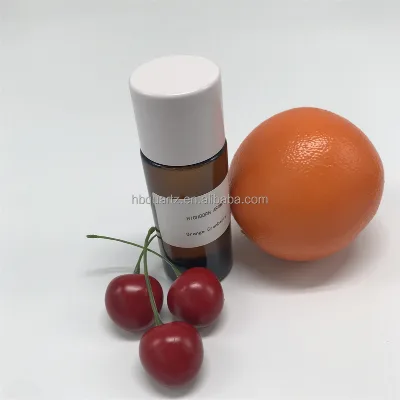
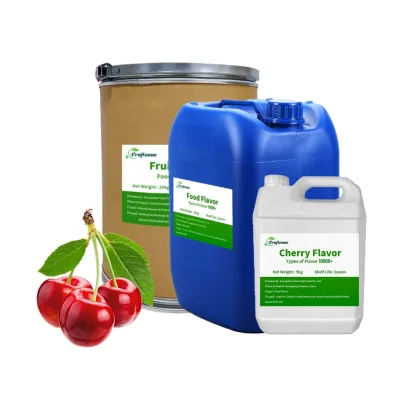
Packaging and volume standards vary widely across the observed inventory, with options ranging from small 125ml fluoride bottles to large 5-liter containers and industrial drums. The data shows that some products utilize aluminum foil bags or laminated materials, while others are packed in standard drums for bulk distribution. When sourcing cherry concentrates, buyers must align their packaging requirements with these observed standards, ensuring that the selected container material protects the volatile aromatic compounds from oxidation and light degradation, which is essential for maintaining the integrity of the cherry flavor profile during storage and transport.
Technical Specifications to Verify
Technical verification begins with confirming the physical form and concentration levels, as the observed data indicates products are primarily available as liquids with varying shelf lives ranging from two years to six years. Buyers must ensure the specific cherry concentrate they select has a shelf life compatible with their production schedule, noting that some observed items carry a shelf life of over twelve months while others are rated for up to six years. This variance often correlates with the preservation methods used and the purity of the concentrate, making it a critical parameter for inventory management and product stability planning.
Purity and grade specifications are equally vital, with some observed products claiming 100% purity and others categorized under specific grades like "Pure Essential Oil Grade A." For cherry concentrates, buyers should demand documentation confirming the concentration ratio and the absence of unnecessary fillers or diluents that might alter the flavor intensity. The observed standard of 125ml to 5L suggests that the product is sold in concentrated forms intended for dilution, so verifying the exact dilution ratio and the resulting flavor strength in the final application is necessary to achieve consistent taste profiles across different batches.
Compliance and Safety Documentation
Regulatory compliance is a non-negotiable aspect of sourcing, with observed listings displaying a range of certifications including MSDS, COA, HACCP, FDA, ISO, and BRC. Buyers must ensure that the specific cherry concentrate supplier provides a valid Certificate of Analysis (COA) and Material Safety Data Sheet (MSDS) for every batch, as these documents verify the chemical composition and safety profile of the product. The presence of multiple certifications in the market data suggests that high-quality suppliers adhere to rigorous international standards, but buyers cannot assume a specific cherry product holds these credentials without explicit verification from the manufacturer.
Food safety standards such as HACCP and ISO are particularly relevant for products intended for direct human consumption in beverages or processed foods. Since the observed data includes products with "Nutritional" value claims and "Natural" resource tags, buyers must cross-reference these claims against the provided safety documentation to ensure no prohibited additives or allergens are present. The absence of specific cherry-related certification data in the general list means that procurement teams must explicitly request these documents to confirm that the cherry concentrate meets the safety requirements of their target export markets and local food regulations.
Cost Drivers and Commercial Terms
Commercial terms in the flavour concentrate market are influenced by the MOQ, which ranges from small quantities of 1 unit to bulk orders of 2400 units, with specific items like synthetic flavors requiring a 25kg minimum order. Buyers must calculate the total cost of ownership by factoring in these MOQ thresholds, as ordering below the minimum may result in higher per-unit costs or the inability to secure the product entirely. The observed lead times of 3 to 7 days indicate a relatively agile supply chain, but buyers should confirm if expedited shipping is available for urgent cherry flavour needs to avoid production delays.
Payment methods and pricing structures vary, with observed listings accepting PayPal and T/T transfers, suggesting flexibility for different buyer sizes. However, the wide price range observed from 0.1 to 200 USD implies significant variance based on purity, volume, and certification levels. Buyers should negotiate based on the specific grade of the cherry concentrate, ensuring that the price reflects the "Natural" resource status and the associated quality controls rather than the lower costs associated with synthetic or chemosynthesized alternatives. Understanding these cost drivers helps in budgeting for both initial trials and long-term supply contracts.
Supplier Qualification and Quality Control
Supplier qualification requires a deep dive into their production capabilities and quality control protocols, especially given the mix of natural and synthetic resources observed in the market. Buyers should verify if the supplier has dedicated facilities for natural fruit extraction versus chemical synthesis, as this impacts the consistency and authenticity of the cherry flavor. The presence of customization options in the data suggests that suppliers can tailor the product, but buyers must ensure that these customizations do not compromise the natural integrity or safety standards of the final concentrate.
Quality control checks should include sampling protocols, as the observed data mentions the availability of 20ml free samples for testing. Buyers must utilize these samples to conduct sensory evaluations and laboratory tests to confirm the flavor profile matches the natural cherry expectation before committing to larger orders. Additionally, verifying the supplier's storage methods, which are noted as "Normal" in some listings, is essential to ensure that the product has been handled correctly to prevent degradation. A robust quality control partnership ensures that the cherry concentrate remains stable and effective throughout the supply chain.
Long-Term Procurement Checks
Establishing a long-term procurement strategy involves regular audits of the supplier's ability to maintain consistent quality and supply continuity over time. Buyers should schedule periodic reviews of the supplier's certification status, ensuring that their FDA, ISO, or BRC certifications remain current and that they continue to meet the evolving regulatory requirements of the food and beverage industry. The observed shelf life of up to six years suggests a stable product, but long-term contracts should include clauses for batch-to-batch consistency testing to prevent flavor drift in the final consumer products.
Supply chain resilience is another critical factor, as buyers must assess the supplier's capacity to scale production during peak demand periods without compromising quality. The observed lead times of 3 to 7 days are favorable, but buyers should develop contingency plans for potential disruptions, such as raw material shortages or logistical delays. By maintaining open communication channels and requiring regular updates on production status, buyers can ensure a steady supply of natural cherry flavour concentrates that supports their brand's growth and market presence without interruption.
FAQs
What certifications are available for fruit flavor concentrates?
Certifications such as MSDS, COA, HACCP, FDA, ISO, and BRC are available for fruit flavor concentrates. These documents verify product safety and quality standards. Buyers should request specific certificates relevant to their target market regulations. Ensuring compliance with these standards is critical for successful importation and distribution in food and beverage applications.
Can fruit flavor concentrates be customized for specific needs?
Yes, customization is available for fruit flavor concentrates to meet specific client requirements. Manufacturers can adjust formulations to achieve desired flavor profiles or concentrations. This service allows buyers to tailor products for unique applications in DIY juice or food and beverage sectors. Customization ensures the final product aligns perfectly with brand expectations and consumer preferences.
What packaging options are provided for liquid flavor concentrates?
Packaging options include fluoride bottles, aluminum foil bags, drums, and cartons. Standard sizes range from 125ml to 5L, with bulk options like 25kg drums available. Laminated materials are also used for certain products. These diverse packaging solutions cater to different volume needs, ensuring product integrity during storage and transportation for various industrial applications.
How long is the shelf life of fruit flavor concentrates?
Shelf life varies by product type, ranging from 2 years to 6 years. Some concentrates offer a shelf life of over 12 months. Proper storage methods, such as normal conditions, help maintain quality. Buyers should check specific product details for exact expiration dates. Understanding shelf life is essential for inventory management and ensuring product freshness upon delivery.
What is the typical lead time for ordering flavor concentrates?
Lead times typically range from 3 to 7 days for delivery. Some orders may require up to 7 days for processing and shipment. Fast delivery options are available for certain products, with some items shipping within 3 to 5 days. Buyers should confirm lead times with suppliers to align with their production schedules and ensure timely receipt of goods.
What payment methods are accepted for flavor concentrate orders?
Accepted payment methods include PayPal and T/T (Telegraphic Transfer). These options provide flexibility for international and domestic transactions. Buyers should verify payment terms with suppliers before placing orders. Secure payment methods ensure smooth transaction processes. Understanding payment options helps in planning financial logistics and avoiding delays in order processing and fulfillment.