Source Natural Cotton Wadding for Quilts, Mattresses and Home Textiles
Compare 22 listings of Natural Cotton Wadding from suppliers offering thermo-bonded, breathable, and eco-friendly options. Buyers can evaluate width, weight range from 70-1000GSM, thickness, certifications, and packaging, then request quotes for quilt, garment, bedding, or mattress applications.
Key considerations
Products List





Comprehensive Sourcing Guide
Natural Cotton Wadding Sourcing Guide
Sourcing Natural Cotton Wadding requires a nuanced understanding of material properties, manufacturing techniques, and supply chain transparency. This guide provides evidence-based procurement strategies for buyers seeking high-quality cotton-based filling materials for home textiles, garments, and industrial applications. By focusing on verified attributes and observable market signals, buyers can mitigate risks associated with inconsistent quality, unclear compliance standards, and unreliable supplier performance. The following sections outline critical verification steps, technical parameters, and commercial considerations to ensure successful procurement outcomes.
Product Scope and Observed Listing Signals
The market for Natural Cotton Wadding presents a diverse range of products, primarily categorized by material composition, weight, and intended application. Observed listings indicate a product count of 22 distinct offerings, with prices ranging from $0.08 to $9.50 USD. This wide price variance suggests significant differences in material grade, processing complexity, and certification status. Buyers should note that while some products are labeled as "organic cotton wadding," others are described simply as "cotton wadding" or "AB_Cotton," indicating a spectrum from premium certified materials to standard domestic cotton blends. Understanding these distinctions is crucial for aligning procurement with specific brand positioning and cost targets.
Key attributes observed in current listings include eco-friendly features, breathability, and customization availability. Many suppliers offer thermo-bonded or thermal-bonded nonwoven techniques, which influence the final texture and durability of the wadding. Applications span home textiles, mattresses, quilting, garments, and interlining, with some products specifically designed for industrial use. The weight range is a critical differentiator, with observed GSM values spanning from 70 to 1000 GSM. Buyers must carefully match these weight specifications to their end-product requirements, as lighter weights may be suitable for lightweight garments, while heavier weights are necessary for mattress padding or heavy-duty quilting.
Technical Specifications to Verify
Width and thickness are fundamental technical parameters that must be verified before placing orders. Observed width specifications vary significantly, with some products offering a standard 220cm width, while others provide customized widths ranging from 30cm to 260cm or even broader customized options based on customer needs. Thickness also varies, with some products specified as medium weight and others offering a range of 0.8-4cm or customized thicknesses. Buyers should confirm these dimensions with suppliers to ensure compatibility with their manufacturing equipment and end-product design. Inconsistent widths can lead to material waste and production delays, making precise specification verification essential.
Gram weight and packing methods are equally critical for quality control and logistics planning. The observed weight range for cotton wadding spans from 70-800 GSM to 80-1000 GSM, depending on the specific product model. Buyers must verify the exact GSM for each order, as this directly impacts the warmth, bulk, and cost of the final product. Additionally, packing methods vary, with options including rolls, bags, vacuum-packed polybags, and carton packages. Some suppliers use inter-plastic bags with outer woven bags or cartons, while others offer customized packing based on customer needs. Understanding these packaging details helps in planning storage, handling, and transportation logistics effectively.
Compliance and Safety Documentation
Certification status is a primary indicator of product safety and environmental compliance. Observed listings mention several key certifications, including GOTS (Global Organic Textile Standard), Oeko-Tex Standard 100, ISO 9001, and ISO 14001. These certifications provide assurance that the cotton wadding meets specific environmental and safety criteria. GOTS certification, for instance, verifies the organic status of the cotton and ensures environmentally and socially responsible manufacturing. Oeko-Tex Standard 100 certifies that the product is free from harmful substances, making it safe for direct skin contact. Buyers should request valid certification documents and verify their authenticity with the respective certification bodies.
It is important to distinguish between high-confidence facts and low-confidence background information regarding certifications. While GOTS, ISO 9001, and ISO 14001 are mentioned in the context, buyers should treat these as claims that require verification rather than guaranteed attributes for every listed product. Some products may be labeled as "eco-friendly" or "sustainable" without formal certification. Buyers should prioritize suppliers who provide clear, verifiable documentation for their claims. Additionally, inquiries about color fastness and antibacterial properties, as mentioned in some listings, should be supported by test reports to ensure these features meet specific quality standards.
Cost Drivers and Commercial Terms
Price and Minimum Order Quantity (MOQ) are significant commercial factors influencing procurement decisions. The observed price range of $0.08 to $9.50 USD reflects variations in material quality, certification, and processing. MOQs typically range from 100 to 5000 units, indicating that suppliers cater to both small-scale and large-volume buyers. Buyers should consider their production volume and inventory capacity when negotiating MOQs. Higher MOQs may offer better unit prices but require greater capital investment and storage space. Conversely, lower MOQs provide flexibility but may come at a higher per-unit cost.
Customization options and origin also impact cost and lead times. Many suppliers offer customized styles, widths, and packing methods, which can increase production complexity and cost. The origin of the products, primarily China and specifically Shandong province, is a common factor in the observed listings. Buyers should be aware of potential logistics costs and lead times associated with international shipping from these regions. Additionally, suppliers may offer customized standards based on customer needs, which can affect pricing and production timelines. Clear communication of requirements and expectations is essential to avoid misunderstandings and ensure smooth transactions.
Supplier Qualification and Quality Control
Supplier qualification involves assessing their manufacturing capabilities, quality control processes, and track record. Buyers should verify the supplier's production capacity, equipment, and expertise in cotton wadding manufacturing. Observing the variety of products offered, such as organic cotton wadding, cotton fiber wadding, and nonwoven techniques, can indicate the supplier's versatility and technical proficiency. Additionally, buyers should inquire about the supplier's quality control measures, including raw material inspection, in-process monitoring, and final product testing. A robust quality control system is essential for ensuring consistent product quality and minimizing defects.
Brand reputation and customer feedback are valuable indicators of supplier reliability. While specific supplier names should not be recommended, buyers can research market reputation and customer reviews to gauge supplier performance. Suppliers with a history of positive feedback and repeat business are generally more reliable. Additionally, buyers should assess the supplier's responsiveness and communication skills, as these factors are crucial for resolving issues and maintaining a productive partnership. Requesting samples before placing large orders allows buyers to evaluate product quality firsthand and make informed decisions.
Long-Term Procurement Checks
Long-term procurement success depends on continuous monitoring and relationship management. Buyers should establish regular communication channels with suppliers to discuss performance, address issues, and explore new opportunities. Regular quality audits and product inspections can help maintain high standards and identify potential problems early. Additionally, buyers should stay informed about market trends, regulatory changes, and technological advancements in cotton wadding production. This knowledge enables buyers to make proactive decisions and adapt to changing market conditions.
Sustainability and ethical sourcing are increasingly important considerations for long-term procurement. Buyers should prioritize suppliers who demonstrate a commitment to environmental responsibility and social ethics. This includes verifying organic certification, sustainable farming practices, and fair labor conditions. By aligning procurement strategies with sustainability goals, buyers can enhance brand reputation and meet the growing demand for eco-friendly products. Continuous evaluation of supplier performance and market dynamics ensures that procurement strategies remain effective and competitive in the long run.
FAQs
What is Natural Cotton Wadding and what is it used for?
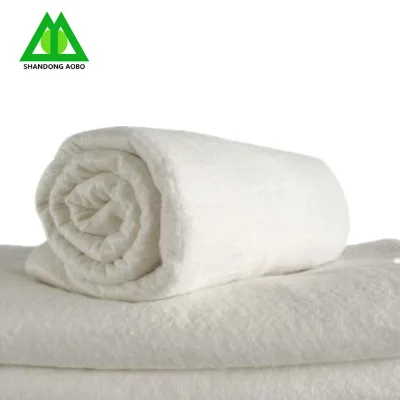
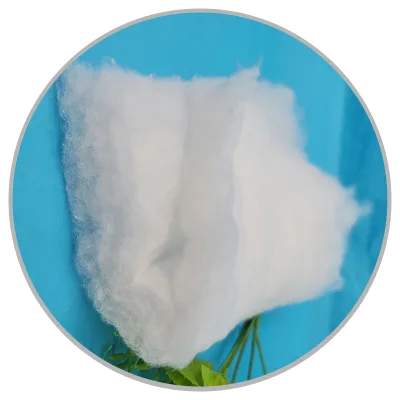
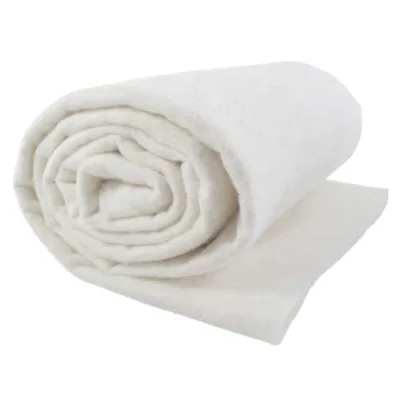
Natural Cotton Wadding is a thermo-bonded nonwoven filling made from cotton fibers, supplied in rolls or bags. It is used for mattresses, quilts, bedding, garments, home textiles, and interlining. Weight ranges commonly span 70 to 1000 GSM depending on the product, and widths can be customized for specific quilting or filling applications.
Which certifications can Natural Cotton Wadding carry?
Listed cotton wadding products may carry GOTS and OEKO-TEX 100 certification, and some manufacturers hold ISO9001 and ISO14001 certification. Certification availability varies by supplier and product grade, so confirm the exact certificates with each vendor before ordering, especially when organic cotton material is required for your application.
How is Natural Cotton Wadding produced?
Most cotton wadding is produced using a thermo-bonded, also called thermal-bonded, nonwoven process, where cotton fibers are heat-fused into a stable batting. This yields breathable, eco-friendly material with medium weight. Thickness can range from 0.8 to 4 centimeters or be customized, and rolls may be 50 meters long.
Can cotton wadding width, weight, and thickness be customized?
Yes, customization is widely available among listed products. Widths can be customized or supplied in ranges such as 30 to 260 centimeters, weight ranges span roughly 70 to 1000 GSM, and thickness can be 0.8 to 4 centimeters or made to order. Specify your required combination when requesting quotations from suppliers.
How is Natural Cotton Wadding packaged for shipment?
Packaging options vary by supplier and include roll packaging, bag packing, carton packages, vacuum packing in polybags, and inter plastic bags with outer woven bags or cartons. Vacuum-packed and carton-packed options help protect the wadding in transit. Confirm the packing method and roll length before confirming an order.
What GSM should I choose for quilts and mattresses?
Lighter weights in the 80 to 300 GSM range suit garment lining and thinner quilting, while mid-range weights around 300 to 500 GSM are common for quilts and home textiles. Mattress filling and heavier bedding often use higher weights, with some products reaching up to 1000 GSM. Match GSM to warmth, loft, and thickness requirements.
Where is most Natural Cotton Wadding sourced from?
China is the listed origin for the cotton wadding products shown, with some suppliers based in Shandong province. Sourcing from established manufacturing regions can support customization and volume requirements, but you should verify each supplier's certifications, production capacity, and export experience independently before placing orders.
Can I order Natural Cotton Wadding with a low minimum order quantity?
Minimum order quantities for listed products range from 100 to 5000 units or meters depending on the supplier and specification. Customized weights, widths, or thicknesses often carry higher MOQs than standard items. Discuss MOQ early with suppliers and check whether sample orders are possible before committing to production volumes.