Source Natural Crystal Agate Cabinet Knobs for Drawers Dressers Wardrobes
Compare 30 listings for Natural Crystal Agate Cabinet Knobs featuring polished gemstone slices and zinc alloy handles. Buyers can evaluate styles, sizes, and customization options from suppliers in China with MOQs starting at 100 pieces.
Key considerations
Products List
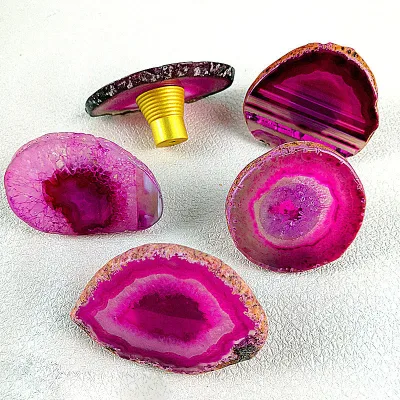
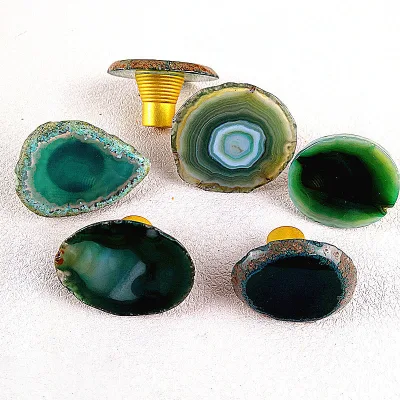
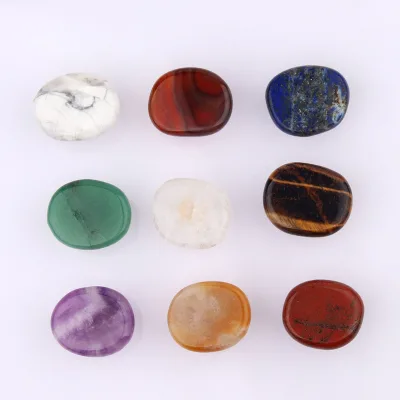
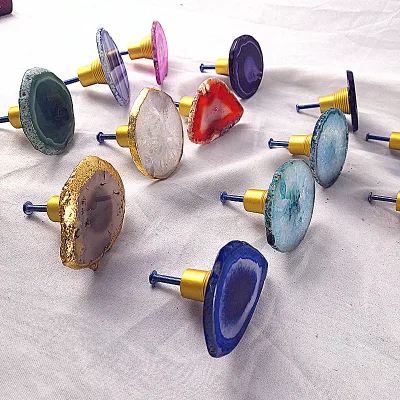


Crystal Knobs Handle Diamond Shape Pull Crystal Knobs Furniture Handles Door Lock
$0.80 - $3.00
MOQ: 500 Pieces
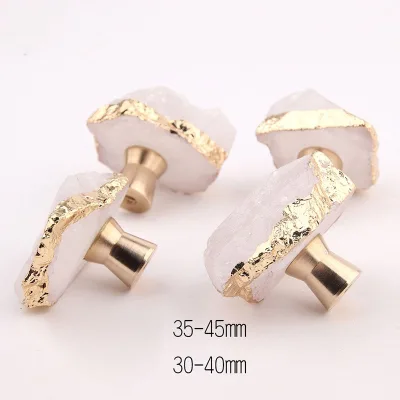


Colorful Bedroom Kitchen Cabinet Handles Decorative Drawer Crystal Door Knobs
$0.80 - $1.90
MOQ: 1000 Pieces

Hot Sale Furniture Cabinet Hardware Handle and Knob Crystal Drawer Knobs
$0.36 - $0.45
MOQ: 200 Pieces


Comprehensive Sourcing Guide
Strategic Sourcing Guide for Natural Crystal Agate Cabinet Knobs
Understanding Product Composition and Material Authenticity
When sourcing Natural Crystal Agate Cabinet Knobs, the primary distinction lies in the material composition, which directly influences the aesthetic value and durability of the final product. The core material for these fixtures is identified as agate, a variety of chalcedony known for its banding patterns and translucency. In the context of high-end home decoration, the product is often described as a gemstone or crystal slice, specifically noting an agate slice handle. This natural stone component is frequently paired with a metal base, such as zinc alloy, to provide structural integrity and facilitate mounting. The combination of a polished natural stone top with a zinc alloy backing creates a hybrid product that balances organic beauty with industrial strength.
The visual characteristics of these knobs are defined by their specific finish and color profile. The agate slices undergo a polishing technique to achieve a smooth, lustrous surface that highlights the natural inclusions and color variations inherent to the stone. The observed color profile for these items often includes dark gray tones, though natural agate can vary significantly. The "polished" finish is a critical technical attribute, as it ensures the stone is sealed and resistant to minor surface abrasions during daily use. Buyers must verify that the "natural" claim refers to the stone itself rather than a synthetic resin imitation, as the market contains both genuine agate slices and manufactured alternatives. The product type is categorized under "Box & Case" in some listings, suggesting these items are often packaged as decorative accessories for furniture, while the specific usage targets cabinets, drawers, dressers, and wardrobes.
Technical Specifications and Dimensional Standards
Precision in dimensions is paramount for cabinet knobs, as they must align with existing hardware holes or drilling requirements on furniture. The technical specifications for natural crystal agate knobs vary based on the specific model and manufacturer. Observed data indicates a range of sizes, with the agate slice itself often measuring approximately 6-8 cm in diameter, providing a substantial visual presence. However, the mounting hardware dimensions are equally critical. Specific models list diameters of 10/12/14 mm for the stem or screw post, while other configurations offer 28 mm or 32 mm diameters for the overall fixture head.
Height specifications also vary, with common measurements including 32 mm and 35 mm. These dimensions determine the projection of the knob from the cabinet surface, affecting both ergonomics and aesthetic proportion. The total length is often listed as "all available," indicating that manufacturers can accommodate custom length requirements for specific furniture designs. The standard for the product is sometimes noted as 31*28 mm, which likely refers to the footprint or the specific mold dimensions used for the zinc alloy base. The rotary mechanism is typically fixed, meaning the knob rotates around a central axis to open the drawer or door.
Buyers should be aware that packaging dimensions can differ significantly from the product dimensions. A single package size might be recorded as 20x15x5 cm, while the export carton size could be 30x30x25 mm. This discrepancy highlights the importance of verifying gross weight and volume for logistics planning. The single gross weight is often around 0.400 kg per item, which is a crucial figure for calculating shipping costs, especially when importing from regions like Guangdong, China. The product is available in both hollow and solid configurations, offering flexibility for different weight-bearing requirements and cost structures.
Compliance, Certification, and Environmental Standards
In the realm of B2B procurement, compliance with environmental and safety standards is a non-negotiable aspect of supplier evaluation. The observed product attributes explicitly state an "Eco-friendly" environment classification. This designation suggests that the manufacturing process or the materials used adhere to specific environmental guidelines, though the exact certification bodies (such as ISO 14001 or specific REACH compliance) must be verified directly with the supplier. The use of natural agate and zinc alloy generally aligns with eco-friendly trends, as these materials are durable and recyclable, but the buyer must confirm the absence of harmful substances in the polishing compounds or the plating processes.
The finish of the knobs is a critical area for compliance. The listed finishes include SSS, Pss, Ab, AC, PVD, or customized options. PVD (Physical Vapor Deposition) is a specific coating technology that is often preferred for its durability and environmental friendliness compared to traditional electroplating. Buyers should request documentation confirming that the PVD or other plating processes meet international safety standards for heavy metals and volatile organic compounds (VOCs). The product condition is listed as "New," implying that the items are manufactured to current standards rather than being refurbished or surplus stock.
Furthermore, the customization capabilities of the supplier play a role in compliance. The ability to accept OEM (Original Equipment Manufacturer) and ODM (Original Design Manufacturer) orders allows buyers to tailor the product to meet specific regional regulatory requirements. For instance, if the target market has strict lead content limits in metal fixtures, the supplier must demonstrate the ability to adjust the zinc alloy composition or the plating process accordingly. The "Customized" attribute confirms that the supplier is flexible, but the buyer must ensure that any customizations do not compromise the structural integrity or safety of the natural stone component.
Cost Drivers and Supply Chain Economics
The pricing and cost structure of Natural Crystal Agate Cabinet Knobs are influenced by several distinct factors. The observed price range in the market spans from 0.15 to 15 USD, a wide variance that reflects differences in material quality, craftsmanship, and order volume. The lower end of this spectrum likely corresponds to smaller, mass-produced units with standard finishes, while the higher end may represent larger, intricately polished stones with premium plating or custom designs. The material cost of genuine agate slices is a primary driver, as the availability and quality of natural stone vary significantly.
Minimum Order Quantity (MOQ) is another significant cost driver. The observed MOQ range is between 100 and 20,000 pieces. An MOQ of 100 pieces per color suggests that suppliers are willing to accommodate small-batch orders, which is beneficial for startups or custom furniture projects. However, larger orders typically benefit from economies of scale, reducing the unit cost. The supply ability is noted as 1,000,000 pieces per day, indicating a high-capacity manufacturing base capable of handling large-scale contracts without significant bottlenecks.
Lead times also impact the overall cost of procurement. The standard lead time for these products is 15-30 days, which is typical for custom manufacturing and shipping from China. Sample times are shorter, ranging from 3-5 days, allowing buyers to verify quality before committing to a large order. The port of dispatch is Shenzhen, a major logistics hub that offers efficient shipping routes to global markets. Buyers should factor in the cost of packaging, which includes bubble-filled protection and export cartons, to ensure the fragile natural stone arrives undamaged. The "Clean Poly Bags+Special White Boxes+Export Carton" packaging detail suggests a multi-layered approach to protection, which adds to the unit cost but reduces the risk of returns due to damage.
Supplier Evaluation and Operational Capabilities
Evaluating a supplier for natural crystal agate knobs requires a thorough assessment of their operational capabilities and geographic location. The primary place of origin for these products is Guangdong, China, with specific mentions of Jiangmen as a production hub. This region is known for its mature hardware manufacturing ecosystem, offering a wide range of suppliers with varying levels of specialization. The brand name "Huiying" is observed in the product listings, indicating that established brands operate within this space, though buyers should remain open to other reputable manufacturers.
The supplier's ability to handle customization is a key differentiator. The acceptance of OEM and ODM services indicates that the supplier can adapt designs, finishes, and packaging to meet specific buyer requirements. The style of the knobs ranges from Folk Art to American and Modern, suggesting that the supplier has a versatile design portfolio. Buyers should verify the supplier's capacity to maintain consistency across different styles and materials. The "Style" attribute also highlights the aesthetic versatility of the product, making it suitable for various interior design themes.
Logistics and dispatch capabilities are equally important. The port of dispatch is Shenzhen, which provides access to major international shipping lanes. The supplier's packaging details, including the use of bubble fill and export cartons, demonstrate a commitment to product safety during transit. Buyers should also inquire about the supplier's quality control processes, particularly for the natural stone component, which can vary in quality. The "Condition: New" and "Customized: Customized" attributes suggest a focus on fresh production and tailored solutions, but the buyer must ensure that the supplier has a robust system for inspecting each piece before packaging.
Quality Control and Long-Term Procurement Considerations
Ensuring the long-term quality of Natural Crystal Agate Cabinet Knobs requires a proactive approach to quality control (QC). The natural stone component is susceptible to variations in color, texture, and structural integrity. Buyers should implement a strict QC protocol that includes visual inspection of the agate slices for cracks, chips, or inconsistent banding. The polishing technique must be verified to ensure a uniform finish that does not dull over time. The zinc alloy base should be checked for casting defects, such as porosity or rough edges, which could affect the mounting process or the overall aesthetic.
The durability of the finish is another critical consideration. The listed finishes, including PVD and other plating options, should be tested for adhesion and resistance to corrosion. In high-humidity environments, such as bathrooms or kitchens, the metal components must be protected against tarnishing. Buyers should request test reports or certification data from the supplier to confirm the longevity of the finish. The "Eco-friendly" claim should be backed by third-party testing to ensure that the product meets environmental standards over its lifecycle.
Long-term procurement considerations also involve the stability of the supply chain. With a supply ability of 1,000,000 pieces per day, the supplier appears capable of scaling production, but buyers should assess the supplier's financial stability and capacity to handle fluctuations in raw material costs. The natural stone market can be volatile, and price fluctuations in agate could impact the final cost of the knobs. Establishing a long-term partnership with a supplier who can guarantee consistent quality and timely delivery is essential for maintaining brand reputation.
| Feature | Observation | Verification Requirement |
|---|---|---|
| Material | Agate Slice + Zinc Alloy | Confirm natural stone origin vs. synthetic |
| Finish | Polished, PVD, SSS, etc. | Request adhesion and corrosion test data |
| Dimensions | 6-8cm slice, 10-32mm stem | Verify tolerance levels for mounting |
| MOQ | 100 - 20,000 pcs | Negotiate based on order volume |
| Lead Time | 15-30 days | Confirm impact of customization on timeline |
| Packaging | Bubble filled, Export Carton | Inspect packaging for damage resistance |
| Origin | Guangdong, China | Verify factory location and audit reports |
By adhering to these guidelines and maintaining a rigorous approach to verification, buyers can successfully source high-quality Natural Crystal Agate Cabinet Knobs that meet both aesthetic and functional requirements. The combination of natural beauty and industrial precision makes these knobs a valuable addition to any furniture collection, provided that the procurement process is managed with care and attention to detail.
FAQs
What materials are used for Natural Crystal Agate Cabinet Knobs?
These knobs combine polished agate slices with zinc alloy bases. The natural stone provides a unique aesthetic while the metal backing ensures structural integrity for cabinet and drawer applications.
How can I customize the size and finish of these knobs?
Customization is available for dimensions and finishes like PVD or SSS. Buyers can request specific diameters such as 28mm or 32mm and choose from various plating options to match their furniture style.
What is the minimum order quantity for these cabinet knobs?
The minimum order quantity starts at 100 pieces per color. Larger orders up to 20,000 pieces are supported, allowing flexibility for both small custom projects and large-scale procurement needs.
Can suppliers provide samples before placing a large order?
Yes, samples are available with a lead time of 3 to 5 days. This allows buyers to verify the quality of the polished agate and the zinc alloy construction before committing to bulk production.
Which styles are available for Natural Crystal Agate Cabinet Knobs?
Available styles include Folk Art, American, and Modern designs. These options allow buyers to select fixtures that complement various interior themes while maintaining the unique look of the natural stone material.
How long does it take to manufacture and ship these knobs?
The standard lead time is 15 to 30 days for production. Shipping departs from Shenzhen, and the packaging includes bubble fill and export cartons to ensure the fragile stone arrives safely.