Source Natural Magnesium Body Oil for muscle relaxation, sleep, and skin nourishment
Compare 30 listings of Natural Magnesium Body Oil from verified suppliers in Guangdong. Buyers can evaluate features like moisturizing and refreshing properties, shelf life, and OEM options for bulk sourcing needs.
Key considerations
Products List
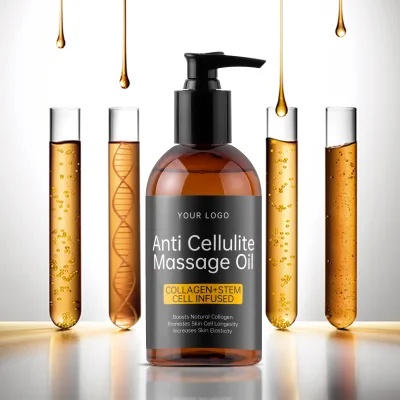
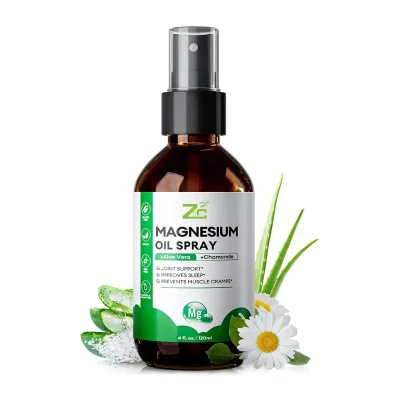
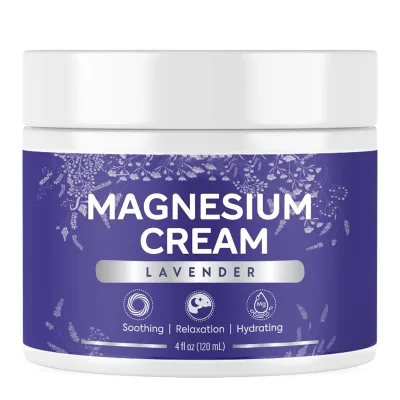


Pure Slimming Essential Oil with 100% Natural Ingredients for Body Care
$1.12 - $1.89
MOQ: 3000 Pieces


Custom Anti Cellulite Oil Slimming Massage Oil Body Fat Burning Massage Oil
$1.76 - $2.11
MOQ: 3000 Pieces


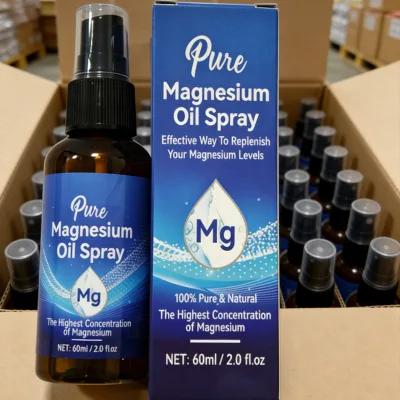







Comprehensive Sourcing Guide
Strategic Sourcing Guide for Natural Magnesium Body Oil
Understanding Product Variants and Technical Specifications
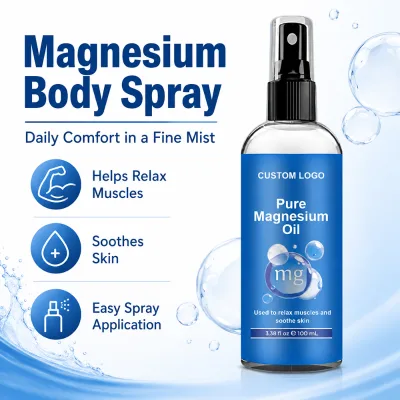
When sourcing Natural Magnesium Body Oil, buyers must first distinguish between the specific chemical forms and delivery mechanisms available in the market. The core keyword often encompasses a spectrum of products ranging from pure magnesium chloride solutions to compound blends designed for transdermal absorption. Based on observed market data, the product category includes distinct types such as "Magnesium Oil," "Magnesium Cream," and "Compound Essential Oil" blends. These variations dictate the physical properties and intended usage scenarios. For instance, a true magnesium oil is typically a saturated solution of magnesium chloride in water, often sold in spray bottles, whereas a magnesium cream utilizes a base of natural extracts like shea butter and coconut oil to create a more emollient texture.
The physical specifications of these products vary significantly depending on the formulation. Volume options observed in the supply chain range from small trial sizes of 15 ml and 30 ml to bulk industrial quantities of 180 kg. Single package dimensions also fluctuate based on the container type; spray bottles may occupy a footprint of approximately 10x10x26.5 cm, while smaller essential oil vials might be as compact as 0.8x0.8x0.8 cm. The single gross weight is another critical specification for logistics planning, with recorded values ranging from 0.360 kg for smaller cosmetic-grade units to 0.500 kg for larger packaged items. Buyers should verify the "Physical Weight" and "Volume" specifications against their specific packaging requirements, as the market offers highly customizable options including 50 ml, 100 ml, and 200 mL configurations. The raw material source is another technical differentiator, with some products derived from seeds or natural extracts, while others rely on specific chemical compounds.
Compliance Framework and Certification Verification
Navigating the regulatory landscape for Natural Magnesium Body Oil requires rigorous verification of certifications, as the term "natural" is not legally protected in all jurisdictions. High-confidence data indicates that suppliers in this sector often provide a suite of certifications to validate product safety and manufacturing standards. Commonly observed certifications include GMPC (Good Manufacturing Practice for Cosmetics), ISO2276, SEDEX, SGS, MSDS (Material Safety Data Sheet), COA (Certificate of Analysis), and CPSR (Cosmetic Product Safety Report). For products claiming organic or specific agricultural origins, USDA certification may also be present.
It is crucial for buyers to understand that certification status is not uniform across all listed products. While some suppliers offer ISO9001, GMPC, COA, and MSDS, others may list only MSDS and GMP. The presence of these documents does not guarantee that every product in a catalog meets the same standard; rather, it indicates the supplier's capability to provide such documentation upon request. Buyers must specifically request the COA for each batch to verify the magnesium concentration and the absence of heavy metals or contaminants. Additionally, the MSDS is essential for determining shipping classifications and handling procedures, particularly for liquid magnesium solutions which may have specific flammability or corrosivity profiles. The "Cosmetic Grade" designation is another key indicator of quality, suggesting the product meets safety standards for topical application, but this should always be cross-referenced with the specific COA provided for the batch in question.
Cost Drivers and Pricing Structure Analysis
The pricing structure for Natural Magnesium Body Oil is influenced by a complex interplay of factors, resulting in a wide observed price range from $0.26 to $100 USD. This variance is not arbitrary but is driven by several specific cost drivers. The primary determinant is the "OEM/ODM/Private Label" status. Products offered with custom branding, private labeling, and bespoke packaging commands a higher price point compared to generic, off-the-shelf items. The "Color" attribute is also noted to depend on the ingredient, package, quantity, and volume, further complicating the pricing model.
Volume and quantity are significant economic levers. The Minimum Order Quantity (MOQ) ranges widely, from as low as 1 unit for samples to 50,000 units for large-scale industrial procurement. A specific MOQ of 1KG is observed for bulk liquid magnesium products, while smaller cosmetic units may have different thresholds. The "Supply Type" being OEM/ODM implies that the cost includes not just the raw material but also the manufacturing labor, packaging design, and quality control processes associated with custom orders. Furthermore, the "Ingredient" composition plays a role; blends containing rare essential oils like Manuka, Frankincense, or specific natural extracts will inherently cost more than standard magnesium chloride solutions. Buyers should anticipate that the "Sample" availability, often offered for free or at a nominal cost (e.g., 10ml freely provided), serves as a precursor to the final unit price, which will scale based on the final volume and customization level.
Typical Applications and Functional Attributes
The functional applications of Natural Magnesium Body Oil extend beyond simple moisturization, targeting specific physiological and wellness outcomes. The observed product features include "Skin Revitalizer," "Anti-Wrinkle," "Firming," and "Nourishing" properties, indicating a broad appeal in the anti-aging and skincare sectors. However, the core utility of magnesium-based products often centers on muscle relaxation and sleep improvement. Specific attributes listed include "Body massage," "muscle relaxation," and "improve sleep quality," making these products highly relevant for the wellness, spa, and athletic recovery markets.
The "Feature" list also highlights "Moisturizing," "refreshing," and "cleansing" capabilities, suggesting versatility in daily skincare routines. For products formulated as "Compound Essential Oil," the inclusion of ingredients like Lavender, Tea Tree, Eucalyptus, and Chamomile adds aromatherapeutic benefits that complement the magnesium content. These blends are often marketed for their ability to address "Dark Circles," "Puffiness," and "Blemish Clearing," although the efficacy of magnesium in these specific areas should be validated through clinical testing or specific product claims provided by the supplier. The "Application" is explicitly noted as "Nourishing" and "Moisturizer," confirming the product's role in maintaining skin barrier function. Buyers should align their procurement strategy with the intended end-use; for example, a product focused on "Muscle Relaxation" may require a different concentration and carrier oil base than one marketed primarily for "Whitening" or "Pigmentation Correctors."
Supplier Evaluation and Manufacturing Capabilities
Evaluating suppliers for Natural Magnesium Body Oil requires a deep dive into their manufacturing capabilities and supply chain transparency. The "Place of Origin" is a critical factor, with Guangdong, China identified as a major hub for this type of production. This region offers a mature ecosystem for cosmetic and essential oil manufacturing, but it necessitates careful vetting of individual facilities. The "OEM/ODM" acceptance is a standard feature, but the depth of this capability varies. Some suppliers offer "Customized" solutions for volume, packaging, and ingredient selection, while others may have more limited flexibility.
The "Shelf Life" is another key metric for supplier reliability, with observed ranges of 2 to 3 years. A longer shelf life often indicates better preservation techniques and higher quality raw materials. Buyers should also scrutinize the "Packing" options, which range from small retail units (100g, 100ml) to bulk industrial drums (1/5/10/25/180kg). The ability to handle diverse packaging formats suggests a robust production line. Furthermore, the "Model Number" and "Product Name" consistency can indicate a standardized production process. For instance, specific model numbers like "ZC-PTZ001" or "zc-K150" suggest a structured product line. Buyers should verify if the supplier can maintain consistency across these models and if they have the capacity to scale production from sample sizes (10ml) to bulk orders without compromising quality. The "Grade" of the material, specifically "Cosmetic Grade," should be a non-negotiable requirement for any supplier claiming to produce body oils.
Quality Control Protocols and Long-Term Procurement Strategy
Establishing a robust quality control (QC) framework is essential for mitigating risks in the Natural Magnesium Body Oil market. The "Certificate of Analysis" (COA) is the primary document for QC verification, confirming the purity and concentration of the magnesium and the absence of harmful impurities. Buyers must ensure that the COA is batch-specific and issued by a recognized third-party laboratory, such as SGS, rather than an in-house report. The "MSDS" serves as a secondary check for safety data, ensuring that the product meets transport and handling regulations.
For long-term procurement, buyers should prioritize suppliers who offer "Sample Provided" services, allowing for rigorous in-house testing before committing to large orders. The "Free Sample" or "10ml Freely Provided" options are valuable tools for validating the product's sensory attributes, such as scent, texture, and absorption rate. Additionally, the "Customization" availability allows for iterative product development, enabling buyers to refine the formula based on initial test results. When negotiating long-term contracts, buyers should consider the "Lead Time" implications of custom packaging and ingredient sourcing. While specific lead times are not provided in the general data, the complexity of OEM orders suggests that planning for extended production cycles is prudent. Finally, maintaining a relationship with a supplier who offers "Private Label" services can provide a competitive advantage in the market, allowing for brand differentiation while leveraging the supplier's manufacturing expertise. By focusing on these technical and operational details, buyers can secure a reliable supply of high-quality Natural Magnesium Body Oil that meets both regulatory standards and consumer expectations.
FAQs
What certifications do Natural Magnesium Body Oil suppliers provide?
Suppliers typically provide GMPC, ISO2276, SEDEX, SGS, MSDS, COA, and CPSR certifications. Some also offer USDA certification for organic origins. Buyers must request batch-specific COAs to verify purity and safety standards before placing orders.
How can I customize the volume and packaging for my order?
Customization is available for volume, packaging, and ingredient selection. Options include 15 ml, 30 ml, 50 ml, 100 ml, 200 mL, or bulk drums up to 180 kg. The color and price depend on the chosen ingredients, package type, and total quantity.
What is the minimum order quantity for bulk magnesium oil?
The minimum order quantity ranges from 1 unit for samples to 50,000 units for large-scale procurement. A specific MOQ of 1KG is observed for bulk liquid products, while smaller cosmetic units may have different thresholds depending on the supplier.
Where are Natural Magnesium Body Oil products manufactured?
Products are primarily manufactured in Guangdong, China. This region offers a mature ecosystem for cosmetic and essential oil production. Buyers should verify individual facility capabilities and supply chain transparency when sourcing from this location.
What are the shelf life and sample availability options?
Shelf life ranges from 2 to 3 years depending on the formulation. Free samples or 10ml units are often provided for testing. Buyers should use these samples to validate sensory attributes and absorption rates before committing to bulk orders.
Which ingredients are commonly used in compound essential oil blends?
Common ingredients include Lavender, Tea Tree, Eucalyptus, Chamomile, Rose, and Frankincense. Blends may also contain natural extracts like Shea Butter and Coconut Oil. The specific composition determines the product's function, such as muscle relaxation or skin revitalization.