Source Natural Loose Aquamarine Gemstone for jewelry, crafts, and gifts
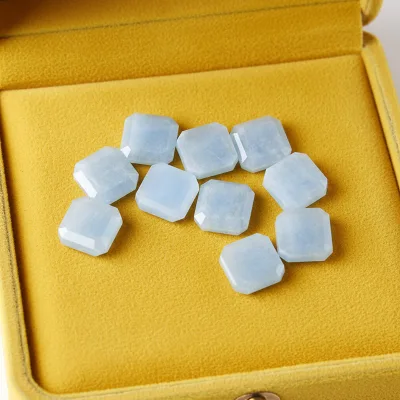
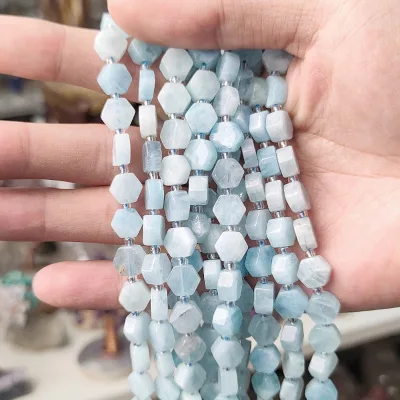
Compare 30 listings of Natural Loose Aquamarine Gemstone from verified suppliers. Buyers can evaluate shapes, sizes, and prices for jewelry making, crafting, and decorative gifts. Explore various cuts including star cut and round options available in multiple sizes like 6x6mm and 8x8mm. Check customization availability and packaging details for bulk orders.
Key considerations
Products List


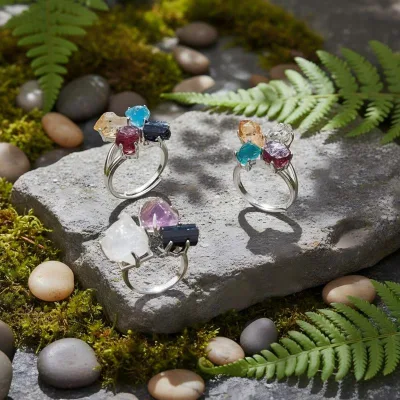
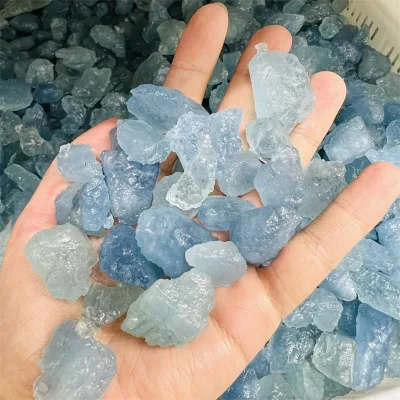
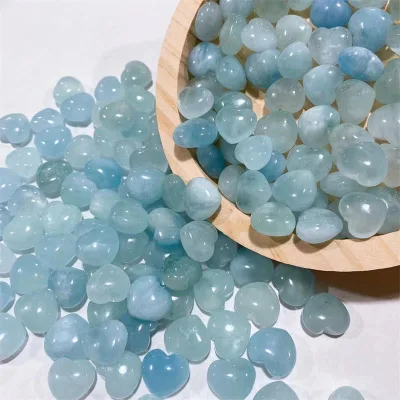


Comprehensive Sourcing Guide
Natural Loose Aquamarine Gemstone Sourcing Guide
Procuring natural loose aquamarine requires distinguishing genuine specimens from treated or synthetic alternatives, as the market contains significant variations in origin and treatment. Buyers must verify that the gemstone material is explicitly identified as natural rather than lab-created or cubic zirconia, which are common substitutes found in general jewelry supply listings. The observed product data indicates a mix of classifications, including zircon and spinel, alongside aquamarine, necessitating rigorous attribute confirmation to ensure the specific stone type matches the purchase order.
Sourcing strategies should prioritize suppliers who provide clear documentation on the gemstone's optical special effects and cutting style, such as the star cut or polish treatments observed in available listings. Since the product attributes show a range of shapes including round, heart, and rectangle, buyers must align their design requirements with the specific geometric availability of the supplier. Understanding these physical characteristics is essential for maintaining consistency in jewelry manufacturing, particularly when the intended application involves intricate settings that demand precise dimensions and optical clarity.
Product Scope and Observed Listing Signals
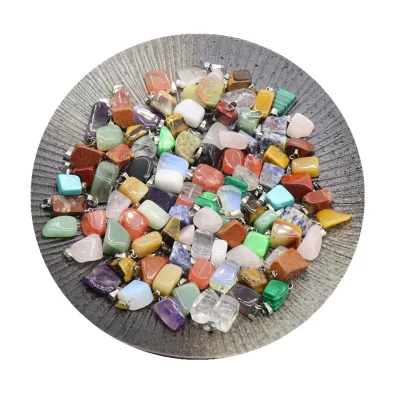
The current market landscape for natural loose aquamarine displays a wide spectrum of product attributes, including varying gemstone colors and sizes that range from small anise dimensions to larger custom cuts. Listings often feature mixed classifications where aquamarine is grouped with other stones like garnet, amethyst, and lavender, requiring buyers to scrutinize individual item descriptions to isolate the correct material. The observed price range of 0.05 to 154.03 USD reflects this diversity, suggesting that cost is heavily influenced by the specific grade, size, and clarity of the individual stone rather than a uniform market rate.
Buyers should note that product listings frequently include customization options and varying single package sizes, which can complicate inventory planning if not carefully managed. The presence of different styles, such as European and American or Korean designs, indicates that the supply chain caters to diverse aesthetic preferences, but this variety also increases the risk of receiving non-conforming goods if specifications are not strictly defined. Verification of the gemstone weight and diameter, which are often listed as "according to sizes" or specific measurements like 6x6mm, is critical to ensuring the final product meets the intended design tolerances.
Technical Specifications to Verify
Technical verification must begin with the gemstone type, ensuring the item is certified as natural stone rather than a lab-created or synthetic alternative like cubic zirconia. The observed data includes conflicting classifications such as zircon and spinel, which underscores the necessity of confirming the specific mineral composition before finalizing any purchase. Buyers should demand detailed specifications regarding the gemstone material and grade, as the market offers varying quality levels from standard to high-grade AAAAA, which directly impacts the visual performance and durability of the finished jewelry piece.
Dimensional accuracy is another critical technical parameter, as listings show a mix of standard sizes like 6x6mm and 4x6mm alongside "more sizes" options that require custom confirmation. The cutting style, whether star cut or standard polish, significantly affects the light return and overall aesthetic of the stone, making it a key specification to validate against the supplier's inventory. Additionally, the item height and diameter must be cross-referenced with the supplier's actual stock, as the "more sizes" designation often implies a need for manual verification rather than relying on a fixed catalog.
Compliance and Safety Documentation
While the provided product data does not explicitly list specific safety certifications, buyers must ensure that all natural gemstones comply with international trade regulations regarding mineral sourcing and ethical extraction. The origin of the stones, often listed as Guangdong, Guangxi, or Wuzhou in China, requires verification to confirm that the supply chain adheres to responsible mining practices and does not involve conflict minerals. Although specific test results are not provided in the general listings, reputable suppliers should be able to furnish documentation proving the natural origin and lack of harmful treatments that might affect the stone's safety for consumer use.
Documentation regarding the packaging and handling of the gemstones is also essential for maintaining product integrity during transit. The observed packing methods, such as sponge paper and standard export cartons, suggest a focus on protection, but buyers should verify that these materials meet the specific requirements for fragile items. Ensuring that the supplier follows standard export procedures helps mitigate the risk of damage and ensures that the natural stone arrives in the condition described, preserving its value and quality for the end consumer.
Cost Drivers and Commercial Terms
The cost of natural loose aquamarine is driven primarily by the gemstone's grade, size, and the complexity of the cutting process, with observed listings showing a broad price spectrum. High-grade stones with specific optical effects and precise dimensions command higher prices, while standard cuts and mixed sizes may be available at lower price points. Buyers must analyze the relationship between the single gross weight and the selling units to understand the true cost per carat, as the "according to sizes" weight attribute can lead to significant variations in the final invoice amount.
Commercial terms such as the minimum order quantity (MOQ) and sample availability play a crucial role in the procurement strategy, with observed MOQs ranging from 50 pieces to 1000 units. The availability of samples allows buyers to physically inspect the quality and characteristics of the stones before committing to a larger order, which is a vital step in mitigating risk. Understanding the lead times and the flexibility of the supplier regarding customization is also necessary, as these factors can impact the overall timeline and budget of the jewelry production cycle.
Supplier Qualification and Quality Control
Supplier qualification should focus on verifying the consistency of the gemstone type and grade across multiple orders, as the market data shows a mix of natural and lab-created stones. Buyers must assess the supplier's ability to maintain the specified quality levels, such as the AAAAA or AAA grades observed in the listings, and ensure that the natural aquamarine is not confused with other classifications like zircon or spinel. Establishing a clear communication channel for quality control is essential to prevent the receipt of non-conforming goods that do not meet the agreed-upon specifications.
Quality control processes should include a rigorous inspection of the gemstone shape, color, and cutting style to ensure they match the purchase order exactly. The observed variations in shape, including round, heart, and rectangle, require a detailed checklist to verify that each stone meets the design requirements. Additionally, buyers should implement a sampling protocol to test the durability and optical properties of the stones, ensuring that the polish and treatments applied do not compromise the natural integrity of the aquamarine.
Long-Term Procurement Checks
Long-term procurement success depends on establishing a reliable supply chain that can consistently deliver natural loose aquamarine with the required specifications and quality. Buyers should conduct periodic audits of the supplier's inventory to ensure that the gemstone type and grade remain consistent over time, as market fluctuations can lead to substitutions or changes in the available stock. Maintaining a relationship with a supplier who understands the specific needs of the jewelry industry is crucial for securing a steady supply of high-quality stones.
Regular performance reviews of the supplier's ability to meet delivery timelines and handle customization requests are also necessary for long-term stability. The observed data indicates that suppliers offer various sizes and styles, but the ability to fulfill these requests consistently is a key indicator of a reliable partner. By monitoring the supplier's performance against key metrics such as defect rates and order accuracy, buyers can ensure that their procurement strategy remains effective and that the natural aquamarine supply chain continues to meet the demands of the jewelry market.
FAQs
What is the gemstone material for this product?
The gemstone material is natural aquamarine. This classification indicates the stones are sourced directly from the earth rather than being lab-created. Buyers seeking authentic mineral properties will find this option suitable for high-end jewelry applications where natural origin is a key purchasing factor.
Which shapes are available for these loose stones?
Available shapes include round, heart, and rectangle cuts. The product listing specifies these distinct geometric forms to suit various design preferences. Buyers can select the shape that best complements their specific jewelry project requirements, ensuring versatility in final piece creation.
Can I request customization for these gemstones?
Yes, customization is available for these items. Buyers can likely request specific cuts, sizes, or treatments to meet unique design needs. This flexibility allows for tailored sourcing solutions, ensuring the final gemstones align precisely with the intended jewelry aesthetic and functional specifications.
What is the typical MOQ for this product?
The typical minimum order quantity is 50 pieces. This baseline allows buyers to test market response without excessive inventory commitment. Orders can scale up to 1000 pieces, providing flexibility for both small boutique orders and larger commercial jewelry manufacturing runs.
Where are these gemstones manufactured or sourced?
These gemstones originate from Guangdong, China. This location is a known hub for gemstone processing and jewelry component manufacturing. Buyers sourcing from this region benefit from established supply chains and specialized craftsmanship in cutting and polishing natural stones for global distribution.
What quality grade is assigned to these stones?
The quality grade is listed as high or AAAAA. This indicates superior clarity, color saturation, and cut precision compared to standard commercial grades. Buyers prioritizing premium aesthetics for fine jewelry will find this grading level appropriate for high-value end products.