Source Natural Loose Citrine Quartz for healing, decor, and collections
Find 30 listings for Natural Loose Citrine Quartz suitable for Reiki practices, art projects, and home decoration. Buyers can compare specifications like size, shape, and material quality across multiple suppliers to find the best fit for their needs.
Key considerations
Products List
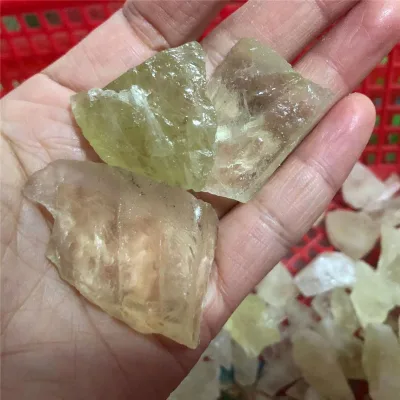
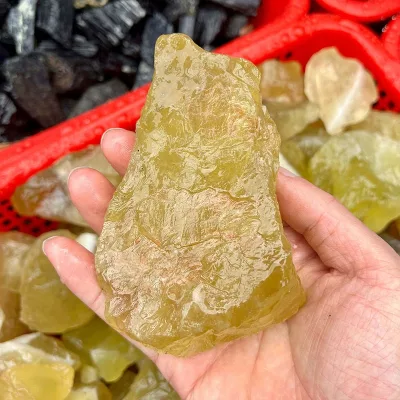
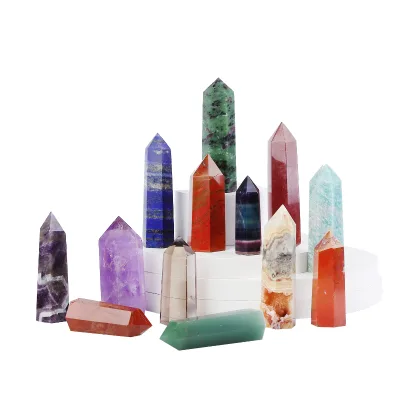
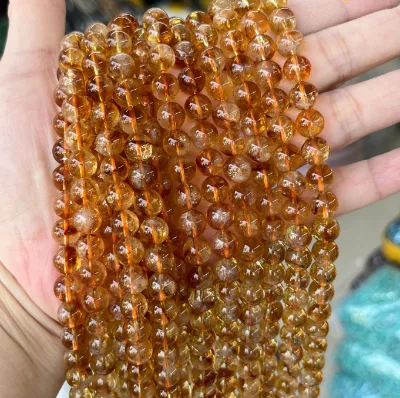





Strong Quartz Focused on Quartz Slabs and Quartz Countertops More Than 10 Years.
$65.00 - $75.00
MOQ: 150 Square Meters


Comprehensive Sourcing Guide
Strategic Sourcing Guide for Natural Loose Citrine Quartz
Understanding Product Attributes and Variability in Citrine Supply
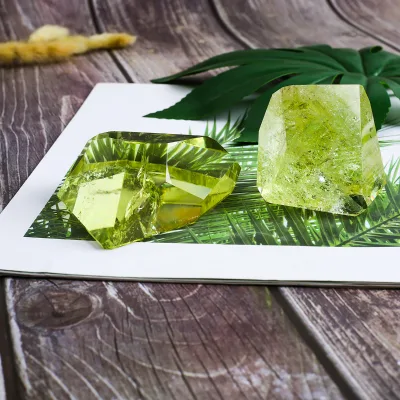
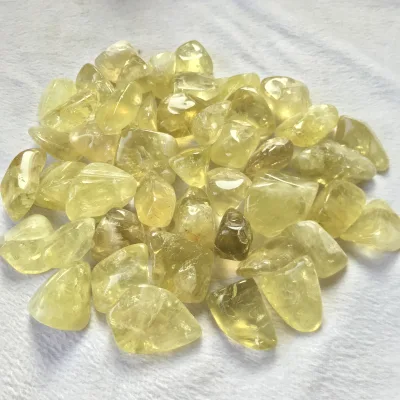
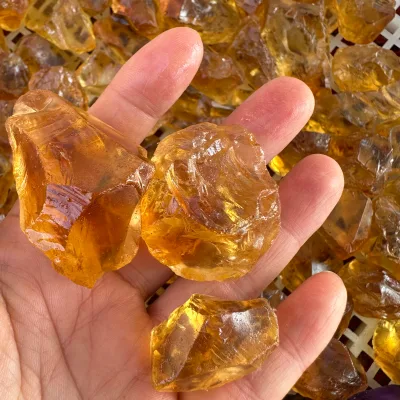
When sourcing Natural Loose Citrine Quartz, buyers must first recognize that the market is characterized by significant variability in product definitions, physical attributes, and intended applications. The core keyword "Natural Loose Citrine Quartz" encompasses a wide spectrum of items ranging from raw, unpolished rough stones to finished, carved pieces. Based on observed market data, the product landscape includes items explicitly labeled as "rough lemon citrine stone" alongside others described simply as "citrine crystal rough stone" or "crystal crystal point natural." This terminological diversity requires buyers to look beyond the product name and scrutinize the specific material and shape attributes provided by the supplier.
The material composition is a primary verification point. While the core keyword specifies quartz, suppliers often list the material broadly as "Crystal" or "natural stone." In some instances, the color attributes listed for a single supplier include a vast array of gemstones such as labradorite, crazy agate, yellow fluorite, and blue sandstone, suggesting that a single listing may represent a mixed inventory rather than a pure citrine product. Buyers must verify that the "Color" field specifically isolates "Yellow," "Citrine," or "Yellow jade" variants and excludes other stone types to ensure the integrity of the order. Furthermore, the shape of the stone is a critical differentiator. Observed listings show shapes ranging from "Block & Cube" and "Irregularity" to specific "point" formations and "Customized Shapes." The technique applied also varies, with some items described as "Polished" and others as "Carved." A procurement strategy that fails to distinguish between these technical specifications risks receiving a product that does not meet the intended aesthetic or functional requirements.
Technical Specifications and Dimensional Standards
Defining precise technical specifications is essential for managing expectations and ensuring the received goods match the order. The physical dimensions of Natural Loose Citrine Quartz are not standardized across the industry, leading to a wide range of observed sizes. Market observations indicate that size specifications can range from "2-5cm" to "3-5cm, 5-10cm." This variance implies that a buyer must explicitly define the acceptable size range in their purchase order to avoid receiving stones that are too small for a specific jewelry setting or too large for a decorative arrangement.
Beyond the stone dimensions, packaging and logistical specifications play a vital role in the procurement process. The "Single package size" varies significantly depending on the product type, with observed data showing dimensions such as "XX cm" (indicating variable or unspecified dimensions), "20X15X10 cm," and "15X15X15 cm." These differences affect shipping costs and storage requirements. Additionally, the "Single gross weight" is a critical factor for freight calculations, with observed weights ranging from 1.300 kg to 1.500 kg per unit or package. Buyers should request the exact gross weight and package dimensions for every batch to accurately calculate landed costs.
The following table summarizes the key technical attributes observed in the current market for Natural Loose Citrine Quartz, highlighting the need for precise specification:
| Attribute Category | Observed Variations | Procurement Verification Requirement |
|---|---|---|
| Product Type | Block & Cube, Other, Point | Confirm if the item is a raw stone, a cut crystal, or a carved piece. |
| Size Range | 2-5cm, 3-5cm, 5-10cm | Define exact minimum and maximum dimensions required. |
| Shape | Irregularity, Customized Shapes, Point | Specify if irregular rough stones or geometric points are required. |
| Technique | Polished, Carved | Verify the finish level; polished stones differ significantly from raw rough. |
| Color | Yellow, Citrine, Citrine 1 | Ensure the color description excludes mixed stone listings. |
| Package Size | XX cm, 20X15X10 cm, 15X15X15 cm | Request exact cubic dimensions for shipping estimates. |
| Gross Weight | 1.300 kg, 1.500 kg | Confirm weight per unit or per package for freight quotes. |
Compliance, Certification, and Origin Verification
In the global trade of natural stones, verifying the origin and compliance status is paramount. The primary source of Natural Loose Citrine Quartz in the observed market is Jiangsu, China. While this location provides a specific geographic anchor, buyers must not assume that all products labeled with this origin meet specific international safety or ethical standards without explicit verification. The supply chain for natural stones often involves complex processing steps, and the "Place of Origin" field is a starting point for due diligence rather than a guarantee of quality.
Regarding certifications, the provided data does not list specific third-party certifications such as ISO standards or gemological laboratory reports (e.g., GIA, AGL). Instead, the focus is on the supplier's capability to provide "Customized Logo" and "OEM/ODM" services. This suggests that the compliance burden often falls on the buyer to verify the natural origin of the stone. Buyers should explicitly request documentation proving that the stones are "natural" and not treated, dyed, or synthetic. The term "natural rough lemon citrine stone" appears in the data, but without a certified test report, this remains a supplier claim.
Furthermore, the "Shipping" methods observed include major carriers like DHL, UPS, FedEx, and TNT. While these are reputable logistics providers, they do not guarantee the authenticity of the goods. Buyers must ensure that the supplier's "Packing" details, described as "safe package" or utilizing "plastic bags, foam and carton," are sufficient to prevent damage during transit, especially for fragile crystal points. The absence of specific environmental or labor certifications in the data means that buyers must conduct their own audits or request supplier declarations regarding ethical sourcing and labor practices if these are critical to their corporate social responsibility goals.
Cost Drivers and Pricing Dynamics
The pricing structure for Natural Loose Citrine Quartz is influenced by a complex interplay of factors, including size, shape, finish, and packaging. The observed price range in the market is extensive, spanning from $0.09 to $813.72. This massive disparity indicates that the product is not a commodity with a fixed unit price but rather a variable asset where value is derived from specific attributes. A small, rough piece of citrine may fall at the lower end of the spectrum, while a large, polished, or carved crystal point could command a significantly higher price.
Several key cost drivers emerge from the product data. First, the "MOQ" (Minimum Order Quantity) varies from 1 unit to 1000 units, with specific observations of 5 kg, 2 kg, and 1 kilo. Suppliers with higher MOQ requirements may offer lower unit prices, while those accepting single-item orders will likely charge a premium. Second, the "Technique" applied to the stone affects cost; "Carved" items generally require more labor and skill than "Polished" or raw "Rough" stones, potentially driving up the price. Third, the "Brand Name" associated with the product, such as "dhbh" or "CROWN," may influence pricing if the brand carries a reputation for quality, though this is not explicitly detailed in the data.
Buyers must also consider the "Single package size" and "Single gross weight" when calculating the total cost of ownership. A supplier offering a low unit price might have inefficient packaging that increases shipping costs, negating the initial savings. The "Selling Units" are listed as "Single item," which suggests that the pricing model is flexible but requires careful aggregation to achieve economies of scale. To manage costs effectively, buyers should negotiate based on the total weight or volume rather than just the unit count, as the weight directly correlates with shipping expenses.
Typical Applications and Market Segmentation
Natural Loose Citrine Quartz serves a diverse range of applications, from spiritual practices to decorative arts. The observed data highlights several distinct usage categories. One prominent application is "for Reiki," indicating a strong market segment focused on spiritual healing and energy work. In this context, the "Shape" and "Color" are critical, with buyers often seeking specific "point" shapes or "Yellow" hues believed to possess certain energetic properties. The "Style" is also noted as "Angel" or "Mascot," suggesting that the stones are used in decorative or symbolic contexts beyond their raw material value.
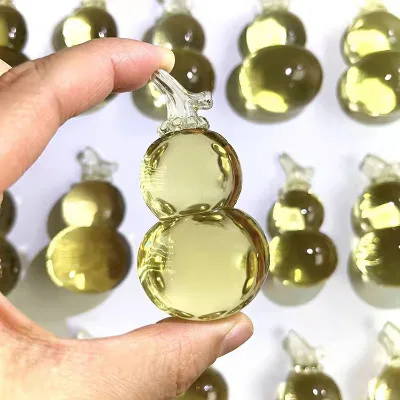
Another significant application is "Art & Collectible," where the "Carved" technique and "Customized Shapes" become highly relevant. Collectors and artists value the uniqueness of "Irregularity" shapes and the aesthetic appeal of "Polished" surfaces. The "Usage" field also includes "Decoration," which aligns with the "Christmas" application mentioned in the data, implying that citrine stones are used as seasonal ornaments or festive decor. This dual nature of the product—serving both functional spiritual needs and aesthetic decorative purposes—requires buyers to understand their target market deeply.
The "Application" field lists "All" as a broad category, but specific listings narrow this down to "Christmas" or "Art & Collectible." This segmentation suggests that a single supplier may cater to multiple niches. Buyers should verify which application their specific order supports. For instance, a stone intended for Reiki might require a specific "point" shape, whereas a decorative item might prioritize "Block & Cube" forms. Understanding these applications helps in selecting the right supplier and product variant, ensuring that the procurement aligns with the end-user's expectations.
Supplier Evaluation and Quality Control Protocols
Evaluating suppliers for Natural Loose Citrine Quartz requires a rigorous approach to quality control and capability assessment. The data indicates that suppliers offer "Customized Logo" and "OEM/ODM" services, which suggests a level of flexibility and manufacturing capability. However, the presence of "Customized Logo Acceptable" and "Customized Logo" as separate attributes implies that branding options may vary by product line. Buyers should confirm the feasibility of logo customization and any associated costs or minimums.
Quality control is a critical area where buyers must be proactive. The "Feature" is listed as "Seamless," which is an unusual attribute for natural stones and may refer to the packaging or the finish of the stone. Regardless of the interpretation, buyers should establish clear quality criteria regarding the "Color" consistency, "Shape" accuracy, and "Technique" finish. The observation of mixed color listings (e.g., "labradorite, crazy agate, yellow fluorite...") in a single product description is a red flag. Buyers must insist on a clear separation of product types to avoid receiving mixed inventory.
When evaluating suppliers, buyers should verify the "Packing" details to ensure the "Safe Pakage" claim is backed by concrete measures like "plastic bags, foam and carton." The fragility of crystal points and rough stones necessitates robust packaging to prevent breakage. Additionally, the "Shipping" options provided by the supplier should be evaluated for reliability and cost-effectiveness. While carriers like DHL and UPS are standard, the supplier's ability to coordinate these shipments efficiently is crucial. Buyers should also check the "Model Number" consistency, as variations like "hsj," "hsj-ys-dk," and "MC-00145" suggest different product lines or batches. Consistency in model numbering can help in tracking inventory and ensuring repeat orders match previous purchases.
Long-Term Procurement and Relationship Management
Sourcing Natural Loose Citrine Quartz is not a one-time transaction but a long-term process that requires strategic relationship management. The variability in "MOQ" values, ranging from 1 to 1000, offers flexibility for both small-scale buyers and large-volume purchasers. However, maintaining a stable supply chain requires clear communication regarding these thresholds. Buyers should aim to establish a consistent order volume that aligns with the supplier's preferred MOQ to secure better pricing and priority treatment.
Long-term considerations also include the evolution of product specifications. As market trends shift, the demand for specific shapes, sizes, or finishes may change. Suppliers offering "Customized Shapes" and "Customized Logo" are well-positioned to adapt to these changes. Buyers should engage suppliers in a collaborative dialogue to anticipate future needs and adjust specifications accordingly. The "Brand Name" association, such as "dhbh" or "CROWN," can also play a role in long-term branding strategies. If a buyer intends to build a brand around natural citrine products, selecting a supplier that supports "OEM/ODM" and offers consistent quality is essential.
Finally, buyers must remain vigilant about the "Place of Origin" and potential supply chain disruptions. With the primary source identified as Jiangsu, China, geopolitical or logistical factors could impact availability. Diversifying suppliers or maintaining a buffer stock can mitigate these risks. The "Shipping" methods and "Packing" details should be reviewed periodically to ensure they remain optimal. By treating the procurement process as a continuous cycle of evaluation, negotiation, and adjustment, buyers can secure a reliable supply of high-quality Natural Loose Citrine Quartz that meets their evolving business needs.
FAQs
What are the typical size ranges for Natural Loose Citrine Quartz?
Typical size ranges vary from 2-5cm to 3-5cm or 5-10cm depending on the specific listing. Buyers must explicitly define the acceptable size range in their purchase order to ensure the stones match their intended use.
Can suppliers offer customized shapes for Natural Loose Citrine Quartz?
Yes, suppliers offer customized shapes including irregularities, points, blocks, and cubes. The shape attribute is often listed as customizable, allowing buyers to request specific forms like carved points or rough blocks for their projects.
What is the minimum order quantity for Natural Loose Citrine Quartz?
Minimum order quantities range from 1 unit to 1000 units, with common thresholds of 1 kilo, 2 kg, or 5 kg. Buyers should verify the specific MOQ per supplier as it varies significantly between vendors offering single items versus bulk lots.
Where are Natural Loose Citrine Quartz products typically sourced from?
Products are primarily sourced from Jiangsu, China according to observed market data. While this is the main origin, buyers must verify specific supplier locations and compliance status as the origin field alone does not guarantee international safety standards.
How is the material composition verified for Natural Loose Citrine Quartz?
Material is often listed broadly as crystal or natural stone, requiring buyers to check specific color attributes. Buyers must ensure the color field isolates yellow or citrine variants and excludes mixed stone listings like labradorite or agate to confirm purity.
What techniques are applied to Natural Loose Citrine Quartz stones?
Common techniques include polishing and carving, resulting in different surface finishes and shapes. Buyers should verify the technique specified, as polished stones differ significantly from raw rough stones or carved pieces in both appearance and price.