Source Natural Pigment Canthaxanthin for feed, food, and health care
Explore 30 listings for Natural Pigment Canthaxanthin to compare specifications, certifications, and pricing. Buyers can evaluate options ranging from feed grade powders to beadlets suitable for health care products and food applications.
Key considerations
Products List


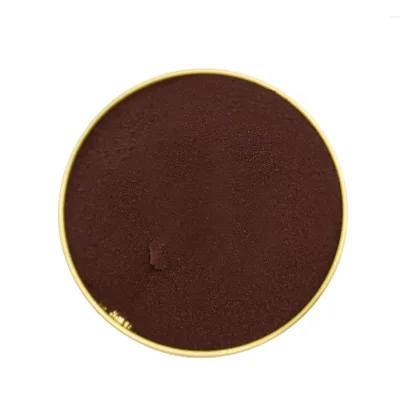
Pure Natural Organic Canthaxanthin Feed Additives Canthaxanthin Powder
$95.00 - $135.00
MOQ: 1 kilograms


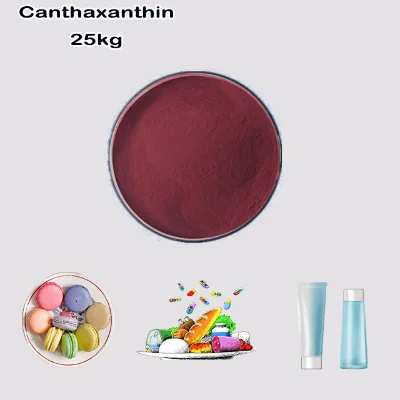
Best Price Plant Extract Canthaxanthin Food Grade Colorant Pure Canthaxanthin
$29.88 - $39.16
MOQ: 1 kilograms






Comprehensive Sourcing Guide
Strategic Sourcing Guide for Natural Pigment Canthaxanthin
Procuring natural pigments for industrial and commercial applications requires a rigorous understanding of product specifications, regulatory compliance, and supply chain reliability. Canthaxanthin, a carotenoid pigment, serves as a critical input for the food, feed, and health care sectors. Its unique color profile and stability make it a preferred choice for manufacturers seeking natural alternatives to synthetic dyes. This guide provides a comprehensive framework for buyers to evaluate potential suppliers, verify product quality, and manage procurement risks effectively. The analysis relies on observed market data and established industry standards to ensure actionable and accurate guidance.
Technical Specifications and Product Variants
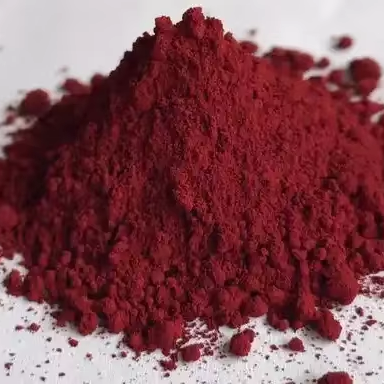
The first step in sourcing canthaxanthin is defining the precise technical requirements of the product. The market presents the material in distinct physical forms, primarily as a powder or a beadlet. Observations indicate that the powder form typically presents as a violet-red powder, while the beadlet variant appears as violet-red to reddish-violet granules. These physical differences are not merely aesthetic; they dictate the solubility and application method. For instance, some listings describe the material as water-soluble, which is a critical factor for liquid formulations, whereas others may require specific processing to achieve dispersion.
Assay methods are essential for verifying the concentration and purity of the pigment. Buyers should expect suppliers to utilize standard analytical techniques such as UV (Ultraviolet) spectroscopy and HPLC (High-Performance Liquid Chromatography). More advanced sourcing requirements may necessitate GPC (Gel Permeation Chromatography) or HPLC-MS (Mass Spectrometry) for detailed impurity profiling. The concentration of the active ingredient is a primary specification, with observed standards ranging from 10% to 98%. Specific product models often carry designations like "10% CWS-S" or generic "10%" labels, indicating the potency level. Buyers must confirm whether the product is derived from artificial planting or chemosynthesis, as the cultivation method can influence the consistency and cost structure of the final material.
| Product Attribute | Observed Specification | Verification Requirement |
|---|---|---|
| Physical Form | Powder, Beadlet | Confirm visual appearance matches order (Violet-Red). |
| Assay Method | UV, HPLC, GPC, HPLC-MS | Request specific test reports using these methods. |
| Concentration | 10% - 98% | Verify exact percentage on the Certificate of Analysis. |
| CAS Number | 514-78-3 | Ensure all documentation references this unique identifier. |
| Molecular Formula | C40H52O2 | Cross-reference with chemical safety data sheets. |
Regulatory Compliance and Certification Verification
In the global supply chain, regulatory compliance is non-negotiable. Canthaxanthin is utilized in food, feed, and health care products, meaning it must adhere to strict safety and quality standards. Buyers should verify that suppliers hold a robust portfolio of certifications. Commonly observed certifications include ISO 9001 for quality management, ISO 22000 for food safety management, and HACCP (Hazard Analysis and Critical Control Points). Additionally, specific market access often requires Halal and Kosher certifications, particularly for products destined for Middle Eastern or Jewish communities.
For export to North America, FDA registration is a critical checkpoint. In the European Union and other regions, BRC (British Retail Consortium) certification may be required to ensure the supplier meets high-level retail standards. Some suppliers also list RoHS compliance, which is relevant for applications involving electronic or packaging materials, though less common for direct food ingredients. It is vital to distinguish between the product's certification status and the supplier's facility certification. Buyers must request current, valid certificates for each specific facility that manufactures the product, rather than relying on generic claims. The presence of Organic certification is another differentiator, indicating that the raw materials were grown without synthetic pesticides or fertilizers, which can command a premium price.
Cost Drivers and Pricing Dynamics
The price of canthaxanthin is influenced by several volatile factors, including the raw material source, the concentration of the active ingredient, and the complexity of the manufacturing process. The observed market price range is broad, spanning from $1 to $210 per unit, reflecting the diversity of product grades and quantities. High-purity variants (approaching 98%) naturally command higher prices than lower-concentration feed grades (10%). The source of the pigment is another significant cost driver; chemosynthesis may offer different cost structures compared to extraction from artificial planting.
Minimum Order Quantity (MOQ) also plays a pivotal role in the total cost of ownership. While some suppliers offer flexible entry points with an MOQ of 1 kg, others may require bulk purchases up to 1000 kg to achieve favorable unit pricing. Buyers should calculate the total landed cost, including shipping, customs duties, and insurance, rather than focusing solely on the unit price. Packaging requirements can also impact costs; options range from 1 kg bags to 25 kg drums, with vacuum packing being a standard for preserving quality. Larger packaging volumes often reduce the per-unit packaging cost but increase the initial capital outlay and storage requirements.
Typical Applications and Formulation Compatibility
Canthaxanthin's versatility allows it to serve multiple industries, each with distinct formulation needs. In the food industry, it is used to impart color to beverages, dairy products, and processed foods. The product's application forms are diverse, including capsules, tablets, pastes, suppositories, lotions, and injections. This indicates that the pigment must be stable across various pH levels and processing temperatures. For the feed industry, specifically poultry, the pigment is used to enhance the color of egg yolks and skin. The "Applied animal classification" for poultry is a specific data point that buyers in this sector must verify.
The solubility of the pigment is a critical factor in formulation. If the product is water-soluble, it is ideal for clear beverages and aqueous systems. However, if the product is lipophilic, it may require emulsification for use in water-based systems. Buyers must ensure that the specific product model they select matches their application requirements. For example, a beadlet form might be preferred for direct mixing into dry feed, while a powder form might be better suited for liquid extraction processes. The stability of the color under light and heat exposure is also paramount; the shelf life of the product, typically observed as 3 years or 24 months, must align with the buyer's inventory turnover rates.
Supplier Evaluation and Quality Assurance
Evaluating a supplier goes beyond checking certifications; it involves assessing their operational capabilities and quality control systems. Buyers should look for suppliers who provide samples, as this allows for independent testing before committing to a large order. Sample sizes typically range from 10-20 grams, which is sufficient for preliminary quality checks. The storage conditions specified by the supplier, such as "Cool Dry Place" or "Normal" storage, must be compatible with the buyer's logistics and warehousing capabilities.
Quality control should be a collaborative process. Buyers must demand a Certificate of Analysis (CoA) for every batch, which should include the results of the assay methods mentioned earlier (UV, HPLC). The CoA must confirm the concentration, purity, and absence of contaminants. It is also important to verify the origin of the product. While many products originate from Shaanxi, China, or other regions in China, the specific location can impact the supply chain's resilience and the regulatory environment. Suppliers should be transparent about their manufacturing processes, including the use of specific packaging materials like plastic drums or vacuum-sealed bags.
Long-Term Procurement Considerations
Sourcing canthaxanthin is not a one-time transaction but a long-term partnership that requires strategic planning. Buyers must consider the shelf life of the product, which is typically 3 years, and plan their inventory accordingly to avoid degradation. The packaging method, such as drum or vacuum packing, is crucial for maintaining product integrity over this period. Buyers should also evaluate the supplier's ability to scale production as demand grows. A supplier with a high MOQ might be less flexible for a startup, whereas a supplier with a low MOQ might struggle with large-volume orders.
Sustainability is an increasingly important factor in procurement. The cultivation method, whether artificial planting or chemosynthesis, can impact the environmental footprint of the product. Buyers interested in sustainable sourcing should prioritize suppliers who can demonstrate eco-friendly practices. Furthermore, the availability of customization options allows buyers to tailor the product to their specific needs, such as specific particle sizes or packaging configurations. Finally, buyers should establish clear communication channels with suppliers to ensure timely updates on any changes in regulations, supply chain disruptions, or product formulations.
Conclusion
Sourcing Natural Pigment Canthaxanthin requires a meticulous approach that balances technical specifications, regulatory compliance, and cost efficiency. By understanding the variations in product form, concentration, and application, buyers can make informed decisions that align with their operational needs. The verification of certifications, such as ISO, HACCP, and FDA, ensures that the product meets safety standards for food, feed, and health care applications. Cost drivers, including concentration and MOQ, must be carefully analyzed to optimize the total cost of ownership. Ultimately, a successful procurement strategy relies on thorough supplier evaluation, robust quality control measures, and a commitment to long-term partnership. By adhering to these principles, buyers can secure a reliable supply of high-quality canthaxanthin that supports their product development and market success.
FAQs
What forms does Natural Pigment Canthaxanthin come in?
It is available as a violet-red powder or a violet-red to reddish-violet beadlet. The powder form is suitable for various extractions, while the beadlet variant offers different solubility profiles for specific formulations like capsules or direct feed mixing.
Which certifications should I verify for food grade canthaxanthin?
You should verify certifications such as ISO 9001, ISO 22000, HACCP, Halal, Kosher, and FDA. Some suppliers also hold BRC or Organic certifications, which are critical for ensuring the product meets safety standards for food and health care applications.
Can I order samples before committing to a bulk purchase?
Yes, samples are available in quantities ranging from 10 to 20 grams. This allows buyers to perform independent quality checks and verify the violet-red appearance and concentration before placing a larger order that typically starts at 1 kg.
What is the minimum order quantity for Natural Pigment Canthaxanthin?
The minimum order quantity is 1 kg, though some suppliers may require up to 1000 kg for specific pricing tiers. Packaging options include 1 kg bags or 25 kg drums, with vacuum packing used to maintain product integrity during storage.
How is the purity of canthaxanthin tested and verified?
Purity is verified using assay methods like UV, HPLC, GPC, and HPLC-MS. The concentration standards range from 10% to 98%, and buyers should request a Certificate of Analysis to confirm the exact potency and absence of contaminants.
Where is Natural Pigment Canthaxanthin typically manufactured?
Products are primarily sourced from manufacturers located in Shaanxi, China. The origin is a key factor for supply chain logistics, and buyers should confirm the specific location to ensure compliance with regional export regulations and shipping requirements.
What is the shelf life of Natural Pigment Canthaxanthin powder?
The shelf life is typically 3 years or 24 months depending on the specific product model. To maintain this duration, the powder must be stored in a cool, dry place using drum or vacuum-packed packaging to prevent degradation.