Source Natural Perfume Oil for Perfume Making, Aromatherapy, and Daily Flavor
Compare 30 listings of Natural Perfume Oil from verified suppliers. Buyers can evaluate purity, packaging, and lead times for uses in branded perfume making, aromatherapy, and daily flavor applications; compare the available evidence and request quotations based on your requirements.
Key considerations
Products List
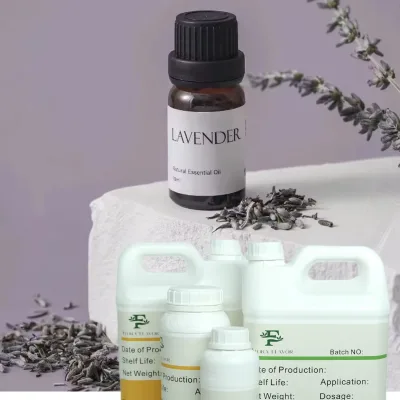






Comprehensive Sourcing Guide
Natural Perfume Oil Sourcing Guide
Procuring Natural Perfume Oil requires distinguishing between bulk fragrance bases and finished cosmetic products, as the supply chain varies significantly by intended use. Buyers must verify whether the listing describes a raw material for industrial blending or a ready-to-sell consumer item, since the former often demands different quality controls and packaging standards. The observed market data indicates a wide range of product types, from single-item retail bottles to bulk industrial containers, necessitating a clear definition of the procurement goal before engaging with suppliers.
The core keyword search results reveal a diverse array of product attributes, including specific model numbers like #FIFI-679 and NS-P001, which suggest distinct production lines or formulations. Sourcing strategies must account for these variations, as some listings specify a "Daily Flavor" usage while others target "Perfume Branded Making" or "Aromatherapy." Understanding these distinctions is critical for aligning the purchase with regulatory requirements and end-user expectations, ensuring that the selected oil meets the precise functional needs of the final application.
Product Scope and Observed Listing Signals
Buyers should carefully analyze the physical state and packaging specifications to ensure the product matches their operational requirements. The observed listings describe the product as a light yellow liquid in various forms, including spray and oil, with packaging ranging from 1L bottles to bulk drums of 25kg. This variance in container size and form factor directly impacts logistics planning and storage capabilities, requiring the buyer to confirm the exact delivery unit before finalizing the order to avoid mismatches in handling infrastructure.
The origin and raw material composition are equally critical signals that define the product's market positioning and potential regulatory hurdles. Data indicates origins in Guangdong, Hebei, and Guangzhou, with raw materials sourced from vegetable origins or specific plant extractions. While some listings claim 100% purity, others specify extraction methods like solvent extraction, which may influence the final scent profile and safety profile. Buyers must cross-reference these origin and material claims against their specific brand standards to ensure consistency in the final fragrance output.
Technical Specifications to Verify
Verification of the product's physical and chemical properties is essential for maintaining brand integrity and product performance. Key attributes such as shelf life, which is frequently cited as two years or 24 months, and storage conditions requiring a dry, cool, dark place, must be strictly adhered to during transit and warehousing. Buyers should request batch-specific data sheets to confirm that the observed appearance, such as the light yellow liquid state, remains consistent with the supplier's standard specifications for the specific model number ordered.
The functional specifications, including the level of concentration like Eau de Cologne or Eau de Parfum, dictate the dilution ratios and blending protocols required by the buyer. Since the product type is listed as both natural flavor and fragrance, and the application ranges from general use to specific perfume making, the buyer must validate the concentration levels against their formulation needs. Confirming the exact model number and packaging size, such as the 1kg/bottle or 2kg/5kg options, ensures that the technical parameters align with the intended production scale and final product quality.
Compliance and Safety Documentation
Safety and regulatory compliance form the backbone of any successful procurement of natural perfume oils, particularly when the product is intended for cosmetic or personal care applications. The observed listings mention certifications such as MSDS, COA, ISO, and CE, which are vital for demonstrating that the product meets international safety and quality standards. Buyers must insist on receiving the most recent versions of these documents for every batch, as these papers provide the necessary evidence of purity, absence of prohibited substances, and adherence to manufacturing protocols.
Beyond general certifications, specific documentation regarding the extraction method and raw material grade is crucial for risk management. Some products are described as "First Grade" with artificial planting methods, while others emphasize vegetable origins and 100% pure plant oils. The buyer should verify that the provided Certificate of Analysis (COA) explicitly details the extraction type, such as solvent extraction, and confirms the absence of contaminants. This due diligence ensures that the final product complies with the strict regulations of the target market and protects the brand from potential liability issues.
Cost Drivers and Commercial Terms
Understanding the commercial structure of the supply chain is vital for accurate budgeting and negotiation. The observed market data shows a price range of 1 to 80 USD, with a minimum order quantity (MOQ) typically set at 1kg, though some listings suggest a range up to 50 units. Buyers must clarify whether the quoted price includes the cost of the sample, which is often freely provided in 10-20ml quantities, and how this affects the final unit cost for larger bulk orders.
Lead times and delivery terms significantly influence the total cost of ownership and inventory planning. The observed delivery time is listed as 3-5 days, which suggests a relatively agile supply chain, but this may vary based on the specific origin and packaging requirements. Buyers should negotiate clear terms regarding the selling units, which are often single items, and confirm if customization is available at no extra cost. Establishing these commercial terms early prevents unexpected delays and ensures that the procurement timeline aligns with production schedules.
Supplier Qualification and Quality Control
Evaluating the supplier's capability to maintain consistent quality is a primary step in the qualification process. The presence of multiple brand names like Flora and Auramor, along with varying model numbers, indicates a fragmented market where quality control practices may differ significantly between vendors. Buyers should conduct a thorough audit of the supplier's production facilities, focusing on their ability to maintain the specified shelf life and storage conditions, as these factors directly impact the longevity and efficacy of the perfume oil.
Quality control protocols must extend beyond the initial sample to include ongoing batch verification. Since the product is used for making perfumes and daily flavors, any deviation in odor or appearance can compromise the final product. Buyers should implement a rigorous incoming inspection process that checks for the specified attributes, such as the pleasant odor and liquid state, and verifies the packaging integrity. Establishing a clear communication channel for reporting discrepancies ensures that any quality issues are addressed promptly before they affect the supply chain.
Long-Term Procurement Checks
Sustaining a reliable supply of Natural Perfume Oil requires continuous monitoring of supplier performance and market trends. Buyers should regularly review the supplier's adherence to the agreed-upon specifications, including the model number, packaging size, and raw material grade, to ensure consistency over time. Periodic re-testing of samples against the original Certificate of Analysis helps detect any drift in product quality that might occur due to changes in raw material sourcing or production processes.
Strategic planning for long-term procurement also involves assessing the supplier's flexibility regarding customization and scalability. As the market demand for natural fragrances evolves, the ability to adjust production volumes and modify formulations becomes increasingly important. Buyers should maintain open dialogue with suppliers to anticipate potential supply chain disruptions and to explore opportunities for optimizing costs through volume commitments. This proactive approach ensures a resilient supply chain capable of meeting future business needs without compromising on quality or compliance.
FAQs
What is the purity level of the Natural Perfume Oil?
The product is 100% pure natural essential oil derived from vegetable origin raw materials. It is suitable for daily flavor and perfume branded making applications. The oil maintains a pleasant odor and appears as a light yellow liquid in its liquid state.
Can I get a sample before placing a bulk order?
Yes, samples are freely provided in sizes of 10 to 20 milliliters per bottle. This allows buyers to test the modern flavor and quality before committing to larger quantities. The sample availability supports the evaluation of the product for perfume fragrance oil usage.
What are the packaging options for bulk orders?
Packaging is available in various sizes including 1 liter bottles, 1 kilogram bottles, and larger drums of 2, 5, 10, or 25 kilograms. The product is typically stored in plastic bottles or similar containers. Customization options are available to meet specific buyer requirements.
How long is the shelf life of this essential oil?
The shelf life is two years or 24 months when stored correctly. Buyers should keep the oil in a dry, cool, and dark place to maintain its quality. This duration ensures the product remains effective for making perfumes and aromatherapy applications.
Which certifications does the manufacturer hold for this oil?
The product holds multiple certifications including MSDS, COA, ISO, and CE. These documents verify the safety and quality standards of the Natural Perfume Oil. Such certifications are essential for buyers requiring compliance with international safety regulations for cosmetic and fragrance products.
What is the lead time for delivery of the order?
The delivery time is typically 3 to 5 days after order confirmation. This fast turnaround applies to the standard production and shipping process from the origin in China. Buyers can expect quick fulfillment for their Natural Perfume Oil sourcing needs.
Is customization available for the Natural Perfume Oil?
Customization is available to meet specific buyer requirements for the product. Buyers can request adjustments to specifications or packaging to suit their brand needs. This flexibility supports the creation of unique perfume fragrance oils for various market segments.