Source Natural Organic Vegan Perfume Scrubs for Body Care, Home Use, and Skin Exfoliation
Find 30 listings for Natural Organic Vegan Perfume Scrubs designed for body care, home use, and skin exfoliation. Buyers can compare specifications including ingredients, packaging, and OEM services from suppliers in China.
Key considerations
Products List


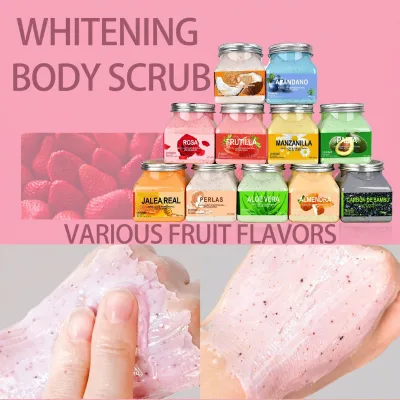
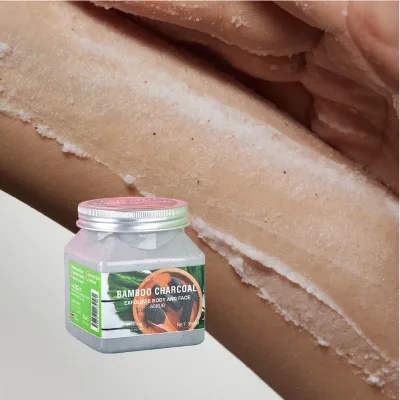
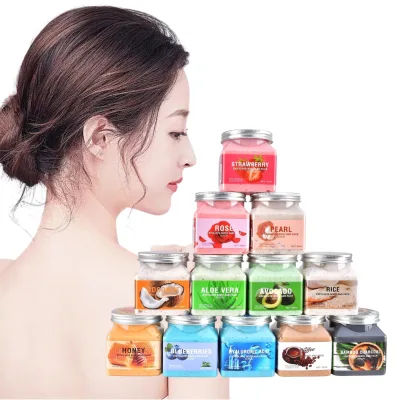
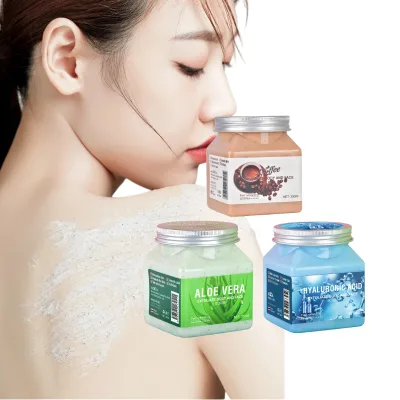
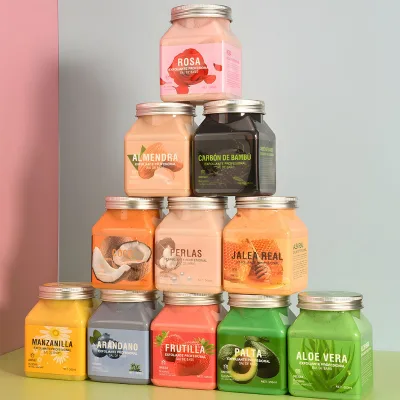


Beauty Cosmetics Skin Care Body Exfoliating Scrub Turmeric Scrub Deep Cleaning
$2.00 - $2.80
MOQ: 100 Pieces


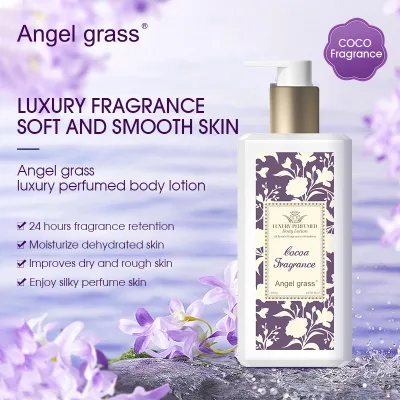
Custom Advanced Lavender Oil Body Scrub Exfoliator & Moisturize Skin
$2.52 - $3.23
MOQ: 3000 Pieces




Comprehensive Sourcing Guide
Strategic Sourcing Guide for Natural Organic Vegan Perfume Scrubs
Navigating the B2B market for Natural Organic Vegan Perfume Scrubs requires a disciplined approach that separates marketing terminology from verifiable product attributes. The current landscape presents a diverse array of offerings, ranging from liquid fragrances to solid exfoliating formulations. Buyers must carefully distinguish between products designed for aromatic enhancement and those intended for dermatological care, as the technical specifications, supply chains, and compliance requirements differ significantly. This guide outlines the critical factors for sourcing these items, focusing on the intersection of organic certification, formulation stability, and supply chain transparency.
Understanding Product Categories and Formulations
The first step in sourcing is clarifying the product category, as the term "perfume scrub" can ambiguously refer to either a scented body exfoliant or a fragrance product with exfoliating properties. The observed market data indicates a clear divergence in product forms. One segment consists of liquid products categorized as Eau de Cologne or Eau de Parfum, housed in glass bottles, and designed primarily for olfactory application. These products typically feature a spray mechanism and are formulated with floral bouquets or fruity scents. In contrast, another distinct segment comprises solid or semi-solid formulations explicitly labeled as body scrubs. These are characterized by a cream or paste form, often containing organic ingredients like Vitamin C and Vitamin E, and are designed for physical exfoliation and skin nourishment.
When evaluating potential suppliers, buyers must verify the specific form attribute. A product listed as a "Cream" with an "Exfoliator" feature is fundamentally different from a "Spray" classified as "Eau de Parfum." The former is a skincare product intended for application to the body to remove dead skin cells while imparting a scent, whereas the latter is a fragrance product. Confusing these categories can lead to procurement errors regarding regulatory compliance and end-user expectations. The market data shows that natural skincare cosmetics often list "Organic" as an ingredient attribute, while fragrance products may list "Fragrance Type" as Sweet or Fresh. Buyers should request detailed ingredient lists to confirm the presence of organic botanicals versus synthetic fragrance compounds, ensuring the "vegan" and "organic" claims align with the actual formulation.
Technical Specifications and Material Standards
Technical specifications provide the objective framework for evaluating product quality. For body scrubs, the physical form is a primary specification. The observed data includes products with a "Cream" form and specific single package dimensions, such as 17.50x9.50x11.50 cm, indicating standardized packaging for retail or bulk distribution. Weight is another critical metric, with observed units ranging from small single items to larger packages weighing up to 2.0 kg. For liquid fragrances, the container material is a key specification; glass bottles are the standard for preserving the integrity of the scent and preventing chemical leaching.
Shelf life is a vital technical parameter that varies by formulation. Skincare products, particularly those with organic ingredients, often carry a shelf life of approximately three years, provided they are stored correctly. However, the presence of active ingredients like Vitamin C can sometimes reduce stability if not properly encapsulated or preserved. Buyers must verify the stated shelf life against the specific formulation. Additionally, the "Single Gross Weight" and "Single Package Size" are essential for logistics planning. For instance, a product with a gross weight of 2.0 kg and specific dimensions will impact freight costs and warehouse storage differently than a lighter, more compact item.
The following table summarizes the key technical distinctions observed in the market data:
| Attribute | Fragrance Products (Eau de Parfum/Cologne) | Skincare Scrubs (Body Scrub) |
|---|---|---|
| Primary Form | Liquid (Spray) | Cream / Paste |
| Container | Glass Bottle | Variable (often jars or tubes) |
| Key Ingredients | Floral Bouquet, Fruit, Synthetic/Natural Oils | Vitamin C, Vitamin E, Organic Botanicals |
| Primary Function | Lasts 12-24 Hours (Fragrance) | Exfoliation, Nourishing, Skin Care |
| Shelf Life | Variable (often 3 years) | 3 Years (Observed) |
| Target Use | Home Use, Personal Grooming | Body Care, Skin Treatment |
Compliance, Certification, and Ingredient Verification
In the realm of natural and organic products, compliance is not merely a regulatory hurdle but a core component of brand value. The term "Organic" is heavily regulated in many jurisdictions, and buyers must verify that suppliers can provide valid certification documentation. The observed data mentions "Organic" as an ingredient attribute and "Original" as a product standard, but these terms alone do not guarantee certification status. Buyers should explicitly request proof of certification from recognized bodies (such as USDA Organic, Ecocert, or COSMOS) rather than relying on self-declared claims.
Regarding the "vegan" aspect, verification involves ensuring that no animal-derived ingredients (such as beeswax, lanolin, or carmine) are present. The data indicates that some products list "Other" as an ingredient category, which necessitates a deeper inquiry into the specific composition. Furthermore, the "Supply Type" often includes OEM, ODM, and OBM options, suggesting that many suppliers offer private label services. When engaging with OEM/ODM partners, buyers must ensure that the formulation process adheres to vegan and organic standards from the raw material sourcing stage through to the final packaging.
Compliance also extends to labeling standards. Products intended for export must meet the labeling requirements of the destination market, including full ingredient disclosure (INCI names), net weight, and batch coding. The "Product Standard" listed as "original" implies adherence to the manufacturer's internal quality benchmarks, but buyers should define their own quality standards in the contract. For skincare products, safety assessments and toxicology reports are essential to ensure the product is safe for "All skin types" or specific skin conditions like "normal skin."
Cost Drivers and Minimum Order Quantities
The cost structure for Natural Organic Vegan Perfume Scrubs is influenced by several factors, including raw material sourcing, packaging complexity, and order volume. The observed Minimum Order Quantity (MOQ) ranges widely from 1 piece to 5000 pieces, reflecting the flexibility of the supply chain. However, specific product variants may have higher thresholds. For example, certain color or scent variations, such as Strawberry, Honey, Blueberry, or Aloe vera, may require a minimum order of 96 bottles to be economically viable for production runs.
Packaging is a significant cost driver. The use of glass bottles for fragrances and customized packaging for scrubs adds to the unit cost. The data indicates that "Customized Package Accepted" and "OEM/ODM Private Label" services are available, which allows for brand differentiation but often incurs additional setup fees and higher MOQs. The "Single package size" and "Single gross weight" directly impact shipping costs. Buyers should calculate the landed cost, including freight, duties, and insurance, rather than focusing solely on the unit price. The observed price range of 0.3 to 19.95 USD suggests a wide spectrum of product quality and branding, where higher prices may correlate with premium organic certifications, complex formulations, or luxury packaging.
Supplier Evaluation and Service Capabilities
Evaluating suppliers requires a focus on their manufacturing capabilities and service models. The data highlights a strong emphasis on "OEM ODM OBM" supply types, indicating that many manufacturers are equipped to handle private label projects. Buyers should assess the supplier's ability to manage the entire supply chain, from sourcing organic raw materials to final packaging. The "Service" attribute explicitly mentions "OEM ODM Private Label," confirming that customization is a core competency for these suppliers.
Key evaluation criteria include the supplier's experience with organic formulations, their quality control processes, and their ability to scale production. Suppliers located in regions like Guangdong, China, are known for their manufacturing density and logistics efficiency. However, buyers must verify the specific "Place of Origin" for each product line, as supply chain transparency is crucial for verifying organic claims. The "Brand Name" field often shows "OEM" or specific brand names like "DRMEINAIER," indicating that some suppliers may have their own brands while also offering white-label services. Buyers should prioritize suppliers who demonstrate a clear track record of delivering consistent quality and adhering to agreed-upon specifications.
Quality Control and Long-Term Procurement Strategy
Implementing a robust quality control (QC) strategy is essential for maintaining product integrity. For skincare scrubs, QC should focus on texture consistency, particle size for exfoliation, and the stability of active ingredients like Vitamin C and Vitamin E. For fragrances, QC must ensure the consistency of the scent profile and the integrity of the glass packaging. The "Shelf Life" of 3 years observed in the data suggests that stability testing is a critical part of the supplier's process. Buyers should require stability test reports and batch-specific quality certificates before accepting shipments.
Long-term procurement considerations involve building a resilient supply chain. Given the variability in MOQs and the potential for seasonal demand fluctuations, buyers should negotiate flexible terms that allow for scaling orders up or down. The "Service" attribute of "Customized Package Accepted" suggests that packaging can be adapted to market needs, but this requires early planning to avoid delays. Additionally, maintaining a relationship with suppliers who offer "OEM ODM" services ensures that the buyer can adapt formulations or packaging as market trends evolve. Regular audits and performance reviews of suppliers are necessary to ensure they continue to meet the "original" standards and organic certification requirements.
In conclusion, sourcing Natural Organic Vegan Perfume Scrubs demands a meticulous approach that balances technical specifications, regulatory compliance, and supply chain logistics. By carefully distinguishing between fragrance and skincare formulations, verifying organic and vegan claims, and establishing clear quality control protocols, buyers can secure high-quality products that meet both market demands and brand values. The wide range of available options, from liquid sprays to cream-based exfoliants, offers significant opportunities for differentiation, provided that the procurement process is grounded in verified facts and rigorous due diligence.
FAQs
What forms do Natural Organic Vegan Perfume Scrubs come in?
They appear as either liquid sprays like Eau de Parfum or cream-based exfoliants. Liquid options use glass bottles for fragrance, while creams contain organic ingredients like Vitamin C for skin nourishment and exfoliation.
Which ingredients are verified in these organic skincare products?
Verified ingredients include organic botanicals, Vitamin C, and Vitamin E. Some formulations also list other natural components, but buyers must request full ingredient lists to confirm organic and vegan status beyond general claims.
How long does the fragrance last on the skin?
The fragrance is designed to last between 12 to 24 hours. This duration applies to liquid spray products categorized as Eau de Cologne or Eau de Parfum with floral or fruity scent profiles.
Can I customize the packaging for these products?
Yes, customized packaging is accepted for private label orders. Suppliers offer OEM and ODM services allowing for specific label designs and package dimensions, though minimum order quantities may apply for custom runs.
What is the typical shelf life for these organic items?
The observed shelf life is approximately three years. This duration applies to skincare products containing organic ingredients, provided they are stored correctly to maintain the stability of active components like Vitamin C.
Which minimum order quantities apply to specific scents?
Specific scents like Strawberry, Honey, or Aloe vera require a minimum order of 96 bottles. Other standard variants may have lower thresholds, but buyers should verify MOQs for each color or fragrance option.
Where are these products typically manufactured?
Products originate from locations such as Guangdong, China. The supply chain supports OEM and ODM services, with manufacturers offering private label solutions for global distribution and customization.