Source Natural Perfume Fragrance Ambroxide for Cosmetics
Find 30 listings for Natural Perfume Fragrance Ambroxide from Chinese manufacturers. Compare specifications including purity, CAS 6790-58-5, and packaging options for industrial and fragrance applications. Evaluate suppliers based on MOQs, shelf life, and storage conditions to ensure quality for your specific needs.
Key considerations
Products List






Comprehensive Sourcing Guide
Natural Perfume Fragrance Ambroxide Sourcing Guide
Procuring high-purity Ambroxide requires a nuanced understanding of its synthetic origins and critical role in modern olfactory design. While the core keyword references "natural" origins, the supplied data confirms that the primary commercial source is synthetic, derived from biological precursors like squalene or pinene. Buyers must distinguish between trace natural extracts and the bulk synthetic intermediates that dominate the market. This distinction is vital for accurate labeling, regulatory compliance, and cost forecasting. The synthetic nature ensures consistent supply and odor profile, which is essential for large-scale fragrance manufacturing where batch-to-batch variability can disrupt final product quality.
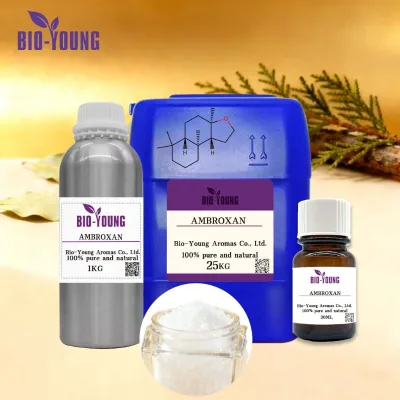
The observed market signals indicate a wide range of product grades, from industrial synthesis intermediates to high-purity fragrance materials. Listings show variations in packaging, from small 1kg samples to 25kg fiber drums, reflecting diverse buyer needs. The presence of specific CAS numbers, such as 6790-58-5, helps identify the exact chemical entity, though buyers must verify if the product is the pure compound or a mixture. Understanding these listing signals allows procurement teams to filter out irrelevant industrial chemicals and focus on suppliers offering materials suitable for direct application in perfumery and flavoring industries.
Product Scope and Observed Listing Signals
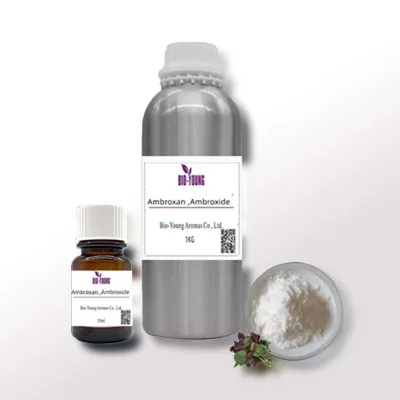
The product scope encompasses a variety of Ambroxide formulations, primarily identified by their physical appearance as white powders or solids. Observed listings highlight key attributes such as a molecular weight of 236.39 and a purity level often cited at 99% or higher. These specifications are critical for formulators who require precise dosing in fragrance blends. The material is categorized under nitrogen compounds and synthesis material intermediates, yet its primary application is in flavors and fragrances. Buyers should note that while some listings mention "natural" associations, the actual product is typically synthetic, offering a consistent ambergris-like odor that mimics the rare natural resin.
Commercial listings reveal significant variability in packaging and origin, with sources primarily located in China, including Shandong and Jiangsu provinces. Packaging options range from sealed bags to fiber drums, with standard weights of 1kg or 25kg. The observed price range is broad, reflecting differences in purity, certification, and order volume. Minimum Order Quantities (MOQ) vary from single kilograms for sampling to 50kg or more for bulk industrial purchases. This variability necessitates careful evaluation of supplier capabilities, ensuring that the chosen vendor can meet both the technical specifications and the logistical requirements of the procurement cycle.
Technical Specifications to Verify
Verifying technical specifications is paramount to ensuring the Ambroxide meets the stringent requirements of fragrance formulation. Key parameters include the melting point, which should fall within the 74-76 °C range, and the boiling point, typically around 273.9±8.0 °C. The specific rotation value of -30 º is a critical indicator of chiral purity, which directly influences the odor profile. Buyers must request Certificates of Analysis (CoA) that confirm these physical properties, as deviations can indicate impurities or incorrect isomeric forms. The molecular formula C16H28O should be cross-referenced with the CAS number 6790-58-5 to ensure chemical identity.
Additional technical checks involve assessing the material's stability and solubility characteristics. The water solubility is low, at approximately 1.88mg/L at 20℃, which affects how it is incorporated into aqueous versus oily fragrance bases. The LogP value of 5.09 at 25℃ indicates high lipophilicity, a trait that enhances longevity on the skin. Buyers should also verify the odor intensity, described as a strong ambergris scent with mild woody notes. Confirming these parameters ensures that the raw material will perform as expected in the final perfume composition, maintaining the desired olfactory balance and stability over time.
Compliance and Safety Documentation
Compliance with international safety and quality standards is non-negotiable for fragrance ingredients. Buyers must verify that suppliers hold relevant certifications, such as HALAL and Kosher, which are essential for accessing specific global markets. Although ISO9001 and ISO22000 are mentioned in background data, their specific applicability to the current batch should be confirmed through direct supplier inquiry. Documentation should include a Material Safety Data Sheet (MSDS) that outlines handling precautions, storage conditions, and first-aid measures. Proper storage in dry, sealed conditions at room temperature is critical to maintaining product integrity and preventing degradation.
Regulatory compliance also extends to the declaration of biological sources and synthetic origins. Since the Ambroxide is synthetic, accurate labeling is required to avoid misrepresentation in markets with strict natural product regulations. The FEMA number 3471 is a key identifier for regulatory submissions in the United States, confirming its status as a generally recognized as safe (GRAS) substance for flavoring purposes. Buyers should ensure that all documentation aligns with the destination country's import regulations, including REACH compliance in Europe. This diligence mitigates legal risks and ensures smooth customs clearance for the imported fragrance materials.
Cost Drivers and Commercial Terms
Several factors influence the final cost of Ambroxide, with purity and certification being primary drivers. Higher purity levels, such as 99% or 100%, command premium prices due to the additional refinement processes required. Certifications like HALAL and Kosher also add to the cost, reflecting the rigorous auditing and documentation involved. Buyers should consider the total cost of ownership, including shipping and handling, which can be significant for bulk orders. The observed price range of 1-680 USD highlights the disparity between small sample orders and large industrial purchases, necessitating careful budget planning.
Commercial terms, including MOQ and lead times, play a crucial role in procurement strategy. The observed MOQ ranges from 1kg to 100kg, with some suppliers requiring a minimum of 50kg for bulk orders. Lead times can vary based on production schedules and inventory levels, so buyers should establish clear communication channels with suppliers. Payment terms and currency exchange rates may also impact the final cost. Understanding these commercial dynamics allows procurement teams to negotiate favorable terms and secure reliable supply chains, ensuring that production schedules are not disrupted by material shortages or unexpected price fluctuations.
Supplier Qualification and Quality Control
Supplier qualification is a critical step in mitigating supply chain risks. Buyers should conduct thorough due diligence, verifying the supplier's manufacturing capabilities, quality control processes, and financial stability. Visiting the production facility, if possible, can provide insights into their operational standards and hygiene practices. Suppliers located in China, particularly in Shandong and Jiangsu, should be evaluated for their export experience and compliance with international trade regulations. Building a relationship with a reliable supplier ensures consistent quality and timely delivery, which are essential for maintaining production continuity.
Quality control measures should be integrated into the procurement process, including pre-shipment inspections and third-party testing. Buyers should request samples for initial evaluation before committing to large orders. Establishing clear quality acceptance criteria, based on the technical specifications discussed earlier, helps in rejecting substandard materials. Regular audits of the supplier's quality management system can identify potential issues early. By prioritizing supplier qualification and robust quality control, buyers can ensure that the Ambroxide meets the highest standards of purity and performance, safeguarding the integrity of their final fragrance products.
Long-Term Procurement Checks
Long-term procurement success depends on continuous monitoring and relationship management. Buyers should regularly review supplier performance metrics, including on-time delivery rates, product quality consistency, and responsiveness to issues. Establishing a periodic review schedule allows for the identification of trends and potential areas for improvement. Maintaining open communication with suppliers fosters collaboration and can lead to better pricing and priority service. Regularly updating the supplier database with new contacts and alternative sources provides flexibility in case of supply disruptions.
Additionally, buyers should stay informed about market trends and regulatory changes that may impact the Ambroxide supply chain. Monitoring shifts in raw material costs, such as squalene or pinene, can help anticipate price fluctuations. Engaging with industry associations and attending trade shows can provide valuable insights into new technologies and best practices. By proactively managing these long-term factors, procurement teams can build a resilient supply chain that supports the company's growth and adapts to changing market conditions. This strategic approach ensures sustained access to high-quality Ambroxide for fragrance formulation needs.
FAQs
What is the purity level of Ambroxide powder?
The Ambroxide powder typically offers a high purity of 99% or higher, ensuring consistent quality for industrial applications. This synthetic intermediate is available in white powder form, making it suitable for precise formulation needs in the fragrance industry. Buyers can rely on this standard grade for reliable performance in complex chemical syntheses and scent development projects.
How should Ambroxide be stored to maintain quality?
Ambroxide must be stored sealed in dry conditions at room temperature to preserve its integrity. Proper storage prevents degradation and maintains the characteristic ambergris odor. The product is packaged in bags or fiber drums, ensuring protection during transit and storage. Adhering to these conditions helps retain the specified melting point and chemical stability over its shelf life.
Can Ambroxide be customized for specific fragrance needs?
Yes, customization is available for Ambroxide to meet specific fragrance requirements. Suppliers offer tailored solutions for industrial synthesis material intermediates. This flexibility allows buyers to adjust specifications such as packaging size or purity levels. Customization ensures the product aligns perfectly with unique formulation goals, supporting diverse applications in perfumery and flavor creation.
What is the molecular weight of Ambroxide?
The molecular weight of Ambroxide is 236.39, corresponding to the formula C16H28O. This specific weight is crucial for accurate dosing in fragrance formulations. As a nitrogen compound intermediate, it plays a key role in creating complex scent profiles. Understanding this property helps chemists calculate precise ratios for optimal odor impact and stability in final products.
What certifications are available for Ambroxide suppliers?
Suppliers often provide HALAL and Kosher certifications for Ambroxide, ensuring compliance with dietary and religious standards. These certifications add value for global buyers seeking verified quality. The product originates from regions like Shandong and Jiangsu in China. Buyers can verify these credentials to ensure the supply chain meets international regulatory requirements for food and fragrance ingredients.
What is the minimum order quantity for Ambroxide?
The minimum order quantity for Ambroxide varies, with some suppliers requiring 50kg while others accept lower amounts. This flexibility accommodates different business scales, from small labs to large manufacturers. Buyers should check specific supplier listings for exact MOQs. Understanding these thresholds helps in planning inventory and managing costs effectively for ongoing fragrance production needs.