Source Natural Sakura Flower Extract Powder for food, cosmetics, and health supplements
Compare 30 listings for Natural Sakura Flower Extract Powder from Shaanxi, China. Buyers can review specifications like extraction type, purity, and packaging options for food, cosmetic, and health food applications.
Key considerations
Products List
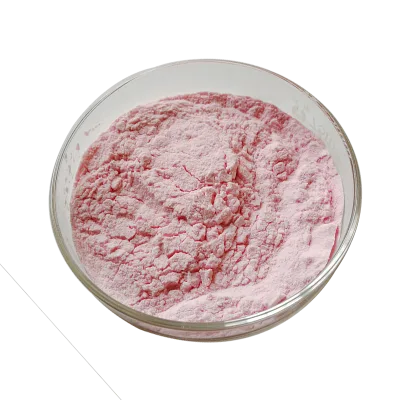
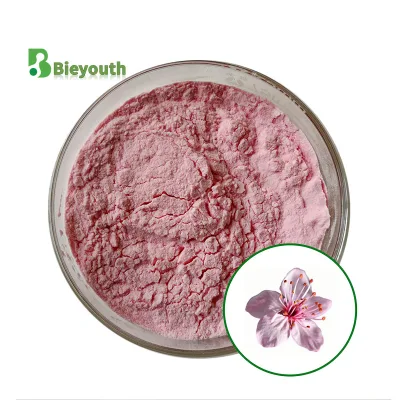
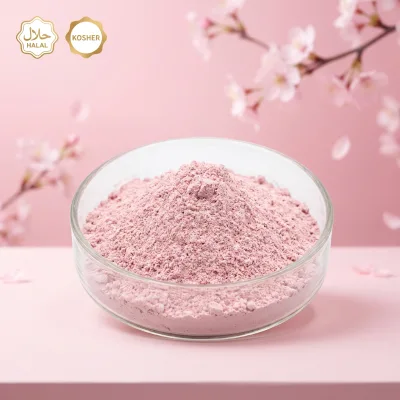


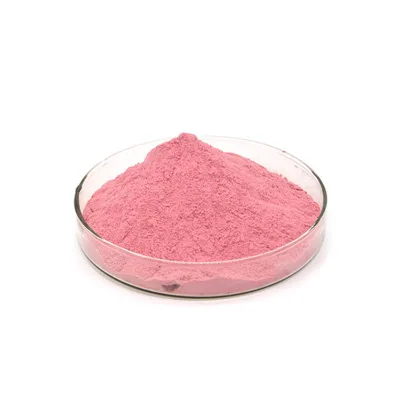
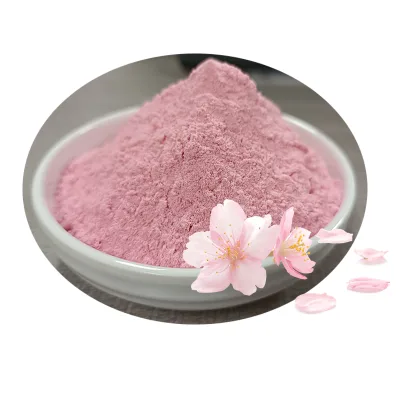
Food Grade Sakura Cherry Blossom Extract Natural Sakura Extract Powder
$58.00 - $108.00
MOQ: 1 Minimum
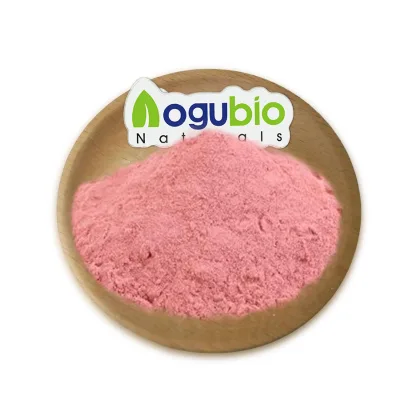
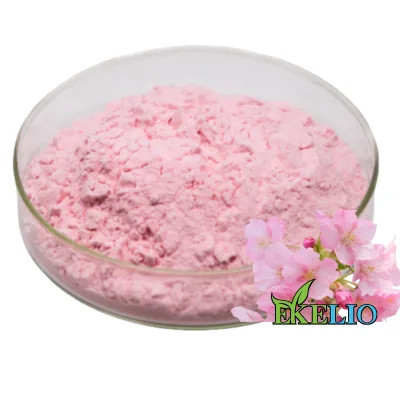
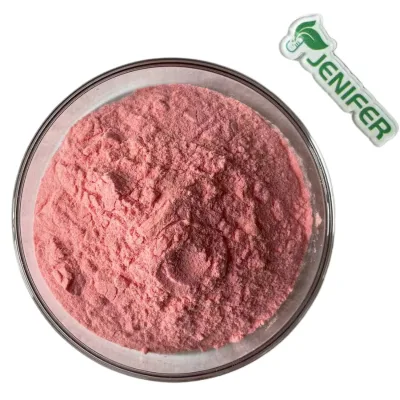


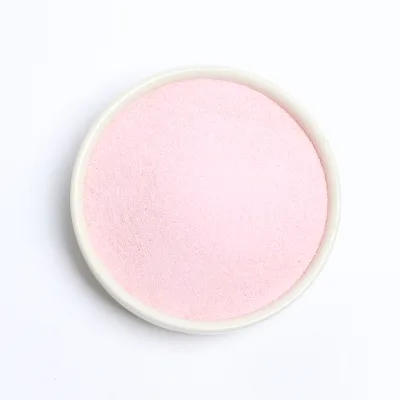
Pure Natural Sakura Powder Sakura Powder Organic Food Grade Sakura Flower Powder
$5.33 - $7.75
MOQ: 1 kilograms


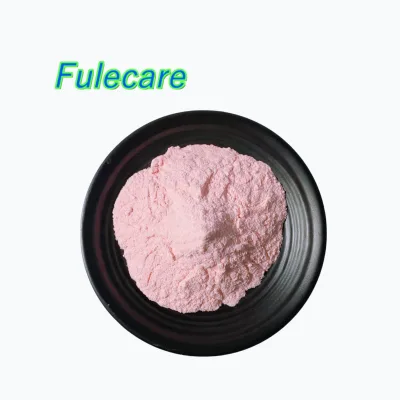
Private Label 100% Natural Water Soluble Sakura Flower Powder Sakura Powder
$15.37 - $20.50
MOQ: 1 Minimum

Comprehensive Sourcing Guide
Strategic Sourcing Guide for Natural Sakura Flower Extract Powder
Procuring Natural Sakura Flower Extract Powder requires a disciplined approach that balances botanical authenticity with rigorous supply chain verification. The market for this ingredient is characterized by a diversity of extraction methods, varying purity levels, and specific applications ranging from food coloring to health supplements. Buyers must navigate a landscape where product attributes are often observed rather than universally guaranteed across all listings. This guide outlines the essential technical, compliance, and operational factors necessary for a successful procurement strategy, grounded in verified product data and industry standards.
Technical Specifications and Product Attributes
The foundation of any successful sourcing decision lies in a precise understanding of the technical specifications provided by potential suppliers. When evaluating Natural Sakura Flower Extract Powder, the primary observation is the physical form, which is consistently documented as a fine powder. The color profile is a critical identifier, typically described as a distinct pink powder, which serves as a natural pigment in various formulations. Buyers should note that the specific shade and intensity can vary based on the part of the plant used. While some listings specify the "flower" as the part, others indicate the "shell" or "Sakura" generally, necessitating a clear definition of the raw material source to ensure consistency in the final extract.
Extraction methodology is another pivotal technical variable. The supply chain for this product utilizes different techniques, including solvent extraction and hot air drying. Solvent extraction is often associated with isolating specific active compounds, while hot air drying may be used for preserving the physical structure of the botanical material. The active ingredients identified in verified listings include polyphenols, which are often the target of extraction for their antioxidant properties. Furthermore, purity specifications vary significantly; some products are marketed with a 99% specification, while others list a purity of 9% pure. This discrepancy highlights the importance of defining the required concentration of active ingredients before engaging with a supplier. The grade is universally noted as food grade, ensuring suitability for human consumption, but the specific grade certification should be verified against the intended application.
Compliance, Certification, and Quality Standards
Navigating the compliance landscape for natural extracts requires a clear distinction between observed data and verified certifications. While background information may reference standards such as ISO22000 or certifications like RoHS, these should not be assumed as standard attributes for every listed product without explicit confirmation from the supplier. The primary quality benchmark observed in the current market data is the "Food grade" classification. This designation implies that the product meets general safety requirements for ingestion, but it does not automatically guarantee adherence to specific international food safety management systems unless explicitly stated in the contract.
Buyers must verify the "Quality" designation, which in some listings is noted as "Industrial," a term that may imply a different standard of purity or intended use compared to "Food grade" or "Health Food." It is essential to clarify whether the product is intended for direct human consumption or for use in non-food industrial applications. The "Specification" field often cites a 99% standard, but this must be cross-referenced with the actual "Purity" percentage, which can range widely. A robust quality control protocol should include requests for Certificates of Analysis (CoA) that verify the absence of heavy metals, pesticides, and microbial contaminants, regardless of the general "Food grade" label. Additionally, the "Standard" of 99% mentioned in some contexts should be treated as a target specification rather than a guaranteed baseline for all inventory.
Cost Drivers and Pricing Dynamics
The pricing structure for Natural Sakura Flower Extract Powder is influenced by several variable factors, primarily the extraction method, purity level, and packaging requirements. The observed price range in the market spans from $1 to $108 USD, a wide variance that reflects differences in concentration, processing complexity, and order volume. High-purity extracts, such as those with 99% specifications or those utilizing advanced solvent extraction techniques, typically command a premium price compared to basic powders with lower purity percentages.
Packaging plays a significant role in cost determination. The market offers various packaging formats, including drums, aluminum foil bags, plastic containers, vacuum packs, bottles, and cans. The single package size varies from compact dimensions like 15x10x15 cm to larger industrial drums measuring 30x20x20 cm. The single gross weight also fluctuates, with some packages weighing 1.5 kg and others reaching 20.0 kg. These variations impact logistics costs, which are often factored into the final unit price. Buyers should be aware that the "Selling Unit" is often listed as a single item, but the actual transactional unit may be defined by the Minimum Order Quantity (MOQ).
Typical Applications and Functional Uses
The versatility of Natural Sakura Flower Extract Powder is evident in its diverse application sectors. The primary observed application is within the food field, where it serves as a natural pigment and flavoring agent. The specific function is often listed as "Pigment," leveraging the natural pink color of the extract to enhance the visual appeal of food products without the need for synthetic dyes. Beyond food, the product is also utilized in the health food sector, capitalizing on the presence of active ingredients like polyphenols. In this context, the extract is valued for its potential health benefits rather than just its color.
Some listings indicate a broader application scope, including cosmetics and health food, suggesting that the extract can be incorporated into skincare formulations where natural pigments and antioxidant properties are desired. The "Herbal Extract" type classification further supports its use in dietary supplements. However, buyers must ensure that the specific application aligns with the product's "Quality" designation. For instance, a product marked as "Industrial" quality may not be suitable for cosmetic or health food applications, even if the botanical source is the same. The "Season" attribute is noted as "All Seasons," indicating that the supply chain is capable of providing consistent availability year-round, which is crucial for manufacturers with continuous production schedules.
Supplier Evaluation and Operational Parameters
Evaluating suppliers for Natural Sakura Flower Extract Powder requires a focus on operational transparency and reliability. Key operational parameters include the place of origin, which is consistently identified as Shaanxi, China, a region known for its agricultural output. The cultivation method is specified as "artificial planting," which suggests controlled growing conditions that may offer consistency in botanical quality. Buyers should verify if this artificial planting method adheres to specific agricultural standards that ensure the absence of unauthorized pesticides or fertilizers.
The Minimum Order Quantity (MOQ) is a critical operational constraint, with observed ranges from 1 kg to 10 kg. This flexibility allows for both small-scale testing and larger industrial procurement. The "Sample" availability is another key factor; most suppliers offer samples freely or with availability, enabling buyers to conduct preliminary quality assessments before committing to a bulk order. Lead times and storage requirements are also vital. The product requires "Cool Dried Storage" to maintain its integrity, and the shelf life is typically listed as 2 years. Buyers must ensure their own storage facilities meet these requirements to prevent degradation of the active ingredients. The "Customization" option is available in some listings, offering the potential for tailored packaging or specific purity levels, which can be a significant advantage for specialized product lines.
Quality Control and Long-Term Procurement Strategy
Establishing a robust quality control framework is essential for mitigating risks associated with natural ingredient sourcing. Given the variability in purity and extraction methods, buyers should implement a multi-stage verification process. This includes reviewing the supplier's documentation for the "Extraction Type" and "Active Ingredient" content. For example, verifying that the polyphenol content matches the claimed specifications is crucial for products marketed for health benefits. The "Specification" of 0.99 or 99% should be treated as a target, with actual test results serving as the final acceptance criteria.
Long-term procurement strategies should prioritize suppliers who demonstrate consistency in their "Single package size" and "Single gross weight" metrics. Variations in packaging dimensions and weights can indicate inconsistencies in production processes or filling procedures. Additionally, the "Packaging" options, such as vacuum packing or aluminum foil bags, should be selected based on the product's sensitivity to moisture and light. The "Storage" requirement of cool, dry conditions must be strictly maintained throughout the supply chain to preserve the 2-year shelf life. Buyers should also consider the "Brand Name" associated with the product, such as Bieyouth or BH, as an indicator of the supplier's market presence and reputation, though brand names should not be the sole determinant of quality.
| Attribute Category | Observed Variations | Verification Requirement |
|---|---|---|
| Form | Powder | Confirm particle size and flowability |
| Color | Pink Powder | Visual inspection and spectrophotometry |
| Purity | 9% Pure to 99% | Request CoA for specific active ingredient % |
| Extraction | Solvent, Hot Air | Verify method suitability for application |
| Packaging | Drum, Bag, Bottle | Check seal integrity and material safety |
| MOQ | 1kg to 10kg | Align with inventory and cash flow needs |
| Shelf Life | 2 Years | Verify storage conditions and expiration dates |
In conclusion, sourcing Natural Sakura Flower Extract Powder demands a meticulous approach that prioritizes technical verification over marketing claims. By focusing on the specific attributes observed in the market, such as the pink powder form, the range of purity levels, and the diverse extraction methods, buyers can make informed decisions that align with their product requirements. The wide price range and variable MOQs offer flexibility, but they also require careful financial planning and supplier negotiation. Ultimately, the success of the procurement process depends on rigorous quality control, clear communication of specifications, and a strategic partnership with suppliers who can consistently deliver high-quality, food-grade botanical extracts.
FAQs
What is the typical form and color of Natural Sakura Flower Extract Powder?
The product consistently appears as a pink fine powder. This physical form is observed across listings, though specific shade intensity may vary based on the plant part used, such as the flower or shell.
Which extraction methods are used for this herbal extract?
Suppliers utilize different techniques including solvent extraction and hot air drying. Solvent extraction is often used to isolate active compounds like polyphenols, while hot air drying preserves the botanical structure.
What is the minimum order quantity for purchasing this extract?
The minimum order quantity ranges from 1 kg to 10 kg depending on the supplier. This flexibility allows buyers to start with small test batches or proceed directly to larger industrial procurement volumes.
How should the powder be stored to maintain its quality?
The product requires cool and dried storage conditions to ensure stability. Proper storage helps maintain the two-year shelf life and prevents degradation of the active ingredients and pink color.
What are the primary applications for this natural extract powder?
It is primarily used in the food field as a natural pigment and in health food supplements. Some listings also indicate suitability for cosmetic applications where natural coloring and antioxidant properties are needed.
Can buyers request samples before placing a bulk order?
Yes, samples are freely offered or available upon request from most suppliers. This allows buyers to verify the pink powder appearance, purity, and extraction quality before committing to a larger purchase.