Source Natural Rubber Dog Toy Ball for Chewing Playing Training
Explore 30 listings for Natural Rubber Dog Toy Ball options from China suppliers. Compare models like PT-103 and CCG-PT72, noting variations in size, color, and customization to find suitable pet chewing and playing solutions.
Key considerations
Products List


Pet Smart Ball Dog Toy Rolling Ball Bouncing Toy Ball Cat Dog Non-Toxic Rubber Ball
$4.50 - $5.00
MOQ: 500 Pieces


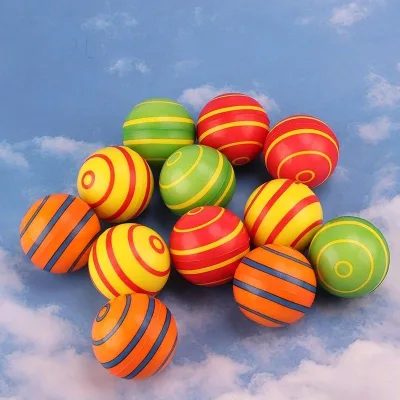
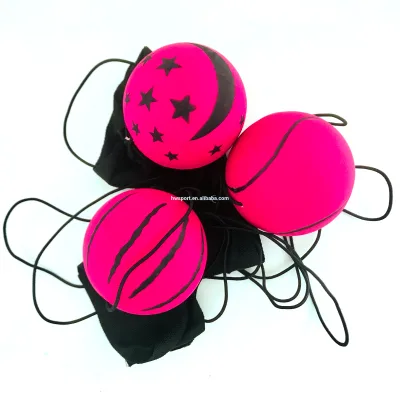


Natural Rubber Bite-Resistant Dog Chew Ball with Sound for Training and Fun
$2.15 - $2.17
MOQ: 200 Pieces


Wholesale Rubber Dog Toy Ball with Rope for Pet Training Playing Chewing
$0.65 - $0.84
MOQ: 200 Pieces

Wholesale Durable Natural Rubber Pet Toy Balls for Indoor Dog Entertainment
$0.01 - $0.05
MOQ: 100 Pieces




Comprehensive Sourcing Guide
Strategic Sourcing Guide for Natural Rubber Dog Toy Balls
Understanding Product Attributes and Material Composition
When sourcing natural rubber dog toy balls, the primary focus must be on the material composition and its implications for durability and safety. The supplied data indicates that "Rubber" is a core material attribute for specific product models, while other variations utilize "Rubber, Nylon" blends or entirely "Plastic" constructions. For a buyer specifically targeting "natural rubber," it is essential to distinguish between pure rubber formulations and composite materials. The observed product models, such as PT-103 and CCG-PT72, demonstrate that material selection directly influences the product's physical properties and intended usage.
The market data reveals a diverse range of material applications. Some products are explicitly labeled with "Rubber" as the primary component, while others list "Rubber, Nylon" as the material mix. This distinction is critical because nylon blends often alter the texture and chew resistance of the toy. A pure natural rubber ball typically offers a softer, more elastic feel, which is often preferred for gentle play or for dogs with sensitive gums. Conversely, rubber-nylon composites may provide enhanced durability for aggressive chewers. Buyers must verify the exact percentage of natural rubber versus synthetic additives or other polymers, as the term "natural rubber" can sometimes be used loosely in marketing materials. The presence of "Plastic" in other listings (such as model BT 251121p6) highlights the need for precise filtering to ensure the procurement aligns with the specific "natural rubber" requirement.
Furthermore, the physical specifications vary significantly across the observed product range. Standard dimensions observed include sizes like 7.5cm, 10cm, 5cm, and 7cm, with specific ball diameters noted as 6.5cm. The standard size of 73mm is also recorded for certain models. These dimensions dictate the suitability of the toy for different dog sizes. A ball with a 6.5cm diameter may be ideal for small breeds, while larger sizes are necessary for medium to large dogs to prevent choking hazards. The "Scale" attribute is noted as "Small" for some items, suggesting that size categorization is a key factor in product selection. Buyers should cross-reference these physical standards with the specific needs of their target customer base to ensure the purchased inventory matches the intended application.
Compliance, Certification, and Safety Standards
In the pet toy industry, compliance and certification are non-negotiable aspects of procurement. The supplied facts list several certifications associated with the product range, including CCC, ISO, CE, and RoHS. These certifications indicate that the manufacturers adhere to specific safety and quality management systems. For natural rubber products, the presence of RoHS (Restriction of Hazardous Substances) is particularly relevant, as it ensures the rubber compound does not contain excessive levels of heavy metals or other restricted chemicals that could be harmful to pets.
The ISO certification suggests that the manufacturing process follows international quality management standards, which is a strong indicator of consistent production quality. However, the data also shows variations in certification status; for instance, some entries list only "ISO," while others include the full suite of CCC, CE, and RoHS. Buyers must verify that the specific batch or model they intend to purchase carries the necessary certifications for their target market. For example, the CE mark is essential for products entering the European Union, while CCC is relevant for the Chinese market. The absence of a specific certification in a general listing does not necessarily mean the product is non-compliant, but it requires explicit confirmation from the supplier before finalizing an order.
Safety standards for dog toys often extend beyond general certifications to include specific testing for tensile strength, tear resistance, and toxicity. While the provided text does not list specific test results or numerical safety thresholds, it mentions that the products are designed for "Pet Chewing Dog Playing." This usage implies that the toys must withstand significant mechanical stress. Buyers should request test reports that verify the rubber's resistance to tearing and its ability to withstand chewing without breaking into small, ingestible fragments. The "Customized" and "Non-Customized" attributes also play a role here; customizations, such as logo printing or specific color formulations, must not compromise the material's safety profile. The data indicates that "Logo Printing" is available with or without customization, and "OEM & ODM" are acceptable, meaning buyers can tailor the product while maintaining compliance, provided the base material remains safe.
Cost Drivers and Pricing Dynamics
The pricing landscape for natural rubber dog toy balls is influenced by several factors, including material costs, customization levels, and order volume. The observed price range in the market data is 0.01 to 5 USD, a broad spectrum that reflects the diversity of product specifications and quality tiers. At the lower end of this range, products are likely to be simple, non-customized rubber balls with minimal packaging. As the price increases, buyers can expect to see added value in the form of custom branding, complex designs, or higher-grade materials.
Order Volume is a significant cost driver. The Minimum Order Quantity (MOQ) varies widely, ranging from 32 pieces to 3000 pieces, with specific instances of 200 PCS, 50 PCS, and 50 PCS per color per size. Lower MOQs, such as 32 or 50 pieces, allow for smaller initial investments and are suitable for testing the market or for niche products. However, higher MOQs often result in a lower unit cost due to economies of scale. The data shows that some suppliers require an MOQ of 50 PCS per color per size, which can significantly increase the total order volume and cost for buyers offering multiple color options like Blue, Orange, Red, Green, or Yellow.
Customization is another major factor affecting cost. Products with "Logo Printing," "Customized" branding, or specific "Packaging" options typically command a higher price. The data confirms that "Custom Option: Packaging" and "Accept Customized Logo" are available, which adds value but also increases the unit price. Additionally, the "Delivery Time" of 25-30 days after receiving a deposit suggests that rush orders or expedited shipping may incur additional costs. The "Sample Time" of 7-10 days is also a consideration; while samples are necessary for quality verification, they add to the overall procurement timeline and potential costs if multiple iterations are required. Buyers must balance the desire for customization and low unit costs against the constraints of MOQ and lead times to optimize their procurement strategy.
Typical Applications and Market Segmentation
The applications for natural rubber dog toy balls are diverse, catering to various pet needs and market segments. The primary usage identified in the data is "Pet Chewing Dog Playing," which highlights the toy's role in dental health and entertainment. The "Type" is explicitly listed as "Dog Toy Ball," and the "Suit for Pets" attribute specifies "Dogs, Small Animals," indicating that these products are versatile enough for a range of pet sizes. The "Application" list includes events such as "Anniversary, New Year, Baby Shower, Graduation, Wedding, Birthday, Halloween, Christmas, Carnival, Luau," suggesting that these toys are also popular as promotional items or gifts during festive seasons.
The color options available, including "Green, Orange, Yellow," "Blue, Orange, Red," and "Blue, Yellow or Custom," play a crucial role in marketing and appeal. Bright, contrasting colors are often preferred for dog toys as they are more visible to both the pet and the owner. The "Style" is described as "Luxurious Toys" for some models, indicating a premium segment where aesthetics and perceived quality are as important as functionality. This suggests that buyers can target different market segments, from budget-conscious consumers looking for basic play items to those seeking high-end, branded pet accessories.
The "Function" attribute for some products includes "Flashlight, Electric, Puzzle," which, while not directly related to natural rubber balls, indicates a broader category of interactive pet toys. For natural rubber balls specifically, the focus remains on durability and safety for chewing. The "Standard" dimensions, such as 26CM length with a 6.5CM ball diameter, suggest that size is a key differentiator for different dog breeds. Buyers should consider the specific needs of their target demographic; for example, a toy designed for "Small Animals" may require a smaller diameter to prevent choking, while toys for larger dogs need to be robust enough to withstand powerful jaws.
Supplier Evaluation and Operational Capabilities
Evaluating suppliers for natural rubber dog toy balls requires a thorough assessment of their operational capabilities, including production capacity, lead times, and customization flexibility. The data indicates that the "prod_origin" is primarily "China," with specific mentions of "Dongguan," a major manufacturing hub. This location suggests access to a robust supply chain and a high concentration of manufacturers specializing in rubber and plastic products.
Lead times are a critical factor in supplier evaluation. The observed "Delivery Time" is 25-30 days after receiving the deposit, which is a standard timeframe for manufacturing and shipping. However, the "Shipment" attribute also mentions "5 Days," which may refer to the internal processing time or a specific shipping method. Buyers should clarify these timelines to ensure they align with their inventory planning. The "Sample Time" of 7-10 days is another operational metric that suppliers should be able to meet consistently.
Customization capabilities are a key differentiator among suppliers. The data shows that "Customization" is "Available," and "OEM & ODM" are "Acceptable." This means suppliers can produce products with custom logos, packaging, and potentially unique designs. The "Logo Printing" attribute is available with or without customization, offering flexibility for buyers who want to brand their products. However, buyers must verify the supplier's ability to handle complex customizations without compromising quality or lead times. The "prod_packing" options, ranging from "Box" to "Polybag" to "1 Piece/ OPP Bag or Custom," indicate that suppliers can accommodate various packaging requirements, which is essential for branding and logistics.
Quality Control and Long-Term Procurement Considerations
Ensuring consistent quality is paramount when sourcing natural rubber dog toy balls. The "Quality Control" process should begin with the verification of raw materials. Buyers must confirm that the "Rubber" used is indeed natural and free from harmful contaminants. The presence of certifications like RoHS and ISO provides a baseline assurance, but regular third-party testing is recommended to verify compliance with specific safety standards. The "Material" attribute lists "Rubber" and "Rubber, Nylon," so buyers should ensure that the specific batch matches the ordered specification.
Long-term procurement considerations involve building a sustainable relationship with suppliers who can maintain quality and consistency over time. The "Customized" and "Non-Customized" options suggest that buyers may need to adjust their orders based on market feedback. A supplier with flexible MOQs, such as 32 or 50 pieces, allows for agile inventory management and the ability to test new designs without significant financial risk. The "Standard" dimensions and "Specification" details, such as model numbers like PT-103 and CCG-PT72, should be clearly documented to ensure that future orders match the initial successful batches.
Packaging is another area where quality control is essential. The "prod_packing" options include "Box," "Polybag," and "Carton," each serving different purposes. For retail, "Box" packaging may be preferred for presentation, while "Polybag" or "OPP Bag" might be suitable for bulk shipping or cost-sensitive markets. The "Custom Option: Packaging" allows for branding, which can enhance product value. Buyers should ensure that the packaging materials are durable enough to protect the toys during transit and storage.
Finally, the "Application" of the toys in various events and contexts requires that the products remain consistent in quality and appearance. The "Color" options and "Style" attributes should be maintained across batches to ensure brand integrity. By focusing on these quality control measures and long-term considerations, buyers can secure a reliable supply of natural rubber dog toy balls that meet the high standards expected in the pet toy market.
FAQs
What certifications do natural rubber dog toy balls have?
These toys typically carry CCC, ISO, CE, and RoHS certifications. Some listings show only ISO, so buyers must verify the specific batch carries the necessary marks for their target market before purchasing.
Can I customize the logo on these rubber balls?
Yes, logo printing is available with customized options for branding. Buyers can request OEM and ODM services, though customizations must not compromise the material safety profile or delay the standard lead time.
What is the minimum order quantity for these toys?
The minimum order quantity ranges from 32 to 3000 pieces depending on the supplier. Some vendors require 50 pieces per color per size, while others offer lower entry points for testing the market.
How long does it take to receive a sample?
Sample time is typically 7 to 10 days after request. This allows buyers to verify quality before placing a larger order, which generally requires 25 to 30 days for full delivery after deposit.
Which materials are used for natural rubber dog balls?
Products are made from pure rubber or blends of rubber and nylon. Some variations use plastic, so buyers must filter specifically for rubber to ensure the material matches their durability and safety requirements.
What sizes are available for these pet toys?
Available sizes include 5cm, 7cm, 73mm, and a 6.5cm ball diameter. Specific models also list dimensions like 26cm length or 7.5cm, ensuring options exist for small animals and larger dogs.