Source Natural Rubber Steel Vibration Isolator for Bridges, Railroads, and Buildings
Find 30 listings for the Natural Rubber Steel Vibration Isolator designed for industrial applications. Buyers can compare customized sizes, hardness ratings, and certifications like CE and ISO9001 from verified Chinese manufacturers.
Key considerations
Products List


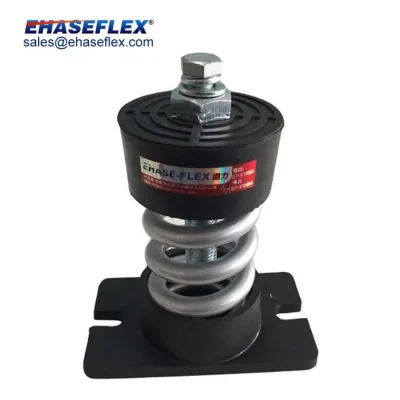
Durable HVAC Rubber Vibration Isolator for Generator Spring Shock Absorber
$9.82 - $10.24
MOQ: 10 pieces


Home Manual Rubber Anti-Vibration Isolator Mounts Anti-Shock Vibration Isolator
$1.70 - $2.30
MOQ: 1000 Pieces




Comprehensive Sourcing Guide
Strategic Sourcing Guide for Natural Rubber Steel Vibration Isolators
The global industrial landscape relies heavily on vibration control solutions to ensure structural integrity and operational stability. Among the various technologies available, the Natural Rubber Steel Vibration Isolator stands out as a critical component for mitigating dynamic loads in heavy machinery, civil infrastructure, and transportation systems. Sourcing these components requires a disciplined approach that balances technical performance, regulatory compliance, and supply chain reliability. This guide provides a comprehensive framework for buyers navigating the procurement of natural rubber steel vibration isolators, focusing on verified attributes and industry-standard evaluation criteria.
Technical Specifications and Material Composition
Understanding the fundamental technical specifications is the first step in defining procurement requirements. The core of a Natural Rubber Steel Vibration Isolator lies in its composite structure, typically consisting of a metal frame layer bonded to a rubber sheet. The rubber material itself is often a specialized compound, such as EPDM or synthetic rubber, selected for its resilience and damping properties. In many industrial applications, the material is specifically engineered as an earthquake resistance material, ensuring stability during seismic events.
Buyers must verify the hardness specifications, which are critical for load-bearing capacity. Data indicates that hardness values can range from 60sh to customized services, allowing for tailoring to specific load requirements. The deflection characteristics are equally important; observed performance metrics suggest a deflection of 5 (+/- 0.5mm) under standard conditions, though this may vary based on the specific model and application. The product model numbers, such as SKRP275, SKF431, or HG538, often denote specific design configurations, including multi-directional movable bearings or tailored shapes.
The physical dimensions and customization options are paramount. While standard models exist, the market frequently offers customized sizes and shapes to fit unique installation environments. The raw materials used, including synthetic rubber pads and metal frames, must be sourced from suppliers who can guarantee consistency. The structure of the isolator often involves OEM optimization or ODM capabilities, meaning the supplier can adapt the design to specific client needs. When evaluating technical data, buyers should look for the presence of a "V Code" indicating batch traceability, which ensures that every unit can be tracked back to its production run.
Compliance, Certification, and Regulatory Standards
Navigating the complex landscape of international standards and certifications is essential for ensuring that sourced vibration isolators meet safety and quality benchmarks. The supply chain for these components is often rooted in specific manufacturing hubs, with Zhejiang, China, being a prominent origin for high-volume production. Products originating from this region are frequently subject to rigorous internal and external quality checks.
Certification verification is a non-negotiable step in the procurement process. Buyers should confirm that suppliers hold valid ISO9001 and CE certifications, which indicate adherence to quality management systems and European safety standards. Additionally, specific material certifications such as AISI, ASTM, BS, GB, JIS, and DIN are often required to validate the chemical and physical properties of the rubber and steel components. For environmental compliance, test reports covering RoHS, Reach, Pops, PAHs, and TSCA are critical, especially for products intended for export to markets with strict chemical regulations.
The product standards themselves vary based on the application. Common standard designations include A30, A35, A45, S40, S60, CL40, CL50, and CL60, which likely correspond to load classes or performance grades. Furthermore, specific standards like LNR may apply to natural rubber formulations. Buyers must ensure that the supplier can provide a valid Test Report that aligns with the specific project requirements. The presence of certifications such as SGS further validates the supplier's commitment to independent quality verification. Without these documented proofs, the risk of non-compliance in the final installation increases significantly.
Cost Drivers and Pricing Dynamics
The pricing of natural rubber steel vibration isolators is influenced by a complex interplay of factors, including material costs, customization levels, and order volume. The observed market price range spans from 0.01 to 200 USD, reflecting the vast diversity in product sizes, hardness ratings, and complexity. A unit priced at the lower end of this spectrum is likely a standard, off-the-shelf component with minimal customization, while higher-priced items often involve specialized engineering, custom molds, or high-performance rubber compounds.
Order volume plays a decisive role in cost determination. The Minimum Order Quantity (MOQ) can range from 1 to 5000 units, offering flexibility for small-scale projects while encouraging bulk purchasing for large infrastructure developments. Buyers should anticipate that larger orders will yield better unit economics, but the initial investment must be weighed against the specific project timeline. Lead times are another cost driver; typical production windows are estimated at about 7-15 days, but this can extend if the order requires personalized development of the rubber formula or complex structural optimization.
Packaging also impacts the final cost. Options range from standard cartons and pallets to custom packaging in plastic bags or as per the buyer's specific request. While custom packaging may incur a slight premium, it can reduce damage risks during transit, particularly for heavy or delicate isolators. Buyers should request a detailed breakdown of costs, including material, labor, tooling, and logistics, to understand the true value proposition of a supplier's quote.
Typical Applications and Performance Requirements
Natural rubber steel vibration isolators are versatile components deployed across a wide array of industries. Their primary usage includes railroad bridges, highway bridges, and beam bridges, where they serve to absorb dynamic loads and protect structural elements from fatigue. In the realm of building construction, these isolators are integral to basic construction needs, providing stability for foundations and supporting heavy machinery.
The performance requirements for these applications are stringent. The isolators must be corrosion-resistant, wear-resistant, and capable of withstanding extreme temperatures, including heat and cold resistance. Insulating properties are also vital to prevent electrical conductivity or thermal bridging in certain environments. The feature set often includes an antiskid rubber sheet design, such as a round buckle pattern, to ensure secure footing and prevent slippage under load.
In industrial settings, the isolators function as industrial rubber slabs, handling heavy machinery vibrations. The medium used in these applications is often a metal frame layer rubber sheet, designed to distribute weight evenly. The activity type, such as multi-directional movable bearing, allows for movement in multiple axes, accommodating thermal expansion and contraction in large structures. Buyers should match the specific application requirements with the isolator's feature set, ensuring that the selected model can handle the expected deflection and load cycles.
Supplier Evaluation and Quality Control Protocols
Selecting the right supplier is as critical as selecting the right product. A robust supplier evaluation process should begin with a review of their in-plant inspection capabilities. Reliable manufacturers employ a comprehensive quality control system that includes First Article Inspection (FAI), Type Approval Tests, In-Process Quality Control (IPQC), and Outgoing Quality Control (OQC). These protocols ensure that every batch of vibration isolators meets the specified standards before leaving the facility.
Traceability is a key indicator of supplier maturity. The use of a V Code to indicate the batch number allows for precise tracking of materials and production runs. This feature is essential for quality assurance and liability management. Buyers should also inquire about the supplier's patent portfolio; for instance, a supplier holding patents for High Damping Rubber demonstrates a commitment to innovation and proprietary technology.
When evaluating potential partners, buyers should verify the supplier's ability to offer customized services. The availability of personalized development on performance requests indicates a flexible manufacturing process capable of adapting to unique client needs. Additionally, the supplier's structure should support both OEM and ODM models, providing the necessary support for design optimization. A supplier that can provide detailed test reports and maintains certifications like ISO and SGS is more likely to deliver consistent, high-quality products.
Long-Term Procurement Considerations and Maintenance
Sourcing vibration isolators is not merely a transactional activity but a long-term strategic decision. Buyers must consider the lifecycle of the product, including maintenance requirements and replacement schedules. The durability of the rubber material, particularly its resistance to aging and environmental degradation, is a critical factor. The use of high-quality raw materials, such as synthetic rubber pads, ensures a longer service life and reduces the frequency of replacements.
Future-proofing the procurement strategy involves maintaining a relationship with suppliers who can offer ongoing support and technical assistance. As project requirements evolve, the ability to customize sizes and shapes becomes increasingly valuable. Buyers should also consider the logistics of storage and handling; proper packaging in cartons or pallets is essential to prevent damage during storage.
Finally, buyers should remain vigilant regarding changes in regulatory standards and material availability. The global supply chain for rubber and steel is subject to fluctuations, and a reliable supplier will have contingency plans in place to mitigate these risks. By focusing on suppliers with strong quality control, comprehensive certifications, and a track record of customization, buyers can ensure a steady supply of high-performance natural rubber steel vibration isolators that meet their long-term operational needs.
Comparative Analysis of Product Attributes
To facilitate a clearer understanding of the market offerings, the following table summarizes key attributes observed in the current supply landscape. This comparison highlights the variability in specifications and helps buyers identify the most suitable options for their specific projects.
| Attribute Category | Standard Configuration | Customized / Specialized Configuration |
|---|---|---|
| Material | EPDM, Synthetic Rubber, Pad | Earthquake Resistance Material, Personalized Rubber Formula |
| Hardness | 60sh | Customized Service |
| Deflection | 5 (+/- 0.5mm) | Variable based on load requirements |
| Certifications | CE, ISO9001, ISO, SGS | AISI, ASTM, BS, GB, JIS, DIN, RoHS, Reach |
| Packaging | Carton, Pallet | Plastic Bags, Cartons, As Per Request |
| Lead Time | About 7-15 days | Extended for ODM/OPT Optimization |
| Application | Industrial, Building Basic Construction | Railroad Bridge, Highway Bridge, Beam Bridge |
| Traceability | V Code (Batch No.) | Full Batch Tracking |
This table underscores the importance of verifying specific attributes against project requirements. While standard configurations offer a baseline for general industrial use, specialized applications often demand customized solutions with enhanced material properties and rigorous certification standards. Buyers should use this framework to guide their inquiries and ensure that the selected vibration isolators align with both technical and operational goals.
FAQs
What certifications do natural rubber steel vibration isolators typically hold?
These isolators commonly hold CE and ISO9001 certifications to ensure quality and safety. Additional material certifications like AISI, ASTM, and DIN may also be available depending on the specific supplier and product model requirements.
How is the hardness of these isolators determined for industrial use?
Hardness is typically set at 60sh or can be customized to meet specific load requirements. Suppliers often offer personalized development of the rubber formula to achieve the desired hardness and performance characteristics.
Can buyers request customized sizes for natural rubber steel vibration isolators?
Yes, customized sizes and shapes are widely available to fit unique installation environments. Buyers can request tailored dimensions and shapes, often supported by OEM optimization or ODM capabilities from the manufacturer.
What is the standard lead time for ordering these vibration isolators?
The standard lead time is about 7 to 15 days for most orders. This duration may extend if the order requires personalized rubber formula development or complex structural optimization for specific project needs.
Which raw materials are used to manufacture these vibration isolators?
Manufacturers typically use synthetic rubber pads, EPDM, and metal frame layers. The rubber material is often engineered as an earthquake resistance material to ensure stability during seismic events.
What packaging options are available for shipping these industrial components?
Standard packaging includes cartons and pallets, while custom options like plastic bags are also available. Buyers can request packaging as per their specific needs to ensure safe transit and storage.
How do buyers verify the quality of these isolators before shipment?
Suppliers conduct in-plant inspections including FAI, IPQC, and OQC to ensure quality. Traceability is maintained using a V Code to indicate the batch number for every production run.