Source Needle Detecting Highlighter Wrench Bag for Carrying, Storage, and Daily Use
Explore 30 verified options for the Needle Detecting Highlighter Wrench Bag designed for carrying tools, storage organization, and daily electrician tasks. Buyers can compare PVC materials, sizes, and customization features across multiple suppliers to find the right fit.
Key considerations
Products List
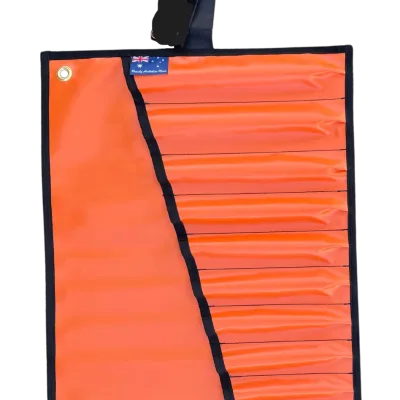
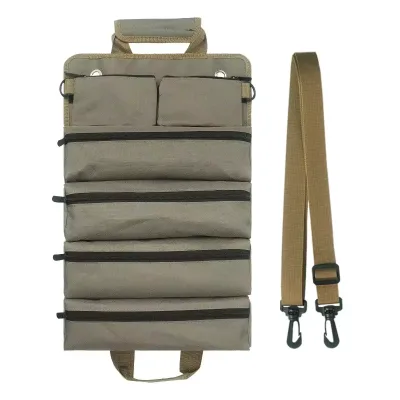
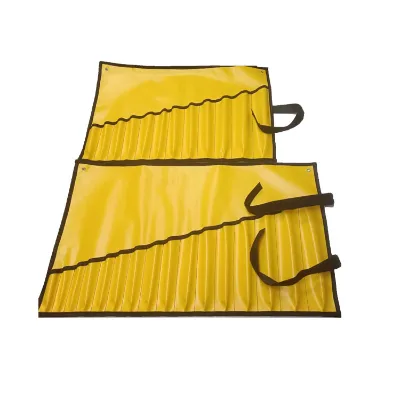
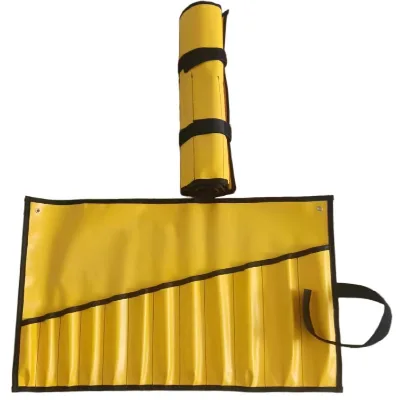
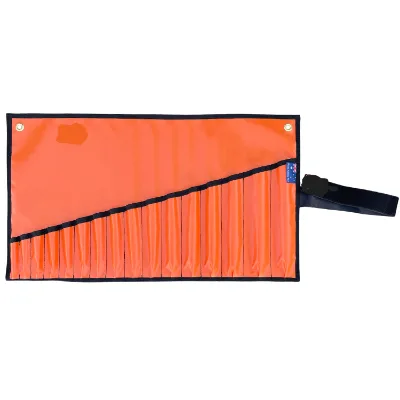
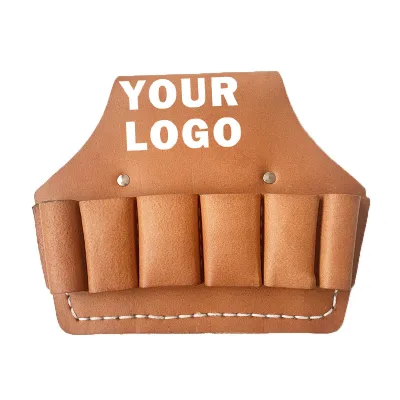


Tool Pocket Heavy Duty 16oz Canvas Rolling Wrench Tool Bag Organizer Pouch
$25.46 - $26.80
MOQ: 2 Pieces


Belt Bag Canvas Multi-Pocket Waterproof Wrench Storage Pouch Tool Waist Bag
$1.89 - $2.09
MOQ: 1000 Pieces


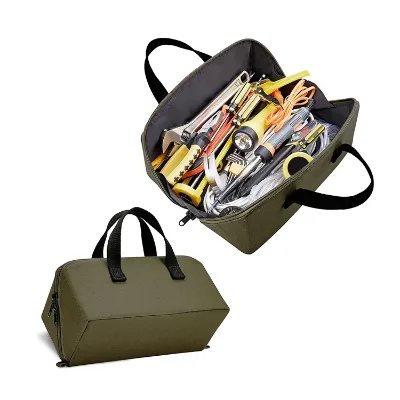
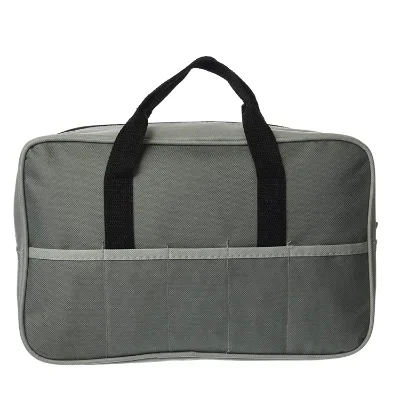
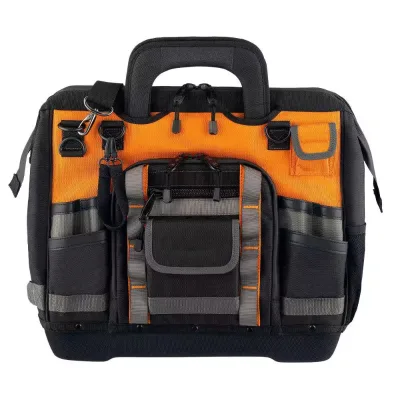
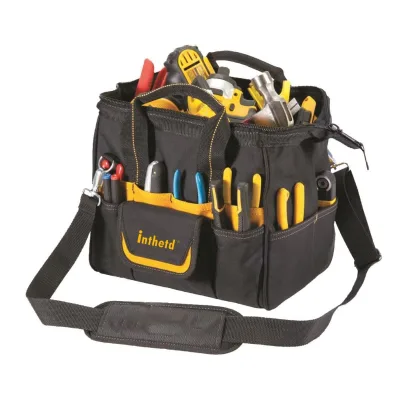


Comprehensive Sourcing Guide
Strategic Sourcing Guide for Needle Detecting Highlighter Wrench Bags
The procurement of specialized storage solutions, specifically those described as needle detecting highlighter wrench bags, requires a disciplined approach to navigating the complex landscape of industrial tool accessories. While the term "needle detecting" suggests advanced electronic or sensor-based capabilities, the available market data for PVC tool bags indicates a primary focus on durable, portable, and customizable storage for wrenches and general tools. Buyers must distinguish between marketing terminology and the actual physical specifications of the product. This guide outlines the essential factors for sourcing these items, focusing on material integrity, customization capabilities, and compliance verification based on observed market data.
Understanding Product Specifications and Material Composition
The foundation of a successful procurement strategy lies in a precise understanding of the product's physical attributes. The core material for these tool bags is predominantly PVC (Polyvinyl Chloride) or Tarpaulin, selected for their resistance to water, abrasion, and chemicals. These materials are critical for protecting tools like wrenches and highlighters from environmental damage during transport. The observed market data indicates that the material composition can be customized, allowing buyers to specify the thickness or type of PVC to meet specific durability requirements.
Dimensions vary significantly based on the intended use and customization requests. Standard specifications observed include sizes such as 453010cm, 40405cm, and 303030cm, with many suppliers offering fully customized sizing. The "Single package size" often ranges from 20X20X20 cm to 40X40X5 cm, which directly impacts shipping logistics and storage efficiency. Weight is another critical specification; single gross weights observed range from 0.200 kg to 2.000 kg, suggesting a wide variance in capacity and material density. Buyers must verify the exact weight and dimensions for their specific order, as these factors influence freight costs and the structural integrity of the bag when fully loaded with heavy wrenches.
Closure mechanisms are equally important for security. The market data highlights two primary types: Buckle and Zipper. Buckle closures offer a robust, quick-access solution often preferred for heavy-duty environments, while zipper closures provide a more sealed environment against dust and moisture. The choice between these should align with the specific workflow of the end-user, whether they require rapid access to tools or maximum protection for sensitive components.
Compliance Verification and Certification Standards
When sourcing industrial tool bags, verifying compliance is a non-negotiable step. The observed data explicitly mentions the GS certification, a mark of safety and quality assurance often required in European markets. This certification implies that the product has undergone rigorous testing for mechanical safety and material toxicity. However, buyers must exercise caution and not assume that every listed product possesses this certification. The presence of the GS mark in product descriptions should be treated as a specific attribute of certain listings rather than a universal standard for all PVC tool bags.
Beyond GS, the data references REACH as a background consideration. While REACH compliance is a standard for chemical safety in the European Union, it is listed here as low-confidence background information. Buyers should not rely on this mention as a guaranteed status for a specific supplier. Instead, procurement teams must request current, valid test reports from the supplier to confirm REACH compliance, particularly if the bags will be used in environments with strict chemical regulations. The material, being PVC, may contain plasticizers or additives that require verification to ensure they meet local environmental and safety standards.
It is also essential to verify that the "needle detecting" aspect, if it implies an electronic feature, is supported by actual testing data. The provided facts do not confirm the existence of electronic sensors within these bags. If the term refers to a visual highlighter or a specific design feature rather than an electronic detector, the buyer must clarify this distinction with the supplier to avoid procurement errors.
Cost Drivers and Pricing Dynamics
The pricing of PVC tool bags is influenced by several variable factors, including material quality, customization level, and order volume. The observed price range in the market spans from 1 to 50 USD per unit. This wide range reflects the diversity in product complexity, from simple single-item packs to high-capacity, multi-functional designs. The lower end of the spectrum likely corresponds to standard, non-customized sizes with basic PVC materials, while the higher end may reflect specialized features, thicker materials, or complex branding.
Minimum Order Quantity (MOQ) is a significant cost driver. The data indicates an MOQ range of 1 to 1000 pieces, with specific listings showing an MOQ of 500 pieces. For buyers seeking small batches or samples, the ability to order as few as one unit is a crucial advantage. However, for large-scale procurement, negotiating a lower unit price by meeting the 500-piece threshold is standard practice. The "Selling Units" are typically listed as single items, meaning the price per unit is the primary metric for budgeting.
Customization is another major cost factor. The data confirms that logos, colors, and sizes can be customized. While this adds value, it often incurs additional setup fees or higher per-unit costs compared to standard stock items. Buyers should request a detailed cost breakdown that separates the base product cost from customization fees to accurately forecast total expenditure.
Supplier Evaluation and Customization Capabilities
Evaluating suppliers requires a focus on their ability to deliver on customization promises. The market data shows that brands such as "shijur," "JUNDE," and "OEM" are present, indicating a mix of branded and white-label options. Many suppliers explicitly state "Accept customized logo" and "Customized Color," suggesting a high degree of flexibility. However, the presence of a brand name does not guarantee quality; the focus should remain on the supplier's production capacity and quality control processes.
Key evaluation criteria include the supplier's response time and sample availability. The observed sample times range from 5-7 days to 7-10 days. A shorter sample time can accelerate the procurement cycle, allowing for quicker validation of product quality. Additionally, the "OEM/ODM" capability is marked as acceptable, which is vital for buyers looking to develop their own branded product lines. Buyers should verify the supplier's experience with similar projects and their ability to handle large-scale production if the order volume exceeds the initial sample quantity.
The "Place of Origin" is consistently listed as Henan, China. While this provides a geographic context, it does not inherently dictate quality. Buyers should assess the specific factory's reputation, infrastructure, and adherence to safety standards rather than relying solely on the region. The "Style" of the bags ranges from "Simple" to "Fashionable," and the "Application" spans from "Carrying" to "Daily" and "Multi-Functional." Understanding the specific style and application requirements of the end-user is essential when selecting a supplier.
Quality Control and Performance Verification
Quality control is paramount when dealing with PVC and Tarpaulin products. The "Feature" attributes listed include "Portable," "Large Capacity," and "Insulated." While "Insulated" is a specific claim, buyers must verify the actual thermal properties of the bag, especially if it is intended to protect temperature-sensitive tools or highlighters. The "Function" is explicitly noted as "Electrictian Tool Bag" in some listings, suggesting a design tailored for electrical work, which may require specific durability or safety features.
To ensure quality, buyers should implement a rigorous inspection protocol. This includes checking the stitching quality, the strength of the buckle or zipper closures, and the uniformity of the material thickness. The "Single gross weight" and "Single package size" should be verified against the supplier's specifications to ensure consistency. Any deviation in weight or dimensions could indicate a change in material quality or production errors.
For products claiming "needle detecting" capabilities, if this refers to a specific design feature, the buyer should test the bag's ability to hold and organize such items effectively. If it implies an electronic function, the buyer must demand functional test reports. The "Feature: Insulated" claim should be backed by thermal testing data if the bag is marketed for temperature-sensitive applications. Without such data, these claims should be treated as observations rather than guaranteed performance metrics.
Long-Term Procurement and Supply Chain Considerations
Sourcing these tool bags is not a one-time transaction but a long-term relationship that requires careful management. The "Sample time" of 5-10 days is a critical factor in the supply chain. Buyers should factor this lead time into their production schedules to avoid stockouts. Additionally, the "Packing" method, often listed as "Carton" or "single packed in opp bag," affects the efficiency of storage and distribution. Bulk packing in cartons is generally more cost-effective for large orders, while individual OPP bagging is suitable for retail distribution.
Sustainability and environmental impact are increasingly important in B2B procurement. The use of PVC raises questions about recyclability and environmental compliance. Buyers should inquire about the supplier's policies on material sourcing and waste management. While the data mentions REACH as a background consideration, proactive engagement with suppliers regarding their environmental practices can mitigate future regulatory risks.
Finally, the "MOQ" of 500 pieces or more may require buyers to plan their inventory carefully. Overstocking can lead to storage costs, while understocking can disrupt operations. Buyers should negotiate flexible terms that allow for smaller initial orders with the option to scale up, ensuring a balance between cost efficiency and supply chain agility. By focusing on these long-term considerations, buyers can build a resilient supply chain that supports their operational needs while maintaining high standards of quality and compliance.
FAQs
What certifications are available for these PVC tool bags?
Some listings explicitly mention GS certification for safety and quality assurance. Buyers must verify this specific attribute per product, as not every item carries this mark. Always request valid test reports to confirm compliance before purchasing.
How can I customize the size and color of the bag?
Suppliers accept customized sizes and colors based on specific requirements. Standard dimensions like 45*30*10cm are available, but fully custom sizing is an option. You can also choose from various colors or request a specific shade to match your brand.
What is the typical sample time for these tool bags?
Sample times generally range from 5 to 10 days depending on the supplier. Some vendors offer samples within 5-7 days, while others may take 7-10 days. This lead time is critical for planning your procurement schedule and product validation.
Which closure types are commonly used for these bags?
The bags typically feature either buckle or zipper closure types. Buckles offer quick access for heavy-duty use, while zippers provide better dust and moisture protection. The choice depends on your specific workflow and tool protection needs.
Can I order a small quantity of these wrench bags?
Yes, some suppliers allow orders starting from just one unit. However, standard Minimum Order Quantities often start at 500 pieces for bulk pricing. Buyers seeking small batches should verify the specific MOQ for each listing before placing an order.
What materials are used to make these tool storage bags?
The primary materials observed are PVC and Tarpaulin for durability. Some listings indicate that material composition can be customized to meet specific strength or flexibility requirements. These materials offer resistance to water, abrasion, and chemicals during transport.
Where are these PVC tool bags manufactured?
The place of origin for these products is consistently listed as Henan, China. While this indicates the manufacturing region, quality depends on the specific factory's processes. Buyers should assess the supplier's infrastructure rather than relying solely on the geographic location.