Source Needle-Punched Aramid Dust Filter for Cement Steel Glass
Find 30 needle-punched aramid dust filter options tailored for high-temperature industrial environments. Buyers can compare specifications including filtration grades, working temperatures up to 200 degrees, and customization features for various dust collector housing types.
Key considerations
Products List


High-Temperature Aramid Needle Punched Dust Filter Felt for Dust Control
$0.50 - $5.00
MOQ: 1 Square Meters


High-Performance Aramid Needle Felt Filter Cloth for Dust Collectors
$0.50 - $1.00
MOQ: 1 Square Meters


Aramid Nonwoven Filter Fabric Aramid Filter Cloth Needle Punched Felt
$14.00 - $15.00
MOQ: 500 Square Meters


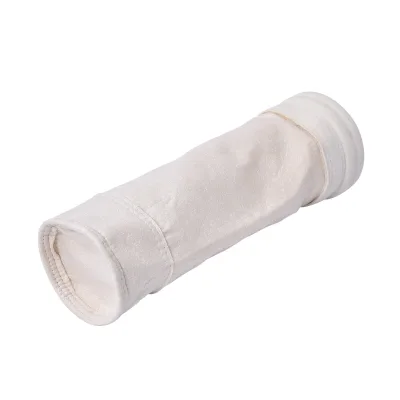

Dust Collector/Bag Filter Aramid Needle Punched Felt Fabric Filter Cloth
$1.00 - $3.99
MOQ: 100 Pieces


Aramid Filter Bag for Dust Collection
$0.50 - $10.00
MOQ: 10 Pieces
Anhui Yuanchen Environmental Protection Science And Technology Co., Ltd.


Comprehensive Sourcing Guide
Strategic Sourcing Guide for Needle-Punched Aramid Dust Filter Systems
Understanding the Core Product Architecture and Material Composition
The needle-punched aramid dust filter represents a specialized class of industrial filtration media designed for demanding thermal and chemical environments. Unlike standard woven fabrics, this product utilizes a non-manufacturing cloth process where individual fibers are mechanically interlocked through needle punching. This technique creates a robust, three-dimensional matrix that provides exceptional structural integrity without the need for binding agents that might degrade under high heat. The primary material composition for these systems is consistently identified as 100% Aramid, a synthetic fiber known for its inherent resistance to extreme temperatures and chemical corrosion.
When evaluating the physical characteristics of the filter, buyers must distinguish between various product forms. The market offers configurations ranging from Filter Felt and Pocket Filters to specific Aramid Filter Bags. A critical observation in the current supply landscape is the diversity in shape and sectional design. While Round Bag configurations are standard, Square shapes are also available to meet specific housing requirements. The filtration media itself is often described as Needle Non Woven Aramid Fiber, which directly correlates to the manufacturing method. The density of these fabrics varies, with specific observations noting a density of 68x68, though this is not a universal constant for all variants.
The physical dimensions of the filter are highly flexible. Specifications indicate that the width can be standardized at 58/60 inches, but the length and diameter are frequently customizable to fit unique dust collector housings. The weight of the cloth is another significant variable, with typical values ranging from 450 to 600 grams per square meter, with 500 grams being a common standard. However, the standard weight is not a fixed rule; it is subject to the specific customization requests of the buyer. The color of the raw material is typically Ecru, reflecting the natural state of the aramid fiber before any additional treatments are applied.
Technical Specifications and Performance Capabilities
The performance of needle-punched aramid filters is defined by their ability to operate in extreme conditions. A primary technical specification is the operating temperature range. These filters are engineered for High-Temperature environments, with specific data points indicating a work temperature capability of up to 200 degrees Celsius. This makes them suitable for applications involving hot gases, molten metal, or high-temperature exhaust streams where standard polyester or nylon filters would fail. The material is explicitly categorized as High Temperature Resistant and Flame Retardant, ensuring safety in volatile industrial settings.
Filtration efficiency is another critical technical parameter. The supply chain data highlights a range of filtration grades, including ULPA (Ultra-Low Penetration Air) filters and Medium Filters. This indicates that the needle-punched aramid technology can be tuned for different levels of particulate retention depending on the application. The medium material for some variants is noted as Microfiber, which may be blended or used in specific layers to enhance particle capture. The installation method is also a technical consideration; some units are designed for Vertical Lifting, while others are integrated into systems that utilize Blowback Dust Collectors or Pulse Dust Collectors.
The bottom of the bag is a crucial design element that affects the sealing and structural performance. While a Round Is Normally the standard configuration, the customization options allow for alternative shapes to ensure a perfect fit within the dust collector housing. The filter bag environment can vary from Room Temperature to High-Temperature scenarios, suggesting that the same base material can be processed for different operational contexts. The product features also include Waterproof capabilities, achieved through specific finish treatments. These treatments, which may include Singeing, PTFE Coating, and Water and Oil Repellent processes, are essential for preventing moisture ingress and extending the lifespan of the filter in humid or oily environments.
Compliance, Standards, and Certification Verification
Navigating the compliance landscape for industrial filtration requires a rigorous approach to verifying standards and certifications. The supply data indicates that the product standard is often customizable, with specific references to "En" standards and GSM (grams per square meter) ranges from 100 to 500. This variability means that buyers cannot assume a single universal standard applies to all aramid filters. Instead, the procurement strategy must focus on verifying that the supplier can meet the specific regulatory requirements of the buyer's region and industry.
For international trade, the origin of the product is a key factor in compliance. The majority of the observed supply originates from China, which necessitates a thorough review of the supplier's ability to adhere to international quality management systems. While the provided data does not list specific third-party certifications, the mention of "Customizable" standards implies that suppliers are capable of aligning their production with client-specified norms. Buyers should explicitly request documentation regarding the material's compliance with fire safety regulations, given the Flame Retardant classification of the aramid fiber.
The standardization of the product also extends to the medium material and filtration grade. Since the data lists both ULPA and Medium Filter grades, it is imperative to confirm the specific filtration efficiency rating required for the application. A filter rated for ULPA performance will have different structural requirements compared to a Medium Filter. Furthermore, the supply type is noted as Make-to-Order, which suggests that compliance with specific standards is often negotiated on a per-order basis rather than being a pre-existing stock attribute. Buyers must ensure that the supplier's quality assurance protocols include testing for the specific standards they intend to claim, such as tensile strength, thermal stability, and chemical resistance.
Cost Drivers and Economic Factors in Procurement
The pricing structure for needle-punched aramid dust filters is influenced by a complex interplay of material costs, customization levels, and order volume. The observed price range in the market is substantial, spanning from 0.09 to 199 USD. This wide disparity is not indicative of quality variance alone but reflects the difference between raw material samples, standard-sized bags, and fully customized, high-performance units. The base cost of 100% Aramid fiber is inherently high compared to synthetic alternatives, and this raw material cost is a primary driver of the final price.
Minimum Order Quantity (MOQ) is another significant economic factor. The data shows an MOQ range from 1 to 500 units, with a specific observation of 300kg for certain bulk orders. This flexibility allows buyers to scale their procurement based on their immediate needs and storage capabilities. However, the Make-to-Order supply type implies that lead times and pricing may fluctuate based on the current availability of aramid fiber and the complexity of the requested customization. Customization, which is widely available, often incurs additional costs for tooling, pattern design, and specialized finishing treatments like PTFE coating.
Packaging methods also impact the total cost of ownership. The observed packaging options include Carton, Roll, Woven Bag, and Plastic Bag Into Carton. The choice of packaging depends on the shipping method and the protection required during transit. For international shipments, robust packaging like cartons or woven bags is essential to prevent damage, which adds to the overall cost. Buyers should evaluate the total landed cost, including packaging, rather than focusing solely on the unit price. Additionally, the service model, which includes Custom OEM and ODM capabilities, suggests that buyers can negotiate pricing structures based on long-term partnership agreements or volume commitments.
Typical Industrial Applications and Operational Context
The versatility of needle-punched aramid filters makes them suitable for a wide array of heavy industries. The application data explicitly lists Asphalt, Metal, Ceramic, Glass, Cement, and Steel as primary sectors. In the metal and steel industries, these filters are critical for capturing fine particulate matter generated during smelting, casting, and grinding processes, where temperatures can exceed the limits of conventional filter media. The high-temperature resistance ensures that the filter maintains its structural integrity in the face of hot gases and sparks.
In the cement and ceramic industries, the filters are used to manage dust emissions from kilns and grinding mills. The ability to withstand abrasive particles and high thermal loads makes aramid the material of choice for these environments. The specific mention of "Dust Collector Housing Type" covering both Blowback and Pulse Dust Collectors indicates that these filters are compatible with various cleaning mechanisms. This compatibility is vital for maintaining system efficiency and minimizing downtime.
The environmental conditions of the application also dictate the choice of filter. While some units are designed for Room Temperature environments, the primary use case for aramid is in High-Temperature settings. The Waterproof feature and Oil Repellent treatments are particularly valuable in applications where the exhaust gas contains moisture or oily mist, such as in asphalt production or certain metal finishing processes. The specific shape of the bag, whether Round or Square, must align with the internal geometry of the dust collector to ensure optimal airflow and filtration efficiency.
Supplier Evaluation and Quality Control Protocols
Selecting a reliable supplier for needle-punched aramid filters requires a multi-faceted evaluation strategy. Since the supply type is Make-to-Order, the supplier's manufacturing capability and flexibility are paramount. Buyers should assess the supplier's experience with non-manufacturing cloth processes and their ability to handle custom specifications for size, material, and finish treatment. The availability of Custom OEM and ODM services is a positive indicator of a supplier's technical competence and willingness to collaborate on product development.
Quality control is essential to ensure that the delivered filters meet the required performance standards. Buyers should verify the supplier's testing protocols for key attributes such as density, weight, and filtration grade. The observed density of 68x68 and weight range of 450-600gms serve as benchmarks, but the supplier must demonstrate consistency in maintaining these specifications across batches. The finish treatment process, including Singeing and PTFE Coating, requires precise control to ensure uniform application and durability.
The origin of the product, typically China, necessitates a review of the supplier's export history and logistics capabilities. Buyers should inquire about the supplier's track record in delivering to their specific region and their ability to handle the complexities of international shipping. The customization of the product standard and the availability of specific models like FB045, FB056, and FBB10232 suggest a diverse product portfolio. Buyers should request samples or test reports to validate the claims regarding high-temperature resistance and flame retardancy before committing to a large order.
Long-Term Procurement Considerations and Lifecycle Management
Sourcing needle-punched aramid dust filters is not merely a transactional activity but a strategic decision that impacts long-term operational efficiency. The high initial cost of aramid filters must be weighed against their extended service life and reduced maintenance requirements. The durability of the 100% Aramid material ensures that the filters can withstand harsh conditions without frequent replacement, leading to lower total cost of ownership over time.
The customization aspect of the product allows for a tailored approach to filtration needs. As industrial processes evolve, the ability to customize the filter size, shape, and treatment becomes increasingly valuable. Buyers should establish a long-term relationship with a supplier who can adapt to changing requirements and provide consistent quality. The Make-to-Order model supports this flexibility, allowing for adjustments in production based on real-time operational needs.
Finally, the environmental impact of the filter should be considered. The high-temperature resistance and flame retardant properties contribute to safer industrial operations, reducing the risk of fire and equipment damage. The waterproof and oil-repellent features also help in maintaining air quality and reducing waste. By focusing on these long-term benefits, buyers can justify the investment in high-quality needle-punched aramid filters and ensure a sustainable and efficient filtration system.
Comparative Analysis of Filter Configurations
To assist in decision-making, the following table summarizes the key variations observed in the needle-punched aramid filter market. This comparison highlights the diversity in specifications and helps buyers identify the most suitable configuration for their specific needs.
| Feature Category | Standard Observation | Customization Option | Application Impact |
|---|---|---|---|
| Material | 100% Aramid | Medium Material: Microfiber | Determines thermal and chemical resistance |
| Shape | Round Bag | Square Shape | Fits specific dust collector housing geometry |
| Filtration Grade | ULPA or Medium | Customizable | Dictates particle retention efficiency |
| Temperature | High-Temperature (200°C) | Room Temperature | Defines suitability for hot gas vs. ambient air |
| Weight | 450~600gms (Normal 500gms) | Customizable | Affects airflow resistance and durability |
| Packing | Carton, Roll, Woven Bag | Plastic Bag Into Carton | Influences shipping protection and handling |
| Finish Treatment | Singeing, PTFE Coating | Water/Oil Repellent | Enhances resistance to moisture and oil |
| Origin | China | Customizable Standards | Affects logistics and regulatory compliance |
This structured approach to understanding the available configurations ensures that buyers can make informed decisions that align with their technical requirements and operational constraints. By leveraging the flexibility of the needle-punched aramid technology, industries can achieve optimal filtration performance while managing costs and maintaining safety standards.
FAQs
What is the primary material used for needle-punched aramid dust filters?
The primary material is 100% Aramid fiber, which provides inherent resistance to extreme temperatures and chemical corrosion. This non-manufacturing cloth process mechanically interlocks fibers to create a robust matrix without binding agents that might degrade under heat.
Can the dimensions of the filter bag be customized for specific equipment?
Yes, the length and diameter can be customized to fit unique dust collector housings. While the width is often standardized at 58 or 60 inches, the shape can be round or square, and the bottom design is typically round but customizable.
What is the maximum operating temperature for these high-temperature resistant filters?
These filters are engineered to operate in high-temperature environments with a work temperature capability of up to 200 degrees Celsius. They are classified as flame retardant and suitable for applications involving hot gases or molten metal.
Which filtration grades are available for needle-punched aramid dust filters?
Available filtration grades include ULPA filters and medium filters, allowing for different levels of particulate retention. Some variants also utilize microfiber as the medium material to enhance particle capture efficiency for specific industrial needs.
How is the filter bag typically packaged for international shipping?
The product is typically packed in cartons, rolls, woven bags, or plastic bags inside cartons. Packaging options are customizable to ensure protection during transit, with specific methods chosen based on the shipping requirements and order volume.
What industries commonly utilize needle-punched aramid dust filters?
These filters are commonly used in asphalt, metal, ceramic, glass, cement, and steel industries. They are essential for capturing fine particulate matter in processes where temperatures exceed the limits of conventional filter media.