Source Needle-Free RF Face Lifting Machine for Salon, Home, Clinic
Find 29 Needle-Free RF Face Lifting Machine options for salon, home, and clinic use. Compare portable and non-portable models with thermal RF technology, varying frequencies, and customization services to identify the right beauty equipment for your business needs; compare the available evidence and request quotations based on your requirements.
Key considerations
Products List


Face Lifting Machine Beauty Device Facial Machine Skin Tightening EMS RF Face Lift
$3400.00 - $3600.00
MOQ: 1 Pieces


Ret-Face Renaface Non-Invasive RF Face Lifting Neck Wrinkle Removal Machine
$1699.00 - $2199.00
MOQ: 1 Pieces


Advanced RF Face Lift Machine for Skin Tightening and Body Contouring
$1800.00 - $3350.00
MOQ: 1 Pieces


Comprehensive Sourcing Guide
Needle-Free RF Face Lifting Machine Sourcing Guide
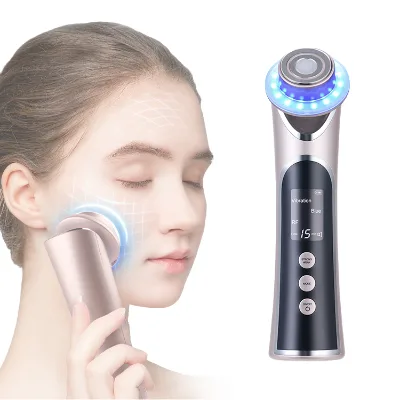
The needle-free RF face lifting machine market presents a diverse array of devices designed for both salon and home applications, offering non-invasive thermal radio frequency treatments. Buyers must distinguish between portable units intended for mobile beauty services and larger systems suited for fixed clinic environments. The observed product range includes specific models like the Portable CRF007 and the Me time series, which utilize thermal RF technology to achieve skin tightening and lifting effects without surgical intervention.
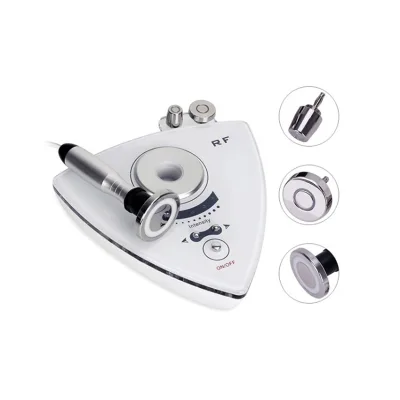
Procurement decisions should prioritize the specific application environment, as the supply chain offers distinct configurations for different operational needs. While some listings highlight a single handpiece with three probes for targeted facial work, other models feature combined tripolar RF and body RF capabilities for comprehensive treatments. Understanding these functional differences is essential before engaging with suppliers, as the intended use case dictates the necessary power output, probe compatibility, and overall system design required for effective client results.
Product Scope and Observed Listing Signals
Buyers should carefully analyze the listed product attributes to ensure the device matches their specific service requirements, noting that some units are explicitly marked as portable while others are classified as non-portable. The observed data indicates a wide variance in physical specifications, with some machines packed in aluminum alloy cases for durability and others in standard carton packages with dimensions ranging from compact 28cm units to larger 125cm systems. This variation suggests that the "needle-free" category encompasses everything from handheld aesthetic tools to substantial treatment chairs.
When evaluating listings, it is critical to verify the stated treatment therapy type, as the core mechanism relies on non-invasive thermal RF radio frequency technology. The market signals show that while many devices focus on face lifting, others integrate skin rejuvenation and slimming functions, requiring buyers to confirm the exact feature set. The presence of specific keywords like "RF Skin Tightening" or "Skin Rejuvenation Machine" helps identify the primary therapeutic goal, but the actual hardware configuration, such as the number of handpieces or the specific model number, must be cross-referenced with the supplier's technical documentation.
Technical Specifications to Verify
Technical due diligence requires confirming the precise RF frequency and pulse parameters, as the supplied facts indicate a specific 20MHz RF frequency and a pulse frequency range of 1-150Hz for certain models. Buyers must verify that the energy range, typically listed as 0-100%, aligns with the safety protocols of their facility and the tolerance levels of their client base. Additionally, the pulse width of 285us and magnetic intensity ranging from 0.4 to 2.5t are critical metrics that influence the depth of tissue penetration and the overall efficacy of the thermal treatment.
The treatment time capacity is another vital specification, with some systems supporting sessions of up to 60 minutes, which impacts the throughput of a busy salon or clinic. Procurement teams should also scrutinize the handpiece configuration, as the availability of one handpiece with three probes versus multiple handpieces will determine the versatility of the device for different body areas. Ensuring that the technical specifications match the advertised treatment therapy is essential to avoid purchasing a unit that cannot deliver the promised clinical outcomes.
Compliance and Safety Documentation
Regulatory compliance is a non-negotiable aspect of sourcing medical aesthetic equipment, and buyers must verify that the supplier provides valid certification documents such as CE and Cfda approvals. The observed product data lists these certifications, but procurement teams should request the actual certificates to confirm their validity and ensure they cover the specific model being purchased. Without these documents, the equipment may not be legally marketable in certain regions, and the risk of regulatory penalties or seizure at customs increases significantly.
In addition to product certifications, buyers should investigate the import and export licensing status of the supplier, as the data mentions a Prc Import & Export License for certain units. This documentation is crucial for international transactions to ensure that the goods can be legally shipped and cleared through customs in the destination country. It is also advisable to check for any additional safety standards, such as ISO 13485, even if they are not explicitly listed in every product description, to ensure the manufacturing process meets high-quality medical device standards.
Cost Drivers and Commercial Terms
The pricing structure for needle-free RF face lifting machines varies widely, with observed listings ranging from $1 to $8,000, driven by factors such as technology complexity, build quality, and included accessories. Buyers should understand that lower-priced units may lack advanced features like multiple probes or extended warranty coverage, while higher-priced models often include professional design and production capabilities. The minimum order quantity (MOQ) is generally low, ranging from 1 to 5 units, which allows for flexible purchasing strategies for small salons or large distributors.
Commercial terms regarding customization and warranty are equally important when negotiating with suppliers, as many offer professional OEM and ODM services to tailor the device to specific brand requirements. The warranty period observed in the market typically spans one to two years, with some suppliers promising technology support forever, which significantly reduces long-term operational risks. Buyers must clarify the scope of this support, including whether it covers software updates, hardware repairs, or replacement of consumable probes, to ensure a clear understanding of the total cost of ownership.
Supplier Qualification and Quality Control
Supplier qualification should begin with verifying the origin of the products, as the data indicates manufacturing locations in China, including specific cities like Beijing and Guangzhou. Buyers should assess the supplier's production capacity and their ability to maintain consistent quality across different batches, especially given the variation in packing standards from aluminum cases to standard cartons. A reliable supplier will provide detailed specifications for each model, ensuring that the physical dimensions and weight, such as the 31kg net weight for certain units, are accurate and consistent.
Quality control processes must be rigorously evaluated to ensure that the devices meet the advertised performance standards before shipment. Buyers should request pre-shipment inspection reports or third-party testing results to verify that the RF output and safety mechanisms function as intended. It is also prudent to inquire about the supplier's track record in handling after-sales issues, as the longevity of the equipment depends on the availability of technical support and the quality of the initial manufacturing process.
Long-Term Procurement Checks
Establishing a long-term partnership requires regular checks on the supplier's ability to maintain product consistency and provide ongoing technical support. Buyers should monitor the warranty terms closely, ensuring that the promise of "technology supports forever" is backed by a clear service agreement that outlines response times and repair procedures. This proactive approach helps mitigate the risk of equipment downtime, which can directly impact revenue and client satisfaction in a competitive beauty market.
Finally, procurement teams should periodically review the market for new models and technological advancements to ensure their inventory remains competitive. The observed product range includes various models like the FG009, JF287, and SC302, indicating a dynamic market with frequent updates. By staying informed about these developments and maintaining open communication with suppliers, buyers can adapt their offerings to meet evolving client demands and maintain a strategic advantage in the needle-free RF face lifting machine sector.
FAQs
What is the RF frequency for Needle-Free RF Face Lifting Machine models?
The RF frequency is 20MHz for the Portable CRF007 model. This specific frequency supports non-invasive thermal radio frequency treatments. It is designed for salon and home use. The system includes one handpiece with three probes. This configuration allows for targeted skin tightening and face lifting procedures effectively.
Can I customize the design for a Needle-Free RF Face Lifting Machine?
Yes, customization is available for professional design and production. Buyers can request OEM and ODM services to tailor the device. This ensures the machine meets specific brand or operational requirements. The technology supports these customizations while maintaining core performance standards for effective treatments.
What certifications does the Needle-Free RF Face Lifting Machine have?
The device holds Cfda and Prc Import & Export License certifications. It also meets CE standards for safety and compliance. These certifications verify the product meets regulatory requirements for medical and beauty equipment. Buyers can rely on these documented standards for international trade and local market entry.
How long is the warranty for a Needle-Free RF Face Lifting Machine?
Warranty periods vary by model, typically offering one or two years of coverage. Technology support is provided forever for all units. This ensures long-term operational stability and access to technical updates. Buyers receive reliable after-sales support to maintain device performance and address any technical inquiries.
What is the packing format for the Needle-Free RF Face Lifting Machine?
Packing formats include aluminum alloy cases and carton packages depending on the model. Specific dimensions vary, such as 50.5*37.5*125cm for some units. This ensures safe transport and protection of the sensitive electronic components. The robust packaging supports both domestic and international shipping requirements for professional equipment.
Where are needle free rf face lifting machines manufactured?
These machines are manufactured in Mainland China, including locations like Beijing and Guangzhou. This origin ensures access to established supply chains and manufacturing expertise. Buyers can source directly from these regions for competitive pricing and reliable production capabilities. The geographic location supports efficient logistics for global distribution networks.