Source Neoprene Golf Ball Pouch for Racing, Entertainment, and Gift
Compare 30 listings of neoprene golf ball pouches featuring durable materials and customizable options. Buyers can evaluate sizes, closure types, and OEM services from suppliers in Fujian and Dongguan.
Key considerations
Products List
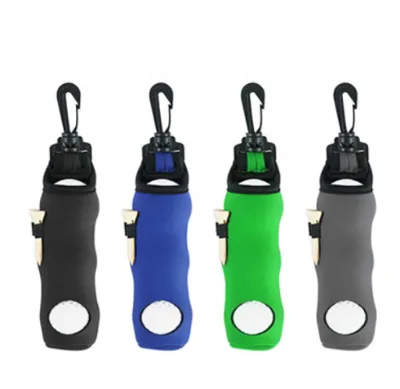
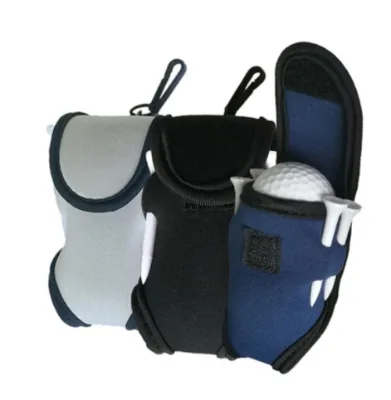


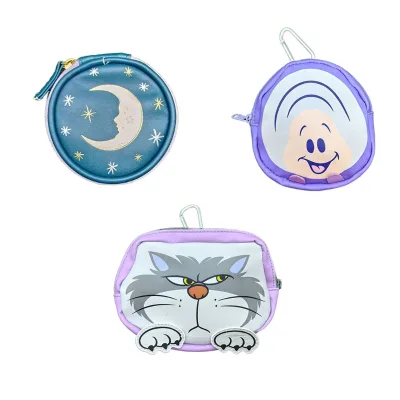


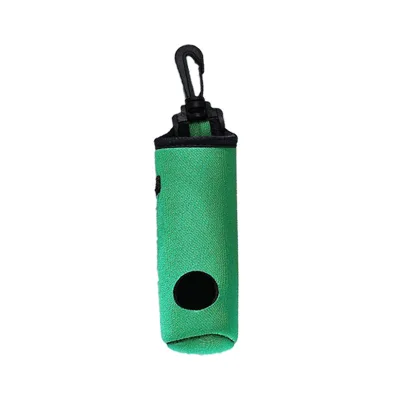

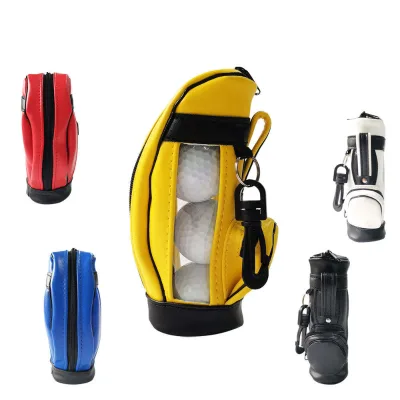
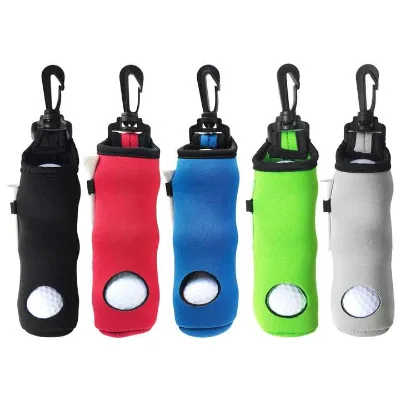
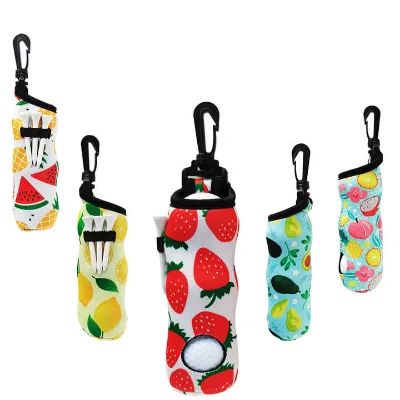
Customized Golf Ball Tee Holder Neoprene Golf Ball Pouch Golf Ball Carry Bag
$0.90 - $1.30
MOQ: 100 Pieces


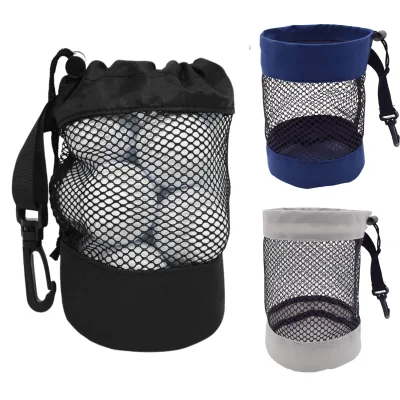
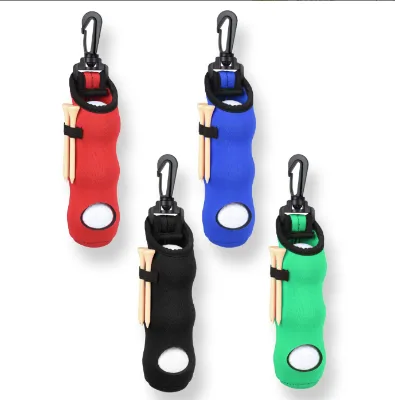
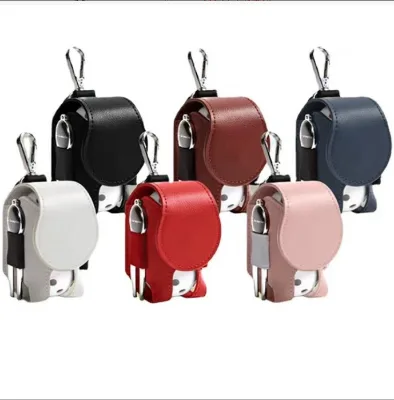

Comprehensive Sourcing Guide
Strategic Sourcing Guide for Neoprene Golf Ball Pouches
The global golf accessories market has seen a consistent shift toward specialized, high-performance gear that combines durability with portability. Among these, the Neoprene Golf Ball Pouch has emerged as a critical component for players seeking organized storage on the course or during practice sessions. For B2B procurement professionals, sourcing these items requires a nuanced understanding of material properties, manufacturing standards, and supply chain logistics. This guide provides a comprehensive framework for evaluating suppliers and products, ensuring that procurement decisions are grounded in verified data and industry best practices rather than marketing assertions.
Understanding Material Properties and Technical Specifications
The foundation of a high-quality golf ball pouch lies in the selection of the raw material. Neoprene, a synthetic rubber, is the industry standard for this application due to its unique combination of water resistance, flexibility, and durability. Unlike standard fabrics, neoprene offers a degree of inherent waterproofing, which protects golf balls from moisture, dirt, and temperature fluctuations. However, buyers must distinguish between fully waterproof neoprene and water-resistant variants. In the current market, specific product listings indicate that some neoprene pouches are classified as "Non-Waterproof," suggesting that the material may be treated or constructed in a way that repels light splashes but does not offer submersion protection.
Technical specifications vary significantly across models, influencing the final utility of the product. Dimensions are a primary differentiator. Observed market data reveals size variations ranging from compact 7-inch units to larger 8-inch configurations, with specific measurements such as 25.4 x 1 x 19.05 cm and 30 x 20 x 20 cm appearing in standard listings. These dimensions directly correlate to capacity; for instance, a specific model is noted to hold a capacity of "3 Ball + 3 Tees," while others are designed for general storage. The closure mechanism is another critical technical attribute. Buyers should evaluate whether a buckle or a zipper is more suitable for their target demographic. Buckles offer a secure, quick-release mechanism often preferred for rugged use, whereas zippers provide a more enclosed seal, which may be necessary for keeping debris out.
Compliance, Certification, and Safety Standards
In the B2B sector, compliance is not merely a regulatory hurdle but a competitive advantage. When sourcing neoprene products, particularly those intended for recreational sports, verifying chemical safety is paramount. The material composition must align with international standards to ensure it is safe for human contact and environmentally responsible. Trusted market data indicates that reputable suppliers often adhere to rigorous testing protocols, including REACH (Registration, Evaluation, Authorization, and Restriction of Chemicals) compliance. Furthermore, products are frequently tested to be AZO-free, ensuring the absence of harmful azo dyes that can cause skin irritation or pose long-term health risks.
Beyond chemical safety, manufacturing certifications play a vital role in supplier validation. Buyers should look for evidence of BSCI (Business Social Compliance Initiative) certification, which audits social performance in the supply chain, and ISO9001, which confirms adherence to quality management systems. Some suppliers may also reference WALMARKET standards, indicating a commitment to specific market requirements. These certifications are not just badges of honor; they serve as proxies for the supplier's operational maturity and ethical standing. When evaluating a potential partner, procurement teams must request current certificates and verify their validity dates, as these documents are subject to renewal and audit cycles.
Cost Drivers and Pricing Dynamics
The pricing of neoprene golf ball pouches is influenced by a complex interplay of factors, including material costs, customization levels, and order volume. The observed price range in the market spans from $0.10 to $5.12 USD, a wide variance that reflects differences in quality, branding, and order quantity. Several key drivers contribute to this spread. First, the complexity of the design and the type of closure (zipper vs. buckle) affect the unit cost. Second, the level of customization, such as the inclusion of a customized logo or specific color matching, adds to the production expense. Third, the Minimum Order Quantity (MOQ) significantly impacts the per-unit price. While some suppliers may offer lower prices for bulk orders, the observed MOQ range extends from as low as 1 piece to as high as 500 pieces, with 300 pieces being a common threshold for standard pricing tiers.
Buyers must also consider the hidden costs associated with logistics and lead times. The production lead time for these items typically ranges from 30 to 45 days, with a sample time of 5 to 7 days. These timelines must be factored into the overall project schedule to avoid delays. Additionally, the packaging method, often specified as a single item in a PE bag or OPP bag, can influence shipping costs and the final retail presentation. Understanding these cost drivers allows procurement professionals to negotiate more effectively and align their budget with the expected quality and delivery schedule.
Typical Applications and Usage Scenarios
Neoprene golf ball pouches serve diverse functions across the golfing ecosystem. Their primary application is as a practical storage solution for golfers, allowing them to carry a specific number of balls and tees without the bulk of a full golf bag. This makes them ideal for practice sessions, driving ranges, and casual play. The "Portable" and "Durable" features highlighted in product attributes underscore their suitability for active use where equipment is frequently moved and handled.
Beyond personal use, these pouches have significant potential as promotional items and corporate gifts. The "Usage" category often includes "Gift" and "Entertainment," indicating their popularity in marketing campaigns and event giveaways. The ability to accept customized logos and branding makes them a versatile tool for companies looking to enhance brand visibility. Furthermore, the "Selling Units" are often listed as single items, suggesting they are marketed as standalone accessories rather than part of a larger kit. This flexibility allows buyers to target different market segments, from individual golf enthusiasts to corporate bulk buyers seeking branded merchandise.
Supplier Evaluation and Operational Capabilities
Selecting the right supplier requires a thorough assessment of their operational capabilities and geographic footprint. The supply chain for neoprene golf products is heavily concentrated in China, with key manufacturing hubs located in Fujian and Dongguan. These regions offer established infrastructure for textile and rubber processing, ensuring a steady supply of raw materials and skilled labor. Buyers should verify the "Place of Origin" to ensure it aligns with their quality expectations and logistical preferences.
Logistical efficiency is another critical evaluation criterion. Suppliers typically offer multiple port options, including Xiamen, Shenzhen, Ningbo, and Shanghai. The choice of port can impact shipping costs and transit times, so buyers should align their selection with their distribution network. Additionally, the supplier's ability to handle OEM (Original Equipment Manufacturer) and ODM (Original Design Manufacturer) services is essential for companies seeking unique product designs. The acceptance of OEM/ODM services indicates a flexible production line capable of adapting to specific client requirements. Buyers should also assess the supplier's responsiveness regarding sample times and delivery schedules to ensure they can meet tight market deadlines.
Quality Control and Long-Term Procurement Considerations
Maintaining product quality throughout the procurement lifecycle is essential for brand reputation. Quality control measures should begin with the raw material inspection, ensuring that the neoprene meets the specified thickness and flexibility requirements. During production, regular checks on stitching, closure mechanisms, and printing quality are necessary to prevent defects. The "Operating Instructions" for these products often recommend hand washing, which buyers should communicate to end-users to maintain product longevity.
Long-term procurement strategies should focus on building sustainable relationships with suppliers. This involves establishing clear communication channels, agreeing on consistent quality standards, and planning for future order volumes. Buyers should also consider the environmental impact of their sourcing decisions, prioritizing suppliers who demonstrate a commitment to sustainable practices and chemical safety. By focusing on these long-term considerations, companies can ensure a steady supply of high-quality neoprene golf ball pouches that meet the evolving demands of the market.
Comparative Analysis of Product Attributes
To facilitate decision-making, the following table summarizes key attributes observed in the current market for neoprene golf ball pouches. This comparison highlights the variability in specifications and helps buyers identify products that best fit their specific requirements.
| Attribute Category | Specific Observation | Variance/Range | Relevance to Buyer |
|---|---|---|---|
| Material | Neoprene | Standard | Determines durability and water resistance. |
| Certification | BSCI, ISO9001, WALMARKET | Variable | Indicates social and quality compliance. |
| Size | 7in, 8in, M, S | 7in to 8in | Affects capacity and portability. |
| Closure Type | Buckle, Zipper | Dual Options | Influences ease of use and security. |
| Capacity | 3 Ball + 3 Tees | Specific | Defines utility for specific use cases. |
| Waterproof | Non-Waterproof | Explicit | Critical for moisture protection needs. |
| MOQ | 1 to 500 pcs | 300 pcs common | Impacts initial investment and inventory. |
| Lead Time | 30-45 Days | Fixed Range | Essential for supply chain planning. |
| Customization | Logo, Color, OEM/ODM | Available | Enables branding and product differentiation. |
This structured approach to sourcing ensures that buyers can navigate the complexities of the Neoprene Golf Ball Pouch market with confidence. By focusing on verified data, technical specifications, and supplier capabilities, procurement professionals can secure high-quality products that meet the demands of the modern golfing community.
FAQs
What certifications do Neoprene Golf Ball Pouch suppliers typically hold?
Suppliers typically hold BSCI, ISO9001, and WALMARKET certifications. These credentials verify social compliance and quality management systems, ensuring the manufacturing process meets international ethical and operational standards for B2B procurement.
How long is the delivery time for custom neoprene golf ball pouches?
The standard delivery time ranges from 30 to 45 days after order confirmation. Buyers should account for a sample time of 5 to 7 days before full production begins to ensure the customized design meets requirements.
Can I get a customized logo on these neoprene golf ball pouches?
Yes, customized logos are accepted for these products. Suppliers offer OEM and ODM services, allowing buyers to add branding to the neoprene material while maintaining the durable and portable features required for golf accessories.
What is the minimum order quantity for neoprene golf ball pouches?
The minimum order quantity typically starts at 300 pieces, though some listings allow orders as low as 1 piece. Bulk orders often align with the 300-piece threshold to secure standard pricing tiers from manufacturers in China.
Which closure types are available for neoprene golf ball pouches?
Available closure types include buckles and zippers. Buyers can select based on preference, as buckles offer quick release while zippers provide a more enclosed seal for protecting golf balls and tees during transport.
Are neoprene golf ball pouches waterproof or water-resistant?
Some neoprene golf ball pouches are classified as non-waterproof despite the material's inherent properties. Buyers should verify specific product listings as some variants repel light splashes but do not offer full submersion protection.
Where are these neoprene golf ball pouches manufactured?
These products are manufactured in Fujian and Dongguan, China. Key shipping ports include Xiamen, Shenzhen, Ningbo, and Shanghai, facilitating efficient logistics for international buyers sourcing from these established textile and rubber processing hubs.