Source Neoprene Thermal Lunch Bag for School, Camping, and Work
Compare 30 listings for the Neoprene Thermal Lunch Bag featuring waterproof and insulated designs. Buyers can evaluate customization options, thermal retention of up to 4 hours, and varying MOQs from 25 to 500 pieces across Chinese manufacturers.
Key considerations
Products List


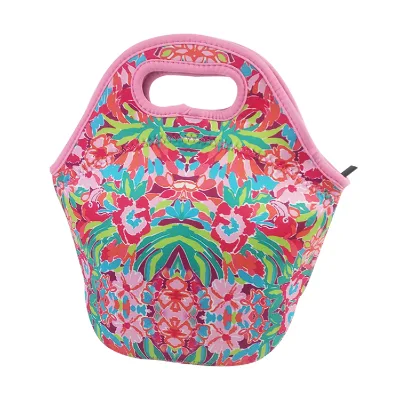

Neoprene Lunch Bags Thermal Insulated Lunch Tote Bag Neoprene Picnic Bag
$2.80 - $3.20
MOQ: 500 Pieces

Fitness Portable Thermal Cool Zippered Thick Neoprene Lunch Bag for Work
$1.50 - $1.95
MOQ: 300 Pieces

OEM ODM Custom Fitness Portable 5mm Thick Neoprene Thermal Insulated Cooler Lunch Bag
$1.50 - $1.95
MOQ: 300 Pieces


Large Capacity Thick Neoprene Insulated Lunch Bag for Work Food Meal Picnic
$2.45 - $2.90
MOQ: 300 Pieces


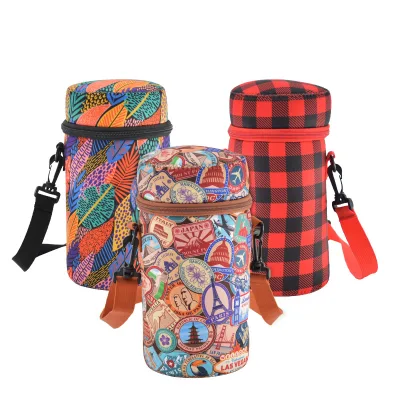
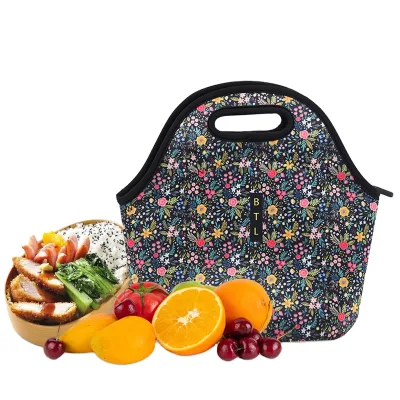
Comprehensive Sourcing Guide
Strategic Sourcing Guide for Neoprene Thermal Lunch Bags
Understanding Product Specifications and Material Composition
When sourcing a Neoprene Thermal Lunch Bag, the primary objective is to identify a product that balances insulation efficiency with durability and customization potential. Based on the available market data, the core material composition typically involves a blend of 90% neoprene and 10% nylon. This specific ratio is critical as it provides the necessary elasticity and thermal retention while the nylon component adds structural integrity and abrasion resistance. The material thickness is a key variable, with observed specifications indicating a standard thickness of 3mm. This dimension is generally sufficient for maintaining food temperature for extended periods, with performance data suggesting a heat preservation capability of up to four hours under typical usage conditions.
The physical dimensions of the product vary by model, but standard specifications often cite a size of approximately 303016cm or 30*29cm. These dimensions are designed to accommodate standard lunch containers and bottles. The construction method is equally important; high-quality units utilize flatlock stitches to prevent seam leakage and ensure a smooth interior finish that is easy to clean. The product type is frequently categorized as a backpack or a vertical square design, offering versatility in carrying methods. For buyers, verifying the exact material blend and stitch type is the first step in ensuring the product meets the functional requirements of thermal insulation and long-term durability.
Technical Performance and Functional Attributes
The functional performance of a neoprene lunch bag is defined by its ability to regulate internal temperature and resist external environmental factors. The primary feature observed across high-confidence product listings is waterproof capability. This attribute ensures that condensation from cold items or external moisture does not compromise the bag's contents or the user's belongings. In addition to waterproofing, the bags are marketed as insulated and thermal, directly supporting the claim of heat preservation. The specific claim of maintaining temperature for four hours is a significant benchmark for buyers evaluating the bag's suitability for school, work, or camping scenarios.
Customization is a central technical feature of this product category. The printing methods employed are predominantly flatbed sublimation heat press, which allows for high-resolution graphics and full-color designs. The technical parameters for this process typically involve a temperature setting of 180°C for a duration of 50 seconds. This specific heat and time combination is essential for bonding the ink to the neoprene surface without damaging the material's thermal properties. Buyers must ensure that their suppliers adhere to these precise settings to avoid color fading or material degradation. Furthermore, the product is designed to be printable, supporting OEM services for customized logo printing, which is vital for corporate branding or promotional campaigns.
Design Variations and Aesthetic Customization
The aesthetic landscape of neoprene lunch bags is diverse, catering to various market segments from students to corporate clients. Design elements often include a vertical square shape, which maximizes internal volume while maintaining a compact profile. Fashion elements such as candy colors and contrast colors are prevalent, allowing for vibrant and eye-catching designs. One specific color configuration observed is a front white panel with a black backing and bottom, offering a clean, professional look that contrasts with more playful, multi-colored options. The style is generally described as simple or casual, making these bags suitable for a wide range of daily activities.
Gender neutrality is a standard attribute, with products classified as unisex. This broad appeal expands the potential market reach for buyers. The color options are not limited to pre-set palettes; many suppliers offer customized colors, enabling buyers to match specific brand identities or seasonal trends. The use of contrast colors is a notable design trend, where different hues are used for the main body, zippers, or straps to create visual interest. When evaluating design options, buyers should request physical samples to verify the accuracy of color reproduction, especially since the sublimation process can yield different results on different fabric batches. The ability to customize the logo and color scheme is a decisive factor in the procurement decision for promotional and corporate buyers.
Cost Drivers and Minimum Order Quantity Dynamics
The economics of sourcing neoprene thermal lunch bags are influenced by several variables, including material costs, customization complexity, and order volume. The minimum order quantity (MOQ) is a significant cost driver, with observed ranges spanning from 25 pieces to 500 pieces. This wide variance indicates that the market accommodates both small-scale promotional orders and large-scale retail distribution. Lower MOQs, such as 25 pieces, are often associated with suppliers willing to accept custom orders for smaller businesses or test markets, while higher MOQs of 500 pieces may be required to secure lower unit prices or to access specific production lines.
Pricing structures in this category are generally observed within a range of 0 to 10 USD per unit, though exact figures depend heavily on the specific customization level and order volume. The cost is also affected by the packing method; standard export cartons are common for bulk shipments, while individual OPP bags are used for retail-ready units. Buyers must consider the trade-off between unit price and MOQ. Ordering larger quantities typically reduces the per-unit cost but increases the upfront capital investment. Additionally, the complexity of the printing design can impact costs; intricate designs requiring multiple color separations or special inks may incur higher setup fees. Understanding these cost drivers is essential for budgeting and negotiating effectively with potential suppliers.
Supplier Evaluation and Service Capabilities
Selecting the right supplier requires a thorough evaluation of their service capabilities, particularly regarding OEM and ODM services. The market data indicates that most suppliers offer customized logo printing and design services, which are critical for branding. The printing method, specifically flatbed sublimation heat press, is a technical capability that suppliers must possess to deliver high-quality results. Buyers should verify that the supplier has the necessary equipment to maintain the precise temperature and time settings required for optimal printing.
Geographic origin is another factor in supplier selection, with many products originating from China, specifically regions like Anhui. This location is known for its manufacturing infrastructure, but buyers should still conduct due diligence regarding the supplier's production capacity and quality control processes. The service offering often includes both OEM (Original Equipment Manufacturer) and ODM (Original Design Manufacturer) options, allowing buyers to either provide their own designs or rely on the supplier's expertise. It is crucial to confirm the supplier's ability to handle the specific packaging requirements, such as carton packing or individual OPP bagging, to ensure the product arrives in the desired condition. Evaluating the supplier's track record in handling similar orders and their responsiveness to customization requests is vital for a successful procurement relationship.
Quality Control and Compliance Verification
Quality control in the production of neoprene lunch bags focuses on material integrity, stitching durability, and printing consistency. The use of flatlock stitches is a key indicator of quality, as it prevents seam splitting and ensures a watertight seal. Buyers should inspect samples for consistent stitch density and the absence of loose threads. The material composition, specifically the 90% neoprene and 10% nylon blend, must be verified to ensure it meets the advertised thickness of 3mm. Deviations in material thickness can significantly impact the thermal insulation performance.
Compliance and certification checks are essential, although specific certification status should be verified on a case-by-case basis rather than assumed. Buyers must inquire about the supplier's adherence to relevant safety and environmental standards, particularly regarding the materials used in the neoprene and the inks used for printing. The heat preservation claim of four hours should be validated through independent testing or reliable third-party reports. Additionally, the durability of the product, often highlighted as a key feature, should be assessed through stress tests on zippers, straps, and seams. Ensuring that the product meets the required standards for the target market is a critical step in mitigating risk and maintaining brand reputation.
Long-Term Procurement and Application Scenarios
The long-term viability of sourcing neoprene thermal lunch bags depends on their versatility and application across various sectors. These products are widely used in promotional campaigns, student environments, and outdoor activities such as camping. The lightweight and durable nature of the bags makes them suitable for daily use, while the thermal insulation properties ensure they remain functional in diverse weather conditions. The ability to customize the design and logo allows these bags to serve as effective marketing tools, extending their utility beyond mere food storage.
For buyers planning long-term procurement, establishing a consistent supply chain is crucial. This involves maintaining clear communication with suppliers regarding design updates, material changes, and production schedules. The flexibility of the product to accommodate different styles, from simple casual designs to complex branded graphics, ensures that the product line can evolve with market trends. Buyers should also consider the environmental impact of the materials and packaging, as sustainability is becoming an increasingly important factor in B2B procurement. By focusing on high-quality materials, reliable manufacturing processes, and adaptable design options, buyers can secure a steady supply of neoprene thermal lunch bags that meet the evolving needs of their customers.
FAQs
What material is used for the Neoprene Thermal Lunch Bag?
The bag is constructed from a blend of 90% neoprene and 10% nylon. This specific composition ensures elasticity and thermal retention while the nylon adds structural integrity and abrasion resistance for long-term durability.
How long does the bag maintain food temperature?
The product maintains heat preservation for up to four hours under typical usage conditions. This thermal performance is achieved through the 3mm thickness of the neoprene material and its insulated design.
Can I customize the logo on the lunch bag?
Yes, customized logo printing is available through OEM services. The supplier uses flatbed sublimation heat press at 180°C for 50 seconds to ensure high-resolution graphics bond securely to the neoprene surface.
What is the minimum order quantity for this product?
The minimum order quantity ranges from 25 pieces to 500 pieces depending on the supplier. Lower MOQs of 25 pieces accommodate small promotional orders, while higher volumes may be required for specific production lines.
Which dimensions are standard for this lunch bag?
Standard specifications often cite a size of approximately 30 by 30 by 16 cm or 30 by 29 cm. These dimensions are designed to accommodate standard lunch containers and bottles effectively.
Is the neoprene lunch bag waterproof?
Yes, the bag features a waterproof capability to protect contents from moisture. This attribute ensures that condensation from cold items or external water does not compromise the bag's interior or the user's belongings.