Source New Dongfeng Connecting Rod for Car, Truck, and Motorbike
Compare 30 listings for the New Dongfeng Connecting Rod suitable for cars, trucks, and motorbikes. Buyers can evaluate specifications like material, heat treatment, and warranty terms across verified suppliers offering custom and standard components.
Key considerations
Products List


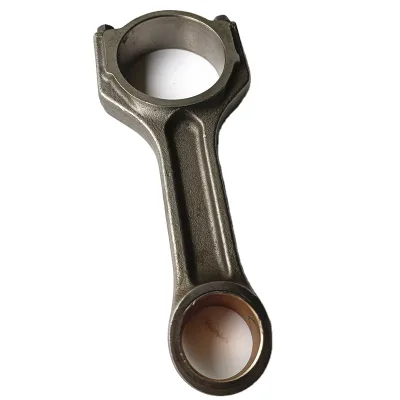
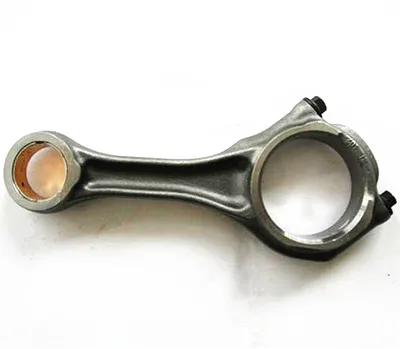
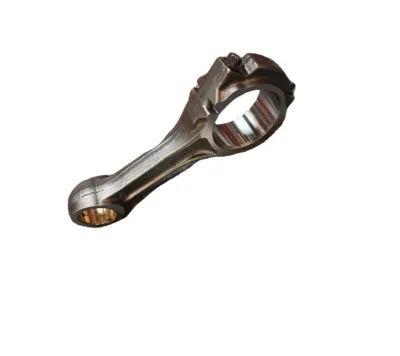
Forged Customized Manufacturer Connecting Rod Diesel Gasoline Auto Parts
$10.00 - $100.00
MOQ: 10 Pieces


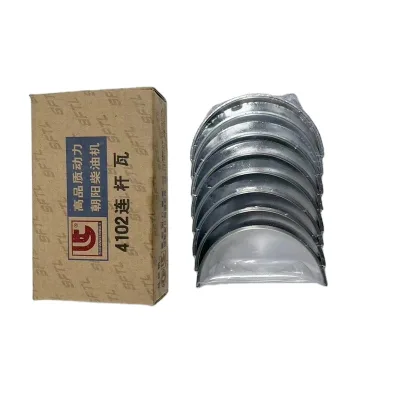
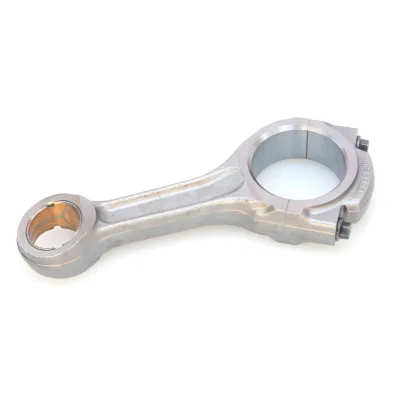

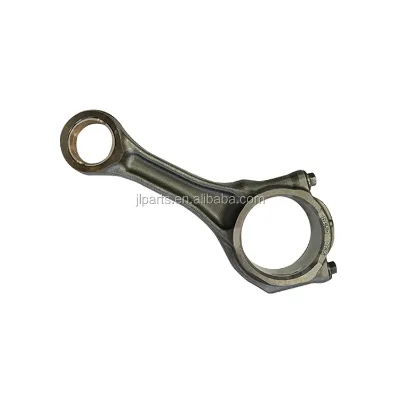
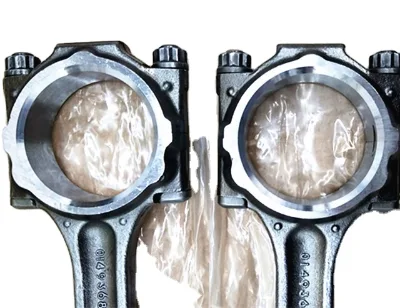






Comprehensive Sourcing Guide
Strategic Sourcing Guide for New Dongfeng Connecting Rods
Procuring new Dongfeng connecting rods requires a disciplined approach that balances specific engine compatibility with rigorous quality verification. The connecting rod is a critical internal engine component that converts the reciprocating motion of the piston into rotational motion of the crankshaft. For heavy-duty applications, particularly those involving Dongfeng truck engines, the integrity of this component is paramount to engine longevity and operational safety. This guide outlines the essential technical, compliance, and logistical factors buyers must evaluate when sourcing these parts from the global market, ensuring that procurement decisions are grounded in verifiable data rather than marketing assertions.
Technical Specifications and Engine Compatibility
The primary challenge in sourcing connecting rods lies in matching the precise engineering specifications of the Dongfeng engine platform. The supply data indicates a variety of model numbers and engine types, including the CY4100Q and CY4102Q, which are frequently associated with specific truck applications. Buyers must verify that the connecting rod's physical dimensions and material composition align exactly with the engine model in question. The observed product attributes highlight that materials can range from steel and iron to alloy aluminum, each offering distinct performance characteristics regarding weight, strength, and thermal resistance.
Furthermore, the manufacturing process significantly influences the final product's durability. The available data lists forging, casting, and billet processing as the primary methods. Forging is generally preferred for high-stress applications due to the grain structure alignment that occurs during the process, whereas casting may be used for specific weight-reduction requirements. The "Honing" process is explicitly noted as a standard attribute, indicating that the internal bore of the rod must be precisely finished to ensure proper bearing fit and oil retention. Buyers should confirm that the supplier utilizes these specific finishing techniques, as a lack of honing can lead to premature bearing failure.
Additionally, the standard component dimensions are critical. While some listings reference a standard size of 383820, this may vary based on the specific engine variant. It is essential to cross-reference the "Single package size" and "Single gross weight" (observed at 0.4 kg for certain items) against the physical requirements of the assembly. The "Standard Component" versus "Non-Standard Component" distinction in the data suggests that some parts may require custom tooling or specific ordering protocols. Buyers must ensure that the "OEM" status is explicitly confirmed, as this indicates the part is manufactured to the original equipment manufacturer's exact specifications rather than as a generic aftermarket substitute.
Compliance, Certification, and Quality Standards
Navigating the certification landscape is a vital step in mitigating supply chain risk. The observed data presents a mix of certifications, including ISO, CE, TSCE, and TSEngine Type:Diesel. These certifications serve as indicators of the supplier's adherence to international management and quality standards. Specifically, the presence of ISO certification suggests a commitment to standardized quality management systems, while CE marking indicates compliance with European health, safety, and environmental protection standards. However, buyers must treat these as observations of specific listings rather than universal guarantees for all available stock.
The data also highlights specific inspection protocols, such as hardness testing, dimension verification, and crack detection. These are non-negotiable quality control measures for connecting rods, which operate under extreme cyclic loads. A supplier claiming "High-Quality" status must be able to provide evidence of these specific inspection results. The "Hardness" and "Crack Detection" attributes imply that the material undergoes rigorous non-destructive testing to prevent catastrophic failure in the field. Buyers should request test reports that validate these claims, ensuring that the hardness levels meet the requirements for the specific alloy used, whether it be steel, iron, or alloy aluminum.
Furthermore, the "Heat Treatment" attribute is listed as "Yes" for several entries. This process is crucial for enhancing the mechanical properties of the connecting rod, such as tensile strength and fatigue resistance. Without proper heat treatment, the component may suffer from deformation or fracture under the high compression and temperature conditions of a diesel engine. Buyers must verify that the heat treatment process is documented and that the resulting material properties align with the engine's operational demands. The "Warranty" periods observed, ranging from 3 months to 24 months, also serve as a proxy for the supplier's confidence in their quality control, though the specific terms should be scrutinized for coverage limitations.
Cost Drivers and Pricing Variables
Understanding the cost structure of connecting rods is essential for budgeting and negotiating effectively. The observed price range of 1-100 USD and MOQ ranges of 1-1000 sets indicate a highly variable market where unit costs fluctuate based on volume, material, and customization. Several factors drive these costs. First, the material choice is a primary determinant; alloy aluminum and high-grade steel typically command higher prices than standard iron or cast components due to raw material costs and processing complexity.
Second, the manufacturing process adds significant value. Forged rods generally cost more than cast rods due to the energy-intensive nature of the forging process and the subsequent machining required to achieve precise tolerances. The "Forging, Casting, Billet" processes listed in the data represent different cost tiers, with forging often being the premium option for heavy-duty truck applications. Additionally, the "Customization" attribute being "Available" suggests that bespoke designs or specific modifications will incur higher unit costs and potentially longer lead times.
The packaging and logistics also influence the final landed cost. The data mentions various packaging types, including "Carton Box," "Carton," "Anti-Tarnish Paper/Carton," and "Wooden Box." Wooden boxes are typically more expensive and are often used for heavier or more sensitive components to prevent damage during transit. The "Single gross weight" of 0.4 kg and "Single package size" of 13X8X4 cm provide a baseline for shipping calculations, but bulk orders may require different packaging configurations to optimize container space. Buyers should consider the total cost of ownership, including shipping, insurance, and potential customs duties, rather than focusing solely on the unit price.
Typical Applications and Operational Context
The versatility of the connecting rod is evident in the diverse applications listed, ranging from cars and trucks to motorbikes, boats, tractors, and excavators. However, for the specific keyword "New Dongfeng Connecting Rod," the focus should remain on heavy-duty commercial vehicles. The data explicitly mentions "Car Make: dongfeng trucks" and "Application: Auto Engine Parts," confirming the primary use case. These components are integral to diesel engines found in medium and heavy-duty trucks, where reliability is critical for maintaining fleet uptime.
The "Engine Model" specifications, such as CY4100Q and CY4102Q, are indicative of the specific engine families these rods are designed for. These engines are commonly used in construction and logistics vehicles, where the operating environment can be harsh, involving high loads, varying temperatures, and extended duty cycles. The "Condition: New" attribute ensures that buyers are sourcing fresh components rather than refurbished or used parts, which is essential for maintaining warranty validity and ensuring optimal performance.
It is also important to note the "Application" diversity, which includes "Ke Tan" and "Lawnmower," suggesting that some suppliers may offer a broad range of products. Buyers must exercise caution to ensure that the specific connecting rod selected is intended for the Dongfeng truck application and not a generic part that may not fit the engine's geometry or load requirements. The "Standard Component" and "Non-Standard Component" distinctions further highlight the need for precise matching, as using a non-standard part in a standard engine application could lead to mechanical failure.
Supplier Evaluation and Verification Protocols
Evaluating suppliers requires a methodical approach to verify their capability to deliver genuine, high-quality components. The "Place of Origin" data points to regions such as China, Zhejiang, and Henan, which are known manufacturing hubs for automotive parts. While these locations indicate a concentration of supply, buyers should not assume uniform quality across all suppliers in these regions. Instead, they must conduct due diligence on individual suppliers to confirm their production capabilities and quality management systems.
Key verification steps include requesting detailed product specifications, including material certificates, heat treatment records, and inspection reports. The "Inspection" attributes listed, such as "Hardness, Dimensions, Crack Detection etc.," should be backed by actual test data. Buyers should also verify the "Certification" claims, ensuring that ISO, CE, or TSCE certifications are current and issued by recognized bodies. The "OEM: Yes" status is a strong indicator of authenticity, but it should be corroborated with documentation proving the supplier's authorization or direct relationship with the original equipment manufacturer.
Furthermore, the "Warranty" terms provide insight into the supplier's confidence in their product. A 24-month warranty is significantly more robust than a 3-month warranty, suggesting a higher level of quality assurance. However, buyers must read the fine print to understand what is covered and what constitutes a valid claim. The "MOQ" of 10 sets or higher indicates that some suppliers may have minimum order requirements, which can impact procurement flexibility. Buyers should negotiate terms that align with their inventory needs while ensuring that the supplier can meet these minimums without compromising on quality or delivery timelines.
Long-Term Procurement and Quality Assurance Strategies
Sourcing connecting rods is not merely a transactional activity but a strategic partnership that impacts long-term operational efficiency. To ensure consistent quality and supply continuity, buyers should implement a robust quality assurance program. This includes establishing clear acceptance criteria based on the technical specifications observed, such as material type, dimensional tolerances, and surface finish. Regular audits of the supplier's production line and quality control processes can help identify potential issues before they result in defective parts.
The "Process" attributes, including "Forging, Casting, Billet," "Machining," and "Surface Treatment," should be monitored to ensure that the manufacturing methods remain consistent over time. Any deviation in these processes could indicate a change in quality or a shift to a lower-cost production method that may compromise the part's integrity. Buyers should also maintain open communication with suppliers regarding any changes in material sourcing or manufacturing techniques, as these can affect the performance and reliability of the connecting rods.
Finally, building a relationship with suppliers who offer "Customization" capabilities can provide a competitive advantage. As engine designs evolve or specific operational requirements change, the ability to source customized connecting rods can be crucial. However, this requires a high level of trust and collaboration, as well as a clear understanding of the technical requirements. By focusing on long-term partnerships, rigorous quality control, and transparent communication, buyers can secure a reliable supply of new Dongfeng connecting rods that meet the demanding standards of modern heavy-duty transportation.
FAQs
What certifications are available for new dongfeng connecting rods?
Available certifications include ISO, CE, and TSCE for specific listings. Buyers must verify these on individual product pages as they are not universal guarantees for all stock. Some items also specify TSEngine Type:Diesel to confirm application suitability.
Which materials are used to manufacture new dongfeng connecting rods?
Manufacturers use steel, iron, and alloy aluminum for these components. The choice depends on the specific engine model and performance requirements. Buyers should check the material attribute on each listing to ensure it matches their engine's needs.
Can buyers customize new dongfeng connecting rods for specific engines?
Yes, customization is available for many New Dongfeng Connecting Rod listings. This allows for specific modifications to fit unique engine geometries or performance goals. Buyers should confirm customization details and potential lead times with the supplier before ordering.
What warranty periods apply to New Dongfeng Connecting Rod purchases?
Warranty periods vary from 3 months to 24 months depending on the supplier. A longer warranty often indicates higher confidence in the product's durability and quality control. Buyers must review the specific terms for each item to understand coverage limits.
How are new dongfeng connecting rods inspected for quality before shipping?
Inspection protocols include hardness testing, dimension verification, and crack detection. These non-destructive tests ensure the component can withstand high cyclic loads. Buyers should request test reports to validate that these specific quality checks were performed on their order.
Which packaging types are used for shipping new dongfeng connecting rods?
Packaging options include carton boxes, anti-tarnish paper, and wooden crates. Wooden boxes are often used for heavier or more sensitive components to prevent transit damage. The specific packaging type will be listed in the product attributes for each supplier.
What is the typical MOQ for sourcing new dongfeng connecting rods?
Minimum Order Quantities range from 1 set to 1000 sets across different suppliers. Some listings specify an MOQ of 10 sets for specific models like CY4100Q. Buyers should check the MOQ field on each product page to plan their order volume accordingly.