Source New Engine Assembly for Ford for Cars Trucks Buses
Find a New Engine Assembly for Ford from 30 verified listings. Buyers can compare specifications, certifications, and prices for 3.5L Ford engines and related components to suit various vehicle needs.
Key considerations
Products List


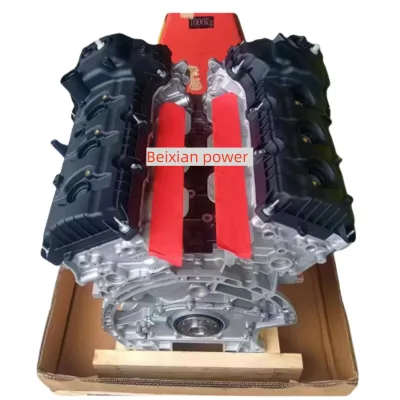


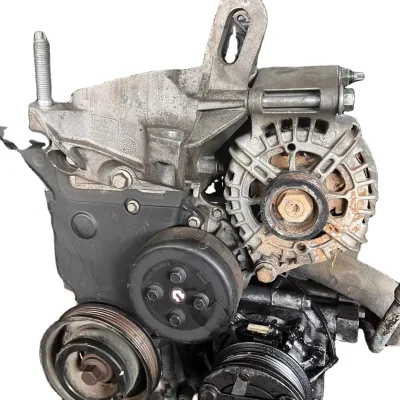


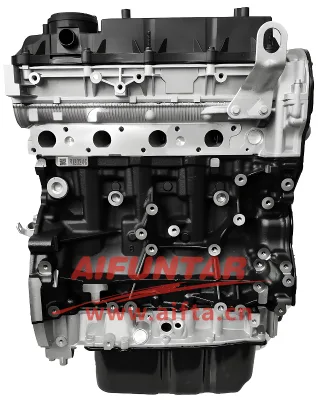


High Performance Brand New Zetec 1.6L Complete Cylinder Head Assembly for Ford
$246.00 - $309.00
MOQ: 1 pieces




Comprehensive Sourcing Guide
Strategic Sourcing Guide for New Engine Assemblies for Ford
Understanding Technical Specifications and Component Variability
When sourcing a New Engine Assembly for Ford vehicles, buyers must navigate a landscape defined by specific technical parameters rather than generic descriptions. The market data indicates that engine assemblies are often categorized by displacement, cylinder configuration, and specific engine codes. For instance, documented listings reference a 3.5L displacement engine specifically coded for Ford applications, featuring a four-cylinder configuration. This specificity is critical because engine assemblies are not universally interchangeable; a unit designed for a 3.5L Ford engine will not function correctly in a different displacement or cylinder count scenario.
The technical profile of these assemblies includes the power type, which is identified as standard gas or petrol. Buyers should verify that the engine code matches the vehicle's requirements precisely. In the observed market, specific model numbers such as "PT-2" and references to "Ford" series models appear alongside general engine descriptions. It is essential to distinguish between a complete engine assembly and individual components like cylinder heads or gaskets, which are sometimes listed under the same broad search terms. A cylinder head, for example, is a distinct component with its own set of technical requirements, including sealing purposes and specific OE numbers like Afs7733 PT-2, which differ fundamentally from a full engine block assembly.
Furthermore, the physical characteristics of the engine assembly are vital for logistics and installation. Data suggests that single package sizes can be substantial, with dimensions reaching 61x50x85 cm, and single gross weights up to 120 kg. These figures highlight the need for robust handling equipment and appropriate shipping arrangements. The color of the components, often described as silvery white or brown depending on the specific part (such as gaskets), serves as a visual identifier but should not be the primary basis for technical verification. The core technical verification must focus on the displacement, cylinder count, and the specific Ford model compatibility to ensure the assembly integrates seamlessly with the vehicle's existing systems.
Compliance, Certification, and Material Standards
Ensuring that a new engine assembly meets international and industry-specific standards is a non-negotiable aspect of B2B procurement. The supply chain for automotive components often requires adherence to rigorous quality management systems. Observed product attributes frequently cite ISO certifications, including ISO9002 and general ISO compliance, alongside TS (Technical Specification) standards. These certifications indicate that the manufacturing process has undergone external validation for quality control and consistency. However, buyers must verify the current status of these certifications, as the presence of an ISO label on a listing does not guarantee that every unit in a specific batch meets the same standard without further validation.
Material composition is another critical compliance factor. While some listings mention cast iron or iron as the primary material for components like cylinder heads, a full engine assembly involves a complex mix of materials, including aluminum alloys for blocks and heads, steel for crankshafts, and various polymers for seals and gaskets. The standard "Iron" or "G3000" references found in product attributes often apply to specific sub-components rather than the entire engine. Buyers should request material test reports (MTRs) to confirm that the materials used in the engine block, pistons, and valves meet the original equipment manufacturer (OEM) specifications for Ford.
Additionally, the origin of the product plays a role in compliance. Listings indicate origins in regions such as Henan, Zhejiang, and Zibo in China. While these regions are hubs for automotive manufacturing, the specific factory location does not inherently dictate quality. Instead, buyers should focus on whether the supplier holds valid TSCE or ISO certifications relevant to the specific engine type. The "Standard Component" versus "Non-Standard Component" classification is also relevant; most Ford engine assemblies are non-standard, requiring precise engineering to fit specific vehicle models. Verifying that the supplier adheres to the "Standard" classification where applicable ensures that the part is not a custom, untested modification.
Cost Drivers and Pricing Dynamics
The pricing of new engine assemblies is influenced by a complex interplay of factors, including the scope of the assembly, material costs, and the level of customization required. The observed price range in the market is extremely broad, spanning from $0.50 to $100,000. This variance reflects the difference between individual small components, such as gaskets or seals, and complete, high-displacement engine assemblies. A 3.5L engine assembly for Ford, given its complexity and the 120 kg weight, will naturally command a price significantly higher than a single gasket or a cylinder head.
Buyers must be cautious when interpreting price listings. A low price point, such as $0.50, almost certainly refers to a minor accessory or a single gasket rather than a full engine. Conversely, prices approaching $100,000 may indicate a complete powertrain unit with extensive warranties or specialized industrial applications. The cost is also driven by the "Condition" of the product; listings specify "New" as a standard attribute, but the definition of "new" can vary. Some suppliers may offer remanufactured units that are sold as new, while others provide factory-fresh assemblies.
Other cost drivers include packaging and shipping. The requirement for "Wooden Boxing" or "Plastic Bag with Pallet" adds to the overall cost, particularly for heavy items like a 120 kg engine. The "Single gross weight" of 120 kg necessitates specialized freight solutions, which can significantly impact the landed cost. Furthermore, the "Customization: Available" attribute suggests that buyers may incur additional costs for tailored specifications, such as specific engine codes or modified displacement. Understanding these variables is essential for accurate budgeting and avoiding unexpected expenses during the procurement process.
Typical Applications and Vehicle Compatibility
The application of a new engine assembly is strictly defined by the vehicle model and engine series. In the context of Ford, the primary application is for passenger cars and trucks, as indicated by the "Car, Truck" attribute in product listings. The specific model compatibility is paramount; for example, an engine assembly designated for the "TOYOTA series" is not suitable for Ford vehicles, despite potential similarities in engine architecture. Buyers must cross-reference the "Car Model" and "Model Number" attributes with their specific Ford vehicle identification number (VIN) to ensure compatibility.
The "Purpose" of the engine assembly is to provide power and propulsion, but the specific application also dictates the required performance characteristics. For a 3.5L Ford engine, the application involves standard power output and low-speed torque requirements suitable for both light-duty and heavy-duty operations. The "Speed" attribute, noted as "Low Speed" in some listings, refers to the operating characteristics of the engine or specific components like seals, which must be matched to the engine's operational profile.
It is also important to distinguish between the engine assembly and related sealing components. While a "Gasket" with the keyword "Sealing" is essential for the engine's operation, it is a consumable part rather than the engine itself. The "Type" attribute, which can range from "Cylinder Head" to "Engine," helps clarify the scope of the purchase. A buyer seeking a "New Engine Assembly for Ford" must ensure they are purchasing a complete unit or a verified major component set, rather than a single cylinder head or gasket, unless the intent is a partial rebuild. The "Brand Name" associated with the engine, such as "Beixian power" or "Yika," may indicate the manufacturer of the assembly or a specific component, but the primary compatibility remains with the Ford vehicle platform.
Supplier Evaluation and Verification Protocols
Evaluating suppliers for engine assemblies requires a rigorous approach to verify their capability to deliver high-quality, compliant products. The "Quality: High Quality" attribute is a common claim, but it must be substantiated through documentation. Buyers should request evidence of the supplier's adherence to the "ISO" and "TS" standards mentioned in product attributes. This includes verifying the validity of ISO9002 or similar certifications and ensuring they cover the specific manufacturing processes for engine assembly.
The "Warranty: 12 Months" attribute is a significant indicator of supplier confidence. However, buyers must clarify the scope of this warranty. Does it cover the entire engine assembly, or only specific components? A 12-month warranty is standard, but the terms of coverage, including labor and parts, must be explicitly defined in the contract. Additionally, the "Customization: Available" feature suggests that the supplier has the flexibility to meet specific buyer requirements, but this capability should be validated through a review of their engineering and production capabilities.
Location is another factor in supplier evaluation. With origins in Henan, Zhejiang, and Zibo, buyers should assess the logistical advantages and potential risks associated with these regions. While these areas are established manufacturing hubs, the distance and shipping complexity can impact lead times and costs. Buyers should also verify the "Main Market: All of The World" claim by checking if the supplier has a track record of exporting to the buyer's specific region. Finally, the "Condition: New" attribute should be verified through photos, inspection reports, or third-party audits to ensure the product is not a refurbished unit sold as new.
Quality Control and Long-Term Procurement Considerations
Implementing a robust quality control (QC) strategy is essential for mitigating risks associated with engine assembly procurement. Given the high cost and critical nature of engine components, buyers should establish clear QC checkpoints before shipment. This includes verifying the "Single package size" and "Single gross weight" to ensure the packaging protects the engine during transit. The "Wooden Boxing" or "Plastic Bag with Pallet" methods must be inspected to confirm they meet international shipping standards for heavy machinery.
Long-term procurement considerations involve building a sustainable relationship with suppliers who can consistently deliver high-quality products. The "Standard: Standard" and "Standard Component: Non-Standard Component" attributes highlight the need for precise engineering. Buyers should consider the availability of spare parts and the supplier's ability to provide technical support over the life of the engine. The "Lip: Single Lip" and "Pressure: Atmospheric Type" details for related components like seals indicate that even minor parts require specific quality checks to prevent future failures.
Furthermore, buyers should plan for the "Lead Time" and "MOQ" (Minimum Order Quantity) constraints. While specific values are not universally fixed, the observed MOQ range of 1 to 300 units suggests flexibility for small buyers but potential volume requirements for larger orders. Understanding these constraints helps in planning inventory and managing cash flow. Finally, the "Selling Units: Single item" attribute implies that the transaction is often for individual units, which requires careful management of logistics and quality assurance for each piece to ensure the integrity of the entire fleet or production line.
FAQs
What certifications do new engine assemblies for Ford typically have?
Many listings show ISO9002, TS, and ISO certifications for engine components. Buyers must verify that these certifications apply to the specific engine assembly and not just sub-components like gaskets or cylinder heads.
Which materials are used for Ford engine parts like cylinder heads?
Product facts indicate cast iron and iron are common materials for components such as cylinder heads. Full engine assemblies may use mixed materials, so request material test reports to confirm compliance with OEM specifications.
Can I find new engine assemblies for Ford with a 12-month warranty?
Yes, some listings explicitly state a 12-month warranty for engine parts. Buyers should clarify if this warranty covers the entire assembly or only specific components like seals or gaskets included in the shipment.
How is the packaging handled for heavy Ford engine assemblies?
Heavy items like 3.5L engines often use wooden boxing or plastic bags with pallets. The single gross weight can reach 120 kg, requiring robust packaging to ensure safe transit and prevent damage during shipping.
What is the origin of suppliers for Ford engine components?
Suppliers are located in regions like Henan, Zhejiang, and Zibo in China. While these are manufacturing hubs, buyers should verify the specific factory location and export track record to ensure reliable delivery to their region.
Which specifications define a 3.5L Ford engine assembly?
Key specifications include a 3.5L displacement, four-cylinder configuration, and specific engine codes. These details are critical because engine assemblies are not universally interchangeable across different displacements or cylinder counts.
What is the price range for new engine assemblies for Ford?
Market prices range from $0.50 to $100,000 depending on the item. Low prices usually refer to small parts like gaskets, while complete engine assemblies command significantly higher costs due to complexity and weight.