Source New Engine Coolant Thermostat Housing for Cars, Trucks, and Industrial Engines
Find and compare 30 listings for New Engine Coolant Thermostat Housing designed for auto cooling systems. Evaluate options featuring aluminum bodies, digital water temperature sensors, and various OEM numbers to identify suitable replacements for repair and maintenance applications.
Key considerations
Products List


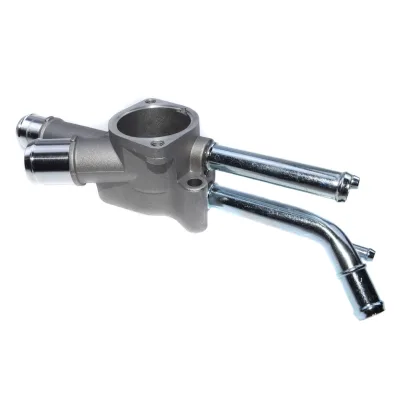
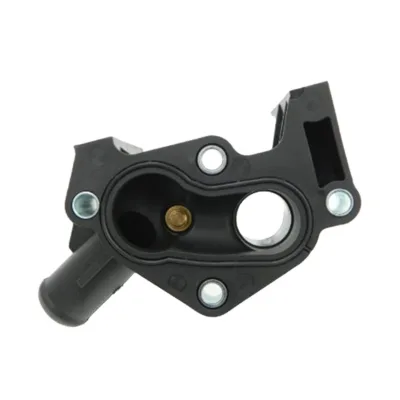


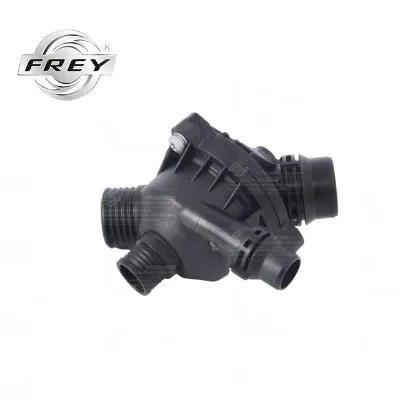
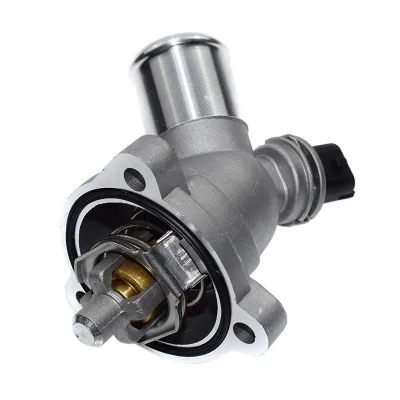
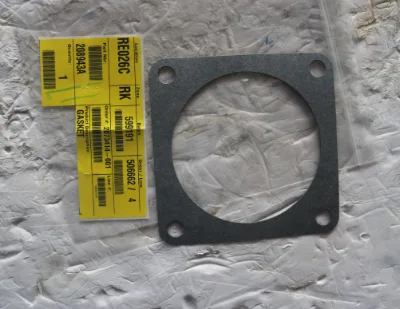
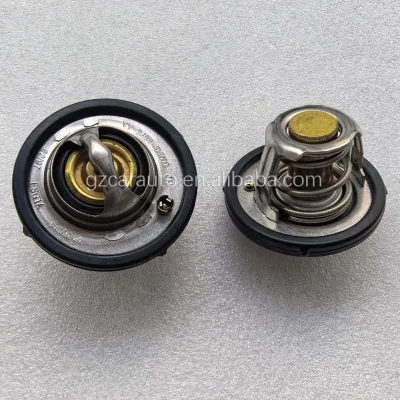
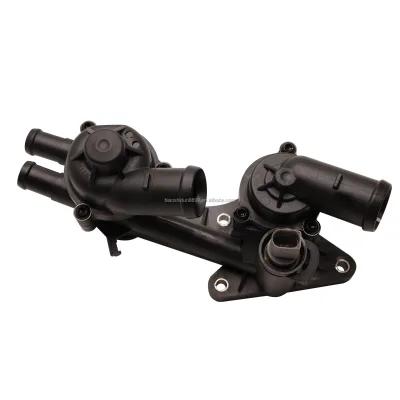
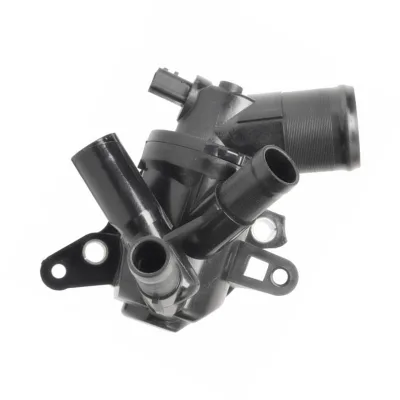
New Engine Coolant Thermostat for Chevrolet Spark 2013-2015 25192923 96988257
$10.90 - $12.50
MOQ: 20 pieces


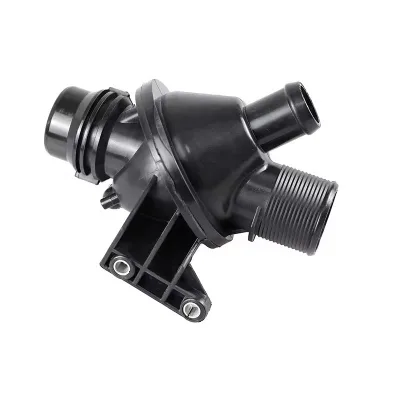

Comprehensive Sourcing Guide
New Engine Coolant Thermostat Housing Sourcing Guide
Procuring a New Engine Coolant Thermostat Housing requires a disciplined approach to verifying material integrity, thermal performance, and supply chain reliability. This component serves as the critical interface between the engine block and the cooling system, regulating fluid flow to maintain optimal operating temperatures. Buyers must prioritize suppliers who demonstrate rigorous quality control, as failures in this housing can lead to catastrophic engine overheating or coolant leaks. The following guide outlines the essential verification steps, technical parameters, and commercial considerations necessary for securing a reliable supply of high-quality thermostat housings for automotive cooling systems.
Product Scope and Observed Listing Signals
The market for new engine coolant thermostat housings presents a diverse range of options, with observed listing prices ranging from $0.90 to $50.00 USD and minimum order quantities (MOQs) varying significantly from 1 to 1,000 pieces. This wide variance suggests a spectrum of product tiers, from basic replacement units to specialized, high-performance components. Buyers should note that while some listings offer low MOQs for testing or small-batch repairs, larger industrial or fleet procurement may require negotiating volume discounts and consistent supply terms. The presence of customization options indicates that manufacturers can adapt designs to specific vehicle models or engine configurations, providing flexibility for unique repair or manufacturing needs.
Observed product attributes reveal a strong emphasis on durability and compatibility, with aluminum being the predominant body material due to its excellent heat dissipation properties and lightweight nature. Many listings specify a sealed structure and direct-flow radiator type, which are critical for maintaining efficient coolant circulation and preventing air pockets in the system. Additionally, the inclusion of digital water temperature sensors and glycerin-based cooling fluids in some configurations points to advanced integration capabilities. Buyers should carefully cross-reference these attributes with their specific vehicle requirements, as not all listed products will satisfy every technical specification, particularly regarding the specific thermostat component integration and core type.
Technical Specifications to Verify
Verifying the physical and functional specifications of the thermostat housing is paramount to ensuring compatibility and performance. Key attributes to confirm include the radiator core type, which is often specified as tube-fin for efficient heat exchange, and the overall structure, which should be a sealed type to prevent leaks. The product model numbers, such as 80301018 or customized variants, must match the original equipment manufacturer (OEM) references like 25620-23640 or OE numbers such as 1531004 and 1098780. Buyers should also verify the standard dimensions, which may vary from compact sizes like 5.00cm x 4.00cm x 6.00cm to larger configurations, to ensure proper fitment within the engine bay.
Thermal management capabilities are another critical area for verification. The housing must support the specific temperature ranges required by the engine, with some listings indicating standard temperature ratings. It is essential to confirm whether the unit includes integrated components like thermostats or if it is a standalone housing. Additionally, the type of water temperature sensor, whether digital or analog, must be compatible with the vehicle’s electronic control unit. Buyers should request detailed technical drawings or CAD files to validate the mounting points, inlet/outlet orientations, and gasket surfaces, ensuring that the new housing aligns perfectly with the existing cooling system architecture.
Compliance and Safety Documentation
Ensuring that the thermostat housing meets relevant industry standards and certifications is crucial for long-term reliability and regulatory compliance. Many suppliers provide certifications such as ISO9001 and IATF16949, which indicate adherence to quality management systems specific to the automotive industry. These certifications suggest that the manufacturer has implemented robust processes for design, production, and continuous improvement. Buyers should request copies of these certificates and verify their validity through the issuing bodies, ensuring that the supplier maintains current compliance status. Additionally, certifications like CCC, RoHS, and TSCold may be relevant depending on the target market and environmental regulations.
Safety and performance documentation should also include test reports and quality assurance records. Listings often mention that products are 100% tested before shipment, which is a positive indicator of quality control. However, buyers should seek detailed test data, including pressure testing, thermal cycling, and leak detection results, to validate these claims. The warranty terms, typically ranging from 12 months to 1 year, provide a safety net for defects, but buyers should clarify the scope of coverage and the process for claims. Understanding the supplier’s quality guarantee and their response to potential failures is essential for mitigating risk in the procurement process.
Cost Drivers and Commercial Terms
Several factors influence the final cost of new engine coolant thermostat housings, including material costs, manufacturing complexity, and order volume. Aluminum housings, while more expensive than plastic alternatives, offer superior durability and heat resistance, justifying the higher price point for critical applications. Customization options, such as specific model adaptations or integrated sensors, can also increase costs due to the additional engineering and tooling required. Buyers should analyze the total cost of ownership, considering not just the unit price but also shipping, tariffs, and potential costs associated with installation or warranty claims.
Commercial terms and payment methods vary among suppliers, with options including TT, PayPal, Western Union, and Trade Assurance. Delivery times typically range from 7 to 15 days, which is important for inventory planning and minimizing downtime. Packaging methods, such as neutral packing, boxes, or wooden cases, can affect shipping costs and product protection. Buyers should negotiate clear terms regarding lead times, payment schedules, and return policies. It is also advisable to confirm the supplier’s courier options, such as FedEx, UPS, TNT, or DHL, to ensure reliable and trackable shipping. Understanding these commercial details helps in budgeting accurately and avoiding unexpected expenses.
Supplier Qualification and Quality Control
Evaluating supplier qualification is a critical step in securing a reliable source for thermostat housings. Buyers should assess the supplier’s production capabilities, including their manufacturing facilities in regions like Zhejiang, Shandong, or Guangdong in China. The presence of advanced manufacturing equipment and skilled labor can significantly impact product quality and consistency. Suppliers who offer customization services demonstrate flexibility and technical expertise, which are valuable for meeting specific customer requirements. Buyers should request samples to evaluate the build quality, finish, and fitment before committing to larger orders.
Quality control processes should be thoroughly reviewed to ensure that every unit meets the specified standards. Suppliers who implement rigorous inspection protocols, such as 100% testing of each component, reduce the risk of defects reaching the customer. Buyers should inquire about the supplier’s quality management system, including how they handle non-conforming products and continuous improvement initiatives. Additionally, verifying the supplier’s reputation through customer reviews or industry references can provide insights into their reliability and customer service. Establishing a strong relationship with a qualified supplier ensures consistent quality and support throughout the procurement lifecycle.
Long-Term Procurement Checks
Establishing long-term procurement checks is essential for maintaining supply chain stability and product quality over time. Regular audits of the supplier’s quality control processes and production facilities can help identify potential issues before they impact delivery. Buyers should monitor key performance indicators, such as on-time delivery rates, defect rates, and response times to inquiries or complaints. Continuous communication with the supplier regarding market trends, technological advancements, and regulatory changes can help in adapting procurement strategies to evolving needs.
It is also important to periodically review the commercial terms and pricing to ensure they remain competitive and aligned with market conditions. Buyers should explore opportunities for volume discounts or long-term contracts to secure better pricing and priority service. Additionally, maintaining a diversified supplier base can mitigate risks associated with single-source dependencies. By implementing these long-term checks, buyers can ensure a resilient and efficient procurement process for new engine coolant thermostat housings, supporting the reliability and performance of their automotive cooling systems.
FAQs
What certifications do the thermostat housings have?
The products hold CCC, ISOCE, RoHS, TSCold, IATF16949, and ISO9001 certifications. These standards ensure compliance with safety and quality requirements for automotive cooling systems used in various global markets.
Can I request customization for the thermostat housing?
Yes, customization is available for this engine coolant thermostat housing. Buyers can specify models and dimensions to fit specific vehicle requirements while maintaining the high-quality sealed structure and aluminum body material.
What is the minimum order quantity for this product?
The minimum order quantity ranges from 10 to 20 pieces depending on the specific listing. This low MOQ allows buyers to test the product quality before committing to larger bulk orders for their inventory.
How long does delivery take for these parts?
Delivery typically takes between 7 to 15 days after payment confirmation. This lead time applies to shipments sent via courier services like FedEx, UPS, TNT, or DHL from the manufacturing locations in China.
Which cooling fluid types are compatible with this housing?
The housing is designed to work with glycerin as the cooling fluid type. It features a direct-flow radiator core and digital water temperature sensor to ensure efficient thermal management in auto cooling systems.
What warranty is provided for the new thermostat housing?
A 12-month warranty is provided for all new engine coolant thermostat housings. This coverage ensures that the product is 100% tested and meets high-quality standards for replacement and repair purposes.