Source Nickel-Free Brass Eyelets for Bags, Shoes, and Clothing
Find and compare 30 listings for Nickel-Free Brass Eyelets suitable for bags, shoes, and clothing. Options include round and square shapes in gun metal, black nickel, and silvery finishes, with OEM customization and plating techniques available for durable, anti-rust hardware.
Key considerations
Products List


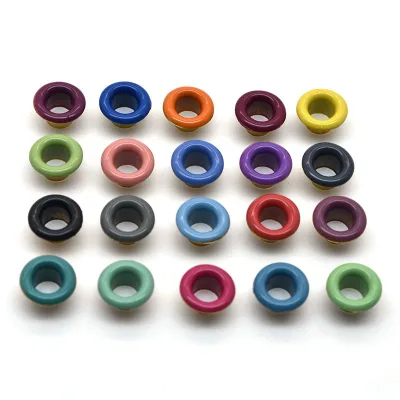
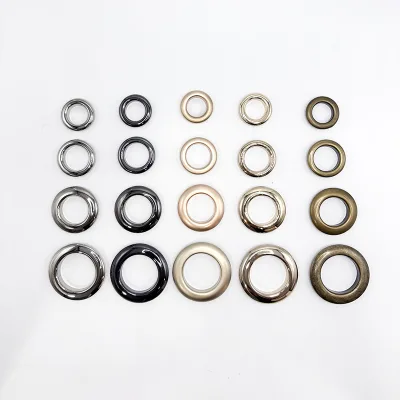
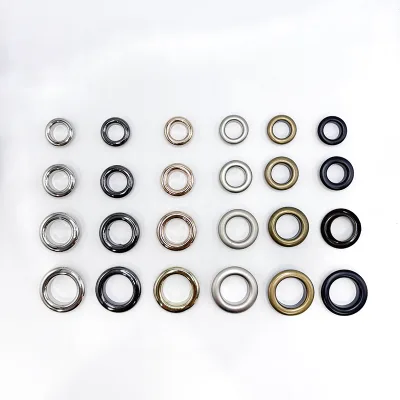
Shiny Brass Metal Eyelets for Clothing and Bags, Inner Diameter 12mm, 13.5mm, 17mm
$0.04 - $0.08
MOQ: 2000 Minimum
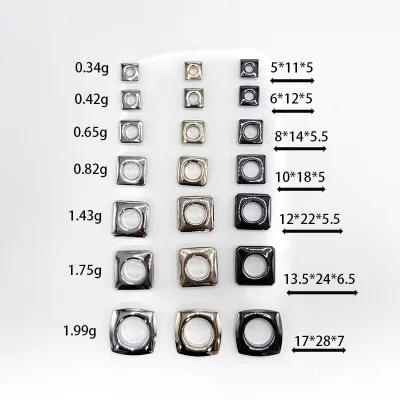


Various Size Specifications Stainless Steel Eyelets with Competitive Price
$0.00 - $0.01
MOQ: 10000 Pieces

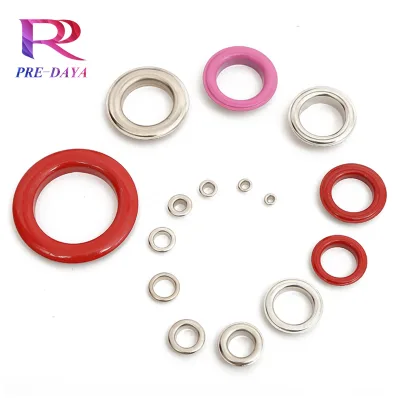


High Quality Hot Sale Eyelets Cut-Style Eyelet, Back Adhesive Eyelets 
$0.00 - $0.01
MOQ: 10000 Pieces

100% High Quality Wholesale Eyelets Cut-Style Eyelet, Back Adhesive Eyelets
$0.00 - $0.01
MOQ: 10000 Pieces
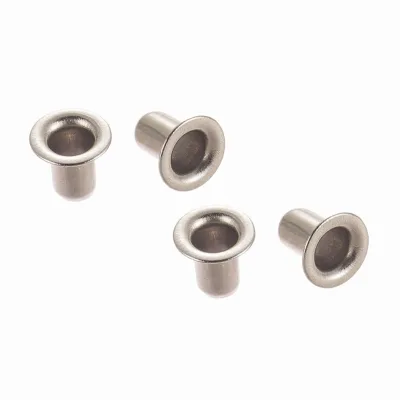


Wholesale 6/8/10/11/12mm Metal Stainless Steel Eyelets with Different Sizes
$0.02 - $0.15
MOQ: 2000 Pieces

Comprehensive Sourcing Guide
Nickel-Free Brass Eyelets Sourcing Guide
Sourcing nickel-free brass eyelets requires a disciplined approach to material verification and surface treatment validation. These hardware components serve as critical reinforcement points in textiles, leather goods, and technical fabrics, where mechanical strength and aesthetic finish must coexist without triggering allergic reactions or corrosion. The procurement strategy must prioritize suppliers who can demonstrate consistent compliance with nickel-free standards while maintaining the structural integrity required for high-stress applications. Buyers must navigate a market where "nickel-free" is often a marketing claim rather than a verified specification, making rigorous documentation review essential before committing to volume orders.
The supply chain for these components is heavily concentrated in specific manufacturing hubs, with Guangdong, China, emerging as a primary origin point for high-volume production. This geographic concentration offers access to specialized metalworking facilities that excel in plating, stamping, and custom shaping processes. However, relying on a single region or supplier type introduces supply chain risk. Procurement teams should evaluate the diversity of their supplier base, considering both large-scale manufacturers capable of OEM production and smaller workshops that may offer greater flexibility for custom designs. Understanding the operational capabilities of these facilities is key to securing a reliable supply of high-quality eyelets.
Product Scope and Observed Listing Signals
The observed product landscape for nickel-free brass eyelets reveals a wide variety of shapes, sizes, and finishes, indicating a highly customizable market. Listings frequently highlight round, square, and specialized outer shapes such as cut edge, flower, rose, bold rim, and capped mesh configurations. This diversity allows buyers to select eyelets that not only function mechanically but also contribute to the aesthetic design of the final product. The availability of OEM sizing and custom drawing-based production means that standard catalog items may not always meet specific project requirements, necessitating direct communication with suppliers about dimensional tolerances and design constraints.
Material composition is a critical differentiator in this category, with brass being the predominant metal type, though aluminum and stainless steel options are also available. The surface treatments vary significantly, including gun metal, nickel, black nickel, antique brass, and silvery finishes. These finishes are not merely cosmetic; they influence the durability and environmental resistance of the eyelet. For instance, gun metal and black nickel platings often provide enhanced corrosion resistance, while silvery finishes may offer a more traditional metallic appearance. Buyers must carefully match the finish to the end-use environment, considering factors such as exposure to moisture, sunlight, and chemical detergents.
Technical Specifications to Verify
Dimensional accuracy is paramount when sourcing eyelets, as even minor deviations can affect the assembly process and final product quality. Specifications often include outer diameter, inner diameter, and height, with common sizes ranging from small diameters like 20.5mm to larger ones like 60mm. The inner diameter must align precisely with the rivet or pin being used, while the outer diameter determines the footprint on the material. Buyers should verify these dimensions against their own technical drawings, ensuring that the supplier can produce to the required tolerances. Custom sizes are frequently available, but they may require additional tooling costs and longer lead times.
The plating process and surface treatment are equally important technical considerations. The listed techniques include plating and painting, which serve to protect the base metal from oxidation and wear. For nickel-free products, the plating must be applied in a way that ensures complete coverage without exposing the underlying brass. This is particularly important for eyelets used in clothing and accessories that come into direct contact with skin. Buyers should request detailed information about the plating thickness and adhesion tests to ensure that the finish will not peel or flake during use. Additionally, the presence of features such as anti-rust and water-resistant properties should be confirmed through supplier documentation.
Compliance and Safety Documentation
Nickel-free certification is the cornerstone of safety compliance for this product category. Buyers must insist on third-party test reports from recognized laboratories such as SGS, BV, or Intertek to verify that nickel content is below the specified threshold, often less than 90 ppm. These reports provide objective evidence that the product meets regulatory requirements for consumer goods, particularly in markets with strict chemical restrictions. Without such documentation, the risk of non-compliance and subsequent product recalls is significant. Procurement teams should treat these test reports as mandatory prerequisites for any supplier engagement.
In addition to nickel-free status, other safety and environmental certifications may be relevant depending on the end-use application. Features such as being eco-friendly, washable, and durable suggest that the eyelets can withstand rigorous use and cleaning processes without degrading or releasing harmful substances. Buyers should inquire about the specific standards these claims are based on, such as REACH or RoHS, to ensure alignment with international regulations. The absence of lead and other heavy metals is also a critical factor, particularly for products intended for children or outdoor use. Verifying these attributes through supplier declarations and independent testing is essential for maintaining brand integrity and consumer trust.
Cost Drivers and Commercial Terms
Pricing for nickel-free brass eyelets is influenced by several factors, including material costs, plating complexity, and order volume. The observed price range is relatively low, reflecting the commodity nature of these small hardware items. However, costs can escalate with custom shapes, special finishes, or stringent quality requirements. Buyers should expect to see variations in pricing based on the specific metal type, with brass generally being more expensive than aluminum but offering superior durability. Understanding these cost drivers allows for more accurate budgeting and negotiation with suppliers.
Minimum Order Quantities (MOQs) and lead times are key commercial terms that impact procurement planning. MOQs can range from small quantities for sampling to large volumes for mass production, with some suppliers offering support for sample orders with short lead times. Buyers should clarify these terms early in the sourcing process to avoid delays and ensure that production schedules align with product launch timelines. Packaging options, such as polybag, carton, and packing belt, also affect logistics costs and storage requirements. Selecting the appropriate packaging can help minimize damage during transit and streamline the receiving process at the destination.
Supplier Qualification and Quality Control
Supplier qualification involves assessing the manufacturing capabilities, quality management systems, and track record of potential partners. Buyers should prioritize suppliers who have established quality control processes, including in-line inspections and final random inspections. The ability to produce to OEM specifications and provide custom designs is a strong indicator of technical competence. Additionally, suppliers with experience in exporting to regulated markets are more likely to understand and comply with international standards. Due diligence should include reviewing the supplier’s business license, factory audits, and customer references.
Quality control measures should be integrated into the procurement process from the outset. This includes defining clear acceptance criteria for dimensional accuracy, surface finish, and mechanical strength. Buyers should consider implementing pre-shipment inspections to verify that the delivered goods meet the agreed-upon specifications. Establishing a robust quality control framework helps to minimize defects and returns, protecting the brand’s reputation. Regular communication with suppliers regarding quality issues and continuous improvement initiatives is also essential for maintaining long-term supply chain stability.
Long-Term Procurement Checks
Long-term procurement success depends on continuous monitoring of supplier performance and market trends. Buyers should regularly review supplier quality metrics, such as defect rates and on-time delivery performance, to identify potential issues early. Building strong relationships with suppliers can facilitate better communication and problem-solving, leading to improved service levels. Additionally, staying informed about changes in regulations and material costs allows for proactive adjustments to sourcing strategies. This ongoing vigilance helps to mitigate risks and ensure a steady supply of high-quality nickel-free brass eyelets.
Sustainability and ethical sourcing are increasingly important considerations in the procurement of hardware components. Buyers should evaluate suppliers’ environmental practices, including waste management and energy efficiency, to align with corporate sustainability goals. Ethical labor practices and fair trade certifications may also be relevant, depending on the company’s values and customer expectations. By incorporating these factors into the sourcing strategy, buyers can contribute to a more responsible and resilient supply chain. Regular audits and assessments of supplier sustainability performance can help to drive continuous improvement and demonstrate commitment to responsible business practices.
FAQs
What materials are used for Nickel-Free Brass Eyelets?
These eyelets are primarily made from brass, though aluminium and stainless steel options are also available. The products feature a nickel-free composition to ensure safety and compliance with various international standards for textile accessories.
Can I request custom shapes for these metal eyelets?
Yes, customization is available for various outer shapes including cut edge, flower, rose shape, bold rim, and capped mesh designs. Buyers can also provide specific drawings for unique requirements, allowing for tailored aesthetic solutions.
Which certifications verify the nickel-free status of these eyelets?
The products undergo testing by SGS, BV, and Interk to verify their quality and safety. Specific lead tests confirm levels are less than 90 ppm, ensuring the nickel-free claim is backed by recognized third-party laboratory results.
How long is the lead time for sample orders?
Sample orders can be supported with a lead time of just 7 days. This rapid turnaround allows buyers to quickly evaluate product quality and specifications before committing to larger production runs or bulk orders.
What are the standard packaging options for these eyelets?
Products are typically packed in cartons, with some variations using polybags, cartons, and packing belts. Single package sizes vary, such as 6x6x8 cm or 3.2x3.2x7 cm, depending on the specific model and quantity ordered.
Where are these brass eyelets manufactured and shipped from?
The products originate from Guangdong, China, which is a major hub for metal hardware manufacturing. This location supports efficient logistics for global distribution while maintaining the high standards required for industrial and fashion applications.
What applications are suitable for these durable metal eyelets?
These eyelets are designed for use in bags, shoes, clothing, hats, tents, tarpaulins, curtains, and banners. Their durable, anti-rust, and water-resistant features make them ideal for both decorative and functional accessory applications.