Source Nickel-Free Luxury Shoe Buckles for Bags, Garments, and Belts
Compare 30 listings of Nickel-Free Luxury Shoe Buckles suitable for bags, garments, and shoes. Buyers can evaluate metal and resin options with customizable colors and geometric shapes from suppliers in China.
Key considerations
Products List


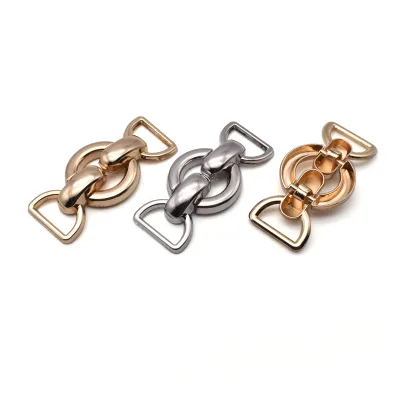
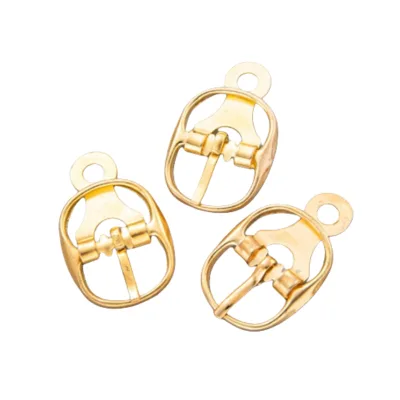
Nickel Free Fashion Belt Buckle Ladies Zinc Alloy Shoe Buckles Decoration
$0.18 - $0.23
MOQ: 1000 Pieces






Comprehensive Sourcing Guide
Nickel-Free Luxury Shoe Buckles Sourcing Guide
Sourcing high-end hardware for footwear requires a nuanced understanding of material integrity, aesthetic versatility, and regulatory compliance. The term "nickel-free luxury shoe buckles" typically refers to decorative or functional metal components designed to enhance the visual appeal of premium footwear while adhering to strict safety standards regarding skin contact. Buyers must distinguish between purely decorative elements, such as rhinestone-encrusted vamp attachments, and structural hardware like functional buckles or hooks. The market offers a wide spectrum of options, ranging from simple geometric metal shapes to complex, multi-material assemblies involving resin or plastic components. Understanding these distinctions is critical for aligning procurement with specific product design requirements and brand positioning.
The procurement landscape for these items is dominated by suppliers in China, particularly in manufacturing hubs like Quanzhou, Fujian, and Yiwu, Zhejiang. These regions are known for their specialized clusters in shoe accessories and metal stamping. Products listed in this category often feature customizable colors, shapes, and packaging, reflecting the high degree of personalization demanded by luxury brands. However, the term "luxury" in this context often relates to the finish quality, such as rhinestone embellishments or precise geometric cuts, rather than the intrinsic value of the base metal. Buyers should approach listings with a critical eye, verifying that the "nickel-free" claim is backed by actual laboratory testing rather than mere marketing terminology, especially given the prevalence of mixed-material products in the supply chain.
Product Scope and Observed Listing Signals
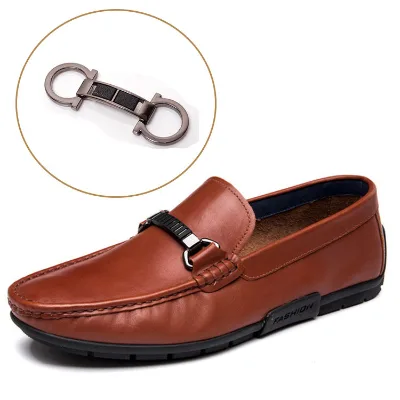
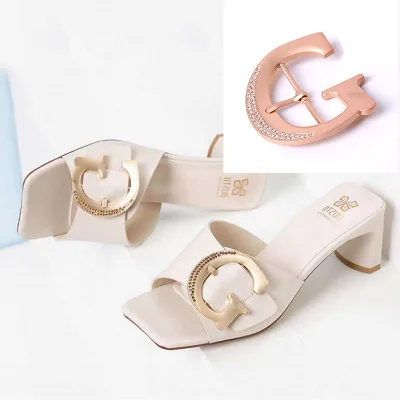
The observed product range indicates a diverse mix of materials, including metal, plastic, and resin, which complicates the definition of a purely "metal" luxury buckle. Listings frequently feature items described as "shoe decorations" or "vamp" attachments, suggesting that many products are primarily aesthetic rather than structural. For instance, models with dimensions like 2422mm or 5441mm often serve as decorative accents rather than load-bearing buckles. The presence of "rhinestone" styles and "geometric" shapes highlights a focus on visual impact, catering to fashion-forward designs where the hardware acts as a statement piece. Buyers must carefully review product images and descriptions to determine if the item is a functional closure or a decorative embellishment, as this distinction significantly impacts durability requirements and sourcing strategies.
Color and customization options are prevalent across the observed listings, with many suppliers offering "customization" for color and packaging. This flexibility allows brands to match hardware to specific seasonal palettes or collection themes. However, the mention of "multi-color" and "as picture" options suggests that color consistency may vary between batches unless strict color matching protocols are established. Additionally, the use of terms like "metal" alongside "plastic" and "resin" in the same product category indicates that some "buckles" may be composite items. Buyers should verify the exact composition of each component, particularly if the "nickel-free" claim applies only to the metal parts while other elements contain different alloys or coatings.
Technical Specifications to Verify
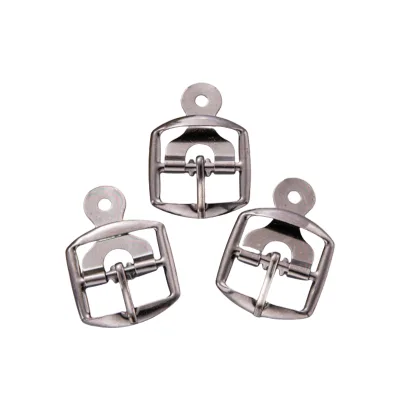
Dimensional accuracy and structural integrity are paramount when sourcing shoe hardware. Observed specifications include models with specific dimensions such as 3040mm and 5441mm, which buyers must cross-reference with their design templates to ensure proper fit and proportion. The "hook" style and "shoe buckle" type indicate different functional mechanisms, with hooks potentially offering a more secure closure for certain shoe types, while buckles may provide a classic aesthetic. Buyers should request detailed technical drawings or CAD files from suppliers to verify hole placement, thickness, and curvature, ensuring that the hardware integrates seamlessly with the shoe's upper material and sole structure.
Material composition is a critical technical specification that requires rigorous verification. While some listings explicitly state "metal" as the material, others mention "plastic" or "resin," which may be used for decorative elements or backing plates. The "nickel-free" claim must be validated through material safety data sheets (MSDS) or third-party test reports, as base metals like brass or zinc alloy can contain nickel traces unless specifically formulated otherwise. Additionally, the finish quality, such as plating thickness and corrosion resistance, should be assessed to ensure the hardware maintains its luster and does not tarnish or fade over time, especially given the claim of "not fade/keep color long time" in some listings.
Compliance and Safety Documentation
Regulatory compliance is non-negotiable for luxury footwear, particularly when hardware comes into direct contact with the skin. The "nickel-free" claim must be supported by certification from recognized testing bodies, such as SGS, CE, or ROHS, which are mentioned in some listings. These certifications indicate that the product has undergone testing for restricted substances, including nickel release rates, which are strictly regulated in the European Union and other markets. Buyers should request current test reports for each batch or model, ensuring that the testing was performed on the final product rather than just the raw material, as finishing processes can introduce contaminants.
Beyond nickel content, other safety standards may apply depending on the target market. For instance, REACH compliance is relevant for products sold in the EU, requiring the declaration of substances of very high concern (SVHCs). While some listings mention REACH as a low-confidence background fact, buyers should not assume compliance without explicit documentation. Additionally, physical safety standards, such as sharp edge testing, should be considered to prevent injury to the wearer. Buyers should establish a clear compliance matrix with their suppliers, outlining all required certifications and testing protocols for each product type, and include these requirements in the purchase contract to mitigate legal and reputational risks.
Cost Drivers and Commercial Terms
Pricing for luxury shoe buckles is influenced by several factors, including material costs, complexity of design, and customization requirements. Observed price ranges are relatively low, suggesting that many products are mass-produced decorative items rather than high-end bespoke hardware. However, the cost can increase significantly with the addition of rhinestones, complex plating, or custom packaging. Buyers should analyze the cost breakdown to understand the impact of each variable, such as the price difference between standard and custom colors, or the additional cost for specialized packaging like "50 Per Pack, 10 Packs Per Box."
Minimum Order Quantities (MOQs) and payment terms are also key commercial considerations. Observed MOQs range from 100 to 100,000 units, reflecting the flexibility of suppliers to accommodate both small-batch luxury orders and large-scale production runs. Buyers should negotiate MOQs based on their sales forecasts and inventory strategy, considering the potential for stock obsolescence if designs change frequently. Additionally, lead times and shipping terms, such as "Standard Seaworthy Packing" or "CTN by Sea," should be clarified to ensure timely delivery and proper protection of the hardware during transit, especially for delicate items with rhinestone embellishments.
Supplier Qualification and Quality Control
Supplier qualification is essential to ensure consistent quality and reliability. Buyers should conduct thorough due diligence on potential suppliers, verifying their manufacturing capabilities, quality control processes, and track record in the footwear accessory industry. Suppliers located in Quanzhou and Yiwu are known for their expertise in shoe hardware, but buyers should still assess their specific strengths, such as metal stamping, plating, or assembly of composite items. Requesting samples and conducting factory audits can provide valuable insights into the supplier's operational standards and ability to meet specific requirements.
Quality control measures should be established at every stage of production, from raw material inspection to final packaging. Buyers should define clear acceptance criteria for dimensions, color, finish, and functionality, and implement regular inspections during production and before shipment. For items with rhinestone decorations, special attention should be paid to the adhesion strength and uniformity of stone placement. Additionally, buyers should require suppliers to provide pre-shipment inspection reports and maintain a robust process for handling defects or non-conforming products, ensuring that any issues are resolved promptly and fairly.
Long-Term Procurement Checks
Long-term success in sourcing luxury shoe buckles depends on continuous monitoring and relationship management. Buyers should regularly review supplier performance metrics, including on-time delivery rates, defect rates, and responsiveness to issues. Establishing a feedback loop with the supplier can help identify areas for improvement and foster a collaborative partnership. Additionally, buyers should stay informed about changes in regulatory requirements and market trends, adjusting their sourcing strategies accordingly to maintain compliance and competitiveness.
Sustainability and ethical sourcing are increasingly important considerations for luxury brands. Buyers should inquire about the supplier's environmental practices, such as waste management and energy efficiency, and their adherence to labor standards. While specific certifications may not be explicitly listed, buyers can request information on the supplier's corporate social responsibility policies and initiatives. By prioritizing ethical and sustainable sourcing, buyers can enhance their brand reputation and align with the values of their target customers, ensuring long-term viability in the luxury footwear market.
FAQs
What materials are used for these shoe buckles?
The product page lists metal, plastic, and resin as available materials for these shoe buckles. Buyers can select from these options depending on their specific design needs and durability requirements for the final accessory.
Which styles are available for these shoe decorations?
Available styles include hook and rhinestone designs for shoe decorations. These styles are suitable for various applications such as bags, garments, shoes, and belts, offering versatile customization options for different fashion needs.
Can I customize the color and packaging for orders?
Yes, customization is available for both color and packaging. Buyers can request specific colors and choose from standard seaworthy packing or customized packaging solutions to meet their logistical and branding requirements effectively.
What are the standard specifications for these models?
Standard specifications vary by model, with dimensions such as 24*22mm, 54*41mm, and 30*40mm listed. Specific models like ML109, H15, and H23 have defined sizes to ensure compatibility with different shoe and bag types.
Where are these products manufactured and shipped from?
Products originate from locations including Quanzhou, Fujian, Yiwu, Zhejiang, and other parts of China. The standard seaworthy packing ensures safe transport, with options for customization to suit specific shipping requirements for international buyers.
What certifications do these products meet?
The products meet CE, ROHS, and SGS standards as listed on the page. These certifications indicate compliance with safety and quality regulations, providing assurance for buyers sourcing these accessories for commercial use.
What is the minimum order quantity for these items?
The observed minimum order quantity ranges from 100 to 100,000 units depending on the specific product and supplier. Buyers should verify the exact MOQ for their selected model to ensure it aligns with their procurement volume.