Source Nickel Free Electroplated Butterfly Ring for gifts, fashion, and decoration
Compare 30 listings of Nickel Free Electroplated Butterfly Ring available in gold, silver, and rose gold finishes. Buyers can review adjustable sizes, custom designs, and packaging options from verified suppliers in China.
Key considerations
Products List
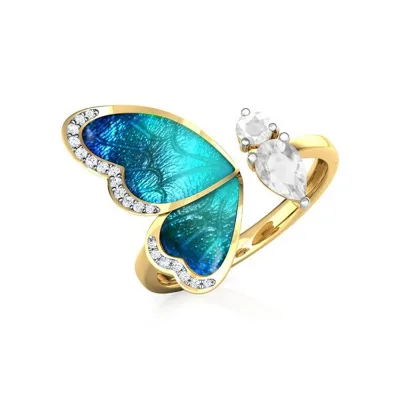
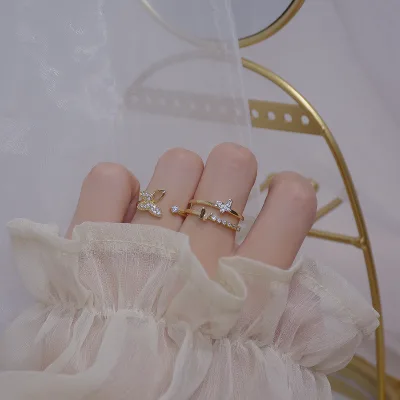
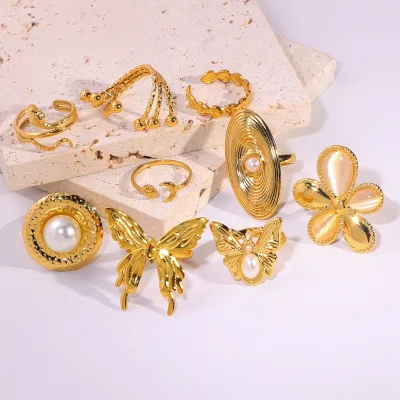
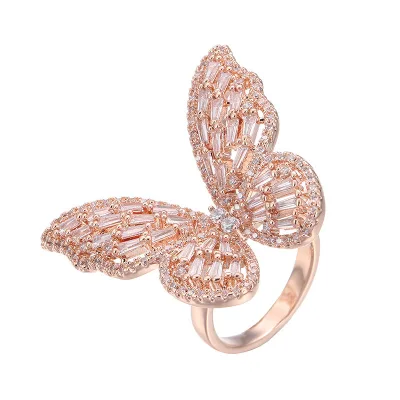
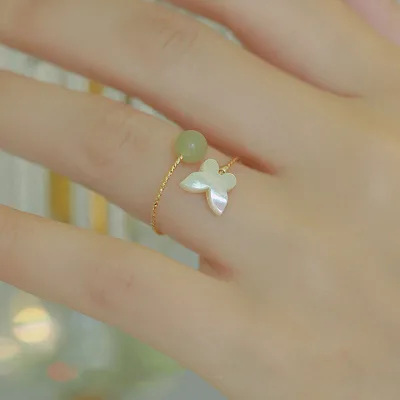
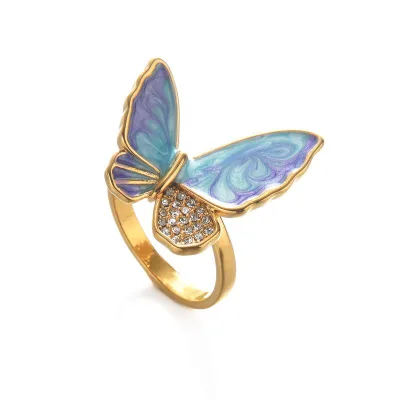
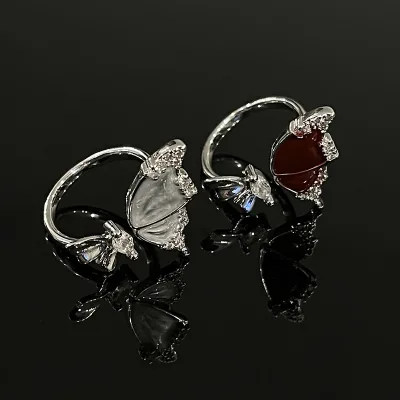
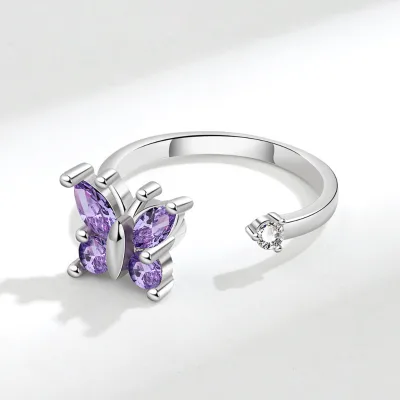
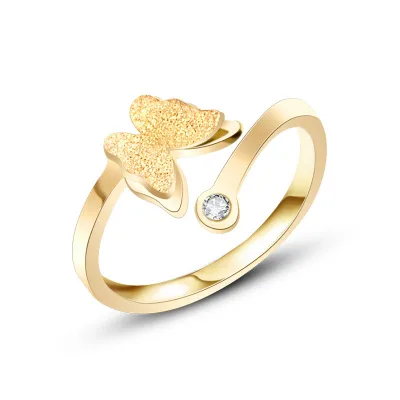


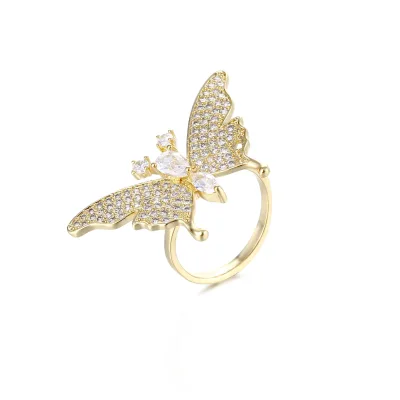


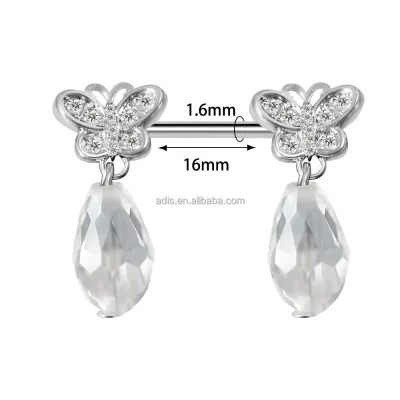


Comprehensive Sourcing Guide
Strategic Sourcing Guide for Nickel-Free Electroplated Butterfly Rings
Understanding Product Specifications and Design Variations
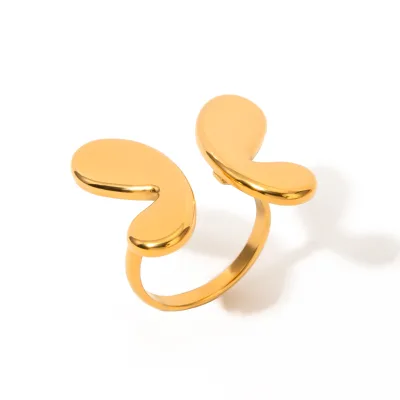
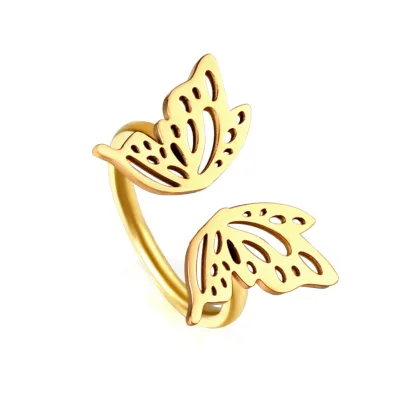
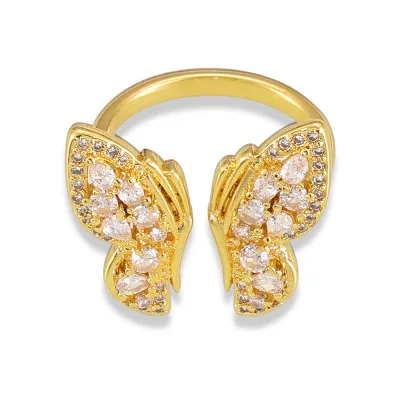
When sourcing nickel-free electroplated butterfly rings, buyers must first establish a clear understanding of the technical specifications that define the product category. The core keyword implies a specific aesthetic and material composition, yet the market offers a wide array of variations that require careful filtering. Based on observed product attributes, the design landscape for these rings is diverse, ranging from "Romantic" and "Fashion" themes to specific motifs like "Single large and small butterflies," "Double-layer butterfly single piece," and "Single Zircon Butterfly." The shape is predominantly identified as "Butterfly," though other geometric forms like "Round" and "Flower" shapes also appear in the broader category of electroplated jewelry.
Material composition is a critical differentiator in this sector. While the prompt specifies "nickel-free," the underlying base metal often varies. Stainless steel is a verified material option in the current market data, offering a robust foundation for electroplating. Other listings indicate "Gold," "Silver," and "Rose Gold" as finish options, which are typically achieved through electroplating processes. The fabrication processing methods observed include "Electroplating," "Polishing," and "Casting." These processes directly influence the final texture, durability, and visual appeal of the ring. For instance, the "Frosted" and "Plating Rose" technologies suggest specific surface treatments that buyers should request samples to verify.
Sizing is another essential specification that impacts procurement logistics. The market data reveals a mix of fixed and adjustable sizing options. Standard ring sizes are frequently listed as 6, 7, 8, 9, 10, and 11, while "Adjustable" and "Resizable" options provide flexibility for inventory management. Some specific listings note a dimension of 1.8cm, which may refer to the width or diameter of the butterfly motif rather than the band size. Buyers must clarify these dimensions with suppliers to ensure the product fits the target demographic, whether it is "Male," "Unisex," or general fashion consumers. The packaging standard observed is the "OPP Bag," which is a cost-effective solution for individual unit protection, though custom packaging may be available upon request.
Compliance and Certification Verification Protocols
The term "nickel-free" carries significant weight in the jewelry industry due to the prevalence of nickel allergies. However, the presence of this claim on a product page does not automatically guarantee compliance with international safety standards. Buyers must treat "nickel-free" as a claim that requires independent verification rather than an absolute fact. While the provided data does not list specific certification numbers or third-party test results, the industry standard for verifying nickel content often involves testing against regulations such as the European Union's REACH regulation or the California Proposition 65.
In the absence of explicit certification data in the product listings, procurement teams must implement a rigorous verification protocol. This involves requesting a Certificate of Analysis (CoA) or a specific Nickel Release Test Report from the supplier. The supplier should be able to demonstrate that the electroplating layer is thick enough to prevent the underlying base metal from reacting with the skin. Even if the base material is stainless steel, which is generally hypoallergenic, the plating process must be flawless to prevent exposure. The data mentions "Fade ?: No," which is a positive indicator of plating quality, but this attribute alone is insufficient proof of nickel compliance.
Buyers should also be aware of the distinction between "Gold Plating" and other electroplating methods. The quality of the plating determines the longevity of the nickel-free barrier. If the plating wears off, the risk of skin irritation increases. Therefore, the "Fade" attribute observed in the data should be cross-referenced with plating thickness specifications. While the data does not provide microns or thickness values, a reputable supplier will be able to provide this technical data upon request. Additionally, the "Logo Service: Offered" attribute suggests that customization is possible, but buyers must ensure that any laser engraving or stamping processes do not compromise the integrity of the plating or expose the base metal.
Cost Drivers and Pricing Dynamics
The pricing structure for nickel-free electroplated butterfly rings is influenced by several variable factors, including material costs, plating complexity, and order volume. The observed price range in the market data spans from $0.02 to $5.00 USD. This wide variance indicates that the final cost is highly dependent on the specific configuration of the ring. The lower end of the spectrum likely corresponds to simple designs with minimal plating or lower-quality electroplating, while the higher end may reflect intricate designs, such as the "Double-layer butterfly" or those featuring "Zircon" accents.
Material selection is a primary cost driver. Stainless steel is a cost-effective base material, but the choice of plating metal significantly impacts the price. Gold plating, particularly if it involves a higher karat or thicker layer, will cost more than standard silver or rose gold plating. The "Plating Rose, Frosted" technology mentioned in the data suggests a more complex finishing process, which could increase production costs. Furthermore, the "Craft: Casting" process may be more expensive than simpler manufacturing methods, depending on the mold complexity and labor intensity.
Order volume plays a crucial role in determining the unit price. The Minimum Order Quantity (MOQ) ranges from 1 to 10,000 units, with specific listings noting an MOQ of 100 pieces. Suppliers often offer tiered pricing structures where the unit cost decreases as the order quantity increases. For buyers with high-volume needs, negotiating a lower price per unit is essential. However, buyers must balance cost savings with inventory risk. The "prod_packing: OPP Bag" is a standard, low-cost packaging option, but if custom packaging is required, this will add to the overall cost. Additionally, the "Customization: Available" attribute implies that personalized designs may incur setup fees or higher per-unit costs, which should be factored into the total cost of ownership.
Typical Applications and Market Segmentation
Nickel-free electroplated butterfly rings serve a diverse range of applications, catering to various market segments and consumer needs. The "Usage: Decoration" and "Usage: Gift" attributes highlight the primary functions of these products. As decorative items, they are often purchased for personal wear, fashion statements, or as part of a jewelry collection. The "Style: Retro" and "Style: Trendy" labels indicate that these rings appeal to consumers looking for both classic and contemporary aesthetics. The "Butterfly" shape, in particular, is a popular motif that resonates with a wide audience, making it suitable for mass-market retail.
The gender specification in the data, listing both "Male" and "Unisex" options, suggests that these rings are not limited to a single demographic. While butterfly motifs are traditionally associated with women's jewelry, the "Unisex" classification indicates a growing trend of gender-neutral accessories. This broadens the potential market for buyers, allowing them to target a wider customer base. The "Type: Prime Ring" and "Type: Cocktail Ring" classifications further define the product's positioning. Cocktail rings are typically larger and more statement-making, suitable for special occasions, while prime rings may be designed for everyday wear.
In the context of gifting, the "Gift" usage attribute is significant. These rings are often packaged as gifts for birthdays, anniversaries, or holidays. The "Standard: 578cm" likely refers to the packaging dimensions, which are designed to be compact and gift-ready. The "Logo Service: Offered" feature allows businesses to brand these rings for corporate gifts or promotional events, adding value to the product. The "Customization: Available" attribute also supports the use of these rings in personalized gift markets, where buyers can request specific engravings or design modifications.
Supplier Evaluation and Selection Criteria
Selecting the right supplier for nickel-free electroplated butterfly rings requires a thorough evaluation of their capabilities, reliability, and adherence to quality standards. The "Location: China" attribute indicates that the majority of suppliers are based in China, a major hub for jewelry manufacturing. Buyers should verify the supplier's production capacity, especially given the wide MOQ range of 1 to 10,000 units. A supplier with a high MOQ may not be suitable for small businesses or test orders, while a supplier with a low MOQ might lack the capacity for large-scale production.
The "Fabrication Processing" and "Craft" attributes provide insight into the supplier's technical capabilities. A supplier offering "Electroplating," "Polishing," and "Casting" demonstrates a comprehensive manufacturing process. Buyers should assess whether the supplier has the necessary equipment and expertise to produce the specific design and finish required. The "Technology: Plating Rose, Frosted" suggests a level of sophistication in surface treatment, which should be verified through sample requests. Additionally, the "Logo Service: Offered" and "Customization: Available" attributes indicate that the supplier is capable of handling custom orders, which is a valuable feature for buyers seeking unique products.
Quality control is another critical factor in supplier evaluation. The "Fade ?: No" attribute is a positive sign, but buyers should not rely solely on this claim. Instead, they should request samples and conduct their own testing to verify the durability of the plating. The supplier's ability to provide test reports or certifications is essential for confirming the "nickel-free" claim. Buyers should also inquire about the supplier's return policy and warranty terms, as these reflect their confidence in the product quality. Finally, the "prod_model" codes (e.g., R30449, R235, R30354) suggest a structured product catalog, which can help buyers track specific items and maintain consistency in their sourcing.
Quality Control and Long-Term Procurement Strategies
Maintaining consistent quality in the procurement of nickel-free electroplated butterfly rings requires a proactive approach to quality control and long-term relationship management. The "prod_packing: OPP Bag" is a standard packaging method, but buyers should ensure that the packaging protects the rings from scratches and tarnishing during transit. For long-term procurement, establishing a clear quality assurance protocol is essential. This includes defining acceptable tolerances for ring size, plating thickness, and finish quality.
Buyers should implement a sampling strategy before committing to large orders. Requesting samples from different batches can help identify variations in quality and ensure consistency. The "Ring Size" specifications, such as the range of 6 to 11 or adjustable options, should be verified against the actual product to ensure they meet the buyer's requirements. The "Shape: Butterfly" and "Shape: Flower" attributes should also be checked to confirm that the design matches the visual expectations.
Long-term procurement considerations also involve monitoring market trends and supplier performance. The "Style: Retro" and "Style: Trendy" attributes indicate that consumer preferences can shift, and buyers should stay informed about changing fashion trends. Building a strong relationship with the supplier can facilitate better communication and faster response times to market changes. Additionally, buyers should consider the environmental impact of their sourcing decisions, as the "Electroplating" process can have environmental implications. While the data does not mention specific environmental certifications, buyers should inquire about the supplier's sustainability practices and waste management policies.
In conclusion, sourcing nickel-free electroplated butterfly rings requires a detailed understanding of product specifications, compliance requirements, cost drivers, and supplier capabilities. By following a structured approach to evaluation and quality control, buyers can ensure that they source high-quality products that meet their specific needs and market demands. The diverse range of designs, materials, and customization options available in the market provides ample opportunities for buyers to find the perfect product for their business.
FAQs
What materials are used for nickel free electroplated butterfly rings?
Stainless steel is the verified base material for these rings, providing a durable foundation. The surface finish is achieved through electroplating processes that apply gold, silver, or rose gold layers to create the desired aesthetic.
Which ring sizes are available for purchase?
Standard fixed sizes range from 6 to 11, while adjustable and resizable options are also available. Some specific designs feature a dimension of 1.8cm, which likely refers to the width of the butterfly motif rather than the band size.
Can buyers request customization for these rings?
Yes, customization is available for orders, including logo services and specific design modifications. Buyers should note that custom packaging or unique design requests may incur additional setup fees or affect the minimum order quantity requirements.
How are these rings packaged for shipment?
The standard packaging observed is an individual OPP bag, which offers cost-effective protection for each unit. Custom packaging solutions may be available upon request, though this could impact the overall cost and lead time of the order.
What is the minimum order quantity for these products?
The minimum order quantity ranges from 1 to 10,000 units depending on the supplier and specific product configuration. Some listings explicitly state an MOQ of 100 pieces, while others may accommodate smaller test orders starting at a single unit.
Are these rings suitable for both male and female buyers?
Yes, the product attributes indicate availability for male, unisex, and general fashion consumers. While butterfly motifs are often associated with women's jewelry, the unisex classification allows for broader market appeal and diverse styling options.