Find Nitrided Treatment Magnetic Welding Platform for Industrial, Soldering, and Assembly
Source 30 Nitrided Treatment Magnetic Welding Platform options from verified suppliers. Compare specifications including cast iron and steel materials, CNC control modes, and customizable sizes for industrial welding, soldering, and assembly applications.
Key considerations
Products List




High Quality 1t Self-Adjustable Welding Rotator
$1000.00 - $10000.00
MOQ: 1 Sets
Wuxi Datang Welding & Cutting Mechanical Equipment Co., Ltd.

2-500t Factory Sale Adjustable Welding Rotator
$2000.00 - $8000.00
MOQ: 1 Set
Wuxi Datang Welding & Cutting Mechanical Equipment Co., Ltd.

Horizontal and Vertical Welding Platform with Fixing and Clamping Adjustable High Performance
$1000.00 - $10000.00
MOQ: 1 Pieces


Hydraulic Lifting Welding Table Is Used for Welding and Assembling Various Parts
$1000.00 - $1200.00
MOQ: 1 Pieces


Automatic Adjustable of 3D Lift Welding Table with Hydraulic Lifting System
$1200.00 - $1800.00
MOQ: 1 Pieces

3D Welding Table Modular Flexible Welding Platform Cast Iron Nitrided Surface
$600.00 - $1000.00
MOQ: 1 Pieces
Comprehensive Sourcing Guide
Strategic Sourcing Guide for Nitrided Treatment Magnetic Welding Platforms
Understanding the Technical Architecture of Nitrided Welding Platforms
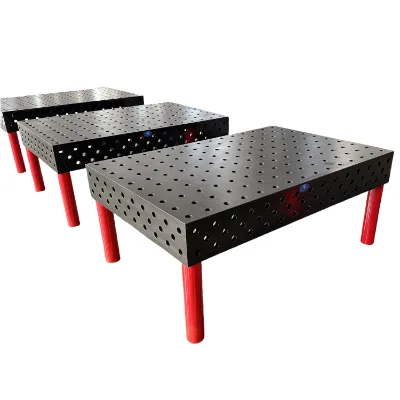
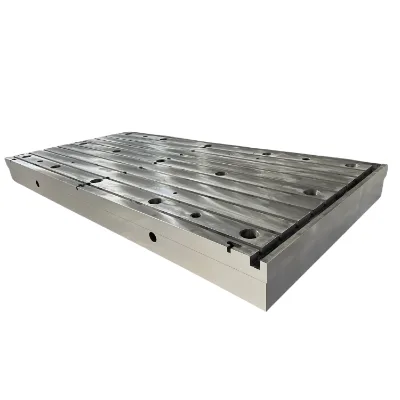
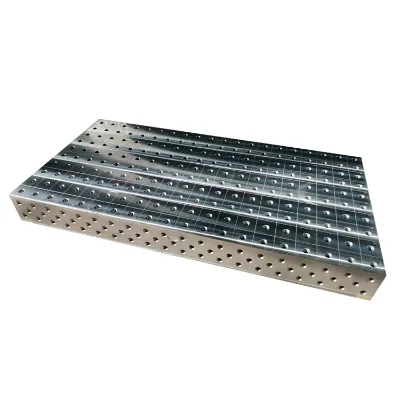
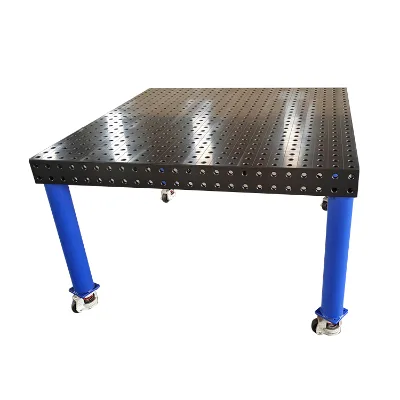
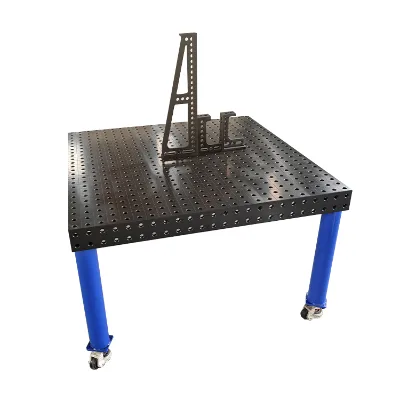
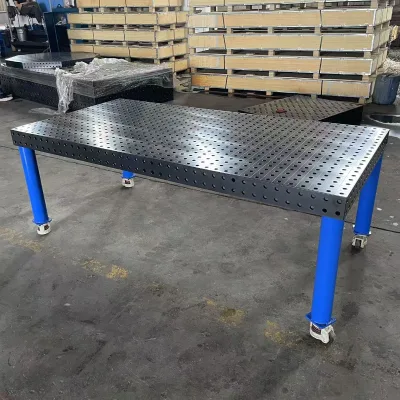
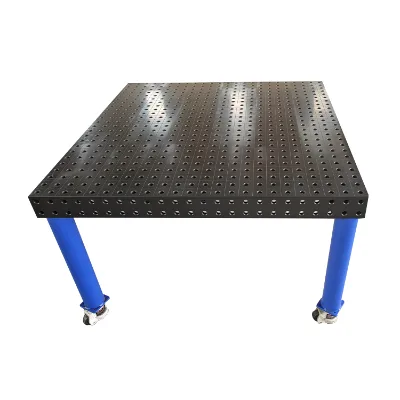
The core keyword "Nitrided Treatment Magnetic Welding Platform" points to a specialized class of industrial workholding equipment designed for precision welding and soldering operations. The defining characteristic of this equipment is the surface treatment process known as nitriding, which is explicitly observed in the product attributes provided. This process is critical for enhancing the surface hardness and wear resistance of the platform, ensuring that the equipment maintains dimensional stability under the thermal stress of repeated welding cycles. The materials identified for these platforms are a combination of cast iron and steel, a standard choice that balances rigidity with the ability to absorb vibration. The structural design is typically a platform type, offering a broad, flat surface for securing workpieces.
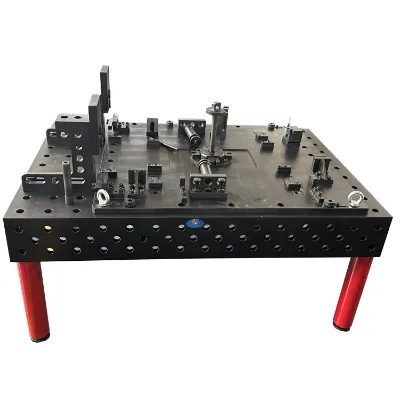
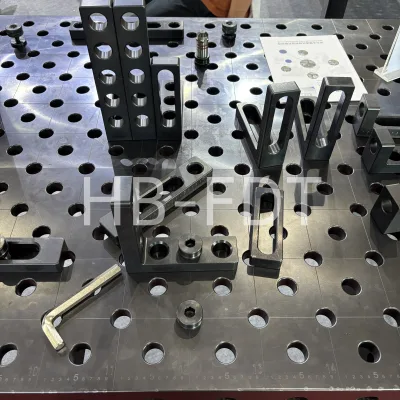
The magnetic aspect of the keyword suggests an integration of magnetic holding capabilities, although the specific magnetic specifications in the provided data list "Industrial Magnet" as an application rather than a definitive component spec for every unit. Buyers must verify the magnetic strength and configuration during the supplier evaluation phase. The platforms often feature a specific hole pattern, with observed hole diameters of D28mm and D16mm, and hole distances of 50mm or 100mm. These standardized hole sizes facilitate the use of various clamps and fixtures, which are listed as standard accessories. The height of the platform is observed to be around 200mm, providing a stable base while allowing for ergonomic access. The weight of these units varies significantly, ranging from 200kg to 4000kg, indicating that the sourcing strategy must account for logistics and floor load capacity based on the specific model selected.
Compliance, Certification, and Standard Verification
When sourcing industrial machinery, verifying compliance with international and regional standards is paramount. The provided data indicates that products in this category often carry the CE certification, a mandatory conformity mark for products sold within the European Economic Area. This certification suggests that the manufacturer claims adherence to health, safety, and environmental protection standards. However, buyers should not assume that every unit listed meets this standard without explicit verification on the purchase order or the technical data sheet. The data also references a standard dimension of 24001200200, which likely refers to a specific model size rather than a universal industry standard. Another reference to a standard of 2400mm*3600mm suggests that large-format platforms are available, but these dimensions must be treated as specific product configurations rather than general norms.
Buyers must also scrutinize the origin of the product. The data points to "Hebei Botou" and "Hebei, China" as the places of origin. This region is a known manufacturing hub for heavy machinery and welding equipment in China. While the origin is a fact, it does not inherently dictate quality; rather, it informs the buyer about the supply chain geography. The warranty period observed is one year, which serves as a baseline for after-sales support expectations. When evaluating compliance, the buyer should request the specific test reports that validate the CE marking and confirm the nitriding process parameters. The absence of other specific certification names in the data means that buyers must actively inquire about ISO certifications or other industry-specific accreditations relevant to their local market regulations.
Cost Drivers and Pricing Dynamics in the Welding Platform Market
The pricing landscape for nitrided magnetic welding platforms is highly variable, driven by the interplay of material costs, surface treatment complexity, and customization requirements. The observed price range in the market spans from $7.9 to $35,000 USD. This vast disparity indicates that the keyword covers a spectrum of products, from small, basic soldering stations to massive, heavy-duty industrial welding tables. The lower end of the price spectrum likely corresponds to smaller units with minimal customization, while the upper end reflects large-scale platforms with advanced features, such as CNC control modes or specialized magnetic systems.
Material composition is a primary cost driver. The use of cast iron and steel is standard, but the grade of the steel and the quality of the cast iron can significantly impact the final price. The nitriding treatment itself adds a layer of cost, as it requires specialized equipment and time to achieve the desired hardness. Customization is a major factor in price determination; the data confirms that sizes are "Customised" and that the product model can vary (e.g., BY-50CA, 3Dx 1200x2400). Buyers seeking non-standard dimensions or specific hole patterns will incur higher costs compared to those purchasing standard off-the-shelf models. Additionally, the weight of the unit, ranging up to 4000kg, influences shipping and packaging costs. The packing method, observed as "Wooden Box," "Plywood Case," or "Plywood Wooden Case," adds to the overall landed cost, especially for international shipments where heavy wooden crates are required to prevent damage during transit.
Typical Applications and Operational Capabilities
The primary application for these platforms is welding and soldering, as explicitly stated in the product attributes. The nitrided surface provides a durable work area that resists the spatter and heat generated during these processes. The magnetic feature, referenced in the application data, suggests suitability for holding ferromagnetic workpieces, which streamlines the setup process for repetitive welding tasks. The platforms are designed for industrial use, with a specific mention of "Industrial Magnet" applications, implying they may be used in environments where magnetic separation or holding is critical.
The versatility of these platforms is enhanced by their adjustable features. Some models are associated with welding positioners and tilters, with tilting angles ranging from 0 to 90 degrees. This capability allows operators to position the workpiece in the optimal orientation for welding, reducing fatigue and improving weld quality. The control mode is listed as CNC, indicating that some advanced models offer computerized control for precise movement and positioning. The maximum temperature rating is listed as 0, which likely refers to a specific sensor reading or a data entry anomaly, but in practice, these platforms are designed to withstand the heat of welding. The usage scenarios extend to general industrial fabrication, where the robust cast iron and steel construction ensures longevity. The inclusion of clamps as accessories further broadens the application scope, allowing for the secure fixation of various workpiece geometries.
Supplier Evaluation and Origin Analysis
Evaluating suppliers for nitrided magnetic welding platforms requires a focus on their manufacturing capabilities and geographic location. The data identifies "Hebei Botou" and "Hebei, China" as the primary places of origin. This concentration of manufacturing in Hebei suggests a mature supply chain with specialized expertise in heavy machinery. Buyers should verify the specific factory location within this region to assess the supplier's capacity and logistics. The brand "CHAODE" is mentioned in the data, serving as an example of a manufacturer in this space, but buyers should not limit their search to this single name. Instead, they should evaluate multiple suppliers based on their technical documentation and past performance.
The minimum order quantity (MOQ) is observed to be 1 set, which is favorable for buyers looking to test the market or procure small batches. However, the customization aspect means that lead times may vary significantly depending on the complexity of the order. Suppliers offering standard models may have shorter lead times, while those producing custom-sized platforms with specific nitriding requirements will require more time. Buyers should also assess the supplier's ability to provide the "Wooden Box" or "Plywood Case" packing required for safe transport. The presence of a one-year warranty is a positive indicator of supplier confidence, but the terms of this warranty should be clearly defined in the contract. When evaluating suppliers, buyers should request references from other industrial clients who have used similar nitrided platforms to validate the supplier's claims regarding durability and performance.
Quality Control and Long-Term Procurement Considerations
Quality control for nitrided welding platforms must focus on the integrity of the surface treatment and the dimensional accuracy of the hole patterns. The nitriding process must be verified to ensure that the hardness processing meets the required specifications for wear resistance. Buyers should request metallurgical reports that confirm the depth and uniformity of the nitride layer. The hole diameter and distance specifications (D28/D16 and 50mm/100mm) must be checked against the actual product to ensure compatibility with standard clamping systems. Any deviation in these dimensions can lead to significant operational issues during welding.
Long-term procurement considerations include the availability of spare parts and the durability of the platform under continuous use. The weight range of 200kg to 4000kg suggests that these platforms are built for heavy-duty environments, but the structural integrity must be maintained over time. The "New" condition of the products listed indicates that buyers should expect fresh inventory, but they must also consider the aging of the nitrided surface over years of operation. The warranty period of one year provides a baseline for protection against manufacturing defects, but buyers should consider the total cost of ownership, including maintenance and potential downtime. Packaging in wooden cases is essential for protecting the nitrided surface during shipping, and buyers should ensure that the packing specifications are strictly followed to prevent damage. Finally, the customization options allow for future scalability, but buyers should plan for the potential need to upgrade or expand their welding stations as their production requirements evolve.
Comparative Analysis of Platform Specifications
To assist buyers in making informed decisions, the following table summarizes the key specifications observed in the market for nitrided magnetic welding platforms. This comparison highlights the variability in dimensions, materials, and features that buyers must consider.
| Specification Category | Observed Range / Value | Notes for Verification |
|---|---|---|
| Material | Cast Iron / Steel | Verify grade of steel and cast iron quality. |
| Surface Treatment | Nitriding (Hardness Processing) | Request metallurgical reports for hardness depth. |
| Platform Height | 200mm | Check for ergonomic suitability. |
| Hole Diameter | D28mm / D16mm | Ensure compatibility with standard clamps. |
| Hole Distance | 50mm / 100mm | Verify pattern consistency across the surface. |
| Dimensions | 10002000mm to 24003600mm | Custom sizes available; confirm exact footprint. |
| Weight | 200kg to 4000kg | Assess floor load capacity requirements. |
| Control Mode | CNC (on some models) | Verify software compatibility and interface. |
| Tilting Angle | 0-90° | Check for smooth operation and locking mechanisms. |
| Certification | CE (observed) | Confirm validity and scope of certification. |
| Warranty | 1 Year | Review terms for coverage and exclusions. |
| Origin | Hebei, China | Verify factory location and capacity. |
This table serves as a checklist for buyers to ensure that all critical parameters are addressed during the sourcing process. By systematically verifying these attributes, buyers can mitigate risks associated with product mismatch and ensure that the selected welding platform meets their specific operational needs. The diversity in specifications underscores the importance of detailed communication with suppliers to align product capabilities with project requirements.
FAQs
What material is used for the Nitrided Treatment Magnetic Welding Platform?
The platform is constructed from cast iron and steel to ensure rigidity and vibration absorption. This material combination supports the nitriding process which enhances surface hardness and wear resistance for repeated welding cycles.
How is the surface hardness processed on the welding table?
The surface undergoes nitriding treatment to increase hardness and durability against welding spatter. This process ensures dimensional stability under thermal stress while maintaining a flat working surface for precision operations.
Which hole diameters are available for clamping fixtures on the table?
Standard hole diameters include D28mm and D16mm to accommodate various clamping accessories. These sizes allow for flexible workpiece positioning using standard clamps and fixtures compatible with the 50mm or 100mm hole distances.
Can the platform size be customized to specific project requirements?
Yes, the platform sizes are customized to meet specific project needs rather than being fixed. Buyers can request dimensions such as 2400*1200mm or other custom configurations while maintaining the standard 200mm height and material composition.
What certification does the nitrided welding platform typically carry?
The product typically carries CE certification indicating compliance with European safety and environmental standards. Buyers should verify specific test reports to confirm the certification applies to the exact unit ordered.
How much does a Nitrided Treatment Magnetic Welding Platform weigh?
The weight ranges from 200kg to 4000kg depending on the specific model and size selected. This variation requires careful planning for floor load capacity and logistics when shipping the heavy wooden packed units.
What is the warranty period for the new welding platform?
The standard warranty period provided is one year for the new equipment. This coverage protects against manufacturing defects, though specific terms should be confirmed in the purchase contract for each supplier.