Source Nissan Junior Ball Joint for Steering, Suspension, and Repair
Find 30 listings for the nissan junior ball joint suitable for steering and suspension repair. Compare steel and stainless options with OE numbers like 40160-EL000. Verify ISO certifications and 1-year warranty details for reliable sourcing; compare the available evidence and request quotations based on your requirements.
Key considerations
Products List
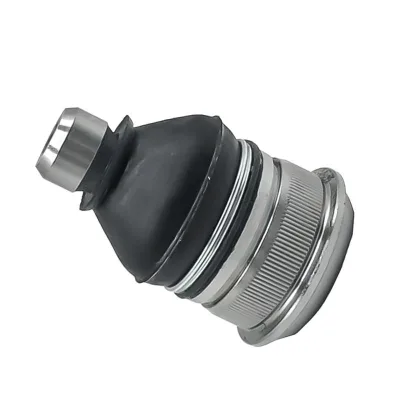
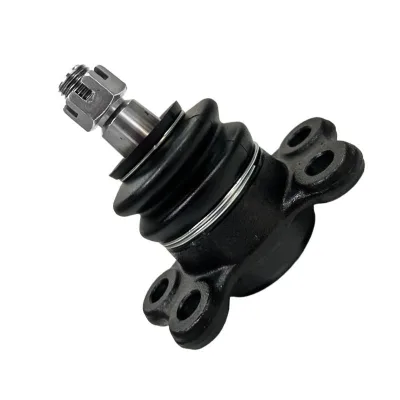


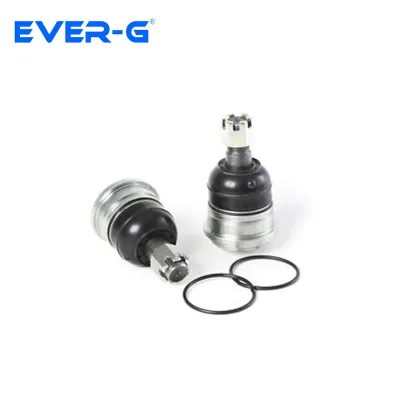
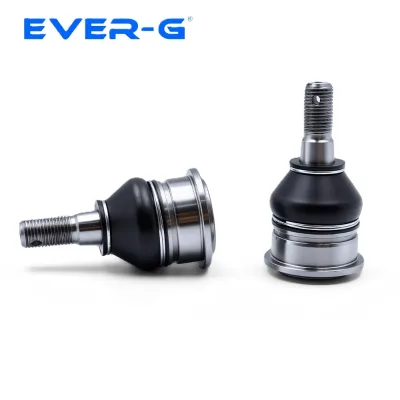


Comprehensive Sourcing Guide
Nissan Junior Ball Joint Sourcing Guide
Procuring replacement suspension components for Nissan vehicles requires a disciplined approach to part identification and supplier verification. The Nissan Junior, often associated with light commercial utility platforms, relies on robust ball joints to maintain steering geometry and load-bearing stability. Buyers must distinguish between original equipment manufacturer (OEM) specifications and aftermarket equivalents to ensure compatibility. This guide outlines the critical steps for sourcing these components, focusing on technical accuracy, commercial terms, and quality assurance protocols that protect operational continuity.
Successful sourcing begins with recognizing that ball joints are critical safety components subject to wear and tear. The market offers various configurations, including right and left positions, which must match the specific axle requirements of the vehicle. Buyers should prioritize suppliers who provide clear OE number cross-references and detailed material specifications. Understanding the distinction between front and rear applications, as well as automatic versus manual transmission variants, is essential for preventing installation errors and ensuring the longevity of the suspension system.
Product Scope and Observed Listing Signals
Market listings for Nissan Junior ball joints typically indicate a new condition with a standard warranty period, often cited as one year or thirty thousand kilometers. The observed price range in USD spans from one to fifty-five dollars, reflecting variations in material quality, packaging, and supplier margins. Minimum order quantities (MOQ) generally range from five to two hundred pieces, allowing for both small-scale repair shop orders and larger fleet maintenance contracts. Buyers should note that some listings specify an MOQ of one hundred pieces, which may influence inventory planning for smaller distributors.
The product scope includes various OE numbers such as 40160-EL000, 40110-T3060, and 6Q0-407-366A, indicating compatibility with multiple Nissan models and potentially cross-compatible platforms. Materials observed in listings include steel and stainless steel, with some variants specifying carbon components, though steel remains the dominant material for durability. Colors are typically black or silver, and packaging varies from neutral bags to cartons and wooden packages. Buyers must verify that the listed OE numbers precisely match their vehicle’s service manual to avoid fitment issues.
Technical Specifications to Verify
Technical verification starts with confirming the exact OE number and part model, such as ZM-P1104 or ZM-F1157F, which correspond to specific vehicle configurations. The position of the ball joint, whether front, rear, left, or right, is a critical specification that must align with the intended installation point. Buyers should also check the weight specifications, which range from 0.35 kg to 0.75 kg, as this can indicate the density and quality of the steel used. Ensuring the part is designed for automatic transmission vehicles, if applicable, is another key technical detail to confirm.
Material composition is a primary factor in performance, with steel being the standard for strength and wear resistance. Some listings mention stainless steel or carbon materials, which may offer specific advantages in corrosion resistance or weight reduction, though these are less common. The standard condition is listed as new, and the purpose is explicitly for replacement or repair. Buyers should request material test reports or mill certificates to verify the grade of steel used, ensuring it meets the mechanical stress requirements of the Nissan Junior’s suspension system.
Compliance and Safety Documentation
Compliance with international standards is essential for automotive parts, with ISO certification frequently cited in supplier listings. Buyers should verify that the supplier holds valid ISO certification, which indicates adherence to quality management systems. However, certification alone does not guarantee product safety; buyers must also request specific test reports for tensile strength, fatigue resistance, and corrosion protection. These documents provide evidence that the ball joints can withstand the operational stresses of commercial vehicle use.
Safety documentation should also include material safety data sheets (MSDS) if the manufacturing process involves hazardous substances, though this is less common for simple steel components. Buyers should ensure that the supplier provides a clear warranty policy, typically one year or thirty thousand kilometers, which covers defects in material and workmanship. Understanding the terms of the warranty, including exclusions for improper installation or misuse, is crucial for managing risk. Buyers should also confirm that the parts meet any local regulatory requirements for automotive safety in their target market.
Cost Drivers and Commercial Terms
Cost drivers for Nissan Junior ball joints include material costs, manufacturing complexity, and packaging requirements. Steel prices fluctuate, directly impacting the final cost of the component. Packaging options, ranging from neutral bags to wooden crates, add to the logistical costs and must be factored into the total landed cost. Buyers should also consider the impact of minimum order quantities on pricing, as larger orders may secure better unit prices but increase inventory holding costs.
Commercial terms typically include payment methods such as T/T or LC, with lead times often cited as sixty days. Buyers should negotiate clear payment terms and delivery schedules to avoid cash flow disruptions. Shipping methods, including sea, air, or express, affect both cost and delivery speed. For urgent repairs, air freight may be necessary despite higher costs, while bulk orders can utilize sea freight for cost efficiency. Buyers should also clarify who bears the risk of loss during transit and ensure that insurance coverage is adequate for high-value shipments.
Supplier Qualification and Quality Control
Supplier qualification involves verifying the manufacturer’s production capabilities and quality control processes. Buyers should request evidence of consistent production quality, such as batch testing records or third-party inspection reports. Customization availability is noted in some listings, indicating that suppliers may offer tailored solutions for specific fleet requirements. Buyers should assess the supplier’s ability to maintain consistent quality across large orders, as variations in manufacturing can lead to premature failure of suspension components.
Quality control checks should include visual inspections for surface defects, dimensional accuracy, and proper packaging to prevent damage during transit. Buyers should also verify that the supplier has a robust traceability system, allowing them to track each batch back to its production date and raw material source. This traceability is crucial for managing recalls or addressing quality issues. Buyers should consider conducting factory audits or hiring third-party inspection services to verify the supplier’s claims and ensure that their quality standards align with their operational requirements.
Long-Term Procurement Checks
Long-term procurement success depends on establishing a reliable supply chain and maintaining ongoing supplier relationships. Buyers should monitor supplier performance metrics, such as on-time delivery rates and defect rates, to identify potential issues early. Regular communication with suppliers can help address any changes in product specifications or availability. Buyers should also stay informed about industry trends and technological advancements in suspension components to ensure they are sourcing the most effective and durable parts.
Continuous improvement in procurement processes involves reviewing and updating supplier qualification criteria based on performance data. Buyers should also consider diversifying their supplier base to mitigate risks associated with single-source dependencies. Regularly reviewing contract terms and pricing agreements can help ensure that the procurement strategy remains competitive and aligned with business objectives. By maintaining a proactive approach to supplier management, buyers can ensure a steady supply of high-quality Nissan Junior ball joints for their operations.
FAQs
What OE numbers are compatible with Nissan ball joints?
Compatible OE numbers include 40160-EL000, 40110-T3060, 6Q0-407-366A, 6Q0-407-365A, 1016011, 43330-09230, 40160ED000, 40160en001, 40160ED00A, 54500ED00A, 40160VW000, 4016001n25, 4016055g90, 40160-0W025, 401602s601, and 40110-2S485. These codes ensure proper fitment for replacement and repair tasks across various Nissan models.
Can I customize Nissan ball joints for specific requirements?
Yes, customization is available for these ball joints. Buyers can request specific modifications to meet unique operational needs. The products are designed for replacement and repair purposes, ensuring that customized units maintain the necessary structural integrity and performance standards required for automotive suspension systems.
What is the warranty period for these ball joints?
The warranty period is one year or 30,000 kilometers, whichever comes first. This coverage applies to new condition items manufactured in Beijing, China. Buyers should retain proof of purchase to validate warranty claims, ensuring protection against manufacturing defects within the specified mileage or time limits.
Which certifications do these ball joints hold?
These ball joints hold ISO certification, indicating adherence to international quality management standards. The products are manufactured using steel or stainless steel materials, ensuring durability and reliability. The ISO certification provides assurance of consistent quality control throughout the production process for automotive replacement parts.
What is the typical lead time for orders?
The typical lead time for orders is sixty days. This duration allows for production, quality inspection, and preparation for shipment. Buyers should plan their inventory accordingly to avoid delays, as this timeframe ensures that each unit meets the required specifications before being dispatched via sea, air, or express methods.
How are these ball joints packaged for shipment?
Packaging options include neutral package bags, cartons, and wooden packages. The choice depends on the order size and shipping method. Neutral packaging helps maintain brand neutrality, while wooden packages offer enhanced protection for bulk shipments. This flexibility ensures safe delivery regardless of the transportation mode selected by the buyer.