Source Nissan PF6T Radiator for Trucks, Navara, Safari Replacements
Buyers can review 30 Nissan PF6T Radiator listings covering aluminum tube-fin cores, core and tank sizes, MOQ, and delivery terms. Compare specifications, packaging options, and customization availability before requesting quotes from suppliers.
Key considerations
Products List
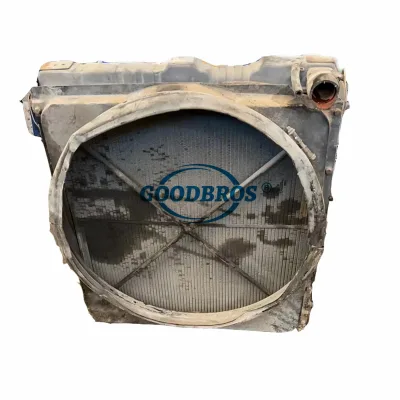


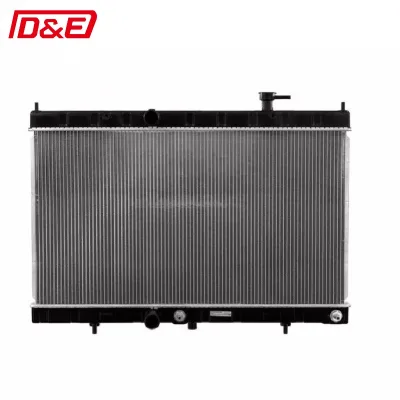
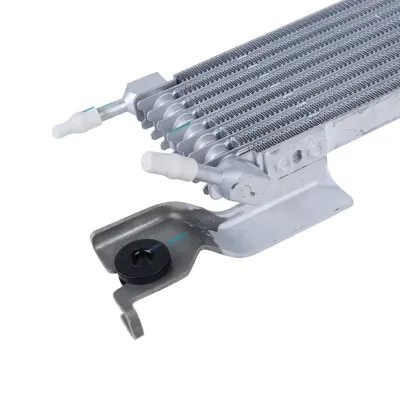

Original Auto Radiator Assy for Nissan Spare Parts Wholesale 21410-6RS0a
$70.59 - $76.47
MOQ: 5 Pieces


Comprehensive Sourcing Guide
Nissan PF6T Radiator Sourcing Guide
Sourcing replacement cooling components for commercial and heavy-duty vehicles requires a disciplined approach to technical verification and supplier evaluation. The Nissan PF6T Radiator represents a critical thermal management component, designed to maintain optimal engine operating temperatures under varying load conditions. Buyers must navigate a market characterized by diverse manufacturing origins and varying quality tiers, ensuring that the selected unit matches the specific mechanical and thermal requirements of the target vehicle platform. This guide provides a structured framework for evaluating listings, verifying technical specifications, and establishing commercial terms that mitigate procurement risk.
The procurement process begins with a clear understanding of the product’s scope and the signals present in current market listings. By analyzing observed data points such as price ranges, minimum order quantities (MOQ), and delivery timelines, buyers can gauge market maturity and supplier reliability. This guide focuses on evidence-based decision-making, utilizing observed listing signals and trusted category knowledge to help procurement teams identify viable suppliers without relying on unverified claims. The objective is to build a sourcing strategy that balances cost efficiency with the rigorous quality standards required for automotive cooling systems.
Product Scope and Observed Listing Signals
The current market for Nissan PF6T radiators exhibits a wide variance in pricing and supply conditions, reflecting the diversity of available product tiers. Observed listing data indicates a price range spanning from 15 to 900 USD, a spread that suggests significant differences in material quality, manufacturing processes, and brand positioning. Buyers must interpret this range not as a simple cost comparison but as an indicator of product differentiation. Lower-priced items may correspond to basic replacement units with standard materials, while higher-priced options likely involve enhanced durability features, specialized packaging, or certified manufacturing processes. Understanding this spectrum is essential for aligning procurement budgets with operational needs.
Minimum order quantities (MOQ) and delivery timelines further define the commercial landscape for these components. Data shows an MOQ range of 1 to 50 sets, indicating that suppliers cater to both individual repair shops and larger fleet maintenance operations. A low MOQ of 1 set suggests flexibility for spot purchases or emergency replacements, whereas higher MOQs may offer economies of scale for bulk procurement. Additionally, observed delivery times of 1-3 working days highlight the importance of logistics efficiency in maintaining vehicle uptime. Buyers should verify these lead times with specific suppliers, as actual performance may vary based on stock availability and shipping methods, ensuring that procurement plans do not inadvertently delay vehicle maintenance schedules.
Technical Specifications to Verify
Technical verification is the cornerstone of successful radiator procurement, as even minor dimensional discrepancies can lead to installation failures or cooling inefficiencies. Key specifications to validate include core dimensions, tank sizes, and material composition. For instance, observed data points to core sizes such as PA 60068816/26 and PA 63055836, alongside tank sizes like 47/47713 and 52/52591. These precise measurements must be cross-referenced with the vehicle’s existing mounting points and hose connections. Buyers should request detailed technical drawings or CAD files from suppliers to confirm that the radiator’s physical footprint matches the original equipment manufacturer (OEM) specifications exactly.
Material selection and internal structure also play critical roles in performance and longevity. The body material is often specified as aluminum, with some listings noting an aluminum core and aluminum tank construction, which offers advantages in weight and corrosion resistance. The radiator type is typically described as direct-flow, and the core structure as tube-fin, which influences heat dissipation efficiency. Additionally, the structure may be classified as open or sealed type, affecting the system’s pressure handling capabilities. Buyers must verify these attributes against the vehicle’s cooling system requirements, ensuring that the chosen radiator can handle the specific thermal loads and pressure ratings of the Nissan PF6T engine.
Compliance and Safety Documentation
Compliance with international standards is essential for ensuring the safety and reliability of automotive components. While specific certification statuses can vary by supplier, buyers should prioritize vendors who can provide documentation demonstrating adherence to recognized quality management systems. The presence of ISO certifications, such as ISO 9001, indicates a supplier’s commitment to consistent manufacturing processes and quality control. Additionally, regional compliance marks, such as CE marking for European markets, may be relevant depending on the destination of the final product. Buyers should request copies of these certificates and verify their validity through the issuing bodies to ensure that the supplier maintains current and authentic credentials.
Safety documentation extends beyond certifications to include material safety data sheets (MSDS) and testing reports. These documents provide insights into the chemical composition of cooling fluids and the structural integrity of the radiator under stress. For example, cooling fluid types may include alcohol or glycerin-based solutions, each with specific safety and handling requirements. Buyers should ensure that suppliers provide clear information on the compatibility of the radiator with various cooling fluids, including brands like Mobil, to prevent chemical degradation or leakage. Verifying these details helps mitigate risks associated with improper fluid selection and ensures that the component meets all relevant safety regulations.
Cost Drivers and Commercial Terms
Understanding the factors that influence pricing is crucial for negotiating favorable commercial terms. Material costs, particularly for aluminum, are a primary driver of the final price, as are the complexities of manufacturing processes such as brazing and welding. Suppliers with higher supply abilities, such as 500 sets per month, may offer more competitive pricing due to economies of scale. However, buyers should also consider the total cost of ownership, which includes shipping, packaging, and potential warranty claims. Neutral carton packaging or wooden case packing can affect shipping costs and product protection, so these details should be factored into the overall cost analysis.
Payment terms and warranty policies are equally important in shaping the commercial relationship. Buyers should seek clarity on payment methods, such as letters of credit or advance payments, and negotiate terms that align with their cash flow cycles. Warranty coverage should be explicitly defined, including the duration and scope of protection against defects. Additionally, buyers should inquire about the supplier’s return and replacement policies in case of non-conforming products. Establishing these terms upfront helps prevent disputes and ensures that both parties have a clear understanding of their responsibilities, fostering a more stable and productive procurement partnership.
Supplier Qualification and Quality Control
Supplier qualification involves a thorough assessment of the vendor’s manufacturing capabilities and quality assurance processes. Buyers should evaluate the supplier’s production facilities, including their equipment, workforce expertise, and quality control protocols. Factories located in regions like Henan, China, may have established supply chains and logistical advantages, but buyers must verify that these locations meet their specific quality standards. Requesting factory audits or third-party inspection reports can provide valuable insights into the supplier’s operational integrity and ability to deliver consistent quality.
Quality control measures should be integrated into the procurement process to ensure that each radiator meets the required specifications. Buyers should implement incoming inspection procedures, checking for dimensional accuracy, material integrity, and functional performance. Sampling plans can be used to test a subset of orders for defects, allowing for early detection of quality issues. Additionally, establishing a feedback loop with the supplier for continuous improvement helps address recurring problems and enhances overall product reliability. By prioritizing rigorous quality control, buyers can minimize the risk of receiving substandard components and maintain high standards of vehicle performance.
Long-Term Procurement Checks
Long-term procurement success depends on regular performance reviews and relationship management with suppliers. Buyers should establish key performance indicators (KPIs) to track supplier performance over time, including metrics such as on-time delivery, defect rates, and responsiveness to issues. Regular audits and performance reviews help identify areas for improvement and ensure that suppliers continue to meet evolving business needs. Building a collaborative relationship with suppliers can lead to better pricing, priority treatment during supply shortages, and access to new product innovations.
Continuous monitoring of market trends and technological advancements is also essential for staying competitive. Buyers should stay informed about changes in material science, manufacturing techniques, and regulatory requirements that may impact radiator performance and compliance. Engaging with industry networks and attending trade shows can provide opportunities to discover new suppliers and evaluate emerging technologies. By maintaining a proactive approach to procurement, buyers can ensure that their sourcing strategies remain aligned with business objectives and contribute to long-term operational efficiency and cost savings.
FAQs
What vehicle models does this Nissan PF6T Radiator fit?
This radiator is listed for the Nissan PF6T application, with variants matched to Nissan Navara 05 MT and Nissan Safari 07 MT models. Always confirm the core size and tank size against your existing unit before ordering, since core dimensions such as PA 600*688*16/26 or PA 630*558*36 differ by model and model year.
What is the minimum order quantity for the PF6T radiator?
The listed minimum order quantity is 1 set, and selling units are single items. This makes trial orders and small replacement purchases practical. Larger wholesale quantities may be arranged directly with the supplier, and the listed supply ability is around 500 sets per month for this model.
How fast can the radiator be delivered after ordering?
Delivery is listed at 1-3 working days, with dispatch possible from any China port. Actual transit time depends on your destination and chosen shipping method. Radiators ship in neutral carton packaging, wooden cases, or packaging arranged according to customer requirements, so confirm the packing option when placing your order.
Can the PF6T radiator be customized for specific requirements?
Yes, customization is available for this radiator. Buyers can typically specify packaging preferences, since neutral carton, wooden case, and customer-specific packing options are all offered. For technical modifications to core size or materials, discuss feasibility with the supplier and confirm details in writing before production begins.
What materials and construction does the radiator use?
The radiator uses an aluminum body, with some variants built with an aluminum core and aluminum tank. The core is tube-fin type with direct-flow cooling, and the structure may be open or sealed type depending on the variant. Check the specific model number, such as KJ-15481 or KJ-15206, for exact specifications.
What is the difference between the listed PF6T radiator variants?
Variants differ mainly in core size, tank size, and carton dimensions. For example, one unit has a PA 600*688*16/26 core with a 47/47*713 tank for the Nissan Navara 05 MT, while another has a PA 630*558*36 core with a 52/52*591 tank for the Nissan Safari 07 MT. Match these measurements to your vehicle before purchase.
Which cooling system details should buyers confirm before ordering?
Confirm the cooling fluid type, since listed variants use either alcohol or glycerin, and check the water temperature sensor type, which may be digital or switch type depending on the unit. Also verify the radiator is water-cooled and that the core size and tank size match your original part to ensure proper fitment.
How should the radiator be packed for shipping?
Standard packing options include neutral carton packaging, wooden cases, or packing according to customer requirements, with wooden packing also listed. For example, one variant ships in a carton sized 875*130*745 and another in 700*125*805. Wooden cases offer stronger protection for long-distance freight, so select the option that suits your shipping route.