Source Nitrile Coated Seamless Work Gloves for Gardening Cleaning Construction
Find 30 listings of Nitrile Coated Seamless Work Gloves featuring thickened designs, anti-static functions, and custom logos. Buyers can compare specifications, MOQs, and certifications like EN388 from suppliers in China for gardening, cleaning, and construction tasks.
Key considerations
Products List


Nitrile Coating Hand Protection Chemical Resistant Nitrile Coated Work Gloves
$0.10 - $0.11
MOQ: 100 Pairs


Seamless Nylon Polyester Safety Work Gloves with Nitrile Coating,smooth finish
$0.18 - $0.22
MOQ: 6000 Pairs


$16.00 - $21.00
MOQ: 500 Boxes
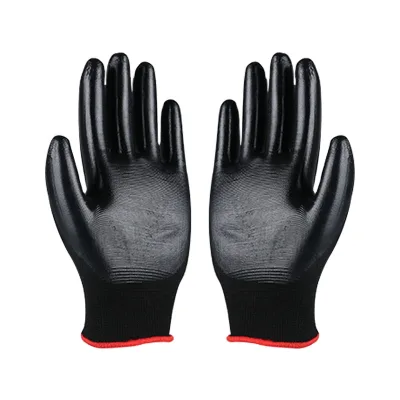
Comprehensive Sourcing Guide
Strategic Sourcing Guide for Nitrile Coated Seamless Work Gloves
The global demand for protective handwear has intensified as industrial sectors prioritize worker safety and operational efficiency. Among the various categories of protective gear, Nitrile Coated Seamless Work Gloves have emerged as a critical solution for tasks requiring dexterity, grip, and chemical resistance. Sourcing these gloves requires a nuanced understanding of material composition, manufacturing standards, and supply chain logistics. This guide provides a comprehensive framework for procurement professionals to evaluate suppliers, verify product specifications, and mitigate risks associated with the acquisition of high-performance nitrile gloves.
Technical Specifications and Material Composition
Understanding the technical architecture of nitrile coated seamless gloves is the first step in defining procurement requirements. The core of these gloves typically involves a seamless knitted liner, often constructed from materials such as nylon or spandex, which provides elasticity and a snug fit. The outer layer consists of a nitrile coating, which is the primary functional component. According to available product data, the outer material is explicitly identified as 100% Nitrile, ensuring specific chemical and abrasion resistance properties.
The thickness of the coating is a significant variable. Sourcing documents frequently reference "thickened" specifications, which generally correlate with enhanced durability and protection against punctures and cuts. However, buyers must verify the exact micron thickness, as this directly impacts tactile sensitivity. The gloves are often available in various sizes, ranging from Small (S) to Extra Large (XL), with specific models like GLY-03 and GLY-7-07 indicating distinct sizing or feature sets. The cuff design is another critical technical aspect; "tight" cuffs are observed in several listings, designed to prevent debris entry and ensure the glove stays securely on the hand during vigorous movement.
Weight is another observable specification, with data points indicating a range between 32g and 40g per pair. This weight variance can influence user fatigue over long shifts. Furthermore, the texture of the coating is a key performance indicator. Features such as "textured grip" and "slide resistance" are essential for handling oily or wet objects. Some product lines also incorporate additional reinforcement, such as TPR backs with HPPE or glass fiber, to enhance cut resistance beyond the standard nitrile properties.
Compliance, Certification, and Safety Standards
In the B2B procurement of safety equipment, compliance with international standards is non-negotiable. Buyers must verify that suppliers possess valid certifications that align with the specific hazards of the intended work environment. The provided data highlights several critical certifications, including EN 420 and EN 388:2016. EN 420 covers general requirements for protective gloves, including sizing, labeling, and ergonomics, while EN 388:2016 specifically addresses mechanical risks such as abrasion, cut, tear, and puncture resistance.
Additionally, ISO 9001 certification is frequently cited, indicating that the manufacturer adheres to a quality management system. This certification is a strong indicator of consistent production processes and quality control. Some listings also mention CE certificates referencing EN 388 and EN 420, which are mandatory for products sold within the European Economic Area. It is crucial for buyers to request current test reports rather than relying solely on the presence of a certification logo on a product page.
While some background knowledge suggests standards like OEKO-TEX, these should not be assumed without explicit verification from the supplier. The primary focus should remain on the mechanical and chemical safety standards relevant to the specific industry, such as construction, gardening, or electrical appliance handling. Buyers should ensure that the "Content: 100% Nitrile" claim is backed by material safety data sheets (MSDS) to confirm the absence of harmful substances that could cause allergic reactions or skin irritation.
Cost Drivers and Pricing Dynamics
The pricing of nitrile coated seamless gloves is influenced by a complex interplay of material costs, labor, and order volume. The observed price range in the market spans from $0.10 to $21.00 USD per unit, a variance that reflects differences in quality, coating thickness, and customization levels. The lower end of this spectrum typically corresponds to standard, non-customized gloves with basic specifications, while the higher end may include specialized features like enhanced cut resistance, custom branding, or premium packaging.
Order Volume is a primary driver of unit cost. The Minimum Order Quantity (MOQ) ranges significantly, from 100 units to 24,000 units. Suppliers often offer tiered pricing structures where the unit cost decreases as the order volume increases. For instance, an MOQ of 1,200 dozen (14,400 pairs) suggests a bulk purchasing scenario with optimized logistics. Buyers must balance their inventory needs against cash flow constraints, as ordering above the MOQ can secure better pricing but may increase storage costs.
Customization is another significant cost factor. Options such as custom logos, specific cuff colors, and tailored packaging (e.g., 12 pairs per polybag, 240 pairs per carton) incur additional setup and production costs. The "Customized Accept" attribute indicates flexibility, but buyers should be prepared for potential price premiums and longer lead times associated with bespoke orders. Payment terms, typically structured as a 30% deposit and 70% balance before shipment, also impact the financial planning of the procurement cycle.
Typical Applications and Usage Scenarios
Nitrile coated seamless gloves are versatile and suitable for a wide array of industrial and commercial applications. The observed usage categories include gardening, household electrical appliance handling, cleaning, pet care, construction, and general work protection. The material properties of nitrile make it particularly effective in environments where oil, grease, and chemical resistance are required, distinguishing it from latex or vinyl alternatives.
In the gardening sector, the gloves provide protection against thorns, soil, and moisture, with the "tight" cuff design preventing dirt from entering the glove. For electrical appliance handling, the anti-static properties are crucial to prevent static discharge that could damage sensitive components. The "anti-scratch" and "heat insulation" functions are vital for construction and general maintenance tasks where sharp edges and hot surfaces are common.
The versatility of these gloves is further enhanced by their ability to be customized for specific tasks. For example, a textured grip is ideal for handling slippery objects in wet cleaning environments, while a thicker coating offers superior protection in heavy-duty construction. The "Non-Disposable" attribute indicates that these gloves are designed for repeated use, making them a cost-effective solution for long-term operations where durability is prioritized over single-use convenience.
Supplier Evaluation and Production Capabilities
Selecting the right supplier requires a thorough evaluation of their production capabilities, location, and logistical readiness. The majority of the observed supply chain originates from China, with specific hubs in Linyi, Shandong, and broader Shandong Province. This region is known for its established textile and glove manufacturing infrastructure. Buyers should verify the factory address and ensure it aligns with the claimed origin to avoid potential middleman markups or quality inconsistencies.
Production capacity is a critical metric. The lead time for delivery is observed to be around 20 days, which is a standard timeframe for manufacturing and shipping. However, this can vary based on order complexity and customization requirements. Suppliers offering "Free Samples" with the client paying shipping costs demonstrate confidence in their product quality and allow buyers to physically inspect the gloves before committing to a large order.
Logistics and trade terms are also essential considerations. Common trade terms include FOB (Free on Board), CFR (Cost and Freight), and CIF (Cost, Insurance, and Freight). Understanding these terms is vital for calculating the total landed cost. Suppliers should be transparent about their packaging standards, such as the 240 pairs per carton configuration, to ensure efficient shipping and storage. Additionally, the ability to handle "OEM/ODM" requests indicates a supplier's flexibility in adapting products to specific buyer requirements.
Quality Control and Long-Term Procurement Strategy
Implementing a robust quality control (QC) strategy is essential to maintain product integrity and worker safety. Buyers should establish clear acceptance criteria based on the technical specifications provided, such as material composition, coating thickness, and certification validity. Regular third-party inspections or on-site audits can help verify that the manufacturer maintains consistent quality standards.
Long-term procurement strategies should focus on building strong relationships with reliable suppliers. This includes negotiating favorable payment terms, securing consistent lead times, and establishing clear communication channels for addressing quality issues. The availability of customization options allows buyers to differentiate their products in the market, but it requires careful management of the design and approval process.
Sustainability and environmental considerations are becoming increasingly important. While specific eco-certifications like OEKO-TEX are not universally confirmed in the provided data, buyers should inquire about the environmental impact of the nitrile coating process and the recyclability of the gloves. Ensuring that the supplier adheres to ethical labor practices and environmental regulations is crucial for maintaining a responsible supply chain.
Comparison of Key Product Attributes
To facilitate decision-making, the following table summarizes the key attributes observed in the market for Nitrile Coated Seamless Work Gloves:
| Attribute Category | Observed Specifications | Procurement Consideration |
|---|---|---|
| Material | 100% Nitrile (Outer), Nylon/Spandex (Liner) | Verify material purity and liner elasticity. |
| Certifications | EN 420, EN 388:2016, ISO 9001, CE | Request valid test reports; do not assume compliance. |
| Packaging | 12 Pairs/Polybag, 240 Pairs/Carton | Confirm carton dimensions for shipping efficiency. |
| Customization | Logo, Cuff Color, OEM/ODM Available | Assess setup costs and minimum order requirements. |
| MOQ | 100 to 24,000 Units | Balance inventory needs with unit cost savings. |
| Lead Time | Approx. 20 Days | Plan production schedules accordingly. |
| Usage | Gardening, Construction, Electrical, Cleaning | Match glove features to specific hazard profiles. |
| Origin | China (Shandong, Linyi) | Verify factory location and logistics capabilities. |
By adhering to these guidelines and leveraging the detailed product data, procurement professionals can make informed decisions that ensure safety, quality, and cost-effectiveness in the acquisition of Nitrile Coated Seamless Work Gloves. The focus must remain on verifying claims through documentation and maintaining a strategic approach to supplier relationships.
FAQs
What certifications do these gloves meet?
These gloves meet EN 420, EN 388:2016, and ISO 9001 standards. Some listings also reference CE certificates for EN 388 and EN 420 compliance, ensuring safety for mechanical risks and general requirements.
How thick are the nitrile coated gloves?
The gloves are specified as thickened to enhance durability and protection. This thickness helps resist punctures and cuts while maintaining dexterity for tasks in gardening, construction, and electrical appliance handling.
What is the minimum order quantity for these gloves?
The minimum order quantity ranges from 100 to 24,000 units depending on the supplier. One specific listing requires a minimum of 1,200 dozen, indicating bulk purchasing is often necessary for optimized pricing.
Can I request custom logos and packaging?
Yes, customization is available for logos, cuff colors, and packaging configurations. Suppliers accept OEM and ODM requests, allowing for tailored options like 12 pairs per polybag or 240 pairs per carton.
Where are these gloves manufactured?
The gloves are manufactured in China, specifically in Linyi, Shandong, and other parts of Shandong Province. Buyers should verify factory addresses to ensure direct sourcing from established textile hubs.
What materials are used in the liner and coating?
The outer material is 100% Nitrile, while the liner consists of Nylon and Spandex. This combination provides elasticity, a snug fit, and resistance to oil, grease, and chemicals for various industrial applications.