Source Non-Slip Indoor Slippers for Home, Office, and Beach
Compare 30 listings of non-slip indoor slippers featuring EVA soles, linen uppers, and customizable options. Buyers can evaluate models like sis112 and sis085 for summer use, quick-drying features, and various sizes ranging from EUR35 to EUR50; compare the available evidence and request quotations based on your requirements.
Updated
Key considerations
Products List


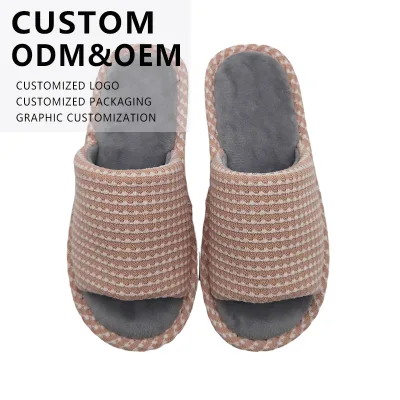
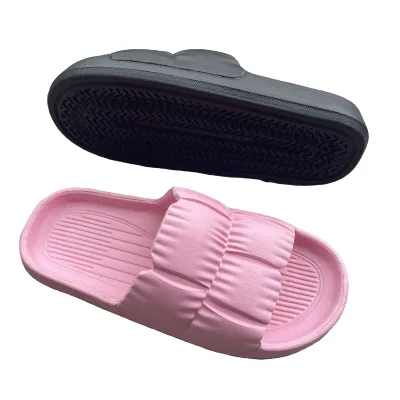
Pleated Solid Color Home Slippers Liqht Soft Bottom Non Slip Home Slipper
$0.79 - $0.85
MOQ: 300 pairs




Comprehensive Sourcing Guide
Non-Slip Indoor Slippers Sourcing Guide
Procuring non-slip indoor slippers requires a nuanced understanding of material performance and intended usage environments. Buyers must distinguish between products designed for dry, clean indoor floors and those intended for wetter areas like bathrooms or kitchens. The supplied data indicates a strong focus on EVA and PVC outsoles, which are critical for providing the necessary traction and cushioning. EVA offers lightweight comfort and shock absorption, while PVC provides enhanced durability and slip resistance on smooth surfaces. Understanding these material distinctions is the first step in aligning product selection with specific operational needs, whether for hospitality, healthcare, or residential retail.
Furthermore, the customization landscape for these products is broad, allowing for significant brand integration. Many suppliers offer OEM and ODM services, enabling buyers to tailor logos, colors, and packaging to their brand identity. The observed listings show options for custom sizing standards, such as EUR and US conversions, which is vital for international distribution. Buyers should prioritize suppliers who demonstrate flexibility in production runs and packaging formats, as this adaptability can significantly reduce inventory risks and improve market responsiveness. This flexibility extends to design elements like toe styles and upper materials, ensuring the final product meets both aesthetic and functional requirements.
Product Scope and Observed Listing Signals
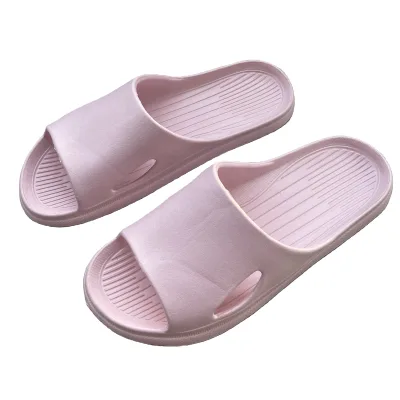
The current market for indoor slippers features a diverse range of styles, from open-toe beachwear to closed-toe warm slippers. Observed listings highlight specific models like sis112 and sis085, which cater to unisex and female demographics respectively. These products often feature round toes and are constructed from materials such as linen, cotton cloth, or EVA blends. The presence of "Hand Made" attributes in some listings suggests a premium segment where craftsmanship is a key selling point. Buyers should carefully review these stylistic details to ensure they align with their target customer base, as the difference between a casual slipper and a structured indoor shoe can impact perceived value and comfort.
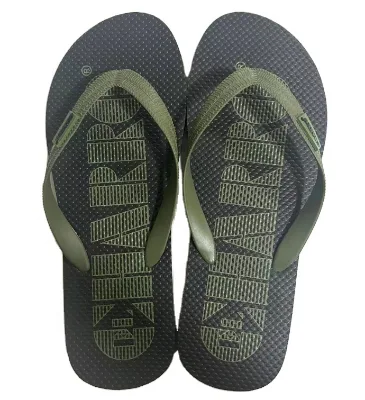
Usage scenarios vary significantly across the product range, with some slippers marketed for indoor, home, outdoor, and beach use. This versatility is often supported by features like quick-drying properties and non-waterproof designs, which require careful communication to avoid customer confusion. The observed price range of $0.2 to $20 USD reflects this diversity, with lower prices typically associated with simpler designs and higher volumes. Buyers must evaluate the trade-off between cost and quality, noting that features like soft soled quiet household designs may command a premium due to their specialized acoustic and comfort benefits. Understanding these market signals helps in positioning products effectively within competitive retail channels.
Technical Specifications to Verify
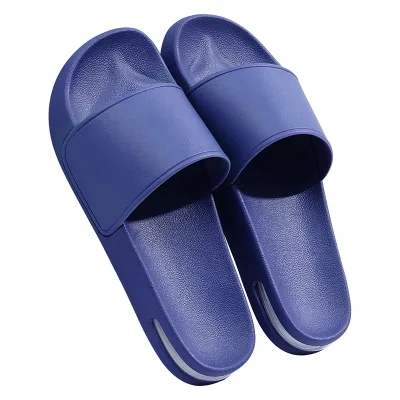
Verifying technical specifications is crucial for ensuring product consistency and performance. Key attributes to confirm include the outsole material, which directly impacts slip resistance and durability. Listings indicate a mix of EVA, PVC, and EVA+PVC combinations, each offering different levels of grip and flexibility. Buyers should request detailed material composition reports to verify these claims, especially for products marketed as non-slip. Additionally, the upper material, such as linen or cotton cloth, should be assessed for breathability and ease of cleaning. These material choices affect the overall comfort and longevity of the slippers, making them critical factors in quality assurance protocols.
Packaging and sizing standards are another vital area for verification. The observed data shows variations in packing methods, from OPP bags to carton boxes with specific unit counts. Buyers must ensure that the packaging protects the product during transit and meets retail display requirements. Sizing standards, such as EUR36-50 or US5-50, should be cross-referenced with target market expectations to avoid sizing discrepancies. Single gross weights, ranging from 0.300kg to 0.500kg, also provide insight into the product's density and material usage. Confirming these specifications with the supplier before production begins helps prevent costly errors and ensures that the final product meets all technical expectations.
Compliance and Safety Documentation
While specific certification statuses are not explicitly detailed in the provided context, buyers must proactively request relevant safety documentation. For footwear intended for indoor use, compliance with regional safety standards is essential to mitigate liability risks. Buyers should inquire about any internal quality control tests performed by the supplier, particularly regarding slip resistance and material toxicity. Although ASTM F3445-24 is mentioned in the background, its applicability to indoor slippers should be verified with the supplier to ensure it is the correct standard for the product category. Understanding the regulatory landscape of the destination market is crucial for ensuring that the imported goods meet all legal requirements.
Documentation should also cover material safety, especially for products containing synthetic materials like EVA and PVC. Buyers should request Material Safety Data Sheets (MSDS) or similar documentation to verify that the materials are free from harmful substances. This is particularly important for products marketed towards children or used in healthcare settings. Additionally, any claims regarding waterproofing or quick-drying properties should be backed by test results or manufacturer guarantees. By establishing a clear requirement for comprehensive documentation, buyers can protect their brand reputation and ensure that the products they source are safe and compliant with international trade regulations.
Cost Drivers and Commercial Terms
Cost structures for indoor slippers are influenced by material choices, customization levels, and order volumes. The observed MOQ range of 2 to 5000 pairs indicates flexibility, allowing buyers to start with smaller test orders or scale up for larger campaigns. Higher customization, such as unique logo placements or specific packaging designs, typically increases the unit cost. Buyers should negotiate clearly on these variables to manage their margins effectively. The price range of $0.2 to $20 USD suggests that significant savings can be achieved through volume discounts, but buyers must balance cost with quality to avoid compromising on slip resistance or comfort.
Commercial terms also include lead times and payment conditions, which are not explicitly stated but are critical for supply chain planning. Buyers should clarify production lead times to ensure timely delivery, especially for seasonal products like summer slippers. Payment terms should be structured to protect both parties, with options for partial payments or escrow services to mitigate risk. Additionally, buyers should consider the total landed cost, including shipping and duties, which can significantly impact the final profitability. By understanding these cost drivers and negotiating favorable terms, buyers can optimize their procurement strategy and maintain competitive pricing in their respective markets.
Supplier Qualification and Quality Control
Supplier qualification is a critical step in ensuring a reliable supply chain for indoor slippers. Buyers should verify the supplier's manufacturing capabilities, including their experience with EVA and PVC materials. The observed origin of Zhejiang, China, suggests a concentration of footwear manufacturing expertise in this region. Buyers should request factory audits or third-party inspections to assess production quality and working conditions. Additionally, suppliers with OEM/ODM experience should be evaluated for their ability to handle custom orders efficiently. This due diligence helps identify partners who can consistently meet quality standards and delivery schedules.
Quality control measures should be established before production begins, including clear specifications for materials, sizing, and packaging. Buyers should define acceptable defect rates and establish protocols for handling non-conforming products. Regular quality checks during production and pre-shipment inspections are essential to catch issues early. Suppliers who offer customization should also demonstrate their ability to maintain consistency across different product runs. By implementing robust quality control processes, buyers can minimize the risk of receiving substandard products and ensure that their customers receive high-quality indoor slippers that meet their expectations.
Long-Term Procurement Checks
Long-term procurement success depends on continuous monitoring of supplier performance and market trends. Buyers should regularly review supplier metrics, such as on-time delivery rates and defect frequencies, to identify potential issues early. Building strong relationships with suppliers can lead to better pricing and priority treatment during peak seasons. Additionally, staying informed about changes in material costs and regulatory requirements is essential for maintaining compliance and competitiveness. Buyers should also consider diversifying their supplier base to mitigate risks associated with single-source dependencies.
Product innovation is another key area for long-term success. Buyers should encourage suppliers to introduce new designs, materials, or features that align with evolving consumer preferences. The observed trend towards quick-drying and versatile usage suggests that buyers should remain open to products that offer additional benefits beyond basic slip resistance. Regular feedback loops with customers can provide valuable insights into product performance and areas for improvement. By maintaining a proactive approach to procurement, buyers can ensure that their product offerings remain relevant and competitive in the dynamic indoor slipper market.
FAQs
What materials are used for the uppers and soles?
The uppers are made from linen or cotton cloth, while the soles use EVA or a combination of EVA and PVC. These materials provide comfort and durability for indoor use. The products are non-disposable and hand-made to ensure quality construction for long-term wear.
Can I customize the product specifications and packaging?
Yes, customization is available for product models and packaging requirements. You can request specific sizes ranging from EUR 35 to 50 or US 5 to 50. The standard packing is one pair in a box with ten boxes in a carton, but you may also choose OPP bag options.
Which gender and style options are available for these slippers?
These slippers are designed as unisex footwear, though female-specific models are also listed. The styles include round toe slippers and warm slippers with open toe options. They are suitable for summer seasons and offer a quiet, soft sole for household environments.
What is the minimum order quantity for purchasing these items?
The minimum order quantity varies by product, ranging from 10 pairs to 5000 units depending on the specific model selected. Some items allow single item selling units, while others require bulk purchases. You should verify the MOQ for your chosen model number before placing an order.
Where are these indoor slippers manufactured and shipped from?
The products originate from China, with specific manufacturing locations noted in Zhejiang. They are designed for indoor home use and can also be used on beaches or outdoors. The origin ensures compliance with standard sizing like EUR 36-50 or US 5-50.
How are the products packed and what is the weight?
Each pair is packed in a box, with ten boxes forming one carton, or sometimes in an OPP bag. The single gross weight ranges from 0.300kg to 0.500kg depending on the model. Package sizes vary, typically around 30x25x3 cm or 25x10x5 cm for efficient shipping.