Natural Cork Bio Sandals with Arch Support Suppliers and Manufacturers
Source Natural Cork Bio Sandals with Arch Support from 20 verified trading companies. Compare grounded dimensions including MOQ, lead times, and response rates. Review product specifications and pricing to identify suitable partners for your order; review the available evidence before requesting comparable quotations from suitable candidates.
Updated
Suppliers List
Xiamen Jerryfootprint Imp & Exp Co., Ltd.
- Verified by TüVRheinland
- Trading Company
- Lead time30 days
- Avg. response≤ 3h
Main productsEVA Recovery Slides, Cork Footbed Sandals, Semi-finished Cork Sandals (Components), Support & Orthotic Insoles, Ergonomic & Healthy Footwear
Main marketsEastern Asia(50%), North America(20%), Western Europe(15%)
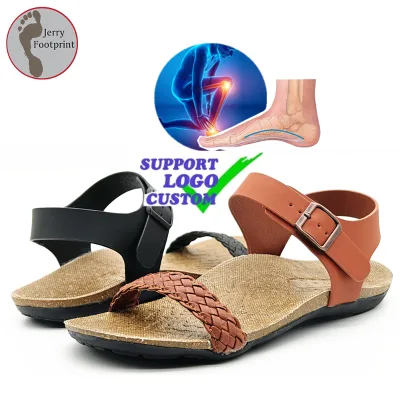
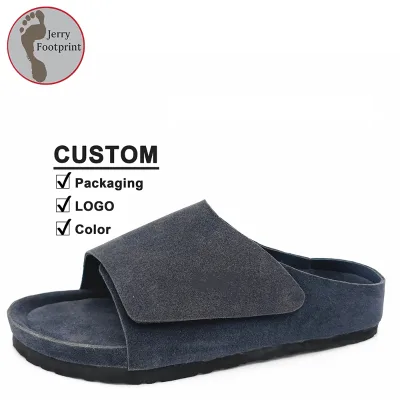
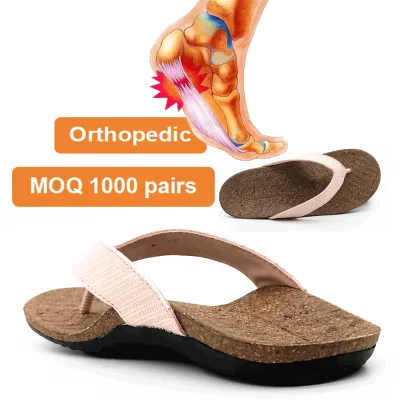
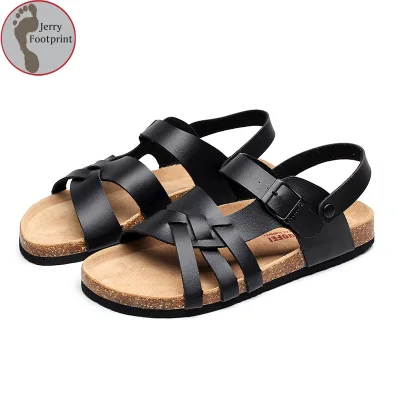
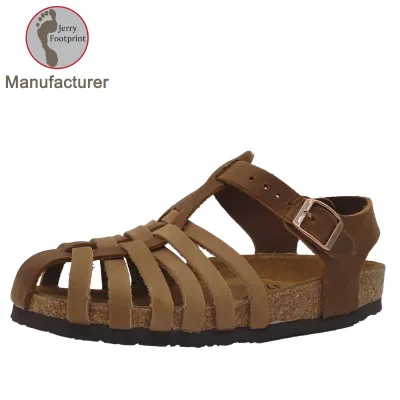
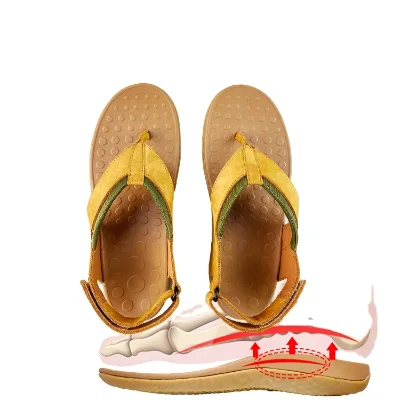
CUSTOM 36-41 Women Cork Medical Thong Sandal with Comfortable Arch Support
$6.6751 - $7.3926
MOQ: 1000 pairs
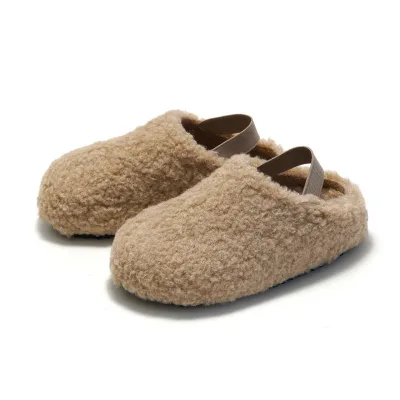
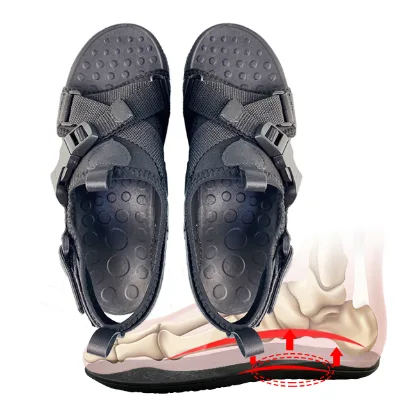
Custom Beach Flat Comfort Cork Sandal Slides Slippers Sandals With Adjustable Buckles Shoes
$6.0384 - $8.0907
MOQ: 1 pairs
Dongguan Lee-Mat Sport Technology Co., Ltd.
- Manufacturer, Trading Company
- Guangdong Province, China
- Lead time20 days
- Avg. response≤ 2h
Main productsOrthotic Insole,Oven Insole,Heated Gloves,Heated Socks,Orthotic Sandals
Main marketsDomestic Market(43.00%), North America(25.00%), Oceania(25.00%), Western Europe(7.00%)
Ningbo Byring Import & Export Co., Ltd.
- Verified by Intertek
- Trading Company
- Lead time40 days
- Avg. response≤ 7h
Main productsSandals, Slippers, Snow Boots, Rain Rubbers
Main marketsWestern Europe(33%), North America(30%), South America(17%)
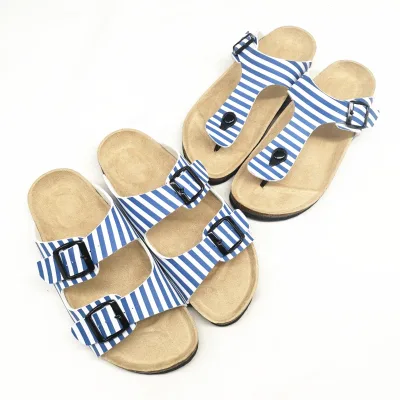
New Thong Bio Sandals for Women With Comfortable Cork Arch Support Insole
$3.4214 - $4.9764
MOQ: 300 pairs
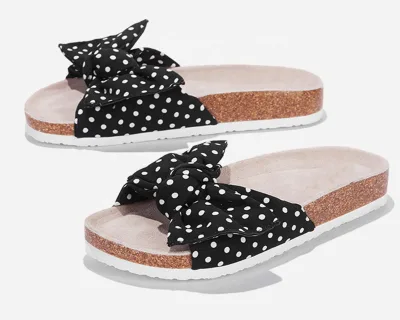
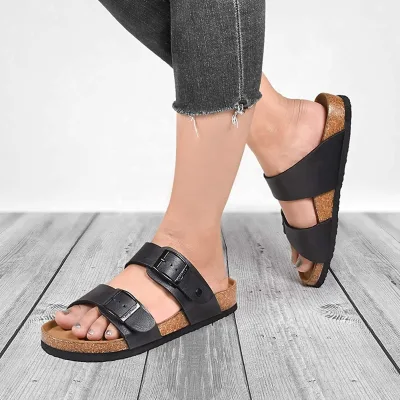
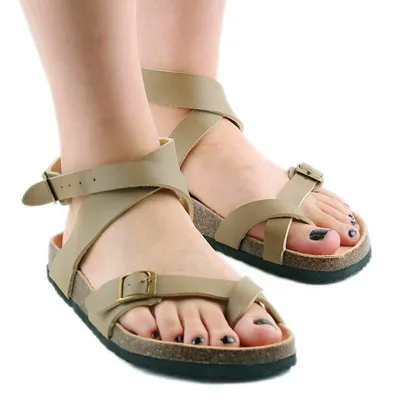
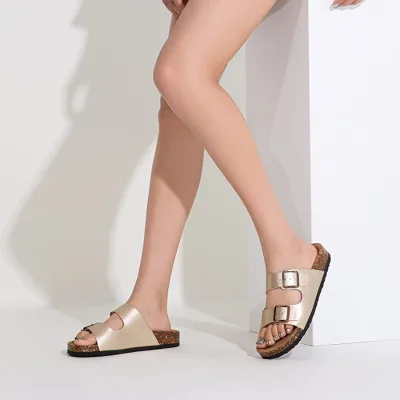
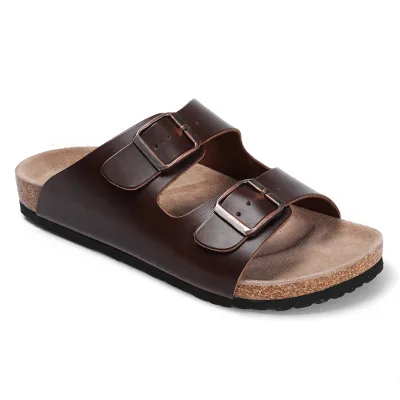
High Quality Durable Genuine Leather Sandals with Bio Cork Arch Support Insole for Men and Women
$9.1513 - $11.8237
MOQ: 500 pairs

Quan Zhou Jin Jiang Cenki Imp&Exp Co., Ltd.
- Verified by SGS
- Trading Company
- China Fujian
- Lead time30 days
- Avg. response≤ 2h
Main productsSport Shoes, Casual Shoes, Slippers, Sandals, Boots, Flip Flops, Football Shoes, Clog Shoes, Safety Shoes, Children Shoes
Main marketsAfrica

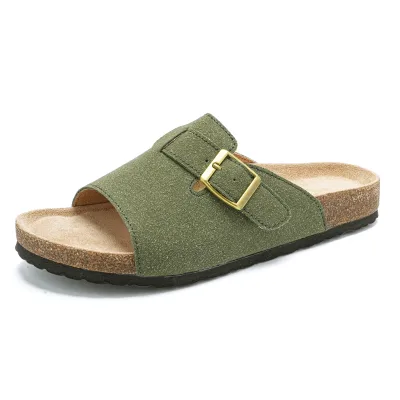
Double Buckle Cork Sandals Suede Upper Women Arch Support Non-Slip Cork Shoes
$2.50 - $7.50
MOQ: 100 Pairs


Fuzhou Gean Imp & Exp Trading Co., Ltd.
- Verified by TüVRheinland
- Trading Company
- Lead time30 days
- Avg. response≤ 2h
Main productsSlippers
Main marketsNorth America(45%), South America(25%), Eastern Asia(20%)
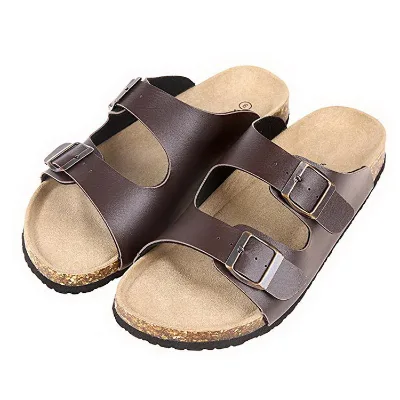
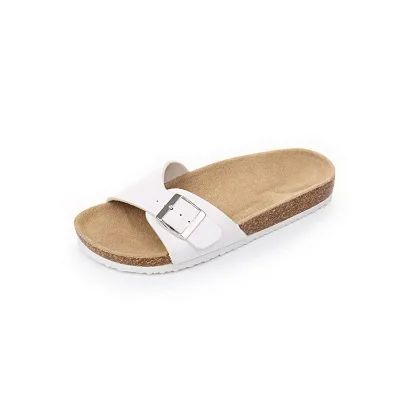
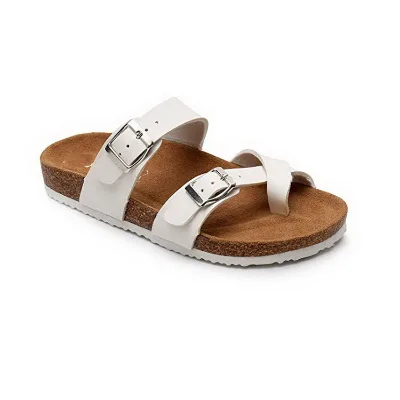
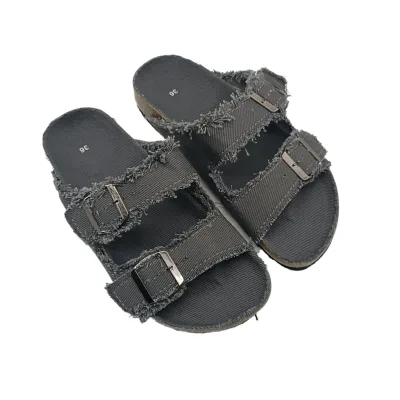
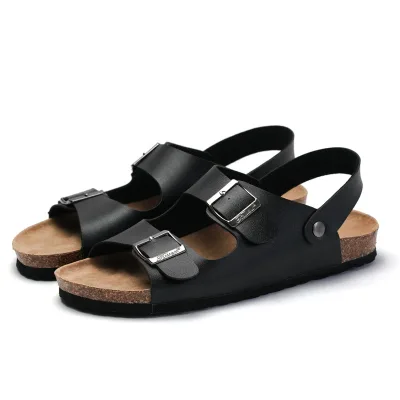
Men's Casual Cork Sandals Breathable Outdoor Sports Corked Sandals Convenient Sandals Cork for Men
$2.50 - $4.50
MOQ: 300 pairs

- Verified by SGS
- Trading Company
- China Fujian
- Lead time30 days
- Avg. response≤ 2h
Main productsBoots, Sneakers, Sandals, Corkshoes, Kids Shoes, Customized Shoes, Footwear, Slipper, Winter Boots, Snow Boots
Main marketsEast Asia(Japan/ South Korea)
Jieyang Jiedong District Economic Development Zone Kaiweini Shoes Factory
- Manufacturer, Trading Company
- Guangdong, China
- Lead time15 days
- Avg. response≤ 4h
Main productssandals,slippers,kids shoes,cork slippers,shoes
Main marketsNorth America(30.00%), Southeast Asia(20.00%), Mid East(20.00%), Northern Europe(10.00%), Western Europe(10.00%), Eastern Europe(10.00%)
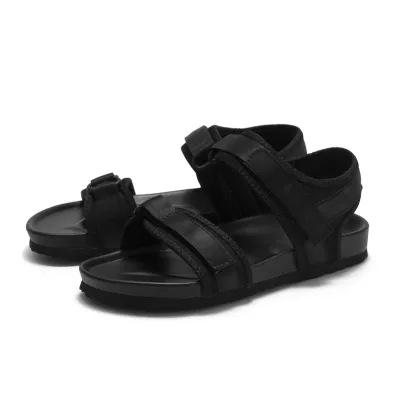
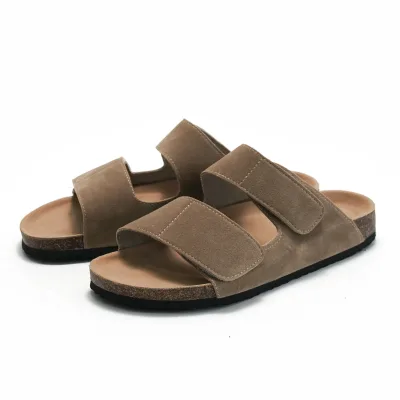
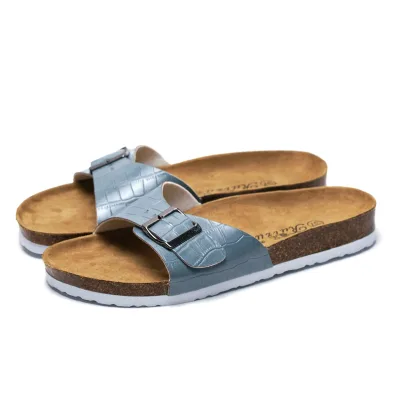
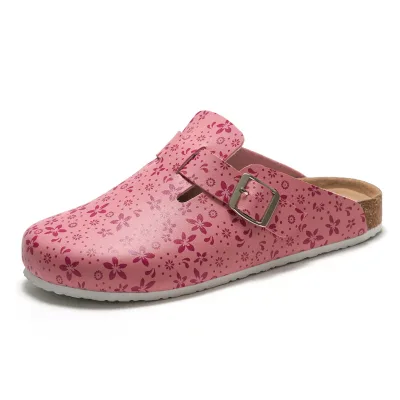
Round Toe Cork Outsole Flat Sandals for Women Printed Buckle Strap House Footwear Indoor Slipper
$8.00 - $10.80
MOQ: 500 pairs

Fuzhou Sanrich Footwear & Headgear Co., Ltd
- Verified by SGS
- Combined
- China Fujian
- Lead time15 days
- Avg. response≤ 3h
Main productsSlippers, Sandals, Boots, Kids' Sandal Slippers, Cork Sandals, Cotton Slippers, Clogs, Single Band Slides, Outdoor Casual Sandals, Flat Sandals
Main marketsNorth America

Men's Suede Cork Slide Sandals: Adjustable, Arch Support, Non-Slip, Perfect for Summer
$1.50 - $8.00
MOQ: 1000 Pieces


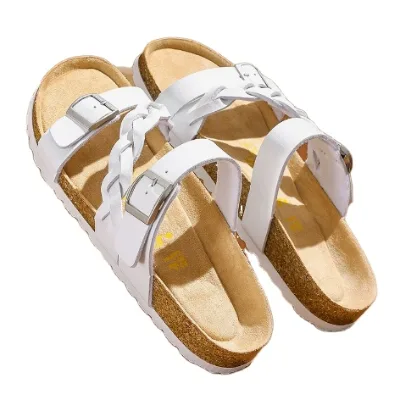
Women's Cork Footbed Slide Fashion Sandals with Patent Leather & Woven Strap
$1.50 - $8.00
MOQ: 1000 Pieces


Fujian Putian Hongtai Imp & Exp Co., Ltd.
- Verified by BV
- Trading Company
- China Fujian
- Lead time23 days
- Avg. response≤ 3h
Main productsSnow Boots, Sport Shoes, Casual Shoes, Sandal, Dress Shoes, Basketball Shoes, Hiking Shoes, Indoor Shoes, Winter Boots
Main marketsSouth America,Europe,North America

- Verified by CTI
- Trading Company
- China Fujian
- Lead time45 days
- Avg. response≤ 2h
Main productsEVA Slippers, Slide Sandals, Beach Sandals, Canvas Shoes, PVC Slippers, PE Slippers, Garden Shoes, Clog, Boots, Flip-Flops
Main marketsEast Asia(Japan/ South Korea)

Adjustable Breathable Arch Support Double Buckle Open Toe Comfort Walking Sandals
$1.65 - $1.80
MOQ: 1000 Pairs


Digital Printing Highly Elastic Non-Slip Wear-Resistant Outdoor Beach Walk Sandals
$3.30 - $3.50
MOQ: 1000 Pairs


High Quality Fashion Customized Logo Beach Deodorizing Thick-Soled Non-Slip Sandals
$2.00 - $2.20
MOQ: 1000 Pairs

Hangzhou Hengxin Imp. & Exp. Co., Ltd.
- Trading Company,Manufacturer/Factory
- China Zhejiang
- Lead time30 days
- Avg. response≤ 7h
Main productsSlippers, Women Slippers, Men Slippers, Kids Slippers, Indoor Slippers, Autumn Winter Slippers
Main marketsSouth America,Eastern Europe,Mid East,North America,Southeast Asia,Eastern Asia,Oceania,Western Europe,Africa

Jinjiang Maituo Import and Export Trading Co., Ltd.
- Verified by CTI
- Combined
- China Fujian
- Lead time60 days
- Avg. response≤ 7h
Main productsShoe, Shoe Accessories, Sporting Shoes, Shoe Machine, Shoe Sole, Microfiber PU, Space Leather, TPU, Basketball Cover, Textile Fabrics
Main marketsEurope

Xiamen Wanjunfa Trading Co., Ltd.
- Verified by SGS
- Trading Company
- China Fujian
- Lead time15 days
- Avg. response≤ 1h
Main productsClothes, Shoes, Bedding Set, Home Decor
Main marketsNorth America
Xiamen Biyate Imp.&Exp.Co., Ltd.
- Verified by Intertek
- Manufacturer, Trading Company
- Lead time30 days
- Avg. response≤ 2h
Main productsSneaker, Slippers, Garden Shoes, Sandals, Prison Shoes
Main marketsNorth America(60%), Western Europe(20%), South America(10%)

Sansd (Jiangsu) Environmental Technology Co., Ltd.
- Verified by BV
- Combined
- China Jiangsu
- Lead time15 days
- Avg. response≤ 3h
Main productsEVA Foam, EVA Mat, EVA Sheet, EVA Roll, EVA, Yoga Mat, EVA Foam Sheet, PE Foam, EVA Foam Ma, EVA Products
Main marketsDomestic


Customized Women Cork Sandal - Stylish Birken Shoes with Standard Export Packing
$3.55 - $3.90
MOQ: 500 Pairs

Women's Cork Midsole Cloth Upper Buckle Strap Flat Sandals Breathable Casual Beach Indoor for
$3.35 - $3.90
MOQ: 500 Pairs
Jieyang City Rongcheng District Mudina Shoe Factory
- Verified by TüVRheinland
- Trading Company
- Lead time18 days
- Avg. response≤ 3h
Main productsSlippers
Main marketsDomestic Market(100%)
- Trading Company
- Taiwan, China
- Lead time90 days
- Avg. response≤ 6h
Main productshigh heels,loafers,wedding shoes,sandals,boots
Main marketsNorth America(50.00%), Southeast Asia(10.00%), Eastern Asia(10.00%), Western Europe(10.00%), Northern Europe(10.00%), Southern Europe(10.00%)
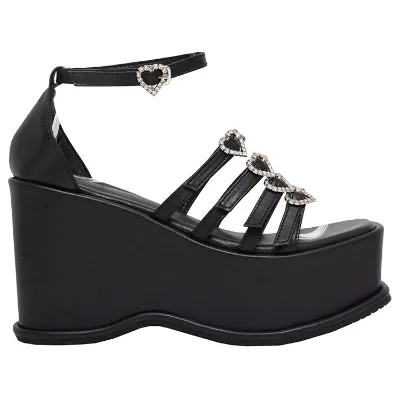
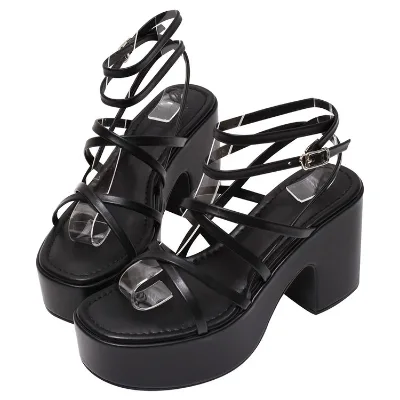
Black High Heel Platform Sandals with Crisscross Strap
$44.00 - $63.00

Metacork Technology Nanjing Co., Ltd.
- Manufacturer/Factory
- China Jiangsu
- Lead time23 days
- Avg. response≤ 13h
Main productsCork Product, Slipper, Cork Sheet, Cork Bag, Cork Granules, Cork Floor, Cork TPE Mat, Cork Rubber Mat, Coaster, Yoga Brick
Main marketsMid East,North America,Eastern Asia,Western Europe

Quanzhou Xinpu Trading Co., Ltd.
- Verified by SGS
- Trading Company
- China Fujian
- Lead time15 days
- Avg. response≤ 3h
Main marketsNorth America

Quanzhou Meisner Import and Export Trading Co., Ltd
- Verified by CTI
- Trading Company
- China Fujian
- Lead time60 days
- Avg. response≤ 2h
Main productsSandals, Women Sandals, Beach Sandals, Slippers, Lady Sandals, Outdoor Shoes, Men Slippers, School Shoes, Men Sandals, Women Slippers
Main marketsSoutheast Asia/ Mideast




Comprehensive Sourcing Guide
Natural Cork Bio Sandals with Arch Support Supplier Concentration and Factory Types
Suppliers for Natural Cork Bio Sandals with Arch Support tend to cluster in regions with established footwear manufacturing, and the results on this page point to Fujian, China as a documented place of origin for several listed products. That matters because a cluster usually means access to cork footbed processing, rubber and EVA outsole pairing, and component suppliers for buckles, straps, and semi-finished cork sandal parts. When you scan supplier profiles, treat the listed place of origin as a starting signal rather than proof of capability: confirm that the factory or trading partner you contact actually produces cork-latex footbeds with molded arch support, since many general sandal makers can assemble a cork-look product without genuine orthotic construction.
Beyond location, distinguish the supplier types you will encounter. The page includes at least one trading company, which may aggregate multiple workshops and offer breadth across EVA recovery slides, cork footbed sandals, support and orthotic insoles, and ergonomic footwear. Trading companies can simplify communication and customization requests, including sample processing, graphic processing, and made-to-order work, but you should ask which underlying factory produces each model. Direct manufacturers usually offer tighter control over cork quality and arch geometry. Some suppliers in this category advertise both roles; verify by requesting business licenses, workshop photos or video walks, and references tied specifically to cork sandal production rather than general footwear.
How to Verify Natural Cork Bio Sandals with Arch Support Suppliers
Verification should begin with third-party checks that are visible on the supplier's profile. One supplier on this page displays TÜV Rheinland verification, which is a meaningful signal that a certification body has inspected the business identity; note what the verification covers, because it typically confirms company status rather than product quality. Do not assume a verified badge extends to material testing for cork, latex, adhesives, or leather uppers. For orthotic claims, request internal test reports on arch shape retention, footbed compression, and outsole slip resistance, and confirm any claimed certificates directly with the issuing body before relying on them for compliance in your market.
Next, verify operational substance. Ask for a video call with the production floor, request recent photos of cork footbed molding lines, and confirm whether the supplier handles customization in-house or outsources it. A supplier advertising sample processing, graphic processing, and customized-on-demand capability should be able to demonstrate each service with a past example. Check responsiveness in a structured way: one listed supplier reports a three-hour average response time, so test that claim by sending technical questions about cork sourcing and arch support construction and measuring the quality, not just the speed, of the reply. Finally, request references from buyers who ordered similar cork sandals, and cross-check the model numbers they cite against the supplier's catalog to confirm the history is real.
What to Compare Across Natural Cork Bio Sandals with Arch Support Suppliers
Build a comparison matrix from the attributes suppliers actually display, and record gaps rather than assuming every supplier publishes the same data. Useful dimensions include lead time, minimum order quantity, response time, company type, location, and main product lines. On this page, listed lead times run to about 30 days, and MOQs vary sharply between products: one cork sandal model lists a 1000-pair MOQ, while another listing shows an MOQ of a single unit, which often indicates a sample-friendly listing or different product economics. Compare MOQs per model, not per supplier, because a single supplier may carry both bulk-oriented and low-MOQ listings.
Price bands are the second comparison axis. Documented ranges on this page fall roughly between six and nine US dollars per pair, with variation driven by upper material, strap configuration, and customization depth. Compare quotes on identical specifications: EUR sizes offered, outsole material, midsole construction, lining, and logo craft method. One men's model lists genuine leather upper, cotton fabric lining, and EVA outsole material alongside a cork midsole, while other listings pair cork with rubber outsoles. Also weigh main product portfolio fit: a supplier whose core lines include cork footbed sandals, semi-finished cork components, and orthotic insoles is more likely to handle arch support revisions competently than a general slipper trader. Rate each supplier on evidence supplied, not on claims.
Common Natural Cork Bio Sandals with Arch Support Sourcing Risks
The most frequent risk in this category is substituting appearance for construction. Cork-look EVA footbeds photograph identically to genuine cork-latex footbeds, but they behave differently under load, and arch support that looks correct may flatten quickly. Insist on specifying cork content, adhesive type, and the molding process in your purchase contract, and approve a sealed pre-production sample that you keep as the arbitration reference. A second risk is sizing and last mismatch: some listings cover EUR 36–41 while others extend to EUR 46, and a last designed for one range may distort arch positioning at the extremes. Confirm which lasts your order will use.
Compliance and communication risks follow. Materials such as genuine leather, PU, microfiber, and cotton lining carry different regulatory expectations in destination markets, so verify which material declarations the supplier can substantiate rather than accepting generic "eco" language around natural cork. Trading companies introduce traceability risk: if the quote comes from a trading partner, identify the actual producing workshop and secure your rights to that factory relationship. Customization risk is real as well, since custom colors, silkscreen logo placement, and adjustable buckle hardware each add failure points; one listed brand name is OEM, which is normal, but confirm who owns any developed tooling. Finally, watch minimum order creep: a 1000-pair MOQ quoted at inquiry can rise once size and color splits are requested, so lock the MOQ definition in writing.
Natural Cork Bio Sandals with Arch Support Regional Sourcing and Logistics
Fujian, China appears as the documented place of origin for multiple products on this page, which places your sourcing within one of the country's major footwear manufacturing provinces. Working within an established cluster gives practical logistics advantages: nearby component suppliers for cork sheets, latex, rubber and EVA outsoles, and metal buckle hardware shorten internal supply chains and make mid-production adjustments feasible. When evaluating quotes, ask whether the factory location listed is the production site or a sales office, and factor the distance between them into your ability to attend inspections. If no location is documented for a given supplier, ask directly for the producing address and verify it against business registration records.
For shipping, cork sandals with rubber or EVA outsoles are relatively low-risk cargo: they are not fragile, and a single gross weight around one kilogram per pair keeps freight costs predictable. Confirm carton dimensions early, since listed package sizes near 25–28 centimeters per pair affect container planning and per-unit landed cost. Plan a logistics timeline that fits a stated production lead time of around 30 days, then add sampling, quality inspection, and port consolidation time. Ask each supplier which shipping terms they support, whether they consolidate with other footwear orders, and how they handle seasonal peak capacity. Seasonal demand for spring and summer sandal production means booking capacity ahead of the cluster's busy season.
Natural Cork Bio Sandals with Arch Support Commercial Terms and Order Planning
Structure commercial terms before discussing price. Confirm payment method and whether any transaction protection or escrow-style arrangement applies, and understand exactly which milestones it covers. Agree on the Incoterm, the inspection window before shipment, and the remedy for defects found after arrival. Because customization is central in this category, define the approval sequence in writing: design file, material confirmation, sample, pre-production sample, then mass production. One supplier on this page accepts custom logos applied by silkscreen printing at inside or outside positions, and others advertise customization across colors, sizes, and styles, so scope each customization element and its cost separately in the quotation.
Order planning should reflect the MOQ and lead-time reality documented in listings. With a stated 30-day lead time and MOQs such as 1000 pairs, work backward from your sales calendar and add buffer for sample iterations, which in this category commonly run several rounds to tune arch height and strap comfort. Plan size and color splits within the MOQ early; a 1000-pair minimum divided across EUR 36–41 and multiple colorways can leave thin runs per variant, so negotiate how sizes count toward the minimum. Use sample-oriented listings, including one showing a single-unit MOQ, to validate fit and cork quality before committing to bulk. Finally, document re-order terms now, since reliable restocking at the original price and lead time is the real test of a cork sandal supplier relationship.
FAQs
What is the minimum order quantity for cork sandals?
The minimum order quantity is 1000 pairs for most custom arch support models. Some specific styles may allow lower quantities, but standard wholesale orders typically require this volume. Buyers should verify the exact MOQ for their selected model number before placing an order.
How long does production take for custom cork sandals?
The standard lead time for production is 30 days. This duration applies to customized orders involving specific materials like genuine leather or PU uppers. Buyers should confirm the exact timeline with the supplier to ensure it aligns with their project schedule.
What materials are used for the upper and sole?
Upper materials include genuine leather, PU, and microfiber leather. The outsole typically combines cork and rubber for durability, while the midsole often features cork for arch support. Some models use EVA or rubber soles depending on the specific design requirements.
Are these sandals suitable for summer and spring seasons?
Yes, most models are designed for summer and spring seasons. Some specific styles are also suitable for winter and autumn, offering versatility across different weather conditions. Buyers should check the season attribute for each specific product model to ensure suitability.
Can suppliers provide custom logos on the sandals?
Yes, suppliers accept custom logo placement on the inside or outside of the sandals. The logo craft often involves silkscreen printing. Buyers can request specific branding options to match their brand identity when ordering custom cork sandals.
What is the price range for these cork sandals?
The price range varies between approximately 6.04 and 8.90 USD per pair depending on the model. Specific prices depend on factors like material choice, customization level, and order quantity. Buyers should request a quote for their specific requirements to get an accurate price.
Where are these cork sandals manufactured?
The products are manufactured in China, specifically in Fujian province. The place of origin is listed as CHN or Fujian, China for most items. Buyers should verify the specific location if they have regional sourcing preferences.