Source Anti-odor Anti-slippery Ladies Sandals for Beach, Work, and Outdoor
Source anti-odor anti-slippery ladies sandals from 30 verified listings. Compare features like EVA foam shock absorption, PVC insoles, and waterproof designs for beach, work, and outdoor use. Filter by customization options and lead times to find the right fit; compare the available evidence and request quotations based on your requirements.
Updated
Key considerations
Products List
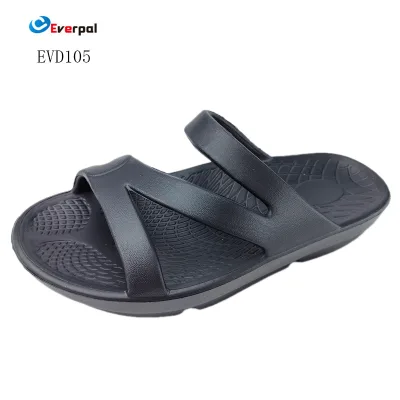

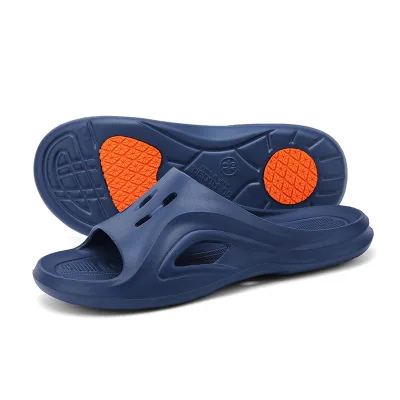
Wholesale Summer Slip-Resistant Unisex Indoor Outdoor Ladies Design Slide Sandals
$2.00 - $2.10
MOQ: 1000 Pairs


Summer Unisex Odor-Resistant Four Seasons Slides Sandals with Good Service
$2.10 - $2.30
MOQ: 1000 Pairs
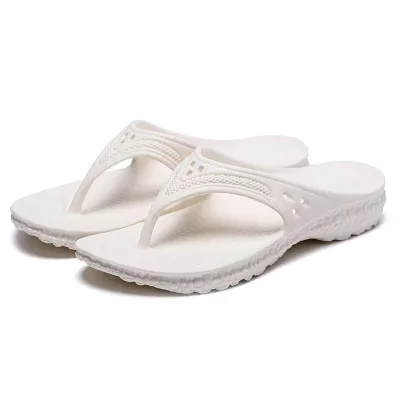
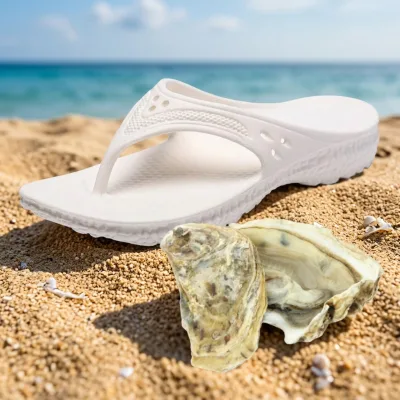
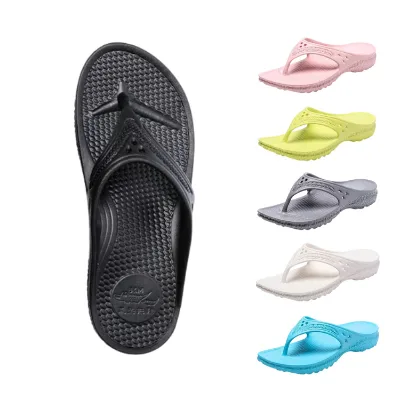


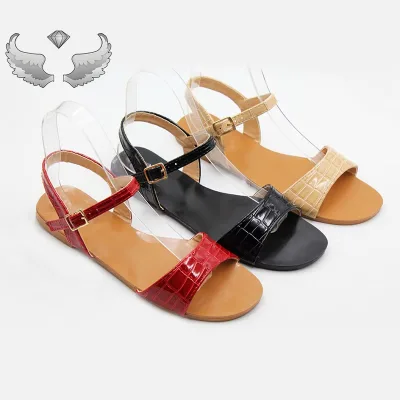
2023 Fashion Custom New Women Outdoor Non-Slip Sandals Flat Slipper High Quality
$1.50 - $3.50
MOQ: 3000 Pairs
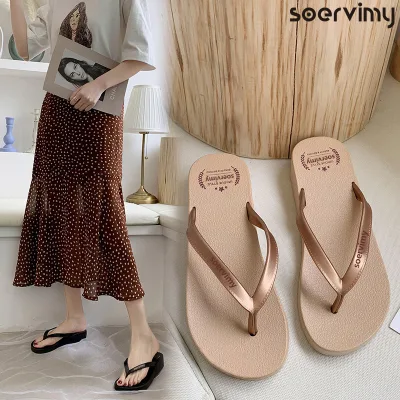
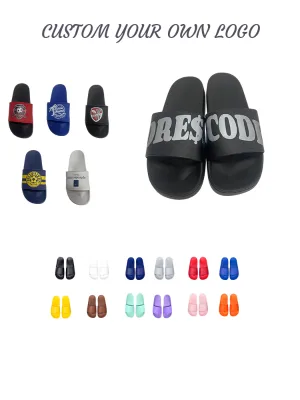
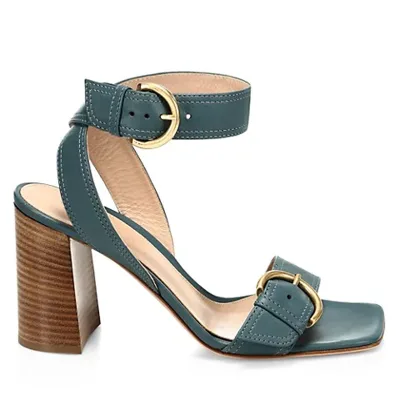


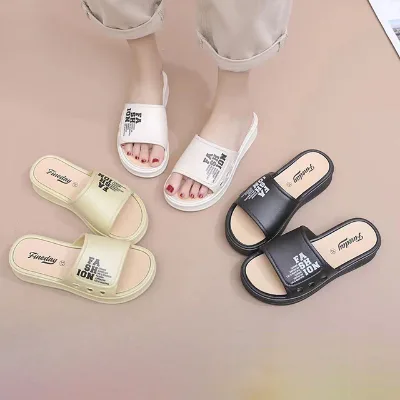
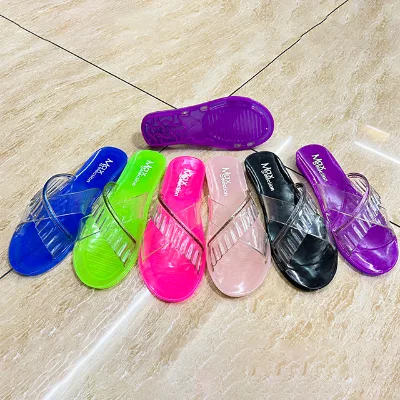
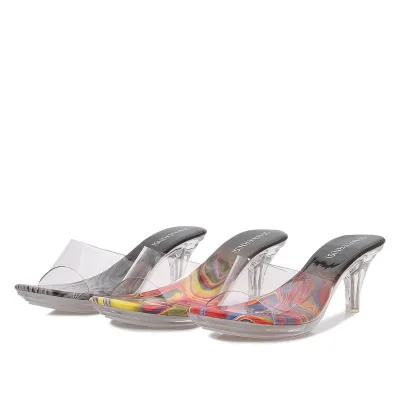
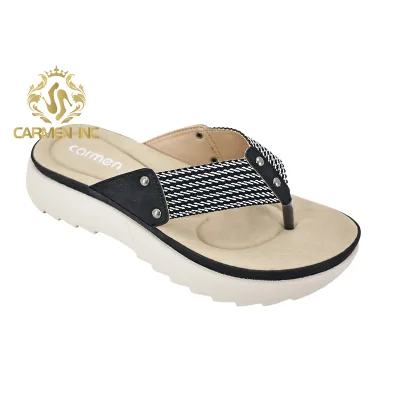
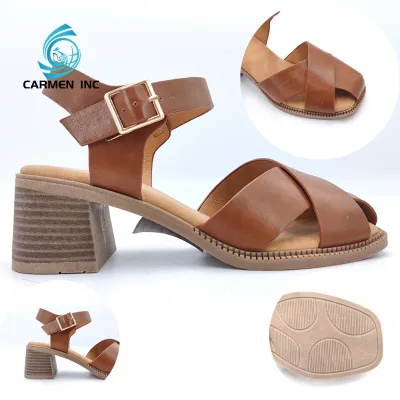
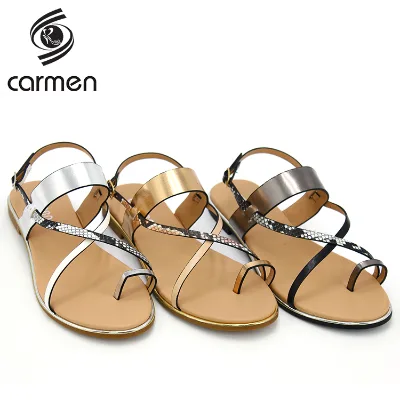
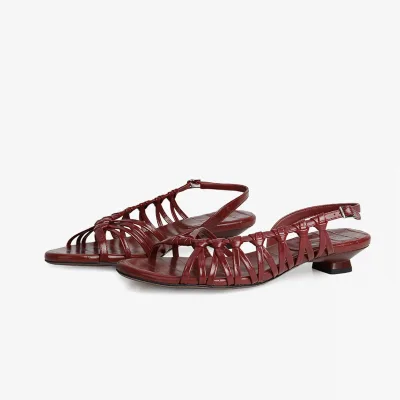
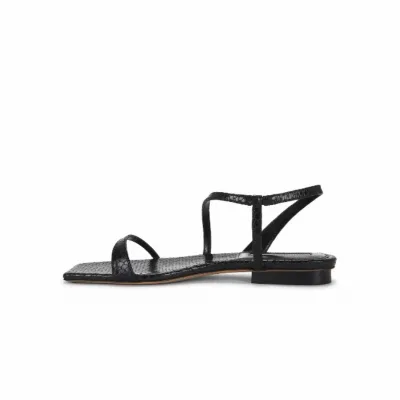
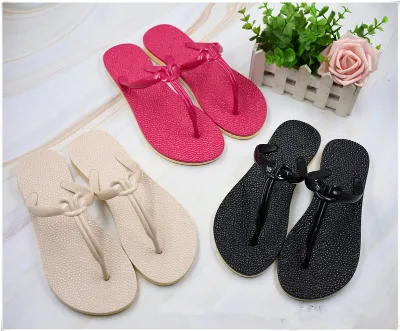

Comprehensive Sourcing Guide
Anti-Odor Anti-Slippery Ladies Sandals Sourcing Guide
Sourcing footwear with specific functional attributes like anti-odor and anti-slippery properties requires a disciplined approach to supplier verification and material selection. Buyers must distinguish between marketing claims and verifiable technical specifications, particularly when evaluating open-toe slides and slip-on designs. The observed market data indicates a diverse range of products, from leisure shoes to work-oriented sandals, each with distinct material compositions and structural features. Understanding these variations is critical for aligning product selection with end-user expectations and safety requirements.
Procurement teams should focus on the interplay between insole materials, outsole compounds, and design elements that contribute to hygiene and traction. Facts such as PVC insoles, EVA foam shock absorption, and specific anti-slip patterns provide a baseline for technical evaluation. However, buyers must also consider customization options, including logo placement and color variations, which can impact production complexity and lead times. This guide outlines the essential steps for validating product quality, ensuring regulatory compliance, and managing commercial risks in this specialized footwear segment.
Product Scope and Observed Listing Signals
The current market landscape for anti-odor and anti-slippery sandals includes a variety of styles, primarily centered around open-toe slides and two-strap designs. Observed listings highlight products with features such as waterproof construction, breathable materials, and resilient EVA foam insoles. These attributes suggest a focus on comfort and durability, suitable for both leisure and outdoor occasions. The presence of arch support and quick-dry functional designs further indicates that buyers are seeking footwear that addresses specific environmental challenges, such as wet conditions or prolonged wear.
Color options range from neutral tones like black, grey, and navy blue to vibrant shades such as pink, fuchsia, and yellow. This variety allows for broad market appeal, catering to different aesthetic preferences while maintaining functional integrity. The observed models, including AF1332, AF983, AF415, AF988, and AF907, demonstrate that manufacturers offer diverse configurations to meet varying customer demands. Buyers should carefully review these model-specific details to ensure that the selected product aligns with their target demographic and usage scenarios, particularly regarding toe style and heel height.
Technical Specifications to Verify
Verifying technical specifications is paramount when sourcing sandals with anti-odor and anti-slippery claims. Buyers should confirm the composition of the insole and outsole materials, as these directly influence hygiene and traction. For instance, PVC insoles and EVA outsoles are common, but their specific formulations can vary significantly between suppliers. It is essential to request detailed material data sheets that outline the density, hardness, and chemical composition of these components. Additionally, the presence of anti-slip patterns or grooves on the sole should be visually and physically inspected to ensure adequate grip on various surfaces.
Other critical specifications include the closure type, decoration, and seasonal suitability. Slip-on designs with plain or stitched detailing offer different levels of security and aesthetic appeal. Buyers must also verify the stated size ranges, which may vary by region or manufacturer, such as US sizes 6-10 or standard metric sizes like 230-280. Ensuring that the product meets the intended seasonal requirements, whether for summer, spring, autumn, or winter, is crucial for inventory planning. Cross-referencing these specifications with the supplier’s technical documentation helps mitigate the risk of receiving products that do not perform as expected.
Compliance and Safety Documentation
Compliance with safety and quality standards is non-negotiable for footwear intended for public use. Buyers must ensure that suppliers provide relevant certifications and test reports that validate the anti-odor and anti-slippery claims. While specific standards may vary by destination market, common requirements include chemical safety tests for materials like PVC and EVA, as well as physical performance tests for slip resistance. It is advisable to request third-party lab results that confirm the absence of harmful substances and the efficacy of anti-microbial treatments used in the insoles.
Documentation should also cover manufacturing standards and quality control processes. Suppliers should be able to demonstrate adherence to recognized production protocols, such as ISO standards or industry-specific guidelines. Buyers should verify that the products meet the regulatory requirements of their target markets, including labeling and packaging standards. This includes ensuring that all necessary warnings, care instructions, and material compositions are clearly displayed on the product and its packaging. Proactive verification of these documents helps prevent legal liabilities and ensures that the products are safe for consumers.
Cost Drivers and Commercial Terms
Understanding the cost drivers in footwear procurement is essential for budgeting and negotiation. Key factors include the complexity of customization, such as logo printing or unique color combinations, which can increase production costs. The choice of materials, particularly the quality of EVA foam and PVC, also significantly impacts the unit price. Buyers should request detailed cost breakdowns to understand how material, labor, and overhead costs contribute to the final price. Additionally, the order quantity, or MOQ, plays a crucial role in pricing, with larger orders typically benefiting from economies of scale.
Commercial terms, including lead times and payment conditions, are equally important. Observed lead times of 45-50 days suggest that production and logistics require careful planning. Buyers should negotiate clear delivery schedules and penalties for delays to mitigate supply chain risks. Payment terms should be structured to balance risk and cash flow, often involving a deposit and balance upon shipment. It is also crucial to clarify the packaging options, such as OPP bags or non-woven bags, as these can affect shipping costs and product protection during transit.
Supplier Qualification and Quality Control
Supplier qualification is a critical step in ensuring the reliability and quality of the sourced products. Buyers should conduct thorough due diligence, including factory audits and assessments of production capabilities. This involves verifying the supplier’s ability to meet specific technical requirements, such as anti-slip tread patterns and waterproof construction. It is also important to assess the supplier’s quality control processes, including in-line inspections and final random inspections, to ensure consistency in product quality.
Building a strong relationship with the supplier through clear communication and mutual expectations is vital for long-term success. Buyers should establish a robust quality control plan that includes pre-production samples, during-production checks, and post-production audits. This plan should define acceptable quality limits and procedures for handling non-conforming products. Additionally, suppliers should be evaluated on their responsiveness to customization requests and their ability to adapt to changing market demands. A qualified supplier will demonstrate a commitment to quality and continuous improvement, ensuring that the products meet the buyer’s standards.
Long-Term Procurement Checks
Long-term procurement success depends on continuous monitoring and evaluation of supplier performance. Buyers should establish key performance indicators (KPIs) to track metrics such as on-time delivery, product quality, and responsiveness to issues. Regular reviews of these metrics help identify potential problems early and allow for corrective actions. It is also important to stay updated on industry trends and technological advancements that may impact product design and manufacturing processes. This proactive approach ensures that the sourcing strategy remains competitive and aligned with market demands.
Sustainability and ethical sourcing are increasingly important considerations for long-term procurement. Buyers should assess the supplier’s environmental practices, including waste management and energy efficiency, as well as their labor standards. Ensuring that the supply chain is free from forced labor and adheres to fair trade principles is essential for brand reputation and regulatory compliance. By integrating these considerations into their procurement strategy, buyers can build a resilient and responsible supply chain that supports long-term business growth and customer satisfaction.
FAQs
What materials provide anti-odor and anti-slip features in these sandals?
The sandals utilize PVC insoles and EVA foam outsoles to deliver resilience and breathability. The outsoles feature anti-slip patterns or grooves for traction. These materials also support shock absorption and waterproof performance, ensuring comfort and safety during wear in various conditions.
Can I customize the logo and color for bulk orders?
Yes, customization is available for bulk orders. Buyers can request specific logos, colors, and materials to match their brand identity. OEM orders are accepted, allowing for tailored production. This flexibility supports unique design requirements while maintaining the core functional attributes of the footwear.
What is the typical delivery time for these sandals?
The standard delivery time ranges from 45 to 50 days. This timeline applies to production and preparation for shipment. Buyers should account for this lead time when planning inventory. It ensures sufficient time for manufacturing, quality checks, and packaging before the goods are dispatched to the destination.
Which sizes are available for these unisex sandals?
Available sizes include US 6, 7, 8, 9, and 10. Additionally, standard sizing options like 36-41 and metric sizes 230-280 are offered. This range accommodates various foot dimensions for unisex wear. Buyers can select the appropriate size based on their target demographic and regional sizing preferences.
Are these sandals suitable for beach and outdoor occasions?
Yes, these sandals are designed for beach and outdoor occasions. They feature waterproof construction and quick-dry functional designs. The open-toe style and anti-slip soles make them ideal for wet environments. Their durable materials ensure longevity and comfort during leisure activities, making them a practical choice for summer wear.
What packaging options are provided for these products?
Products are packed in OPP bags, non-woven bags, or cotton bags. Custom packaging requests are also accepted to meet specific buyer needs. This variety allows for flexible logistics and retail presentation. The packaging protects the sandals during transit while offering options that align with different branding or sustainability goals.