Source Non-Stick Aluminum Frying Pan for Restaurant and Kitchen
Find and compare 30 non-stick aluminum frying pan options for restaurant, kitchen, and buffet equipment. Review specifications including FDA and CE certifications, glass or stainless steel covers, and customized packaging to select the right cookware for your business needs.
Key considerations
Products List




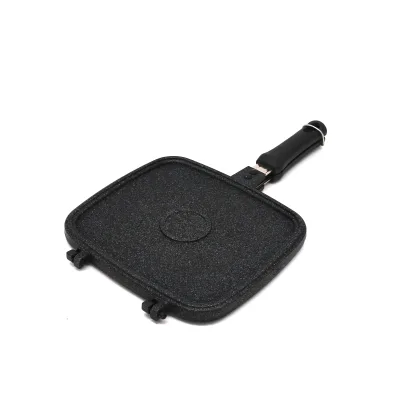
SUS Stainless Steel Non Stick Frying Pan Frying Pan Non-Stick Frying Pan
$5400.00 - $5450.00
MOQ: 1 set




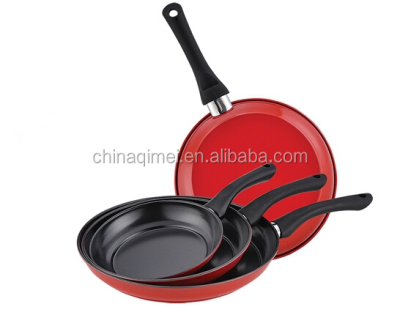
Modernization Kitchen Heat Resistant Multiple Use Aluminum Ceramic Non-Stick Frying Pan
$2.30 - $2.42
MOQ: 500 Pieces

Comprehensive Sourcing Guide
Non-Stick Aluminum Frying Pan Sourcing Guide
Sourcing non-stick aluminum frying pans requires a disciplined approach to balancing thermal performance, coating durability, and regulatory compliance. The global market for these cookware items is characterized by a wide variance in manufacturing quality, with products ranging from basic household utensils to professional-grade equipment designed for high-volume commercial kitchens. Buyers must navigate a landscape where material composition, coating technology, and certification status vary significantly between suppliers. This guide provides a structured framework for evaluating listings, verifying technical specifications, and ensuring that procurement decisions align with both safety standards and operational requirements. By focusing on observable data points and established industry norms, purchasers can mitigate risks associated with inconsistent product quality and non-compliant materials.
The following sections detail the critical factors that influence the selection and verification of non-stick aluminum frying pans. Each section is designed to help buyers move beyond superficial marketing claims and focus on verifiable attributes that impact long-term performance and legal compliance. From understanding the implications of different aluminum alloys to interpreting certification marks like FDA and CE, this guide serves as a practical tool for making informed sourcing decisions. The emphasis is on evidence-based evaluation, ensuring that every procurement step is grounded in observable facts and trusted category knowledge rather than unverified assertions.
Product Scope and Observed Listing Signals
The current market for non-stick aluminum frying pans exhibits a broad spectrum of product types, primarily categorized as frying pans and skillets. Listings frequently highlight specific models such as rp-115, rp-134, CTF16N, AFP16E, and G-0021, indicating a diverse range of SKUs available from various manufacturers. These products are generally classified under baking tools and accessories, yet their primary application extends to general kitchen and restaurant use. The presence of customization options suggests that many suppliers are equipped to handle OEM/ODM requests, allowing buyers to tailor product features to specific brand identities or functional requirements. This flexibility is a key consideration for businesses looking to differentiate their offerings in a competitive market.
Observed listing signals reveal significant variation in packaging and physical attributes. Products are typically packed in boxes, export cartons, or master cartons, with some listings providing detailed dimensions such as a length of 90.0 cm. The material composition is consistently identified as aluminum or aluminum alloy, which is preferred for its lightweight nature and efficient heat distribution. However, buyers should note that while aluminum is the base material, the performance of the pan is heavily dependent on the non-stick coating applied to its surface. Some listings specify a thickness of 2.5mm or customized options, which directly impacts durability and heat retention. Understanding these baseline attributes is essential for comparing products across different suppliers and ensuring that the selected pans meet the intended usage criteria.
Technical Specifications to Verify
When evaluating technical specifications, the type of stove compatibility is a critical factor. Listings indicate that these pans are suitable for gas-oven combinations, all-purpose stoves, and all cooktops, suggesting versatility in usage environments. However, buyers must verify the specific limitations of the non-stick coating, as some coatings may degrade at high temperatures or be incompatible with certain heat sources. The presence of a glass cover or stainless steel cover is another variable that affects functionality, with some models offering transparent lids for monitoring cooking progress while others provide no lid at all. These features should be aligned with the end-user’s cooking habits and the specific requirements of the kitchen environment.
Coating technology and physical dimensions are equally important technical considerations. The non-stick property is a standard feature, but the quality and longevity of this coating can vary. Some products specify an outside coating that is heat-resistant, which is a valuable attribute for maintaining performance over time. Buyers should also pay attention to the diameter range, which can span from Dia160 to Dia360, or specific dimensions like Dia200x(H)45mm. The body height and overall thickness, such as 2.5mm, influence the pan’s capacity and structural integrity. Verifying these details ensures that the purchased pans are not only aesthetically pleasing but also functionally robust for their intended purpose.
Compliance and Safety Documentation
Regulatory compliance is paramount when sourcing cookware that comes into direct contact with food. Listings frequently mention certifications such as FDA, LFGB, and CE/EU, which indicate adherence to specific safety and quality standards. The FDA certification is particularly relevant for products intended for the US market, ensuring that materials do not leach harmful substances into food. Similarly, LFGB certification is a stringent German standard that is often recognized globally for its rigorous testing requirements. Buyers should request valid certification documents from suppliers to verify that the products meet the legal requirements of their target markets. Relying on unverified claims can lead to significant legal and reputational risks.
In addition to certifications, the origin of the products and the standards they adhere to must be clearly documented. Most listed products originate from China, and buyers should ensure that the manufacturing processes comply with international quality management standards. The term "customized" standard suggests that some products may not adhere to a single universal standard but are instead tailored to specific buyer requirements. In such cases, it is crucial to define and agree upon the applicable standards during the procurement process. This includes verifying that the aluminum alloy used meets specific purity and safety criteria, and that the non-stick coating is free from prohibited chemicals. Clear documentation of these compliance aspects is essential for maintaining supply chain integrity.
Cost Drivers and Commercial Terms
The cost of non-stick aluminum frying pans is influenced by several factors, including material quality, coating technology, and order volume. Observed price ranges vary widely, from low-cost items to premium products priced up to $5450, reflecting the diversity in quality and features. Minimum Order Quantities (MOQs) also vary significantly, ranging from 1 to 2000 pieces, with some listings specifying an MOQ of 1000 PCS. Buyers should consider the trade-off between unit price and order volume, as larger orders may offer better pricing but require greater storage capacity and capital investment. Understanding these commercial terms is essential for budgeting and inventory management.
Customization and packaging options also impact the final cost. Products that offer customized colors, such as green, purple, grey, orange, or beige, may incur additional charges due to the complexity of the production process. Similarly, specialized packaging, such as export cartons or master cartons, can affect shipping costs and handling requirements. Buyers should negotiate clear terms regarding these variables to avoid unexpected expenses. It is also important to clarify the lead times and delivery schedules, as delays can disrupt supply chains and impact customer satisfaction. Transparent communication about commercial terms helps in building a reliable and cost-effective procurement strategy.
Supplier Qualification and Quality Control
Supplier qualification is a critical step in ensuring the reliability of the supply chain. Buyers should assess suppliers based on their ability to provide consistent quality and adhere to agreed-upon specifications. The availability of OEM/ODM services indicates that many suppliers have the capability to customize products, but this also requires rigorous quality control measures to ensure that customizations do not compromise product integrity. Buyers should request samples and conduct thorough inspections before placing large orders. This includes verifying the material composition, coating durability, and overall build quality of the pans.
Quality control processes should be clearly defined and monitored throughout the production cycle. Suppliers should have established protocols for testing non-stick coatings, checking for defects, and ensuring that packaging meets safety standards. Buyers should also consider implementing third-party inspections to verify that the products meet the agreed-upon quality criteria. This is particularly important for products intended for commercial use, where durability and performance are critical. By establishing a robust quality control framework, buyers can minimize the risk of receiving substandard products and maintain customer satisfaction.
Long-Term Procurement Checks
Long-term procurement success depends on continuous monitoring of supplier performance and product quality. Buyers should establish key performance indicators (KPIs) to track metrics such as delivery times, defect rates, and customer feedback. Regular audits of supplier facilities and processes can help identify potential issues before they impact the supply chain. Additionally, staying informed about changes in regulatory requirements and industry standards is essential for maintaining compliance. Buyers should proactively engage with suppliers to address any emerging challenges and ensure that the products continue to meet market expectations.
Building a strong relationship with suppliers is also crucial for long-term procurement success. Open communication and collaboration can lead to improvements in product design, cost efficiency, and service quality. Buyers should provide constructive feedback and work with suppliers to resolve any issues that arise. By fostering a partnership-based approach, buyers can create a more resilient and responsive supply chain. This not only benefits the buyer but also contributes to the overall success of the supplier, creating a win-win situation for both parties. Continuous improvement and adaptation are key to navigating the dynamic landscape of cookware procurement.
FAQs
What certifications do the non-stick aluminum frying pans have?
The products hold FDA and CE/EU certifications, with some models also meeting LFGB standards. These certifications ensure safety for kitchen and restaurant use, confirming the materials comply with international food contact regulations for aluminum cookware.
Can I customize the specifications of the aluminum frying pans?
Yes, customization is available for models like rp-115 and rp-134. Buyers can request specific dimensions ranging from Dia160 to Dia360 and choose from various colors including green, purple, grey, orange, or beige to match their brand requirements.
What is the minimum order quantity for these frying pans?
The minimum order quantity varies by product, ranging from 1 piece to 2000 pieces. Some specific models require a minimum of 1000 pieces, while others allow for smaller trial orders starting at just one unit for testing purposes.
Which types of stoves are compatible with these pans?
These pans are designed for use on gas ovens and all-purpose stoves. They are suitable for general kitchen applications and can be used in restaurants or buffet equipment settings where versatile cooktop compatibility is required for efficient cooking operations.
How are the non-stick aluminum frying pans packaged for export?
Packaging options include individual boxes, export cartons, and master cartons depending on the model. The packaging ensures protection during transit, with specific dimensions provided for certain items to facilitate efficient logistics and storage for international buyers.
What materials are used to construct these frying pans?
The pans are primarily constructed from aluminum alloy and pure aluminum materials. This construction provides excellent heat conductivity while maintaining durability, making them ideal for both home kitchens and professional restaurant environments requiring high-performance cookware.